Key Takeaways
- Paper quilling is an inexpensive craft that uses rolled paper strips and glue to create decorative designs.
- Most easy paper quilling projects need only quilling paper, a slotted quilling tool or quilling needle tool, scissors, glue, and a circle sizer ruler.
- Beginner designs rely on tight coils, loose spirals, teardrops, and marquise eyes; learn these basic shapes and you can create flowers, cards, animals, and gifts.
- These quilling patterns require no drawing talent or advanced quilling skills, so kids and absolute beginners can enjoy quick wins.
Introduction to Paper Quilling for Beginners
Paper quilling, also called quilling art or paper filigree, involves taking thin strips of colored paper, rolling them into a coil, pinching them to form shapes, and gluing the shapes together to create designs and objects.
Historically, quilling appeared in European decorative arts from the 16th–18th centuries, but today it is a simple home craft. This post focuses on easy paper quilling designs for beginners, not tricky 3D sculptures. You will learn the basics, useful supplies, and quick ideas you can finish in under an hour.
- Essential Quilling Supplies and Paper Strips
- Basic Quilling Shapes Every Beginner Should Learn
- Super Simple Paper Quilling Projects to Try First
- Easy Quilled Flowers and Nature Designs
- Cute Beginner Animals and Fun Shapes
- Beginner Paper Quilling Cards and Small Gifts
- Tips, Troubleshooting, and Next Steps
- Frequently Asked Questions
Essential Quilling Supplies and Paper Strips
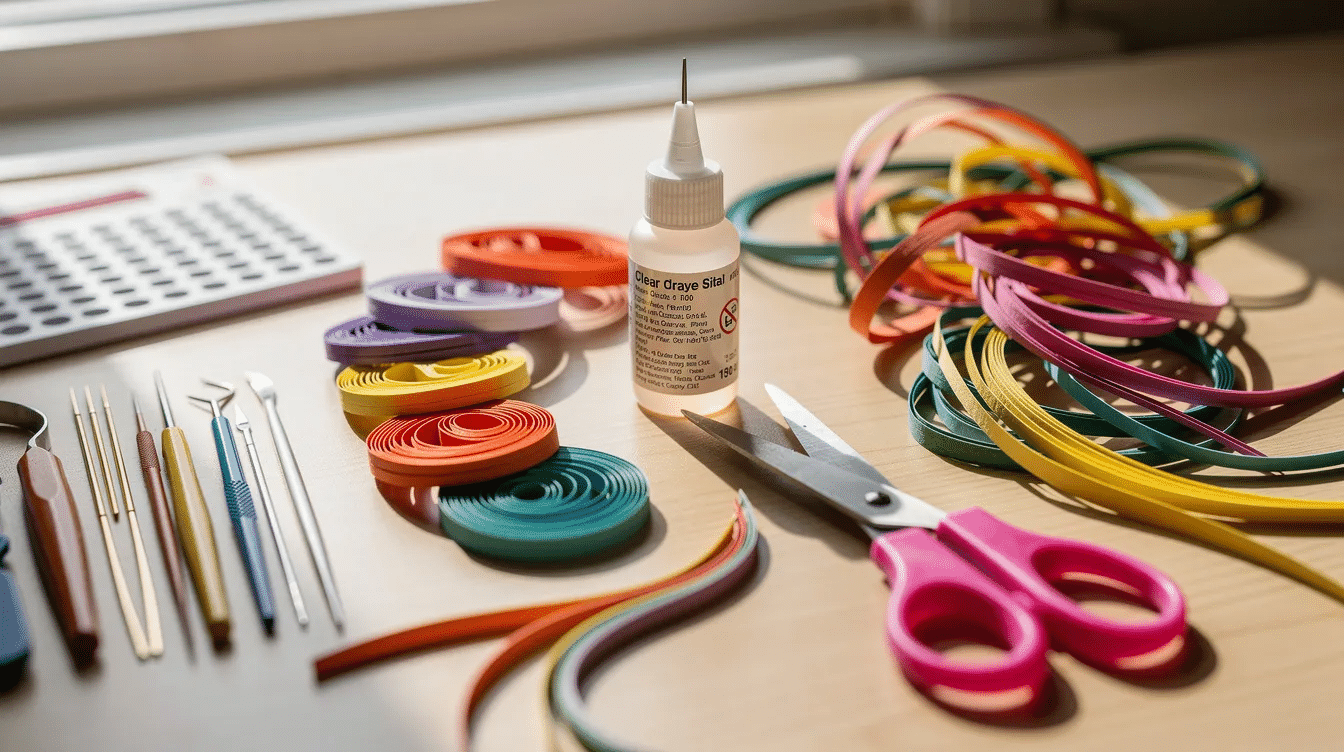
You do not need a big quilling set to start rolling. Quilling is an inexpensive craft that primarily requires strips of colored paper and glue to create decorative designs.
- quilling paper strips: 3mm or 5mm quilling paper is easiest for beginners.
- slotted quilling tool or quilling needle tool: use it to roll one end of each strip evenly.
- scissors: helpful if you cut strips shorter or trim an outline.
- glue with a fine tip, plus a toothpick for tiny dots.
- tweezers, pins, and an optional quilling board or circle sizer ruler to keep coils the same size.
- Extra tools that can enhance your quilling projects include a quilling comb and glitter for decoration.
Pre-cut quilling paper gives the cleanest edge, but you can purchase colored printer paper or cardstock and other craft papers and cut your own paper strips. For a sweet starter palette, try white, light pink, yellow, light blue, green, and one dark accent color. Work on scrap paper, keep glue on a plastic lid, and have a damp cloth waiting nearby.
Basic Quilling Shapes Every Beginner Should Learn
Most easy paper quilling designs for beginners come from a few repeatable basic shapes. Quilled designs can incorporate a variety of shapes arranged into patterns for decorative purposes, and a more detailed beginner paper quilling guide can help you build on these basics.
- Tight coil: roll firmly and glue the end; use for centers and dots.
- Loose coil: roll, release, then glue; this becomes many different shapes.
- Teardrop: pinch one side of a loose coil.
- Marquise, or marquis: pinch both ends of a loose coil. The most basic shapes in quilling include the teardrop and the marquis, which are created by pinching the ends of a loose coil.
- Square: pinch four corners from a loose coil.
- Triangle: pinch three points.
- Half-circle: shape one side flat and leave the other curved.
- Scroll shapes in quilling are made by twirling the paper without gluing the end, allowing for various creative forms by adjusting the rolling technique.
For beginners, it’s best to start with projects that use tight coils and basic pinched shapes like teardrops or marquise eyes. Make a sample page with labeled shapes; it will teach your hands what “correctly” feels like. A circle sizer also keeps flowers, borders, and quilling patterns neat.
Super Simple Paper Quilling Projects to Try First
Start small so you can practice the roll, curl, pinch, attach, and glue steps without worrying about perfection.
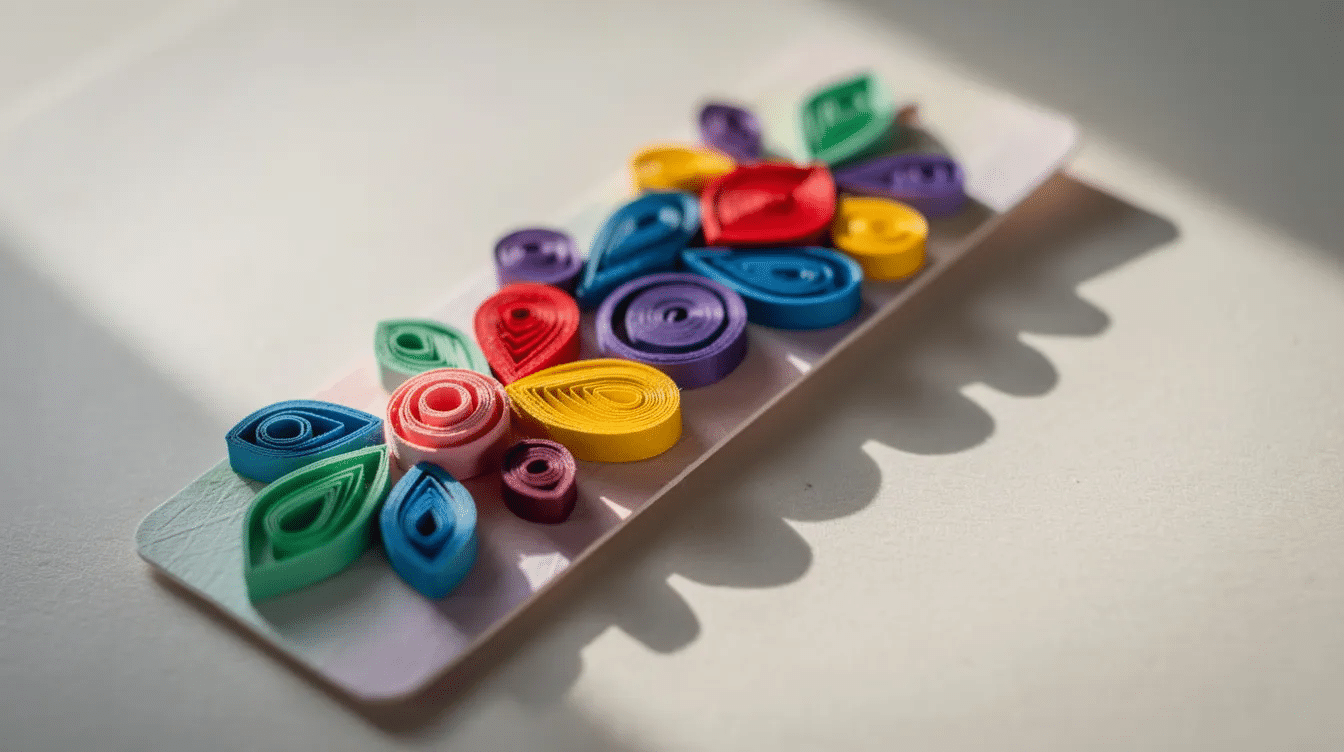
- Spiral confetti bookmark: glue loose coils randomly along a cardstock strip. This is fun for leftover strips.
- Rainbow balloons greeting cards: make 5–7 tight or loose coils, then draw strings. Kids love the wow effect.
- Tiny heart tag: form a pair of teardrops into a heart, glue to a card circle, seal, and hang from a bag.
- Quilled Monogram: Creating a Quilled Monogram is an easy and effective beginner project that allows for creative freedom with different shapes and techniques.
Keep your first project to 20–30 minutes. You will be glad you chose a fast win before moving into more detailed quilling art.
Easy Quilled Flowers and Nature Designs
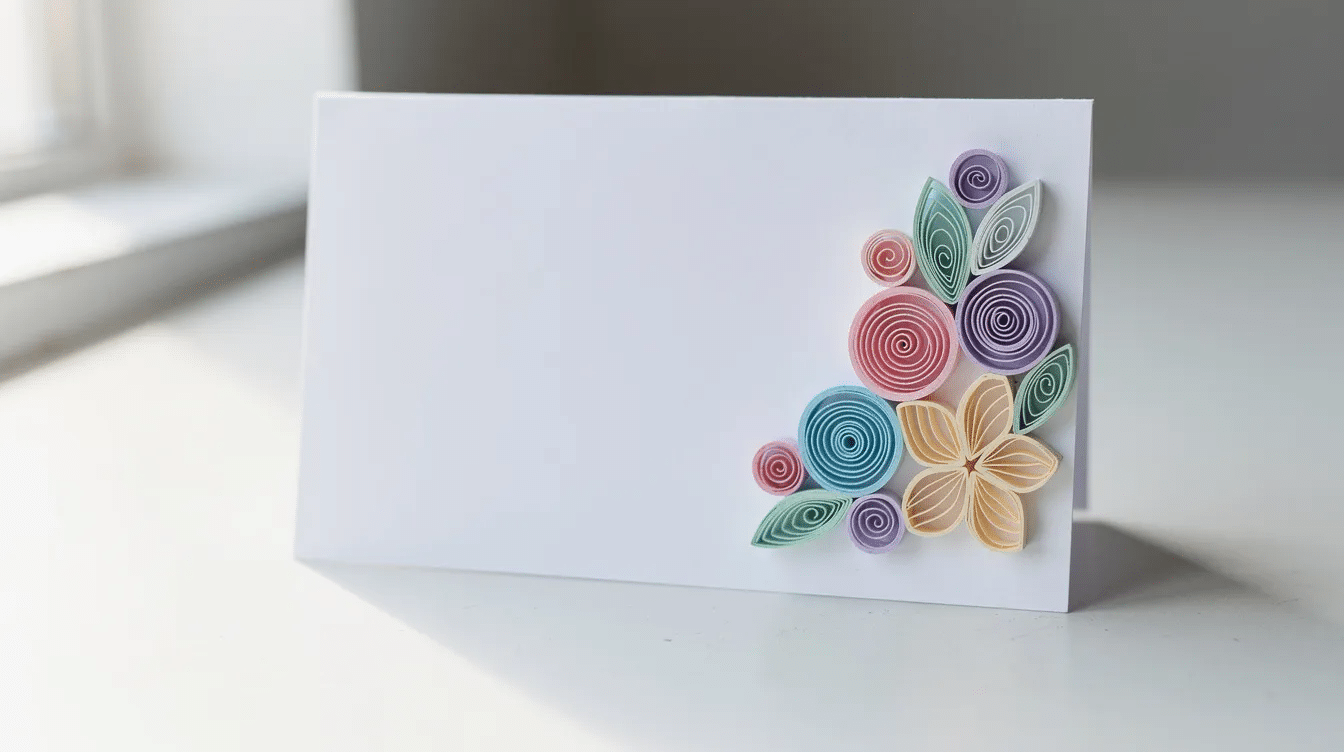
Quilled flowers are classic beginner paper quilling projects because they repeat the same petal shape. Simple quilled flower projects typically involve creating loose coils, pinching them to form petals, and arranging them around a tight central coil.
Try these ideas:
- Six-petal daisy: six white teardrops around a yellow tight coil.
- Five-petal flower card: five marquise shapes, a contrasting center, and green stems.
- Garden border: small coils, teardrops, and green marquise leaves along the bottom of a card.
- Sun and cloud: yellow coils in a circle, straight paper strips as rays, and white loose coils for clouds.
- Quilled Autumn Tree Greeting Card: A Quilled Autumn Tree Greeting Card is a simple project that can be completed quickly, making it suitable for beginners and a lovely seasonal greeting.
Paper Quilled Snowflakes are a popular beginner project that can be used as Christmas tree ornaments or gifts, making them a great introduction to quilling.
Cute Beginner Animals and Fun Shapes
Many animal designs are circles, teardrops, and marquise shapes arranged like a coloring book.
- Fish: one marquise body, a triangle or teardrop tail, and a tiny tight coil eye.
- Butterfly: four teardrops or marquise wings, a narrow coil body, and curled antennae.
- Bird: one teardrop body, a smaller wing, triangle beak, and tight coil eye on a drawn branch.
- House scene: use a square base, triangle roof, and coils for flowers beside a vase or tree.
Sketch a light pencil outline first, then fill it with paper. You do not need to fold anything like origami, but exploring popular origami designs for all skill levels can give you more paper craft ideas.
Beginner Paper Quilling Cards and Small Gifts
Easy paper quilling designs can become wonderful handmade gifts: greeting cards, bookmarks, magnets, frame decorations, or wall art, and you can branch out into fun paper activities for all ages when you want to try different techniques.
Use these fast ideas, or mix them with cute paper craft projects for families:
- Heart card: glue many loose coils inside a heart outline using red and pink.
- “Thank you” card: place one flower cluster in the corner and add hand lettering.
- Photo frame: attach flat quilled flowers or repeating coils around the edge.
- Fridge magnets: glue butterflies or geometric coils to wooden discs, then add magnet strips, or experiment with DIY paper squishies projects for another fun gift idea.
- Earrings: make a lightweight pair from sealed tight coils once your quilling skills improve, and consider expanding your stash with top craft paper supplies and tools as you explore more projects.
You can also decorate a handmade sign for your craft room. The result can look stunning, even when the steps are simple.
Tips, Troubleshooting, and Next Steps
If your coils unroll, your glue shows, or your shapes do not match, that is normal. Every crafter improves with repetition.
- Use less glue than feels necessary; a tiny dot is usually enough.
- Keep tension steady as you start rolling. If a coil slips, gently re-tighten it before gluing.
- Practice 10–15 minutes a day instead of starting with a large, detailed quilling pattern.
- Browse a helpful website, blog, youtube tutorial, or videos when you need inspiration, such as Simply Paper Crafts for ideas and tutorials.
- Try seasonal cards, wreaths, snowflakes, or kid-friendly projects inspired by red ted art; folded paper snowflake decorations and creative paper duck folding ideas are fun companions to quilled pieces.
- The North American Quilling Guild shape chart is an awesome reference if you want official shape names.
Finally, hope this gives you enough ideas to start. Pick one design, gather your tools, and create something small today.
Frequently Asked Questions
How long does it take to learn basic paper quilling?
Most people can learn to roll coils and make simple shapes in 30–60 minutes. After a few evenings, small paper quilling projects feel much easier.
Can kids try these easy quilling designs?
Yes. Balloons, hearts, quilled flowers, and basic animals work well for kids around 7+ with supervision. Younger children can choose colors and place finished shapes.
Do I need special quilling paper, or can I use regular paper?
Dedicated quilling paper strips give the most even results. Beginners can still experiment with lightweight colored printer paper, magazines, or cardstock before investing.
How do I stop my coils from unrolling too much?
Roll firmly, release the coil into a circle sizer or onto the table, then glue the end. Slightly thicker paper often holds its shape better.
How should I store finished quilling projects?
Let pieces dry fully. Store cards in sleeves, frame flat art to protect it from dust, and keep 3D pieces in small tissue-lined boxes.