Key Takeaways
- Most paper crafts with recycled materials use everyday scrap paper, junk mail, old newspapers, cardboard, and packaging.
- The core process is simple: rip, soak, blend into paper pulp, form on a screen, press out excess water, and dry.
- These recycled paper crafts are a fun project for kids, school groups, families, and hobby crafters.
- Good drying process habits make homemade paper stronger, flatter, and less likely to mold.
- You’ll find great ideas for cards, journals, wreaths, puppets, planters, and heartfelt gifts.
Introduction: Why Recycled Paper Crafts Belong in Every Home
Recycled paper crafts are an eco-friendly way to create art from household waste. In 2026, households still throw away large amounts of paper, even though the U.S. recycled about 46 million tons of paper in 2024, according to the American Forest & Paper Association. That leaves plenty of room to reuse discarded paper before it reaches the bin.
Here, “recycled paper crafts” means making projects from paper scraps you already have, not buying pre-made recycled paper at a store. This post focuses on practical crafts you can make at the kitchen table with kids, not abstract eco theory.
Quick Start: How to Make Your Own Recycled Paper at Home
You can make your own paper in one afternoon with basic supplies. Shred scrap paper, soak it, blend it with enough water into paper pulp, pour the pulp onto a window screen, press out excess water, and air-dry the sheets.
Good sources include printer mistakes, school notes, junk mail without plastic windows, brown paper bags, thin cardboard, and paper gift wrap. Try making paper on a Saturday afternoon so your handmade paper has 24–48 hours to dry.
Using recycled paper helps reduce the amount of waste sent to landfills, contributing to a more sustainable environment.
Materials: Gathering Recycled Paper and Simple Tools
Set up a “paper rescue box” for scraps, paper bits, old books with damaged pages, newspaper, magazines, envelopes, and cardboard. Add brown paper grocery bags, old schoolwork, brochures, and clean packaging.
Avoid tape, staples, stickers, glossy coated packaging, metallic foil, and plastic envelope windows. Heavy glossy magazine pages can resist water and weaken pulp.
Basic tools:
Supply | Use |
|---|---|
Old blender | To blend soaked paper |
Large bowl or tub | To hold the mixture |
Window screen or mesh screen | To form sheets |
Towel or felt | To absorb water |
Flat drying area | To finish the process |
You can buy mesh, a simple frame, or replacement screening at a hardware store. Optional materials include dried petals, thread, seeds, and leaves, along with other top craft paper supplies for creative projects. Toilet paper rolls and paper towel tubes are sturdy, plentiful, and versatile for crafting. |
How to Make Paper Pulp from Scrap Paper
To make paper pulp, rip scrap paper into small pieces, soak them in water for an hour or two, and then blend them into a smooth pulp.
- Sort white paper, colored paper, and old newspapers separately if you want to control the final shade.
- Tear paper scraps into small pieces, about 2–3 cm wide.
- Cover the pieces with as much water as needed to fully soak them.
- Let thin paper soak 1–2 hours; let cardstock or paperboard soak overnight.
- Add soaked paper to a dedicated blender with enough water to cover it.
- Pulse until the paper pulp looks smooth, or leave it chunky for texture.
Use an older blender if possible. Never overfill it, and keep kids away while making pulp.
Step-by-Step: Creating Your Own Handmade Paper Sheets
After blending the paper into pulp, fill a shallow tub with water, add the pulp, and submerge a screen to form the paper layer.
Stir the prepared pulp so it floats evenly. Slide the screen flat under the mixture, then lift slowly. A thin layer will form across the mesh. Check for gaps and gently move fibers with your fingers.
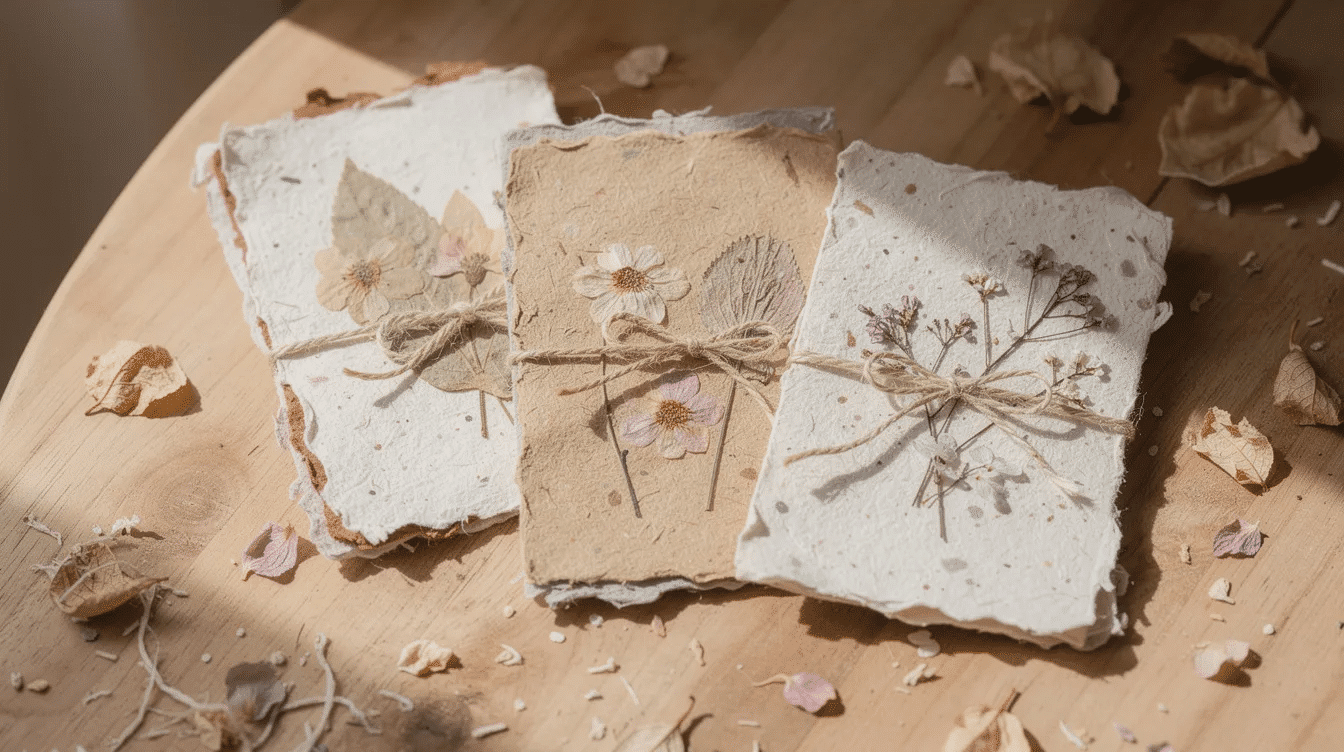
Sprinkle in petals, threads, seeds, or colored pulp now. Thicker layers create sturdy cards and tags; thinner layers make better stationery. Handmade paper sheets for creative projects can be made by blending old documents to create paper pulp that can be pressed into customized sheets.
Removing Excess Water and Drying Your Homemade Paper
Once the pulp is on the screen, press it with a towel to remove excess water, then flip it over to dry on a towel or felt.
Place the loaded screen on an absorbent towel. Press straight down with another towel or microfiber cloth; do not slide, or the fibers may shift. Finally, peel away the screen and leave the sheet covered lightly or uncovered in a clean area for 24–48 hours.
Speed drying with airflow, a sunny window, or dry cloths weighted with a heavy book. Industrial papermaking can use thousands of gallons of water per ton, so at home, reuse soak water where practical and remove excess water carefully.
Kid-Friendly Recycled Paper Craft Ideas
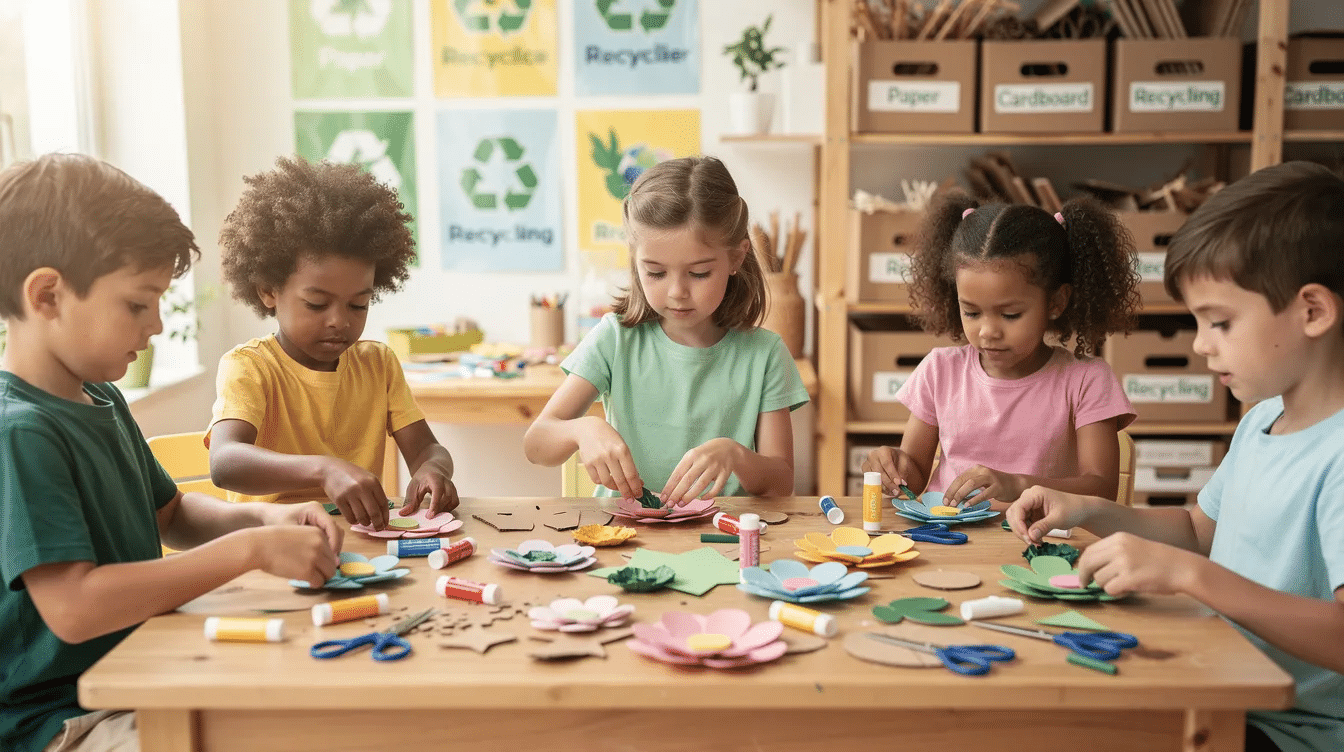
These projects are kids easy with adult supervision and are similar to many cute paper craft ideas for fun DIY projects:
- Use homemade paper for greeting cards, bookmarks, mini journals, and mother’s day notes.
- Using scrap paper to make unique gift tags is a simple and effective way to personalize gifts while reducing waste.
- Origami lucky stars made from scrap paper can serve as beautiful decorations or heartfelt gifts, showcasing the versatility of scrap materials.
- Make puppets, torn-paper collages, and seasonal garlands for birthdays, Halloween, Christmas, or Earth Day.
- Cardboard boxes can be repurposed to create building materials for structures like castles or puppet theaters, inspiring even more creative cardboard craft ideas for eco-friendly projects.
- Newspaper pots can be made by rolling sheets of old newspaper around a glass jar to create biodegradable planters.
- Woven coasters can be created by folding newspaper strips into flat ribbons and weaving them together.
- Egg carton flowers can be crafted by cutting out and painting individual egg cups.
- Egg carton flowers can also be attached to pipe cleaners or twigs to form a bouquet.
- Cardboard tubes can be used to create various projects such as desk organizers and seed starter pots.
Tie projects to school topics like habitats, weather, or story scenes. Kids can create a 3D nature scene using layered cardboard cutouts within a shadowbox frame.
Creative Projects with Paper Pulp and Recycled Cardboard
Once you know the basics, try different styles and more sculptural projects. Paper mache designs and techniques showcase how this versatile method can be used to create decorative items such as masks, bowls, and sculptures using recycled paper.
To make a small papier-mâché bowl, press thick pulp over the outside of a greased bowl, let it dry, then paint it. You can also shape pulp into tiles, medallions, or textured art panels mounted on leftover cardboard, similar to many creative uses of paper mache for art projects.
Decoupage is a popular DIY project that involves decorating objects with cut-out paper images, allowing for personalized home decor items. Decoupage is a popular scrap paper craft that involves decorating objects with cut-out paper images, allowing for personalized home decor items.
Creating rolled paper wall art is a unique DIY project that uses discarded magazines and newspapers to form intricate patterns or designs. Creating rolled paper wall art by rolling strips of discarded magazines and newspapers can result in stunning and eco-friendly decorations for your home.
Paper beads can be made by rolling colorful magazine pages around a toothpick and securing them with glue, opening the door to many creative paper bead jewelry projects. Crafting vibrant paper flower bouquets from upcycled colorful magazines and brochures is a creative way to use scrap paper for home decor or gifts.
Using Your Handmade Recycled Paper in Everyday Life
Recycled paper can be transformed into unique and creative projects, allowing crafters to express their artistic talents while promoting sustainability. Many of these projects overlap with paper crafts that sell well for crafters. Cut thick sheets into business cards, product tags, postcards, or labels for a small handmade business or fundraiser.
Use thin sheets for letters, recipe cards, gratitude notes, scrapbook pages, or a journal cover, or adapt them for vintage paper craft ideas. Turn off-cuts into gift tags, collage scraps, and storage labels.
For seed paper, mix herb or wildflower seeds into damp pulp, then press and dry without heat. Create coordinated sets of cards, tags, and bookmarks for birthdays, Christmas, or Mother’s Day.
Crafting with recycled paper not only gives new life to discarded materials but also encourages mindful consumption and waste reduction, and platforms like Simply Paper Crafts offer even more inspiration to keep creating. Using materials like old newspapers, magazines, and cardboard reduces waste while sparking creativity.
FAQ: Common Questions About Recycled Paper Crafts
How long can I store paper pulp before using it?
Store paper pulp in a covered container in the refrigerator for 3–5 days. If it thickens, add fresh water and re-blend. For longer storage, freeze pulp in portions and thaw before making new paper.
Is it safe for kids to help make homemade paper?
Yes. Kids can tear paper, stir pulp, decorate sheets, and help press with towels. Adults should handle the blender, scissors, hot tools, and sharp edges. For classrooms, pre-blend pulp so the group can focus on forming and decorating.
Why is my homemade paper cracking or falling apart?
Cracking usually means the sheet was too thin, dried too fast, or was pressed unevenly. Add more pulp to the vat, press gently but thoroughly, and air-dry slowly. Mix in plain paper towel or unprinted egg carton fiber for strength.
Can I use printed or colored paper for recycled paper crafts?
Most printed and colored paper works. Test bright or heavily dyed pages first. Avoid glossy plastic-coated paper and metallic foil because they can interfere with bonding and texture.
How do I prevent mold on drying handmade paper?
Mold forms when thick sheets dry slowly in damp rooms. Spread sheets thinner, use fans or open windows, and change wet towels often. If you notice spots or a musty smell, discard the sheet and clean the area.
Conclusion
If you have ever decided to recycle more, paper crafts with recycled materials are a fantastic way to begin. You do not need perfect supplies, a special website, or advanced skills-just paper, water, a screen, and curiosity.
Start with one batch of homemade paper, then build from there. Share your ideas, results, and comments with others, and hope your next pile of scraps becomes inspiration instead of waste.