
Key Takeaways
- Seed paper is paper embedded with seeds that can germinate and grow into plants when placed in soil and watered.
- This diy seed paper step by step guide shows how to make seed paper in about 2–3 hours of active work, plus 24 to 48 hours for air drying.
- You can use recycled printer sheets, egg cartons, newspaper, tissue paper, or plain toilet paper as the base for homemade seed paper.
- The process covers how to tear, soak, blend, spread pulp, press, and dry paper so it works for cards, gift tags, invitations, or post cards.
- Use small untreated seeds, such as wildflower seeds, herb seeds, or tiny flower seeds, because they integrate better and usually germinate more successfully.
- What Is Seed Paper and Why Make Your Own?
- Materials and Tools You’ll Need
- Step-by-Step: How to Make DIY Seed Paper
- Using Toilet Paper and Other Paper Types
- Shaping, Decorating, and Turning Seed Paper into Cards and Post Cards
- How to Plant and Care for Seed Paper
- Common Mistakes and Troubleshooting Tips
- FAQ
What Is Seed Paper and Why Make Your Own?
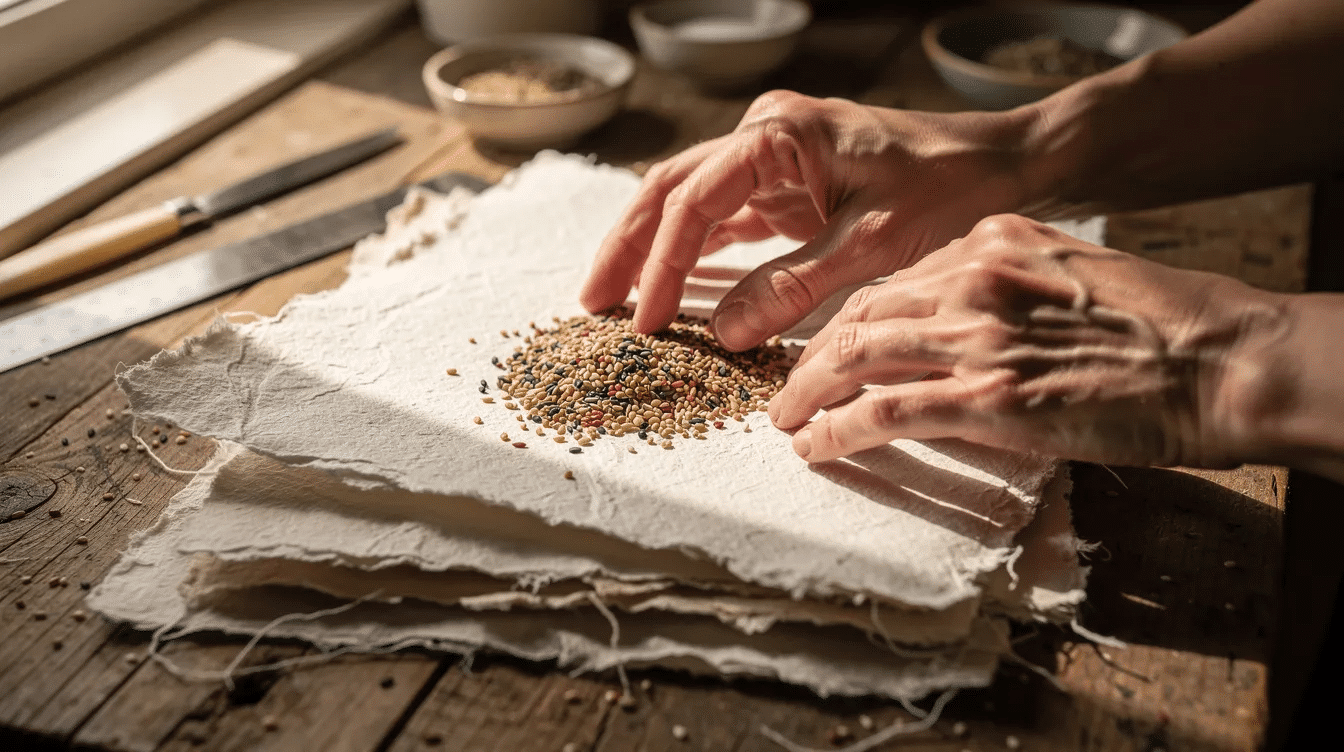
Seed paper is plantable homemade paper made from recycled materials, primarily shredded paper, which is blended into a pulp and mixed with seeds before drying. When you plant the finished sheet in soil and keep it wet, the fibers break down and the seeds germinate.
Making your own seed paper is a practical zero-waste craft. It is often used for eco-friendly products such as wedding invitations, birthday cards, and other crafts with a floral theme, providing a unique alternative to traditional paper goods. It also makes a lovely gift for teachers, gardeners, or anyone who likes flowers.
The paper fibers soften, drain, and decompose in the soil, giving flower seeds, herbs, or small vegetable seeds room to sprout. If you have ever wondered how to turn scrap paper into gardening-friendly stationery, this guide walks through every step in order.
Materials and Tools You’ll Need
Most materials come from a typical household plus a few basic craft supplies, especially if you already keep top craft paper supplies for creative projects on hand.
- Paper: old printer paper from 2023–2024, unprinted computer paper, kraft envelopes, uncoated junk mail, paper egg cartons, newspaper in small amounts, plain toilet paper, tissue paper, and a little pale construction paper for color. Avoid glossy or heavily-inked papers and choose from the best types of paper for craft to match your project.
- Seeds: fine wildflower seeds labeled “bee friendly,” basil, parsley, calendula, lavender, or small salad greens. The best types of seeds to use in seed paper are small seeds, such as those from flowers, wildflowers, and herbs, as they are more likely to germinate successfully.
- Equipment: standard kitchen blender or immersion blender, large bowl, measuring jug, bowl, fine sieve or colander, paper making frame or old picture frame with mesh, absorbent towel, sponge, spoon, and a flat surface.
- Optional extras: food coloring, dried flowers, flower petals, natural twine, letter stamps, cookie cutters, rolling pin, and cardboard templates.
Avoid beans, peas, and other large seeds because they can tear the sheet or fall out.
Step-by-Step: How to Make DIY Seed Paper
This nine-step process is similar to traditional papermaking, with one important rule: add seeds after blending, and it shares many techniques with making a handmade paper sheet for creative projects.
- Tear the paper into small pieces. To make seed paper, start by shredding recyclable paper and soaking it in water for several days until it is completely softened; for thin paper, soak in warm water for at least 30 minutes. Warm water is used to break down paper fibers when making seed paper.
- Blend into pulp. Fill the blender halfway with soaked paper, add just enough warm water, and blend for 30–45 seconds until no flakes remain. A standard kitchen blender or immersion blender is suitable for blending the paper into pulp.
- Adjust the pulp. Add much water only if the pulp clumps. You want paper pulp that is thick, pourable, and easy to spread.
- Add seeds by hand. Tip the pulp mixture into a large bowl, let it cool, then mix in a handful of seeds with a spoon. After soaking, blend the paper with just enough water to create a pulp, then mix in flower seeds without blending them further to avoid damaging the seeds.
- Prepare the screen. Stretch mesh over a frame and place it over a sink or basin so excess water can drain.
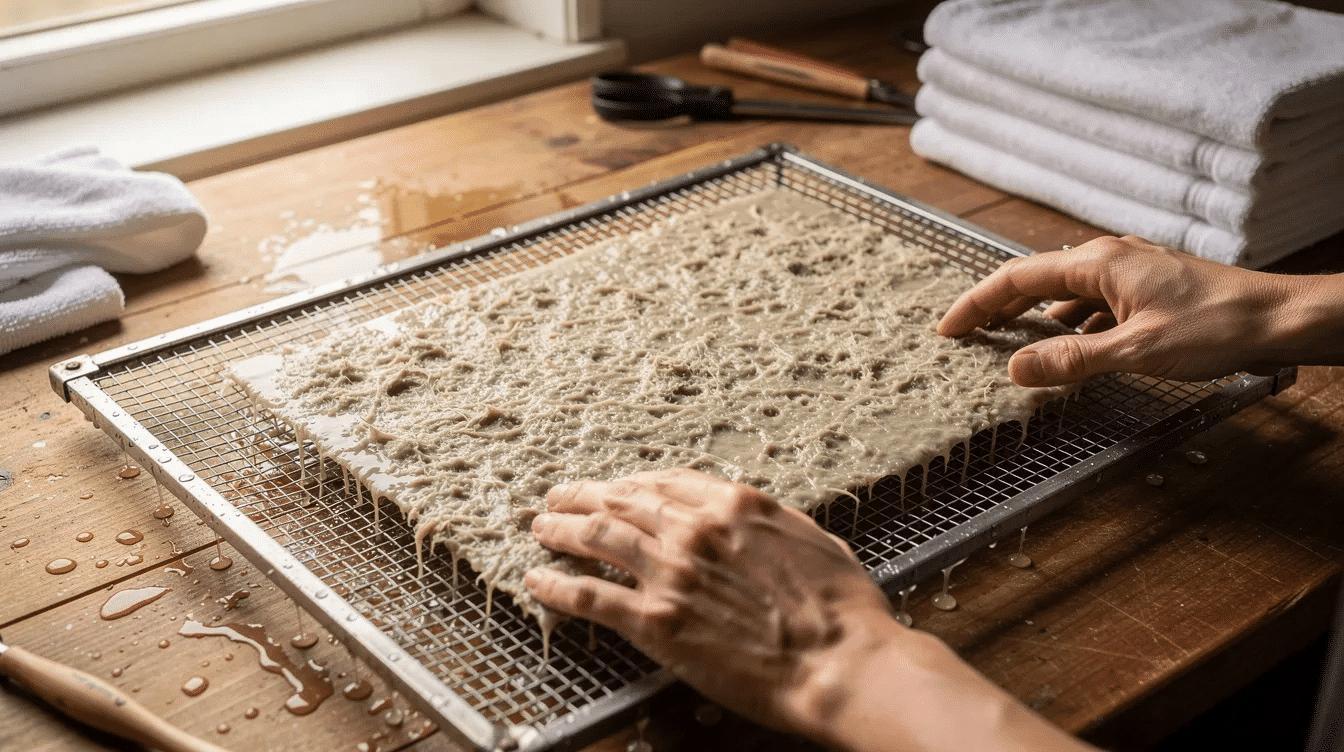
- Spread pulp evenly. Pour the mixture onto the mesh and spread pulp into a thin 2–3 mm layer. Use one side of a spatula or your fingers to form the shape carefully.
- Press out water. The molded pulp should be pressed flat to allow it to dry properly after adding the seeds. Use a sponge or folded towel to gently press, squeeze, and remove as much water as possible.
- Transfer the sheet. Flip it onto a dry towel, peel back the mesh, and pat to flatten. You can also spread the pulp onto a flat surface, such as a towel or cookie sheet, and roll it out to the desired thickness before allowing it to dry completely.
- Dry thoroughly. Let the seed paper dry flat in a warm, ventilated room. It usually takes 24 to 48 hours for seed paper to air dry completely. High heat from blow dryers or ovens should be avoided during the drying process, as it can kill the seeds.
Once fully dry, the seed paper can be cut into shapes, folded, or written on using a standard ballpoint pen or marker.
Using Toilet Paper and Other Paper Types
Toilet paper and tissue create smoother handmade seed paper because the fibers break apart quickly. Plain toilet paper is also useful when you want soft, delicate homemade seed paper for small gift tags, especially if you enjoy browsing broader paper crafting inspiration and tutorials.
Stiffer sources like egg cartons or printer paper give strength. A good idea is to make one batch with only toilet paper for delicate pieces and another mix of printer paper and toilet paper for sturdier post cards, or repurpose scraps for creative paper mache art and craft projects.
| Paper type | Texture | Drying time |
|——————-|———————|————-| | Toilet paper only | Soft, thin, fragile | Faster | | Egg carton mix | Rustic, thick | Slower | | Printer paper mix | Smoother, stronger | Moderate | Avoid glossy magazines, coated packaging, and heavily dyed paper because coatings can limit water absorption and seed germination. For more on planting wildflowers responsibly, see Grow Wild by Kew.
Shaping, Decorating, and Turning Seed Paper into Cards and Post Cards
When completely dry, seed paper can be cut and decorated like regular craft paper. Trace A6 folded cards, rectangular post cards about 10 cm × 15 cm, or small tags, or pair them with creative and useful things to print on paper such as calendars, labels, or gift tags.
Use cookie cutters to cut hearts, circles, flowers, or leaf designs. Seed paper can be made into various shapes and designs, such as flowers or hearts, which can enhance the aesthetic appeal of gifts or cards, much like arranging creative crepe paper flowers for DIY projects.
Decorate lightly with water-based markers, sparse watercolor, dried flowers, flower petals, or quick-drying stamps. You can even borrow techniques from vintage paper craft ideas to give your seed paper a nostalgic look. Add planting instructions on the back: “Soak overnight, plant under 1 cm of soil, and keep moist.” If mailing a thick post card, check postage first.
When gifting seed paper, consider matching the type of seeds used to the recipient’s preferences or the occasion, such as using lavender seeds for a gift related to lavender products, especially if you plan to sell them alongside other paper crafts that sell well.
How to Plant and Care for Seed Paper
Planting seed paper is like sowing seeds, except the paper must stay moist until it breaks down.
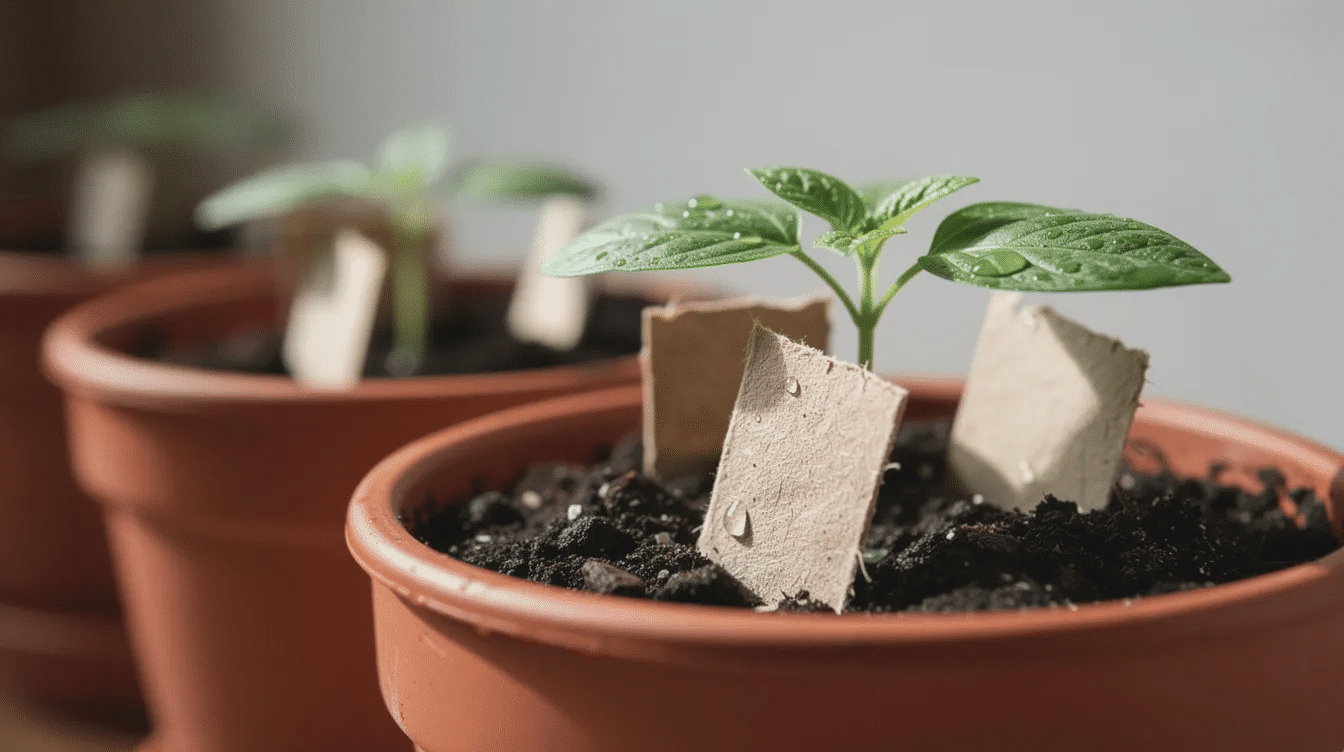
Tear the sheet into smaller pieces, soak for 10–15 minutes, lay on potting soil, and cover with 0.5–1 cm of compost. Keep pots on a bright windowsill or balcony with 4–6 hours of light, ideally above 10–12 °C.
Mist or water lightly so the soil stays damp, not waterlogged. Many wildflower seeds germinate in 7–21 days. Label each pot with the seed type and date, then thin or transplant seedlings after the last local frost.
Common Mistakes and Troubleshooting Tips
Beginners can still save most batches if the process goes wrong.
- Paper too thick or lumpy: use more water while blending and spread the pulp thinner on the screen.
- Paper tearing when lifted: press longer, leave it on the towel, and use tighter mesh for support.
- Seeds sprouting too early: dry in a cool, airy place, away from direct sun and radiators.
- Mold: improve airflow with a low fan, replace damp towels within 24 hours, and make thinner sheets.
- Failed batch: re-soak, re-blend, drain, and begin again.
FAQ
Can I print on seed paper with a home printer?
Thin, flat seed paper may work in some inkjet printers, but textured sheets can jam. Test one piece first, use low-ink settings, and avoid dense ink that blocks water. For important invitations, print on a separate recycled sheet and attach it with twine.
Which seeds should I avoid putting in seed paper?
Avoid beans, peas, sunflower seeds, invasive species, and coated or pelleted seeds. Very large seeds can tear the paper, while treated seeds may not embed or sprout well.
How long will homemade seed paper stay viable?
Most homemade seed paper made with fresh seeds works best within 12 months. Store it cool, dry, and dark in an envelope or drawer. After a year, test a small link-sized scrap before making a gift batch.
Can I use newspaper or glossy magazines for seed paper?
Small amounts of black-and-white newspaper are usable, though they may gray the pulp. Avoid glossy magazines and coated flyers because shiny coatings do not break down easily in soil.
Is it safe to use toilet paper for seed paper that will be planted outdoors?
Yes, plain fragrance-free toilet paper made from regular or recycled pulp is safe because it breaks down quickly. Avoid toilet paper with lotion, perfume, or bright dyes, and choose minimal additives for this fun project.