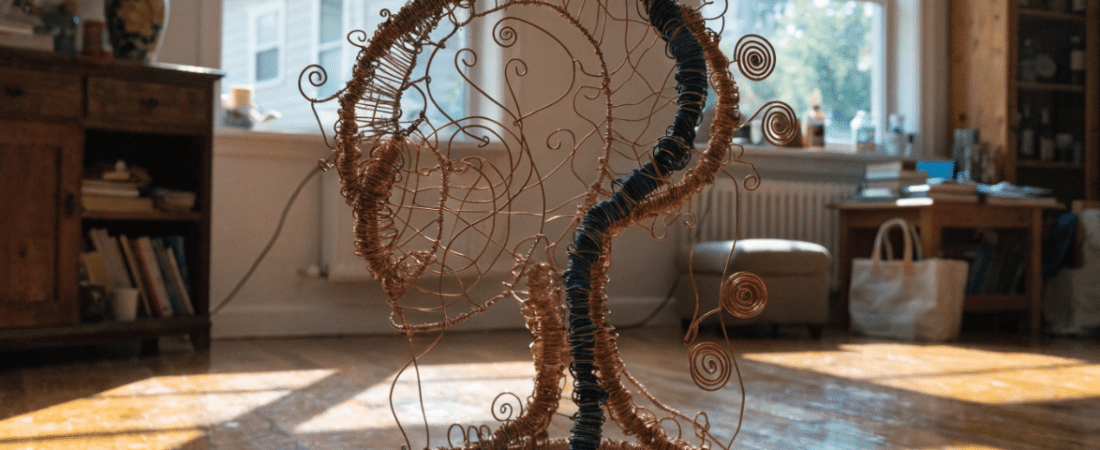
Creating a wire armature for paper mache is the foundation of any serious sculpture project. Whether you’re making a small animal figure or a life-sized form, understanding how to build a proper internal skeleton will determine whether your piece stands strong or collapses under its own weight. This guide is for artists, hobbyists, and anyone interested in building durable, creative paper mache sculptures. A strong wire armature is essential for creating paper mache sculptures that are both stable and long-lasting.
In this post, you’ll find everything needed to create sturdy wire armatures—from choosing the right materials to applying several layers of paper mache over your finished framework.
- Quick Answer: What Is a Wire Armature for Paper Mache?
- Essential Materials for a Wire Armature
- Choosing the Right Wire Gauge and Type
- Basic Wire Armature Shapes for Paper Mache
- Building Up the Armature: Foil, Tape, and Support
- Applying Paper Mache Over Wire Armatures
- Safety, Durability, and Long-Term Care
Quick Answer: What Is a Wire Armature for Paper Mache?
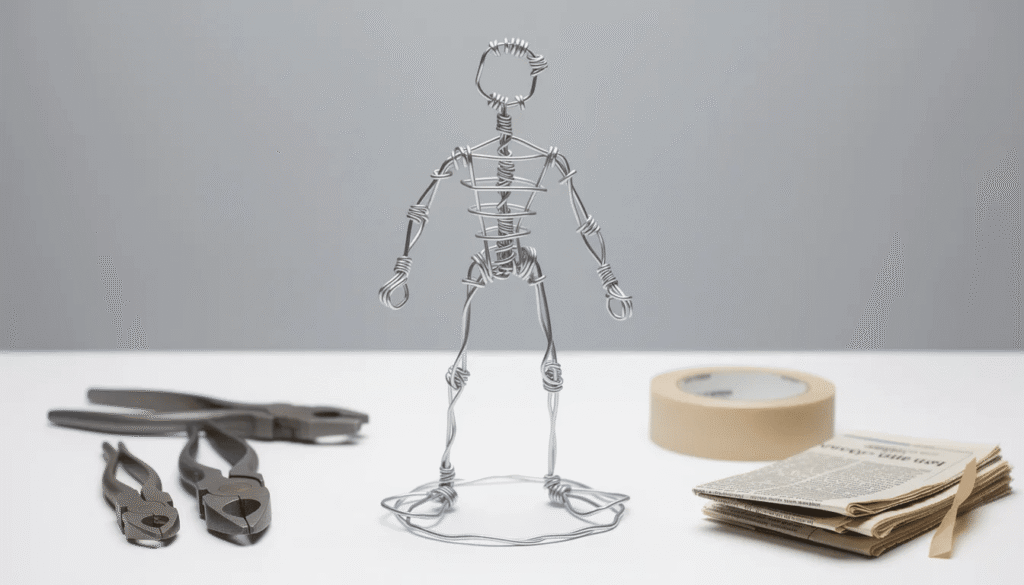
A wire armature is the internal skeleton that supports a paper mache sculpture, providing the rigid framework that holds everything in place while you work. Think of it as the bones inside a body—without them, the soft paper mache layers would sag, crack, or collapse during the drying process. Constructing a wire armature involves creating a structural skeleton using wire that provides strength, shape, and stability.
Wire gives you precise control over form and pose. You can bend it to create dynamic positions that would be impossible with newspaper or cardboard alone. The armature holds its shape while you layer strips of paper, and it continues providing structural support long after the piece dries.
Here are a few examples where wire armatures shine:
- Small animal figures (15–20 cm): Chihuahuas, cats, birds, and fantastical creatures like Mexican alebrijes
- Life-sized figures (160–180 cm): Human forms, mannequins, and large display sculptures
- Masks and busts: Head shapes that need to maintain specific proportions
Key benefits of using wire armatures:
- Stability that prevents collapse during drying
- Complete control over pose and proportions
- Ability to build larger pieces without excessive weight
- Lightweight final results ideal for hanging or display
The rest of this post will walk you through choosing the right wire, building basic shapes, and reinforcing your armature for long-term durability.
Essential Materials for a Wire Armature
Material choice affects both your safety during construction and how long your finished sculpture will last. Selecting the right wire and supplies before you start saves time and prevents problems down the road.
Wire types and when to use them:
- Aluminum armature wire (2–3 mm / 12–14 gauge for medium figures, 4–5 mm / 8–9 gauge for larger shapes): Easy to bend by hand, won’t rust, and holds its shape well. This is the preferred choice for most papier mache artists.
- Soft steel wire: Stronger and less flexible than aluminum, making it great for load-bearing spines. However, steel can rust if moisture reaches it through thin paper layers—something to be careful about.
- Galvanized wire and chicken wire: Useful for creating larger forms quickly. Chicken wire works well for big organic shapes like animal bodies, but the coating can wear off at bend points, exposing the metal to rust over time.
Complementary materials to gather:
- Aluminum foil (tin foil) for adding bulk and smooth contours
- Masking tape or paper tape for binding wire and foil together
- Pliers with wire cutters—essential for clean bends and safe cuts
- Safety gloves and eye protection when working with heavier gauges
Shopping list for a medium-sized project:
- 3 meters of 12-gauge aluminum wire
- 2 meters of 18-gauge aluminum wire for details
- One roll of masking tape
- One roll of aluminum foil
- Needle-nose pliers with cutting edge
- Work gloves
Non-corroding metals like aluminum are the better choice for sculptures you hope will last years, especially if you live in a humid environment or plan to display the piece outdoors.
Choosing the Right Wire Gauge and Type
Wire gauge measures thickness, and here’s what trips people up: lower gauge numbers mean thicker, stronger wire. An 8-gauge wire is much heavier than an 18-gauge wire.
Choosing the wrong gauge is a common mistake. Too thin and your armature flops around while you work. Too thick and you’ll struggle to bend it into the shapes you need.
Simple size guide with examples:
- 18–20 gauge (about 1 mm): Small decorative pieces, fingers, whiskers, small animal legs, and fine details like antlers or ears
- 14–16 gauge (about 1.5–2 mm): Tabletop figures up to 30–40 cm tall, where you need some strength but still want easy manipulation
- 8–12 gauge (about 2.5–4 mm): Large animals, life-sized busts, and supporting spines that bear the weight of the entire sculpture
Combining wires for strength:
Use a heavier gauge for your main spine and twist thinner wire around it to create attachment points for limbs, foil, and tape. This method gives you the structural integrity of thick wire with the flexibility to add details.
When to choose each type:
- Aluminum: Best all-around choice. Easy to bend, won’t corrode, relatively inexpensive
- Steel: Stronger for the same gauge, but requires more paper layers to prevent rust
- Galvanized: Good for larger projects where you need lots of coverage, but watch for rust at stress points
Test-bend a sample piece of wire before committing to a big project. If you can’t form it by hand into the shapes you need, go one gauge thinner.
Basic Wire Armature Shapes for Paper Mache
Almost any sculpture can be broken down into a simple stick figure and basic geometric volumes. Once you understand this, creating complex forms becomes much more approachable.
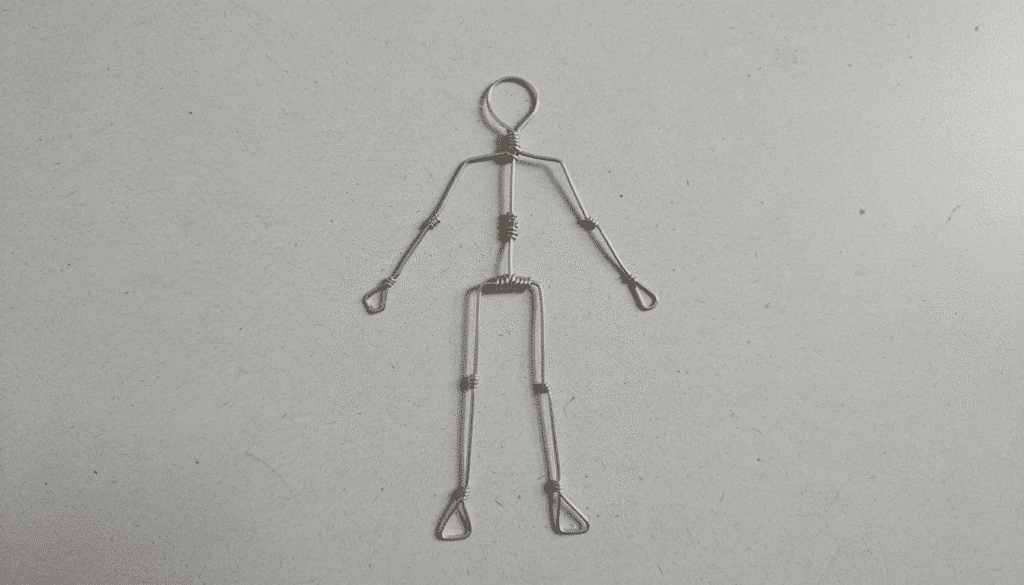
Making a basic human stick-figure armature:
- Start with one long piece of wire for the head, spine, and legs
- Bend at the shoulders, hips, knees, and ankles to create natural joint positions
- Add a separate piece for arms, twisted around the spine wire at shoulder height
- For a 30 cm figure, use roughly these proportions:
- Head to hip: 12 cm
- Hip to knee: 7 cm
- Knee to foot: 6 cm
- Arm span: about equal to total height
Simple animal armatures:
For four-legged creatures, the method changes a bit:
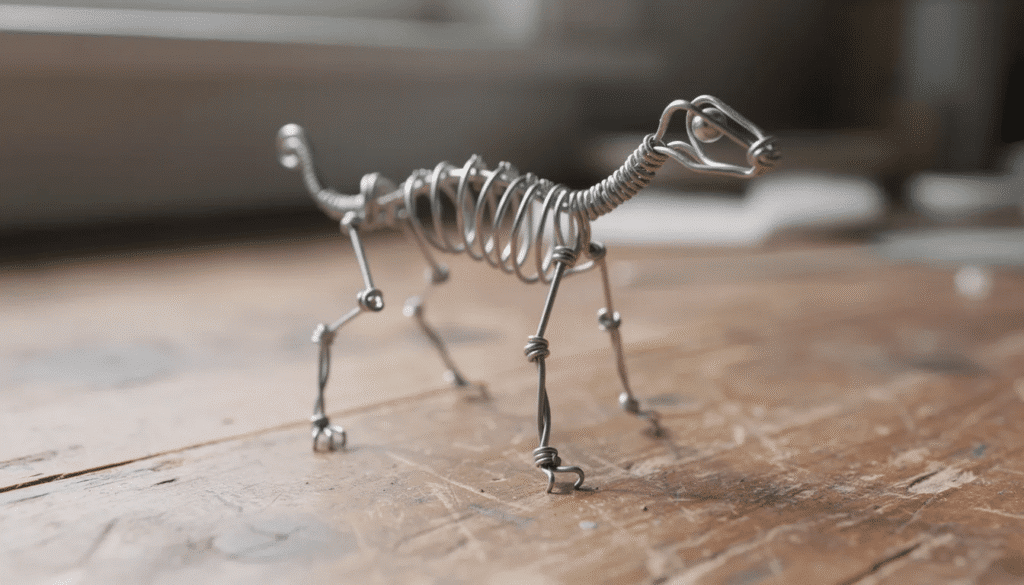
- Create the spine, neck, and tail as a single continuous line of wire
- Form the first piece of wire into the main body shape
- Add separate loops for the ribcage and skull
- Bend legs at 90-degree angles using pliers for realistic profiles
Example animals that work well at 20–40 cm size: dogs, horses, rhinos, and mythical creatures, and you can explore even more creative paper mache project ideas once you’re comfortable with these basics. .
Forming basic 3D volumes:
- Use wire loops as “ribs” for the chest or belly area
- Add cross braces to stop shapes from twisting or flattening under the weight of wet paper
- Think of the wire as defining the outer boundaries of each body section
A printed reference photo helps with accuracy. Research wildlife photos or use YouTube tutorials to study animal proportions before you start bending wire.
Building Up the Armature: Foil, Tape, and Support
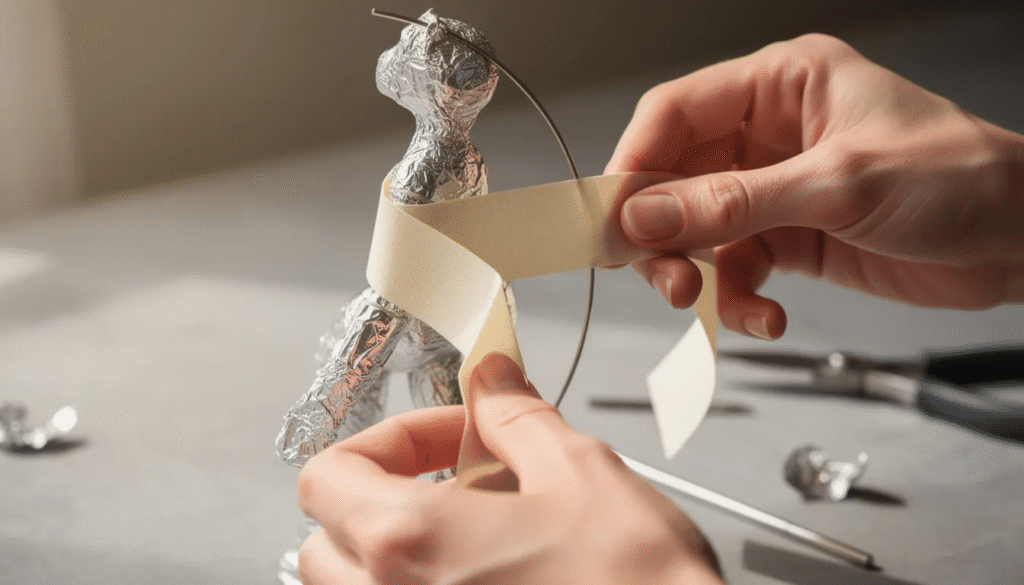
Foil and tape add the volume your paper mache needs to grip. Bare wire doesn’t give the paste-soaked paper strips much to hold onto, so this step is essential.
Bulking out forms with aluminum foil:
- Crumple foil into loose balls for the torso, thighs, and head
- Press foil firmly onto wire to avoid hollow pockets that can collapse later
- Use multiple small pieces instead of one large wad—this makes shaping easier and creates more stable forms
Securing foil with masking tape:
- Wrap tape around joints and over foil to lock everything in place
- Leave a slightly rough surface texture so the paper strips or clay will adhere well
- Focus tape on areas where wire meets foil to prevent shifting
Creating a stable base:
For pieces that need to stand:
- Attach the feet or bottom to a wooden base using screws or stapled wire
- For small pieces, bend the bottom of the legs into flat “feet” and tape or screw them to plywood
- This keeps the sculpture stable during the time-consuming process of layering paper
Safety details to remember:
Bury all sharp wire ends inside the foil and tape. Exposed wire tips can poke through paper layers and cut you while working—or anyone who handles the finished piece later. Take a bit of extra time to turn cut ends inward or wrap them thoroughly.
Applying Paper Mache Over Wire Armatures
This section covers both traditional paper strips and thicker paper mache clay, depending on what kind of finish you want to achieve.
Basic paste-and-strips method:
- Use newsprint or plain packing paper torn into strips (1–2 inch widths work well)
- Dip strips in paste—flour-water mix or PVA glue-water both work great
- Wipe off excess paste and apply in alternating directions
- Build 3–5 layers minimum for small figures
- Use 8–10 layers for larger armatures that need extra strength
Using paper mache clay or pulp:
- Apply a thin initial layer to lock everything to the foil covered base
- Add more clay to model muscles, facial features, and textures like fur or cloth folds
- Clay gives you more control over fine details than strips alone
Drying guidance:
- Let each major layer dry 24–48 hours in a well-ventilated room at about 20–22°C
- Avoid speeding up drying with high heat—this can warp foil or crack the surface
- Patience here pays off with a stronger final sculpture
Keep at least a few millimeters of paper between the outside air and any steel wire to reduce rust risk. Aluminum wire is safer when only 2–3 layers are used.
Safety, Durability, and Long-Term Care
Planning for safety and durability happens before the first layer of paper goes on. A few precautions make the difference between a sculpture that lasts decades and one that falls apart.
Safety practices:
- Always turn wire cut ends inward or wrap them with tape—no sharp points should remain near the surface
- Wear gloves when cutting or working with galvanized or steel wire
- Use pliers rather than bare hands for tight bends to avoid cuts and finger strain
Preventing rust and structural failure:
- Prefer aluminum for pieces you hope will last many years, especially in damp climates
- If using steel or chicken wire, seal thoroughly with multiple layers of paper and an acrylic primer after drying
- Paint and varnish create an additional moisture barrier
Storage and display tips:
- Keep finished sculptures away from direct rain, outdoor humidity, and unheated sheds
- For works made after 2020, modern acrylic varnish or polyurethane provides excellent long-term protection
- Check older pieces annually for signs of cracking or soft spots
Experimenting with hybrid armatures:
Don’t be afraid to combine wire with other materials:
- Cardboard can form flat panels and geometric shapes
- Plastic bottles create hollow body sections
- Crumpled newspaper adds bulk where foil would be expensive
These combinations let you create unique paper mache sculptures while still relying on a solid wire framework as the author of your piece’s structural integrity, opening the door to creative uses of paper mache for art and craft projects that go far beyond simple school sculptures. .
Thanks for reading this guide to wire armatures. Lots of people find that their first proper armature transforms their paper mache work entirely. Feel free to share your projects in the comments or drop links to your own tutorials—there are great resources on YouTube and craft site forums where you can find even more tips.
Love making things with your hands? Start with a simple figure to test your skills, then scale up to bigger projects. With the right armature, your sculptures can last for years and become pieces you’re genuinely proud to display, and sites like Simply Paper Crafts can provide ongoing inspiration and tutorials as you experiment. .