Choosing the right type of scrapbook can feel overwhelming when you’re staring at shelves full of options or scrolling through endless online listings. This guide is for beginners and experienced scrapbookers alike who want to understand the different types of scrapbook albums available. Choosing the right type ensures your memories are preserved in a way that fits your creative style and project needs. This guide breaks down everything you need to know about types of scrapbook so you can confidently select the best format for your photos, journaling, and memorabilia. Scrapbooking has evolved into a diverse hobby with styles ranging from highly structured and traditional to artistic and digital.
A scrapbook album is essentially a bound book or album designed to hold decorated pages, photographs, and keepsakes. What makes different types of scrapbook unique comes down to three main factors: binding style (how pages are held together), format, and size. This article covers the primary binding styles—post bound, three ring, strap hinge, book bound, and alternative bindings—followed by common scrapbook sizes from large 12×12 albums down to mini formats. By the end, you’ll have the knowledge to decide which combination works best for your creative process and scrapbooking needs.
Main Types of Scrapbook Bindings
Scrapbooks can be categorized by their creation method, either physical or digital, and by specific formats or styles.
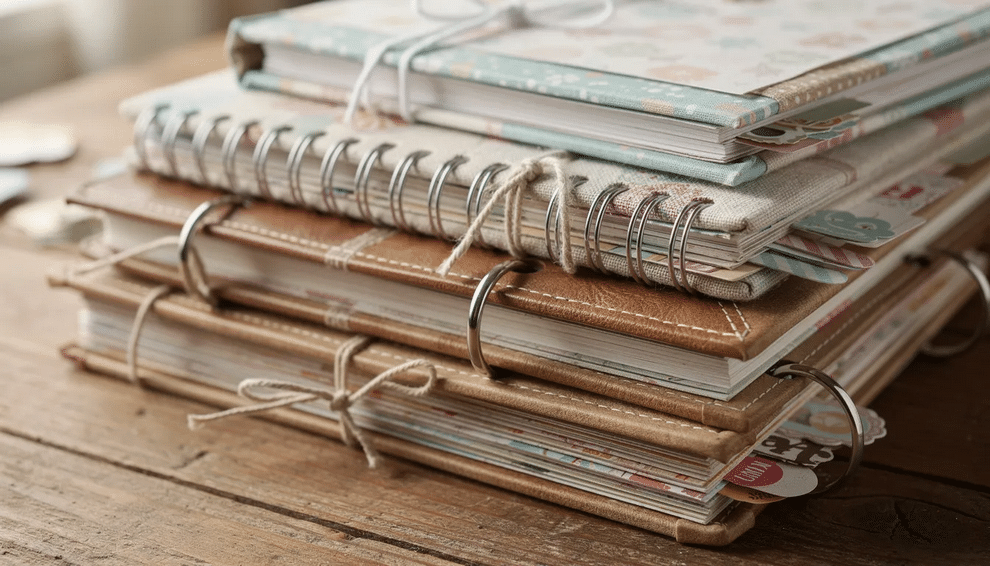
Binding refers to how your scrapbook album is constructed and how scrapbook pages are attached to the spine. The five primary scrapbook bindings you’ll encounter are post bound, three ring, strap hinge, book bound, and spiral or alternative bindings.
The binding you choose affects several important factors:
- Flexibility: Can you add more pages or rearrange layouts easily?
- Page positioning: Do pages lie flat when the album is open?
- Embellishment capacity: Will bulky dimensional elements fit without damaging the album?
Many modern scrapbooks use plastic page protectors regardless of binding style, which helps preserve memories and protect your work from dust, fingerprints, and environmental damage, especially when paired with high-quality craft paper supplies chosen for durability and finish.
Other Types and Styles of Scrapbooking
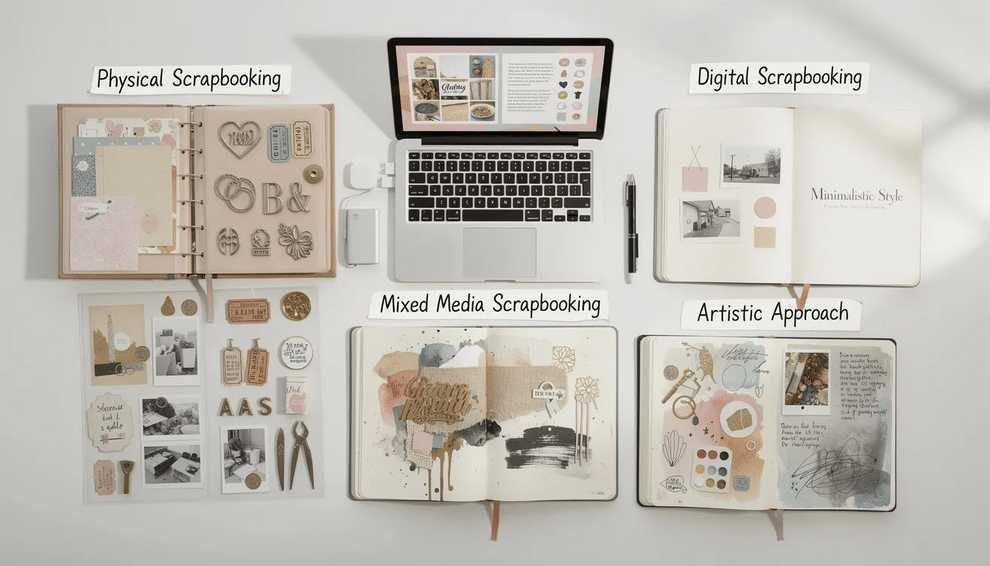
Beyond binding and size, scrapbooking encompasses a wide range of types and styles to suit every creative preference:
- Physical Scrapbooking: Involves the use of tangible items such as stickers, specialty papers, and embellishments, emphasizing keepsakes and archival quality.
- Digital Scrapbooking: Utilizes software to design pages, which can be printed as completed books or stored digitally. This approach offers ease of editing and a clutter-free experience.
- Mixed Media Scrapbooking: Combines digitally designed elements with traditional physical pages, allowing for unique textures and layered effects.
- Art Journaling: Blends scrapbooking with expressive art, using a mix of illustrations, paint, and words to capture feelings and personal stories.
- Artistic Approach: Incorporates various mediums like paint, watercolor, and drawing, focusing more on emotional expression than structural arrangement.
- Minimalistic Style: Emphasizes clean lines, ample white space, and minimal embellishments for a non-cluttered, modern look.
- Nostalgic Style: Uses muted colors and elements that evoke a worn or antique look, often contributing to a feminine or vintage aesthetic.
- Simplified/Pocket Scrapbooking: Developed for speed and simplicity, this style uses pre-designed pocket pages (like Project Life) for quick organization of memories.
- Traveler’s Notebook: A compact, portable notebook used to document journeys, perfect for on-the-go memory keeping.
- Mini Albums: Focus on single events or themes and can be completed quickly, often being handheld and ideal for gifts or special occasions.
Post-Bound Scrapbooks
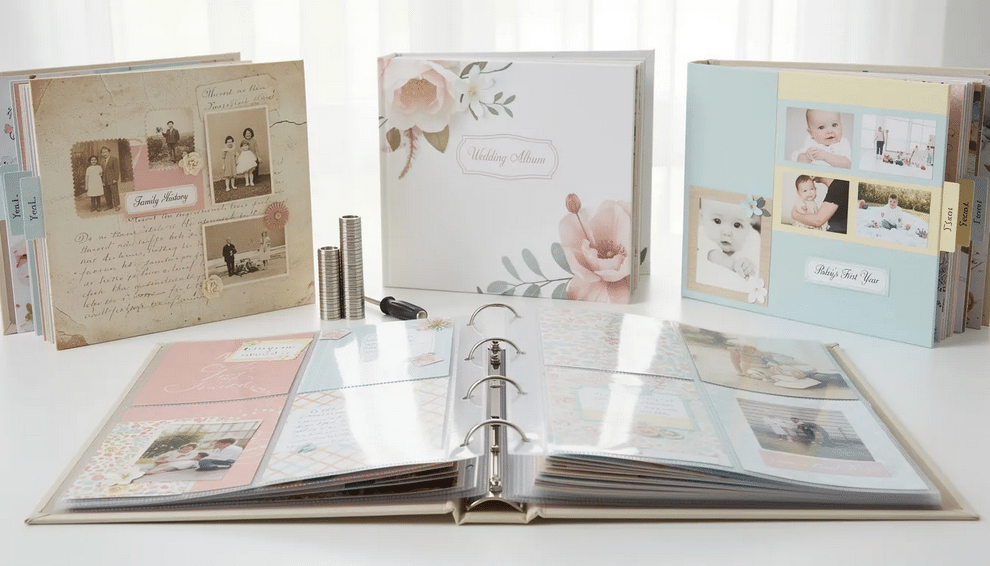
Post bound scrapbooks use metal posts and machine screws along the spine to hold pages together. Each page protector typically slides onto the posts, with the screw heads securing everything in place at the top. Most protectors hold two layouts back-to-back—meaning you get two pages per protector, creating double-sided spreads.
One of the biggest advantages of a post bound scrapbook is expandability. When your album fills up, you can unscrew the posts, add extension posts, and continue adding more pages. This makes post bound albums a popular choice for ongoing projects like:
- Long-term family history albums
- Wedding scrapbooks that grow with anniversary updates
- Baby’s first year albums where special pages get added over time
- Milestone albums spanning multiple years
Post bound albums also show two-page spreads with minimal gap between pages, giving you a more continuous visual flow across layouts. The posts hold pages snugly together, creating a polished, professional look.
However, there are some drawbacks to consider. Rearranging pages requires unscrewing and re-threading, which is slower than simply unclipping rings. Very thick embellishments can stress the posts and cause alignment issues. If you anticipate frequently shuffling layouts, a post bound album might feel cumbersome.
That said, if you’re creating albums where pages are added over time but not constantly rearranged, a favorite post bound format offers excellent durability and a sleek appearance that many scrapbookers love.
Three-Ring Scrapbooks
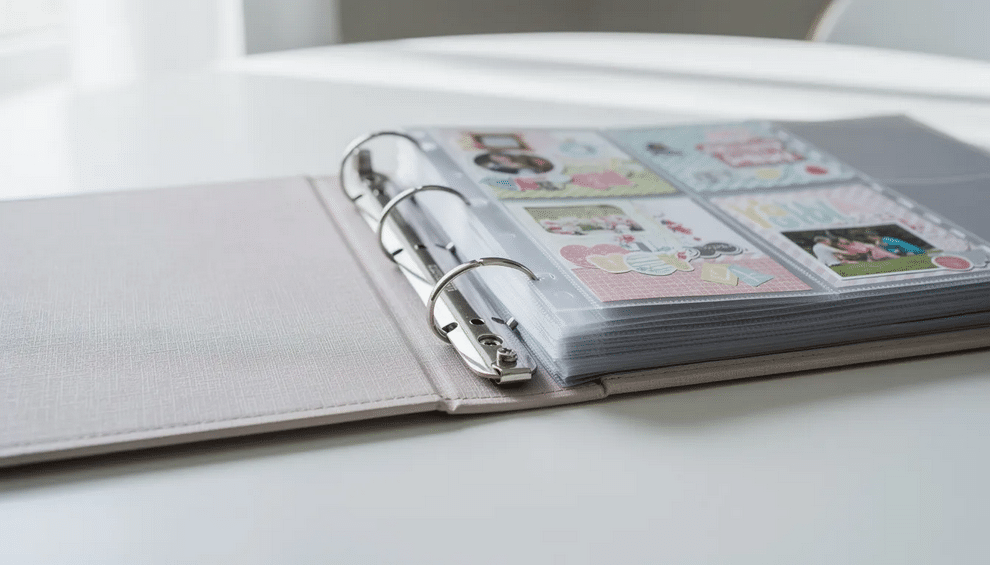
Three ring scrapbooks use metal rings—often D-rings—mounted to the spine, similar to standard office binders. Pages slip into pre-punched page protectors, which then clip directly onto the rings.
Main advantages of three ring albums:
- Pages can be added, removed, or rearranged quickly without tools
- Universal 3-hole punched protectors are widely available at craft stores
- D-ring designs allow pages to lie flatter and reduce stress on holes
- Easy to find in multiple scrapbook sizes
- Budget-friendly entry point for beginners
D-ring albums tend to perform better than round-ring versions because the flat edge keeps pages aligned and prevents them from catching when you flip through. Many experts recommend three ring albums as the ideal starting point for anyone new to scrapbooking.
Potential downsides include:
- Overfilled albums can get heavy and awkward to handle
- Misaligned rings may cause pages to snag
- A more visible “gutter” appears between two-page spreads when the album is open
- Rings can bend or warp if overstuffed
This style works exceptionally well for beginners, ongoing yearly family albums, school-year books, or themed projects that grow over multiple years. The flexibility to grab any page and move it makes three ring albums perfect for evolving stories where you might want to reorganize as inspiration strikes.
Strap-Hinge Scrapbooks
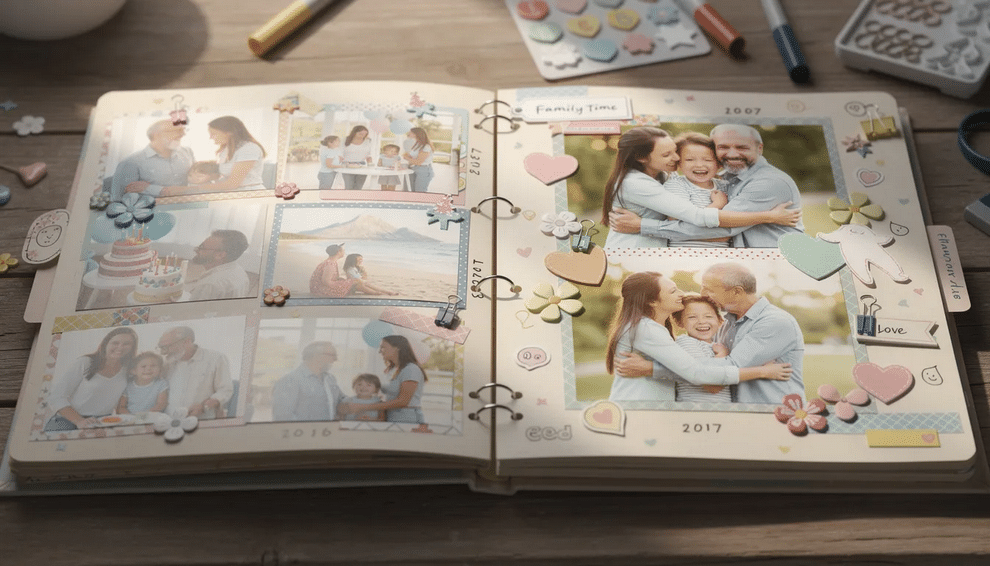
Strap hinge albums feature a unique binding system where pages are stapled or notched at the edges, and thin plastic straps (sometimes nylon) thread through those staples to form the binding. The album pages themselves are actual cardstock sheets, with separate clear sleeves sliding over them as protectors.
Adding or removing pages from a strap hinge album requires opening the back or spine, loosening the plastic straps, and re-threading them—making page shuffling more involved than with ring or post systems.
Strap hinge albums were extremely popular in the late 20th century but became harder to find as post bound and three ring options dominated the market. Recently, some brands have reintroduced them for scrapbookers who appreciate the nostalgic, heirloom quality. Availability can still be limited in some stores, so you may need to search specialty retailers.
Strengths of strap hinge binding:
- Pages turn like a traditional book
- Spreads often lie reasonably flat
- Creates a continuous visual flow across layouts
- Sturdy construction with a classic feel
This binding style shines for heirloom albums, milestone celebrations (50th anniversaries, retirement books), or any project where pages rarely need rearranging after initial creation. If you’re creating a finished piece meant to be preserved and displayed rather than constantly updated, strap hinge offers a timeless aesthetic.
Book-Bound Scrapbooks
Book bound scrapbooks feature sewn or glued spines, similar to hardcover coffee-table books or yearbooks. The pages are permanently attached to the spine, which means you cannot normally add new pages, and removed pages usually cannot be reinserted.
Some book bound scrapbook designs include perforated or tear-out pages, allowing you to lighten the book if it becomes too full or if you make a mistake on a layout.
Feature | Book Bound | Post Bound | Three Ring |
|---|---|---|---|
Add pages | No | Yes | Yes |
Rearrange pages | No | Slow | Easy |
Pages lie flat | Usually | Mostly | Varies |
Durability | Very high | High | Moderate |
Professional look | Classic | Sleek | Casual |
Key advantages: |
- Extremely sturdy construction
- Classic, elegant appearance
- Pages turn smoothly like a traditional book
- No visible rings or posts
Limitations:
- No flexibility to expand the album later
- Bulky embellishments can cause the cover to splay open
- Mistakes are harder to correct
Book bound albums work best for travel journals, guest books for events, art journaling, or one-off project albums where the page count is known in advance. If you’re creating a themed album about a single trip or event with a defined beginning and end, this binding delivers a polished, finished look.
Other and Alternative Scrapbook Types
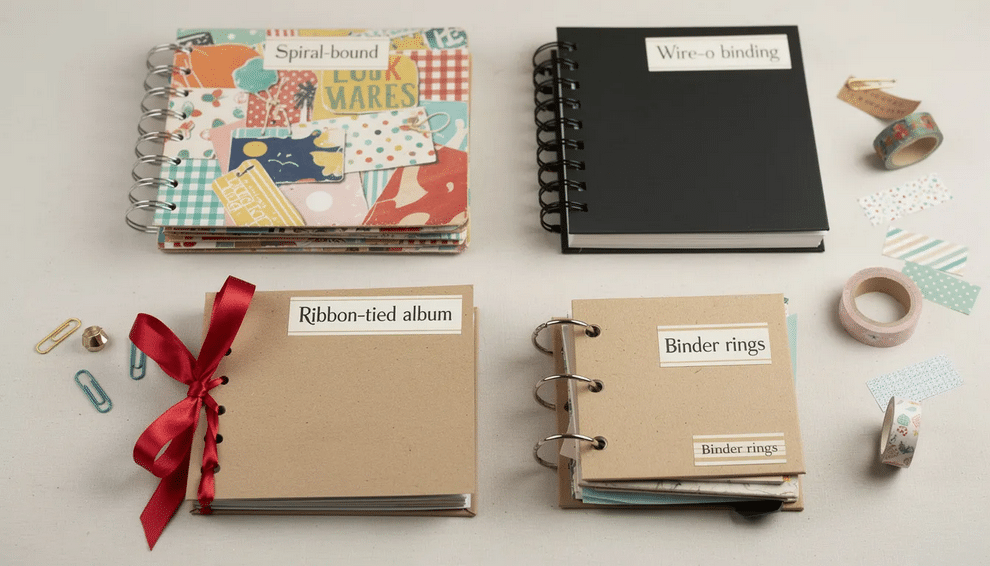
Beyond the main binding styles, several alternative constructions offer unique creative possibilities:
Spiral-bound
- Spiral-bound: Metal or plastic coils allow pages to turn 360 degrees and lie completely flat. Ideal for art journaling or children’s projects, though pages are typically permanent once bound.
Wire-o binding
- Wire-o binding: Similar to spiral but with a comb-style wire, popular for professional presentations and clean aesthetics.
Ribbon-tied albums
- Ribbon-tied albums: Highly decorative with ribbon threaded through punched holes. Perfect for December Daily albums, one-event gifts, or themed mini books for friends.
Binder rings
- Binder rings: Loose rings clipped through punched holes offer quick assembly for simple projects.
Handmade constructions
- Handmade constructions: Built from chipboard covers, envelopes, paper bags, or recycled book covers. These accommodate very bulky items like ticket stubs, postcards, and dimensional embellishments.
Alternative types appeal to crafters who want maximum creative control over size, shape, and opening direction (top flip, side flip, accordion fold, etc.). They’re often inexpensive to create and allow you to match the album structure perfectly to your materials and theme, especially if you experiment with handmade paper sheets for creative projects to customize texture and weight.
Common Scrapbook Sizes
Scrapbook sizes determine how many photos and how much journaling can fit on each page. Sizes are typically given in inches, with the most common modern scrapbook pages being square—especially 12×12 and 8×8 inches.
Choosing a standard size makes your life significantly easier because you’ll find compatible page protectors, decorative papers and other types of craft paper, and storage boxes without hunting through specialty suppliers. The following sections outline the main popular sizes used by scrapbookers and when each works best.
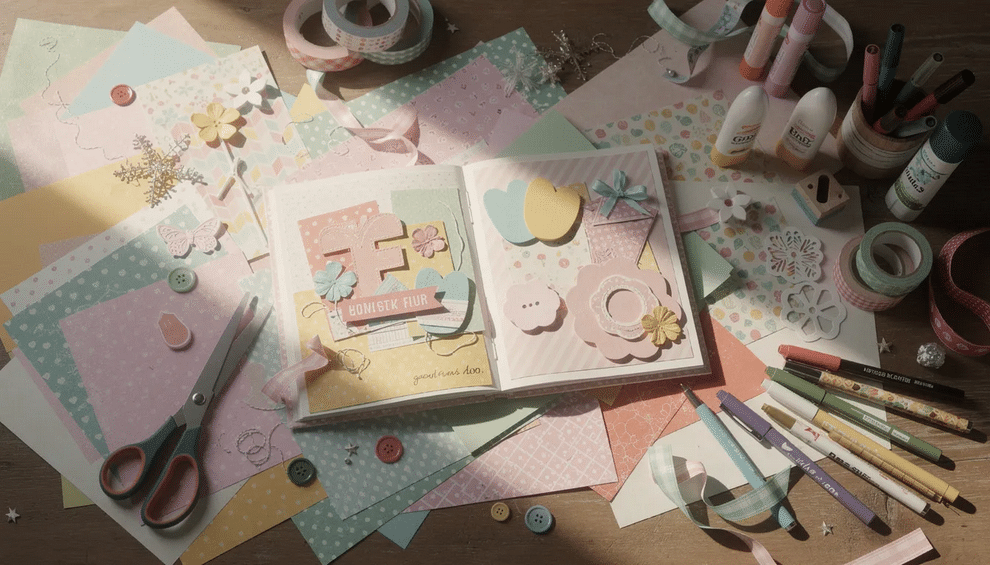
12-by-12 Inch Scrapbooks
The 12×12 format is the most popular size for traditional scrapbooking and enjoys the widest support from paper and album manufacturers. When you walk into any craft store, the majority of patterned papers, cardstock packs, and embellishments are designed with this size in mind.
What fits on a 12×12 layout:
- Several standard 4×6 prints comfortably
- Substantial journaling blocks
- Multiple decorative elements like stickers, die cuts, and ribbon
- A two-page spread can feature 8–12 photos or more
Because most decorative papers sell in 12×12 format, you’ll minimize waste when working at this size. You can create elaborate, detailed layouts that tell complete stories with pictures, text, and memorabilia all in one spread.
Best uses for 12×12 albums:
- Comprehensive family history projects
- Yearly albums covering all seasons and events
- Baby books from birth through early years
- Wedding albums with ceremony, reception, and honeymoon coverage
- Vacation books with many photographs
One important consideration: full 12×12 albums can become heavy, especially post bound albums with 50+ layouts. You’ll need sturdy shelves or dedicated storage boxes to keep them safe for future generations.
8½-by-11 Inch Scrapbooks
The 8½×11 size matches standard letter-size paper in the United States, making cardstock and printer paper extremely easy to source. If you have a home printer, this format opens up possibilities for printing photos, journaling, and digital designs directly onto your pages.
This size generally holds fewer photos per page than 12×12, but the albums are lighter, more portable, and fit on typical bookshelves without special accommodations. Some albums use landscape orientation (11×8½), which works beautifully for horizontal photographs and panoramic layouts.
Benefits of 8½×11 albums:
- Budget-friendly paper and supplies
- Easy home printing integration
- Lighter weight than 12×12
- Fits standard bookshelf dimensions
- Available in most three ring and post bound styles
This format suits school albums documenting each grade, simple family chronicles, office or team scrapbooks, and printed digital scrapbook layouts. If you’re comparing the two most common sizes, 8½×11 feels more manageable for everyday projects while 12×12 shines for showcase pieces.
8-by-8 and 6-by-6 Inch Scrapbooks
The 8×8 and 6×6 inch formats are popular compact square sizes, often sold as themed or pre-decorated albums. These smaller albums fill up quickly, which makes them ideal for focused projects:
- A single trip or vacation
- A birthday celebration
- Baby’s first month
- A specific holiday season
- December Daily countdown albums
Smaller pages typically spotlight one or two photos per page, plus a title and a few embellishments. This naturally encourages clean, focused design rather than overwhelming layouts. Many scrapbookers find these sizes less intimidating—you can often complete an entire 6×6 album in a weekend.
The 6×6 paper pads widely used in cardmaking translate perfectly into matching mini scrapbook layouts, giving you coordinated style across cards and albums for the same event, and they’re especially fun if you enjoy vintage paper craft ideas like incorporating old book pages, tickets, or music sheets.
Mini and Specialty Scrapbook Sizes
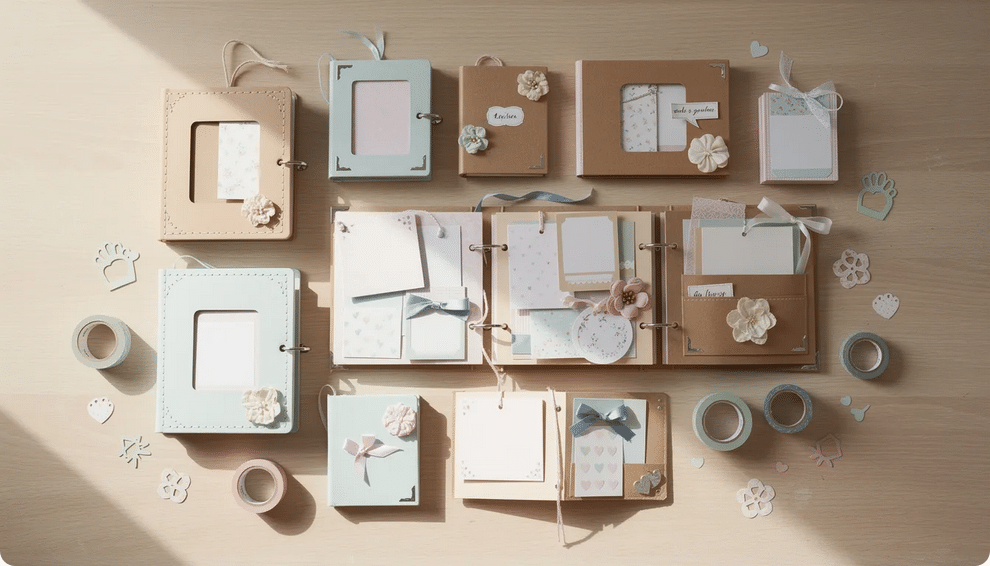
Mini albums
Mini albums encompass any scrapbook significantly smaller than 6×6—think 4×4 inch albums, tag books, or books built from envelopes or journaling cards. The 4×4 format became especially popular alongside square-format smartphone and social media images, which print perfectly at small sizes.
Specialty sizes
Specialty sizes include:
- Narrow, tall “bookmark” or travel journal styles
- Chipboard flip albums
- Pocket-page systems with divided protectors (3×4 and 4×6 pockets)
- Project Life and similar documented life systems
- Traveler’s Notebooks with swappable inserts
Creative uses
Mini albums make fantastic gifts focused on a single person, trip, or theme:
- A friend’s birthday with photos from your adventures together
- A weekend getaway captured in a pocket-sized collection
- A December countdown album
- A grandparent’s brag book featuring grandchildren
While supplies may be more niche, these smaller albums are excellent for using up leftover papers, small prints, and bits of memorabilia like ticket stubs and receipts. The creative possibilities are endless when you’re not constrained by standard dimensions.
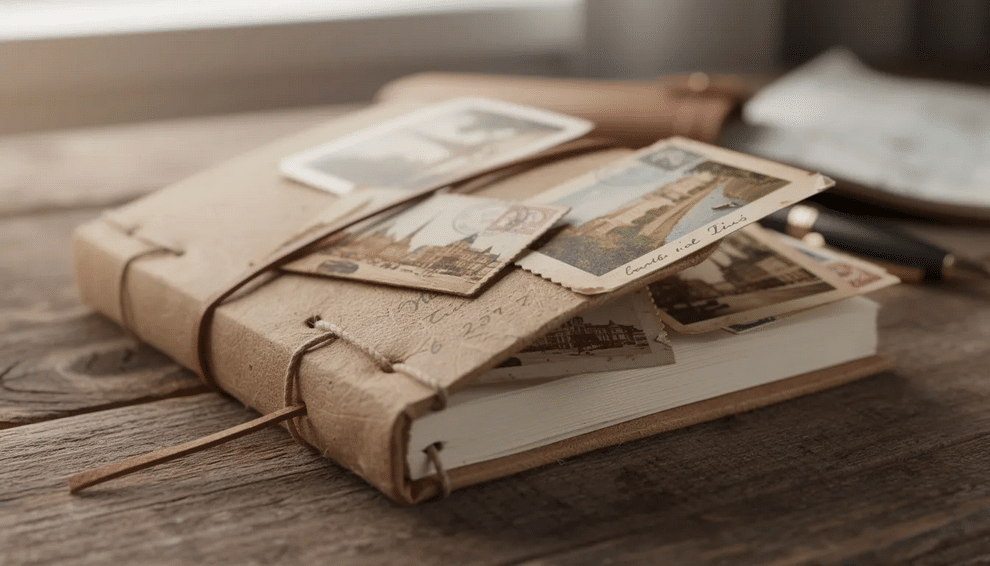
Choosing the Right Type of Scrapbook for Your Project
The best scrapbook type depends on how many photos you have, how often you’ll update the album, and how you like to work. Rather than getting paralyzed by options, follow a simple decision path:
Step 1: Choose your binding style
If you want… | Choose… |
|---|---|
Maximum flexibility to add and rearrange | Three ring albums |
Sleek, expandable design | Post bound albums |
Fixed, classic book feel | Book bound scrapbook |
Compact with minimal spine gap | Strap hinge |
Flat-lying pages for art journaling | Spiral-bound |
Step 2: Choose your size based on project scope |
- Large projects with many photos: 12×12 for room to spread out
- Moderate projects or limited storage: 8½×11 or 8×8
- Quick projects or gifts: 6×6 or mini formats
- On-the-go documentation: Traveler’s Notebooks or pocket systems
Practical examples:
- Long-term yearly family albums work well in 12×12 three ring format
- A single vacation might fit perfectly into an 8×8 post bound album
- A gift for grandparents might be a 6×6 mini book with favorite photos
- A December Daily project could use a 6×8 pocket system or bound album
Remember, there’s no single “correct” type. Different projects can—and often should—use different combinations of binding and size. Your wedding album doesn’t need to match your travel journal, and your baby book doesn’t need to match your recipe collection.
Start with what’s easiest to find locally or online. The most widely available options are 12×12 or 8½×11 in three ring or post bound styles. Once you’ve completed a project or two, you’ll develop preferences and can experiment with specialty formats like mini albums or different styles of binding, drawing inspiration from broader paper crafting tutorials and project ideas.
Experimenting with different scrapbook types is part of the creative process. You might discover that you love pocket scrapbooking for quick documentation but prefer traditional 12×12 layouts for special occasions. That’s perfectly normal—and part of what makes this hobby so fun and rewarding.
Conclusion
Scrapbook types primarily refer to binding style—post bound, three ring, strap hinge, book bound, and alternative constructions—combined with album size ranging from large 12×12 formats down to specialty mini albums. Understanding these basics helps you confidently choose an album that matches your project’s scope, style, and future expansion needs.
Don’t wait for the “perfect” option to appear before starting. Pick one scrapbook type that appeals to you, gather your photos and supplies, and begin creating. Your skills and preferences will evolve with practice, and you’ll discover new ideas and techniques along the way.
Whether you’re building a comprehensive 12×12 family history album for future generations or crafting a tiny mini-book dedicated to a single birthday party, the most important thing is enjoying the process of preserving memories and telling stories that matter to you.