Finding a good tool to cut paper is the difference between a fun crafting experience or a frustrating evening of trying to get the job done. Whether you’re snipping card stock or slicing through thin films, having a reliable cutter can save you a world of hassle and keep you sane. I’ve tried my fair share of options and I’m here to share what works for getting clean, precise cuts without all the fuss. I’ve found that the right pair of scissors can make a surprising difference in both comfort and accuracy, especially when working on detailed projects.
- The Importance of the Right Cutting Tool
- Common Types of Paper Cutting Tools
- Features to Look for in a Paper Cutter
- The Role of Self-Healing Cutting Mats
- Tips for Cutting Paper Like a Pro
- Cutting Different Materials
- Cut Paper Applications
- Taking Care of Your Cutting Tools
- Manual or Electric Cutters?
- Where to Find Good Cutting Tools
- Safety First
- Troubleshooting Common Issues
- Final Thoughts
The Importance of the Right Cutting Tool
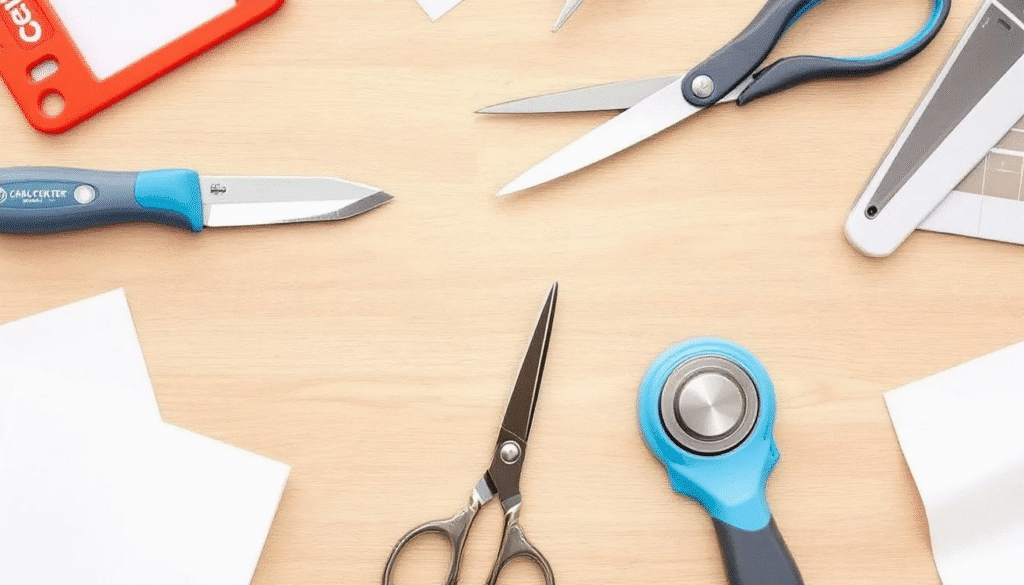
Cutting paper may seem like a no-brainer, but if you want to end up with neat edges and accurate shapes, you’re going to need the right tool. Different paper cutting tools use various methods of operation, and choosing the right method is key to achieving clean results. Using the wrong cutter can leave you with a mess of jagged lines, wasted materials, and even the occasional accident – not to mention the speed and enjoyment of your crafting experience will be going out the window.
Common Types of Paper Cutting Tools
Let’s have a look at some of the most popular options you’re likely to come across for cutting paper. While many paper cutting tools are simple hand tools, there are also specialized machines designed for industrial or high-volume cutting tasks.
Scissors
The classic go-to, scissors are easy to grab and use – and they work pretty well for small jobs or quick snips. Scissors are the most popular paper-cutting instrument found in homes and offices, making them a staple for everyday tasks. But when it comes to straight lines or detailed cuts, they can be a bit of a pain. Cutting thick card stock with scissors is a real effort and will likely wear out the blades in no time.
Paper Trimmers
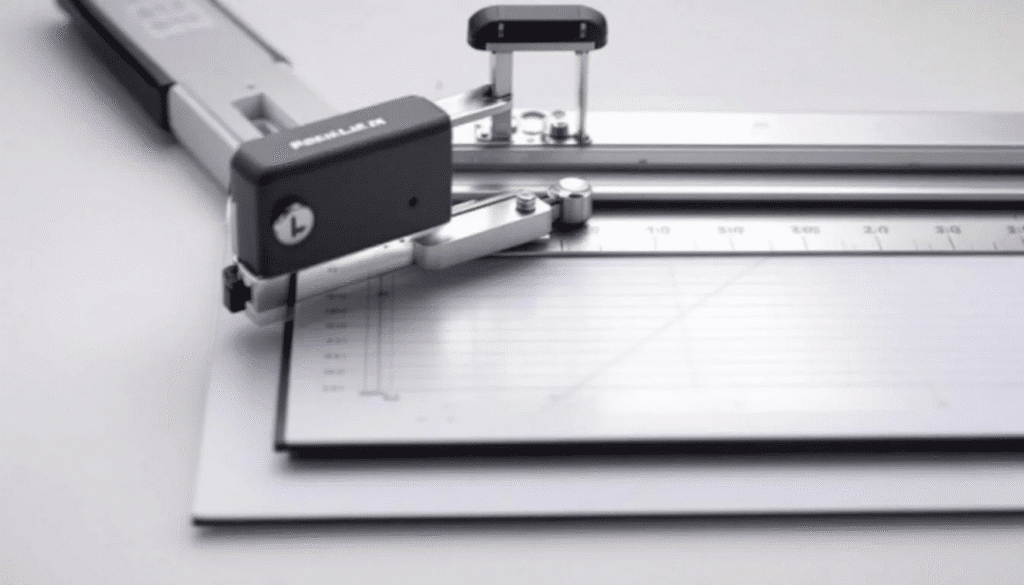
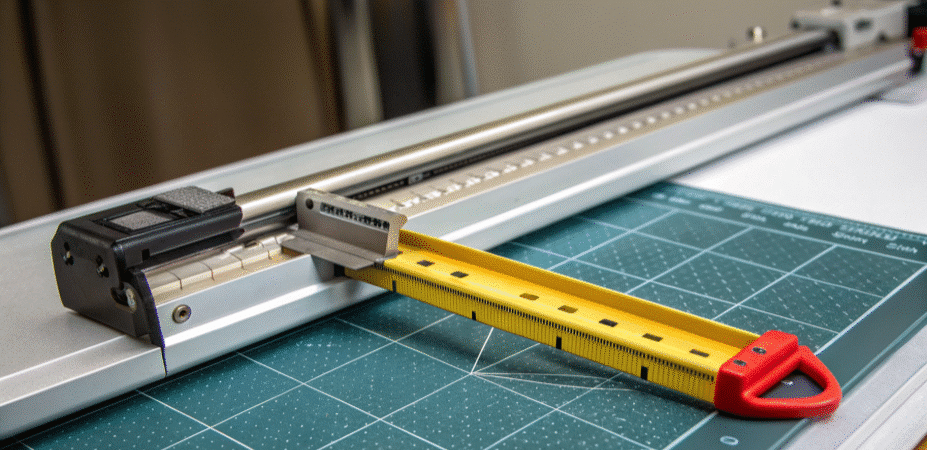
These tools have a sliding blade on a base with measurement guides – and they’re a real game-changer for straight cuts. Paper trimmers are designed to help you achieve a precise cutting line, which is especially important for professional-looking results. Paper trimmers can cut approximately 5-10 sheets of paper at a time, making them great for small batch projects. They are perfect if you need to make precise cuts for photos, invitations or scrapbook pages.
Rotary Cutters
Rotary cutters have a round blade that spins as you cut – and they’re great for cutting curves and intricate shapes. Rotary cutters feature a circular, rolling blade that glides along a ruler and are best for making long, straight cuts. A lot of crafters swear by them for working with fabric, but they work just as well on paper and thin films too – just don’t forget to get a self-healing cutting mat to protect your surfaces.
Craft Knives
These have a sharp, replaceable blade that lets you cut detailed shapes and corners with ease – but they do require a bit of a steady hand and a cutting mat. X-Acto knives, which have pen-like handles with sharp, replaceable blades, are particularly well-suited for precision work and intricate cuts. For complex designs, they’re a great option though.
Guillotines
These are heavy-duty cutters with a lever arm and a big blade that can chop through stacks of paper in no time. Guillotines typically feature a sturdy metal blade and clamp to ensure clean, consistent cuts through large stacks of paper. However, rotary trimmers are safer than guillotine cutters due to their enclosed blade design, making them suitable for schools. Guillotines are pretty common in offices and print shops but can be a bit too bulky for home use.
Features to Look for in a Paper Cutter
So, what should you be looking for when picking a tool to cut paper? Here are a few things to keep in mind:
- Sharp Blade: A dull blade is a recipe for disaster – look for cutters with replaceable or sharpenable blades.
- Stable Base: A solid base keeps the paper steady and helps you get straight cuts.
- Safety: Features like blade guards or locks can help prevent accidents – especially if you have kids around.
- Comfort: An ergonomic grip can go a long way in reducing hand fatigue during longer projects.
- Measurement Guides: Built-in rulers or grids can help you get more accurate cuts.
- Additional Functions: Some paper cutters offer extra functions such as scoring, perforating, or cutting different shapes, which can be especially useful for specific projects or in professional environments where more complex functions are required.
The Role of Self-Healing Cutting Mats
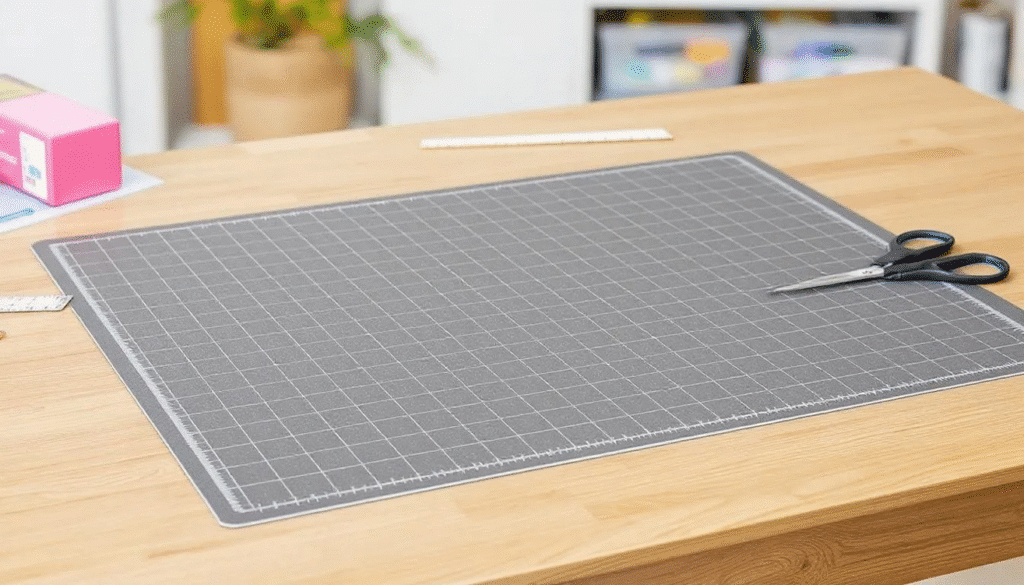
Using a self-healing cutting mat is a total game-changer. These mats protect your work surface and keep your blades sharper for longer – they even just sort of “heal” small cuts so you can get on with your next cut. They come in all sorts of sizes, so grab one that fits your workspace and projects.
Tips for Cutting Paper Like a Pro
Here are a few simple tricks I’ve picked up to get clean cuts every time:
- Use a ruler or straight edge as a guide for straight cuts.
- Don’t rush – take your time and you’ll get neater lines.
- Change your blades regularly to avoid tearing the paper.
- For curves, try a rotary cutter or craft knife for better control.
- Keep your cutting mat clean and flat for the best results.
- Double-check the size of your paper before cutting to ensure it matches the requirements of your project.
Cutting Different Materials
Paper comes in all sorts of forms and materials, and some projects involve more than just plain old sheets. Here’s a quick look at some common materials and the best tools for each:
- Card Stock: Use a paper trimmer or guillotine for straight cuts; craft knives for details.
- Thin Films and Vinyl: Rotary cutters are your best bet, especially with a cutting mat, as they can make precise cuts without damaging the underlying film or material.
- Leather and Fabric: Rotary cutters or specialized craft knives are the way to go.
- Tape and Adhesive Sheets: Scissors or craft knives can handle these – but be careful not to dull your blades.
Cut Paper Applications
Cutting paper isn’t just for arts and crafts—getting precise cuts is dead important in loads of different places, from busy offices to creative studios and everything in between. In professional settings, paper trimmers and guillotines are the go-to cutting tools for quickly slicing through massive stacks of paper, card stock, or even thin films without breaking a sweat. These tools are designed for getting the job done fast and spot-on, making them perfect for jobs that need consistent, clean edges on every single sheet.
For crafters and hobbyists, you’re looking at a much broader range of materials – art paper, specialty stock, and even delicate films that need a gentle touch. Here’s where manual cutting tools like scissors, rotary cutters, and craft knives really shine, letting you create intricate designs and custom shapes that are just right. Using a self healing cutting mat is absolutely cracking advice, as it not only protects your table but also helps keep your blades sharp as anything and ensures you’ve got a safe, slip-free cutting experience every time.
Whether you’re working with photographic paper for a professional portfolio, knocking up some custom labels, or designing a bit of decoupage art, having the right cutting tool makes all the difference in the world. Tools like the OLFA Liner Cutting Tool or the Gyro-Cut Craft Cutting Tool are specifically designed to help you get precise cuts with minimal fuss, letting you focus on your creative vision without getting bogged down. No matter what type of material you’re tackling or how detailed your work needs to be, having access to the right cutters and mats ensures your results look polished and professional every single time.
At the end of the day, the best tool for the job depends on what material you’re cutting and just how precise you need to be. Investing in quality cutting tools and self healing cutting mats will help you easily slice through all sorts of materials, from thick card stock to delicate art paper, and get the results you’re after—whether you’re working on a massive office project or a small, detailed craft that needs a gentle touch.
Taking Care of Your Cutting Tools
The thing with cutters is they do need a bit of TLC to keep them working well for longer:
- Clean your blades after use to remove any residue.
- Store your tools in a dry place to prevent rust.
- Swap out your blades when they get dull.
- Give your tools a once-over to check for loose parts and tighten if needed.
Manual or Electric Cutters?
Manual cutters give you full control and are usually more affordable – they work great for most home projects. Electric cutters can speed things up for repetitive tasks and handle thicker materials but come with a higher price tag and a bit of a learning curve.
Where to Find Good Cutting Tools
You can find quality cutters at craft stores, office supply shops and online – reading reviews really helps spot reliable brands and models. Be sure to check the availability of the cutting tools you are interested in, as stock status can vary between stores and online retailers. Some brands even offer replacement blades and accessories, which can be a handy thing to have for long-term use.
Safety First
Always handle cutting tools with care – keep those blades away from kids and pets, and wear protective gear like gloves if you’re working with tougher materials. Some craft tool blades are specifically designed to avoid cutting the skin during normal use, providing an extra layer of safety. And never force a cut – the blade’s got this.
Troubleshooting Common Issues
Even the best cutting tools can have a bit of a wobble from time to time. If you notice your paper cutter isn’t giving you those lovely clean, straight lines, or if your blades seem to be tearing rather than slicing through like a dream, its time for a quick troubleshooting session to get things sorted.
One of the most common culprits is dull blades – proper nightmare that one is. When your cutting tools start to struggle and put up a fight, swap out the blades or give them a good sharpen to get that edge back where it should be. Misaligned cutting edges can also cause a right mess of things – double-check that your paper trimmer or guillotine is sitting properly adjusted, and realign the blade if you need to so you can get back to making those spot-on precise cuts.
Improper use is another frequent troublemaker that crops up. Make sure you’re using the right tool for whatever material you’ve got on hand, and always cut on a stable, self healing cutting mat to stop any slips and dodgy uneven results. If your tools are getting a bit sticky or not moving as smooth as they should, a quick clean can sort out any built-up gunk from adhesives or paper dust that’s been hanging about.
By keeping an eye on your cutting tools regular-like and tackling these common issues head-on, you’ll keep your blades nice and sharp, your cuts bang on precise, and your projects looking absolutely brilliant. A bit of maintenance and attention to detail goes a long way in making sure your tools are always ready to tackle whatever job comes next.
Final Thoughts
When it comes to choosing a paper cutter, the tools you choose really come down to what you’re actually working on – and just how often you find yourself making things. Need to knock out quick cuts or get precise on some intricate designs? There’s a paper cutter product out there that’ll fit right in with your workflow & preferences. Crafting brands like Cricut and Silhouette provide machines that connect to a computer for cutting complex designs, offering a high-tech solution for detailed projects. Selecting the right product with the features you need can make a significant difference in your crafting experience. Many users would recommend a high-quality paper cutting product to friends or fellow crafters based on its performance and features. And with a bit of practice & the right tools, cutting paper becomes second nature and something you actually look forward to doing.
Happy crafting!