

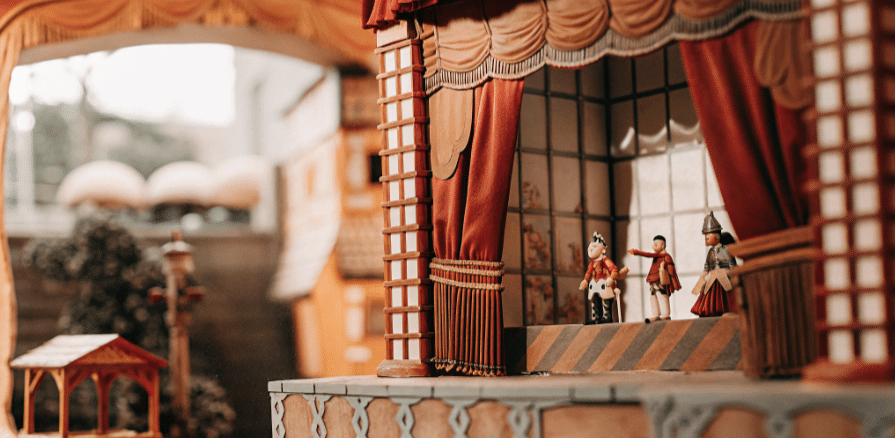
Puppet theatre is a pretty special kind of show where the puppeteers bring their puppets to life on stage. It’s a fun way to tell stories using all sorts of different kinds of puppets like marionettes, rod puppets, shadow puppets, and the little hand puppets you see on peoples hands. Whether you’re a kid or an adult watching a puppet show can feel like walking into a magical world that you never want to leave. Puppetry has been around for thousands of years, with traditions dating back as early as the 5th century BC. In fact, evidence shows that puppetry might have originated as long ago as 3000 years BCE. Puppet theatre traditions can be found in nearly every country, each with its own unique style and history. Puppet theatre often plays a significant role in national culture and is celebrated at national festivals. Throughout history, puppet theatre has both reflected and influenced society, serving as a mirror of cultural values and social change.
- What Makes Puppet Theatre Really Special?
- Different Types of Puppets You'll See
- Shadow Puppetry: Stories in Silhouette
- What Actually Happens at a Puppet Show?
- Famous Puppet Theatres and Museums
- Puppet Theatre Companies and What They Do
- Keeping Puppetry Traditions Alive
- Learning and Community in Puppetry
- How Puppet Theatre Inspires Everyone
What Makes Puppet Theatre Really Special?
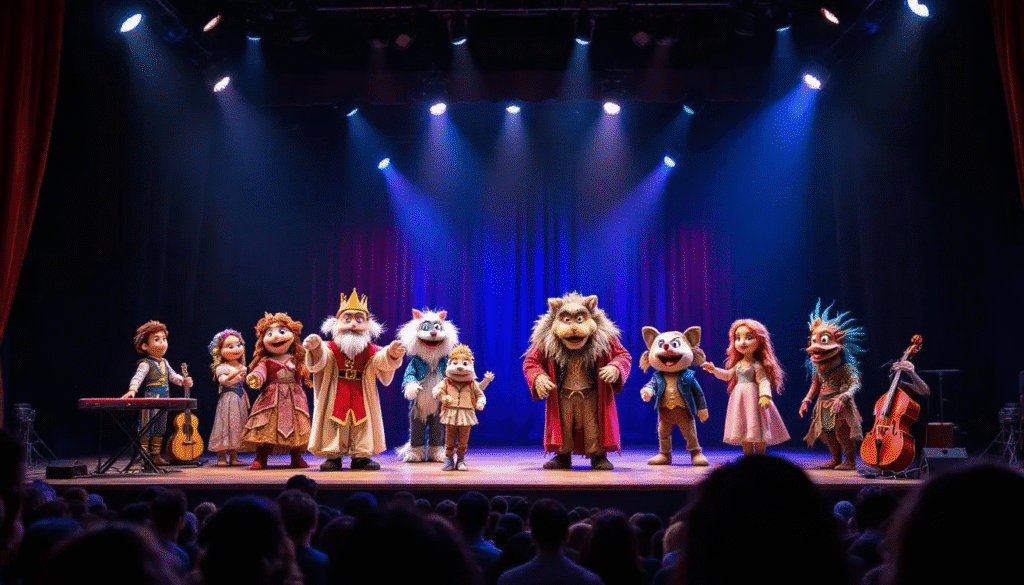
To me puppet theatre is so great because of how it combines storytelling, art, and movement all into one. The puppeteers use all sorts of things like their hands, strings, or sticks to make the puppets move and look like they are alive. The lively motion and energy of puppet performances captivate audiences, making each show feel dynamic and engaging. These guys can be anything from fairy tale heroes, funny animals, or even mythical creatures. The shows usually have music, songs, and live sound effects that make it all just that much more fun.
Some unique features of puppet theatre productions include movable curtains, spacious stages, a variety of puppet characters and costumes, and even multimedia elements that enhance the overall experience.
Different Types of Puppets You’ll See
There are loads of different kinds of puppets and each one has its own feel to it
- Marionettes are the ones controlled by strings from above and they can move in some really detailed ways like walking or dancing. Marionette puppetry has a rich tradition, especially in countries like the Czech Republic and Slovakia, where it holds significant cultural importance. Marionettes can be quite complex, featuring intricate controls and allowing for highly detailed movements.
- Rod puppets have sticks attached to their limbs which gives the puppeteer control over arms and legs.
- Hand puppets are the ones that fit over the puppeteers hand and can be quite simple but still full of personality.
- Shadow puppets use light and flat figures to create shapes on a screen, like a silhouette, telling stories in shadows.
- Mouth puppets and masks add some real expression and character to the performances.
Each puppet type brings its own unique something to the stage and a really skilled puppeteer can make the characters move with real emotion and charm.
Shadow Puppetry: Stories in Silhouette
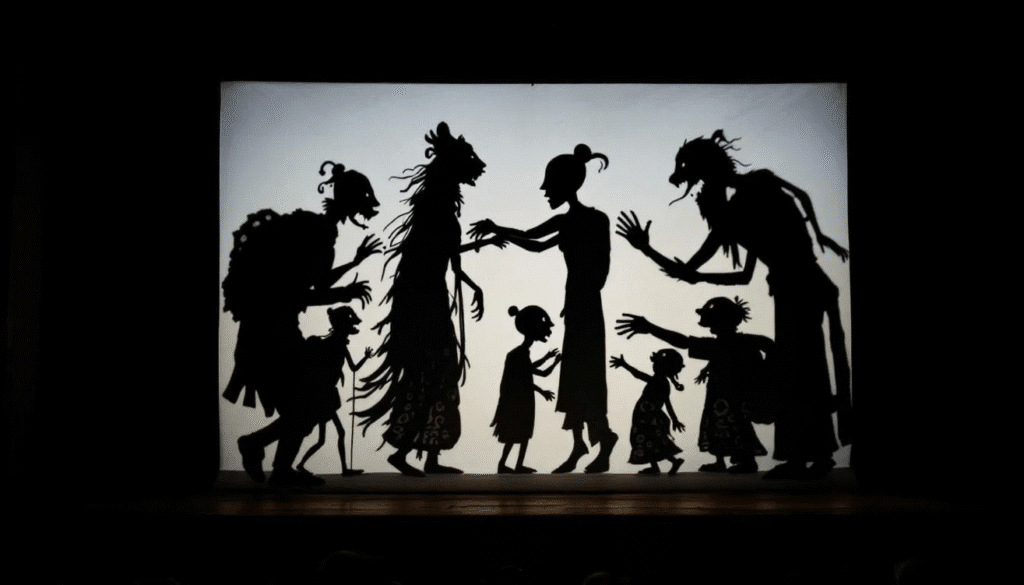
Shadow puppetry is one of the most brilliant bits of puppet theater you’ll ever come across, and its absolutely cracking at keeping audiences glued to their seats with its mix of light, shadow, and storytelling. This dead ancient art form, which has played a massive role in modern puppet history, uses flat shadow puppets—often knocked up from sturdy materials like leather or paper—to cast proper dramatic silhouettes onto a screen. With just a light source and a bit of imagination, puppeteers can create entire worlds that dance and shift right before your eyes. Chinese shadow theatre, known as pi-yung xi, dates back 3000 years and was performed for all social classes during the Song dynasty.
What makes shadow puppetry so special is the way it brings stories to life using nothing but outlines and movement. Puppeteers skillfully get their hands on hand puppets, rod puppets, or even marionettes behind a lit screen, making the characters move about, interact, and show loads of emotion. The result is a proper mesmerizing performance where fairy tales, myths, and original stories unfold in a brilliant play of light and shadow. More often than not, these shows come with live music, sound effects, or narration, adding another layer of magic to the whole experience.
Shadow puppetry has got dead deep roots in countries like China, India, and Indonesia, where its been used for centuries to share traditional stories and teach important lessons. Today, this art form keeps on thriving in puppet theaters all around the world, including places like the Puppet Showplace in Boston and the Detroit Institute of Arts. These institutions regularly put on shadow puppet performances, run workshops, and offer classes, helping new generations discover the absolute wonder of puppetry arts.
Behind every cracking shadow puppet show is an artistic director who brings the whole vision together. From designing the puppets and writing scripts to directing the puppeteers, the artistic director makes sure each performance is engaging, educational, and full of life. Their creativity and leadership are dead important for making each show a proper memorable experience for the audience.
Shadow puppetry isn’t just about entertainment—its also a brilliant tool for education and personal growth. Watching or having a go at a shadow puppet show can spark imagination, develop storytelling skills, and introduce kids to different cultures and histories. For loads of people, creating and performing with shadow puppets is a great way to express emotions and explore new ideas in a safe, creative space.
Crafting shadow puppets is an art in itself, no doubt about it. Artists have got to design and build puppets that are both beautiful and tough as nails, able to withstand the demands of repeated performances. The whole process of creating these puppets, and then bringing them to life on stage, requires patience, skill, and a proper deep love for the art form.
Whether you’re watching a classic fairy tale unfold in silhouette or having a go at a hands-on workshop, shadow puppetry offers a brilliant window into the world of puppetry arts. Its a testament to the power of imagination and the enduring appeal of stories told through light, shadow, and the skilled hands of puppeteers. As part of the rich tapestry of puppet theater, shadow puppetry keeps on inspiring, educating, and delighting audiences of all ages.
What Actually Happens at a Puppet Show?
When you go to a puppet theatre you’ll usually find a cozy room or a special stage set up just for the show. Puppet shows are performed by skilled puppeteers for audiences of all ages. The puppeteers work behind or above the stage, sometimes dressed all in black to stay “invisible” so the focus stays on the puppets. The stories are presented in a variety of formats, from classic fairy tales to original works, or even educational stories for kids.
They usually have loads of different scenes which keeps things interesting. Sometimes two puppeteers will work together on one puppet, making it move more naturally. The audience might hear live music or singing which brings the whole story to life. It’s a great way to enjoy a story with a twist.
Puppet theatres often have a diverse repertoire, including both traditional favorites and new productions, showcasing the range and creativity of their performances.
Famous Puppet Theatres and Museums

There are some really well known puppet theatres and places where you can learn more about the art of puppetry:
- The Centre for Puppetry Arts in the city of Atlanta puts on shows, offers workshops and has a real museum full of puppets from all around the world. The museum also features paintings and literature related to puppetry.
- The Puppetry Arts Institute in the city of Independence has a puppet museum, puppet shows and classes for all ages.
- The Detroit Institute of Arts in the city of Detroit has a rotating puppet exhibit and they host puppet shows regularly, alongside a collection that includes paintings and literature about puppetry.
- The Puppet Showplace is a really lively theatre in the city of Brookline, near Boston, with loads of different puppet performances and educational programs. While not in New York, many similar institutions in New York City (York) are renowned for their contributions to the puppet arts.
- The Puppet Showplace Theatre is New England’s first and only year-round theatre devoted entirely to the art of puppetry.
These places help keep puppetry going and give puppeteers a chance to share their craft with new audiences. More information about these institutions and their events can be found on their official web pages. These museums and theatres often have dedicated pages for ticketing, news, and event information.
Puppet Theatre Companies and What They Do
There are loads of puppet theatre companies that put on shows for kids and adults alike. For example, the Puppet Co. Playhouse, established in 1983, was created to bring innovative puppet arts to the community. They use hand puppets, rod puppets, marionettes and shadow puppets to tell stories that really spark the imagination, and regularly receive support from grants and residencies for the creation of new puppet shows. Their performances often take place at fairs and festivals, helping to keep the tradition of puppet arts alive.
The StoneLion Puppet Theatre, established in 1992, tours with puppet shows that mix culture, fun and education all into one. They are known for the creation of original works and receive support from various organizations to develop new productions. Their shows are frequently featured at fairs, contributing to the growth and appreciation of puppet arts. StoneLion Puppet Theatre is based out of Kansas City, Missouri.
Some companies focus on using puppetry to explore social themes. The Spiral Q Puppet Theatre, created in 1995, uses puppets in parades, fairs, and community events to bring people together. Puppeteers like Liz Joyce and Michael Sommers are known for their creative direction, support for emerging artists, and taking the art form forward in really interesting ways, further enriching the field of puppet arts. Some historians believe puppets predate actors in theatre and were used in ancient Egyptian religious dramas.
Keeping Puppetry Traditions Alive
Puppetry has a really long history and lots of groups work hard to make sure that heritage doesn’t get lost. Museums and collections of puppets protect old puppets and documents and artists teach new generations how to make and perform with puppets. Puppet theatre groups often work with schools to teach puppetry and keep traditions alive, ensuring that young people learn about this unique art form through educational outreach. This helps the art form stay fresh and relevant.
Organisations like the Puppetry Arts Institute and the Detroit Institute of Arts play a big role in making sure that happens. They offer workshops, exhibits and events that celebrate puppetry’s past and future.
Learning and Community in Puppetry
One of the best things about puppetry is the community that surrounds it. Loads of theatres and companies offer classes and workshops where people can learn puppet making and performing. The Puppet Showplace and Center for Puppetry Arts are great places for that.
Puppeteers often mentor students sharing their skills and passion with them. It’s a really friendly and creative space where everyone from people just starting out to pros can grow. Group performances, puppet festivals and school visits help spread the joy of puppetry to all ages.
How Puppet Theatre Inspires Everyone
Watching a puppet show can really spark imagination and creativity. It’s a chance to see stories come to life in a way that’s totally different from movies or plays. Puppets can express emotions, humor and drama in a totally unique way that really connects with audiences. For kids puppet shows are a great first step into the world of theatre & storytelling. They’re a chance for adults to experience art & culture with a playful twist too. Getting to watch live music, bright & zany puppet characters, & clever storytelling all come together to make for a super fun & memorable show.
If you find yourself curious about puppet theatre – theres loads to get stuck into. You can check out local shows, visit a puppet museum or get crafty and try making your own puppet – really , anyone can give it a go. & you never know – you might just get properly hooked on the magic of puppetry just like i have
Whether its old fashioned marionettes or shadows on a screen putting on a play, puppet theatre has a way of bringing stories to life in a way that feels both timeless & full of unexpected surprises. Its a nice reminder that sometimes the most magical moments on stage come from the simplest of things – like a puppet & a skilled puppeteer doing their thing.