Paper mosaic art step by step is one of the easiest ways to get the look of tile art without glass cutters, mortar, or expensive supplies. In this post, you’ll plan a picture, cut paper “tiles,” start gluing, manage grout lines, and seal the final product so it lasts.
Key Takeaways
- A paper mosaic uses small paper pieces to mimic ceramic, stone, or glass mosaic art.
- You can create tiles from construction paper, cardstock, magazines, scrap paper, or your own paper designs.
- Kids and adults can make a beautiful mosaic with scissors, glue, a pencil, and patience.
- Thin gaps of about 1mm create the illusion of grout without real grout.
- The FAQ covers warping, tile spacing, sealing, timing, and mixed-media options.
What Is Paper Mosaic Art?
A paper mosaic is a craft where you cut or tear colored paper into tiny tiles, then arrange them on a background while leaving thin gaps between the pieces to mimic traditional tile grout. Paper mosaic art mimics traditional stone or glass mosaics but uses accessible, lightweight materials.
Traditional mosaics have a long history, with early examples dating back thousands of years; the World History Encyclopedia notes that ancient mosaic makers used materials like stone, shell, and glass. In paper mosaic, grout is replaced by visible background color, painted “grout” areas, or drawn lines.
For example, you can turn a single piece of paper into a sunflower, animal, city skyline, or abstract picture. It is low cost, safe for a child, and easy to start with construction paper, scissors, and glue. Possible projects include bookmarks, greeting cards, frames, sealed coasters, and wall arts.
Materials and Tools You’ll Need
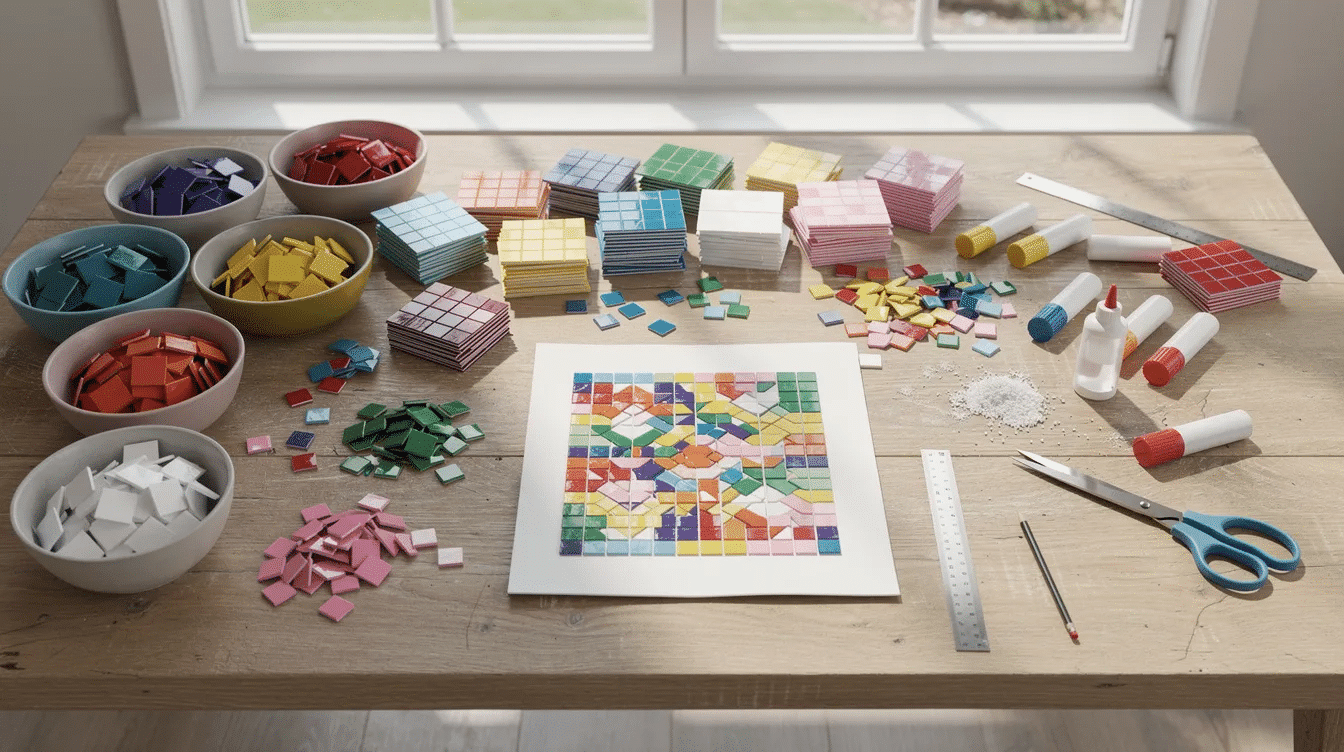
Most supplies are common craft items you may already have at home or can find in any craft store in 2026, and choosing the right craft paper supplies for creative projects makes cutting and gluing much easier.
You’ll need:
- Paper: construction paper, colored cardstock, scrapbooking paper, wrapping paper, old greeting cards, recycled magazines, old calendars, magazine pages, origami paper, and fabric accents.
- Tools: scissors, kid-safe scissors, pencil, ruler, templates, and a marker for sketching designs.
- Adhesives: glue stick for kids, white glue for stronger hold, and optional mod podge or acrylic sealer.
- Base surfaces: heavy cardstock, canvas boards, thick cardboard, watercolor paper, or wood panels primed with white paint.
- Grout substitutes: grey or off-white paint, visible background paper, or drawn lines.
- Cleanup: newspaper to cover the table, apron, paper towels, sponge, and damp cloth.
Basic tools needed for creating paper mosaics include scissors, glue, and a pencil or marker for sketching designs, all of which are staples in Simply Paper Crafts projects and tutorials.
Planning Your Paper Mosaic Design
Choose a simple subject for your first beautiful mosaic. Geometric patterns, hearts, stars, apples, lemons, simple landscapes, and butterflies are good because the shapes are clear.
On an A4 or 9×12-inch sheet, draw a light outline of your design. Pick a focal point, such as a flower, then choose a contrasting background so the image stands out. The spaces between shapes will become grout lines, so plan where the background will show through.
If you want to work from a photo, print it in black and white, simplify the major shadows, and trace only the main details onto the page. For more complex portrait work, use a grid, but keep the instructions simple: copy one square at a time.
Preparing and Cutting Your Paper “Tiles”
Cutting consistent tiles makes the mosaic neat, while different shapes add texture. To create a paper mosaic, start by cutting different colors of construction paper or card into small shapes to form tiles, then draw your chosen shape on a piece of paper and glue the tiles to the outline.
Cut construction paper into 1 cm or ¼ inch strips, then snip them into squares or rectangles. Add triangles and irregular shapes for curved edges, petals, waves, hair, or a face. Tesserae in paper mosaics can be made from construction paper, magazine pages, or origami paper.
Use different shades of one color to create depth: light blue, medium blue, and dark blue can make water look more realistic. To create a paper mosaic, you can cut paper into small shapes or tiles, which can be sorted by color for easier assembly. Cut more tiles than you think you need so you don’t have to break your flow mid-project.
Step-by-Step: Creating Your First Paper Mosaic
- Sketch the design on the base. Keep lines light and draw only the main sections: head, body, flower center, sky, or border.
- Choose the grout color. The illusion of grout in paper mosaics is created by leaving small gaps between colorful paper fragments, allowing the background color to show through. A uniform gap of about 1mm between paper pieces is essential for achieving the grouting illusion in paper mosaics. If you paint the base, let it dry fully.
- Start gluing from the outside. When making a mosaic, it is recommended to start laying your tiles from the outside and work towards the center of your shape, filling in the background with a contrasting color to make your design stand out.
- Apply glue carefully. Use a thin layer and avoid soaking the paper. You can glue directly onto the base in small areas or add glue to the back of each tile.
- Place tiles with intention. Keep the gaps even for a clean look, or let them vary for a loose, playful style. Avoid huge patches of one color unless it is intentional.
- Work in sections. This keeps the glue from drying too soon and makes the project less messy when kids help.
- Dry the work flat. After gluing the tiles down, allow the glue to dry completely before applying any finishing touches, such as an acrylic sealer to protect the mosaic and enhance its longevity.
Advanced Techniques: Shading, Grout Effects, and Texture
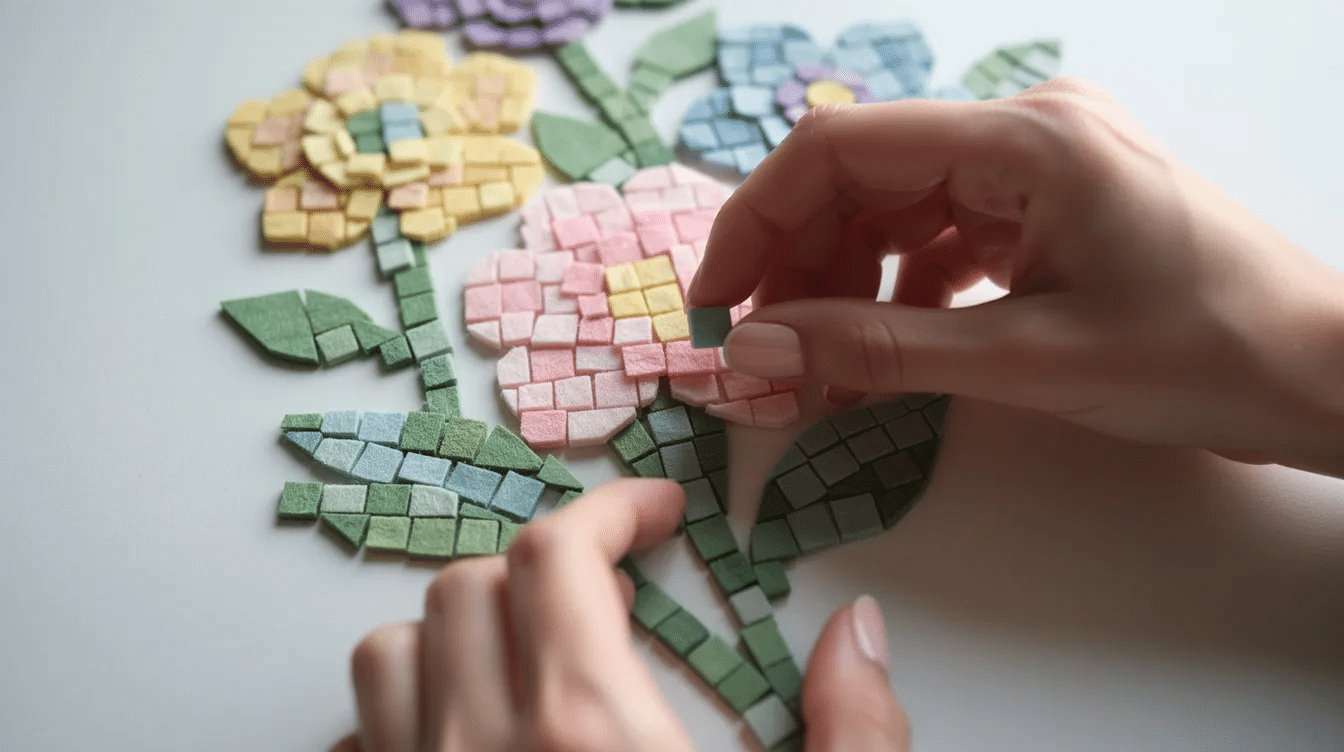
Once the basic paper mosaic art step by step process feels comfortable, add details. Put darker tiles in shadow areas and lighter tiles where light hits, such as on fruit, waves, or a person’s face, or branch into other fun paper activities for all ages that use similar shading and layering ideas.
To imitate real grout, paint the base light grey, leave tiny gaps, and wipe away any extra glue. Grouting your mosaic is similar to adding frosting to a cake, as it provides a finishing touch that enhances the overall appearance. If you ever use real grout for a mixed-media tile version, scrape it across the tiles so it fills all gaps, cracks, and crevices. After applying grout, use a sponge or cloth to wipe off the excess grout from the surface of the tiles while it is still wet to maintain their shine.
Try text from magazines, metallic paper, tissue layers, or printed patterns for texture. Mixing construction paper with glossy magazine pieces creates contrast in sheen, and incorporating vintage paper craft elements like old book pages or sheet music adds character. You can also leave deliberate excess grout areas where more background shows for a cool graphic effect.
Finishing Touches and Display Ideas
This is where a craft becomes display-ready. Check for holes and fill distracting gaps with tiny pieces while preserving planned grout lines. When the glue is tacky, place a clean sheet over the surface and press gently to flatten raised edges.
Seal the work with a thin coat of matte or gloss mod podge, or use a spray acrylic sealer. Mod Podge explains that acrylic sealers can add a protective finish for paper crafts, especially when applied in light coats. Let every coat dry completely.
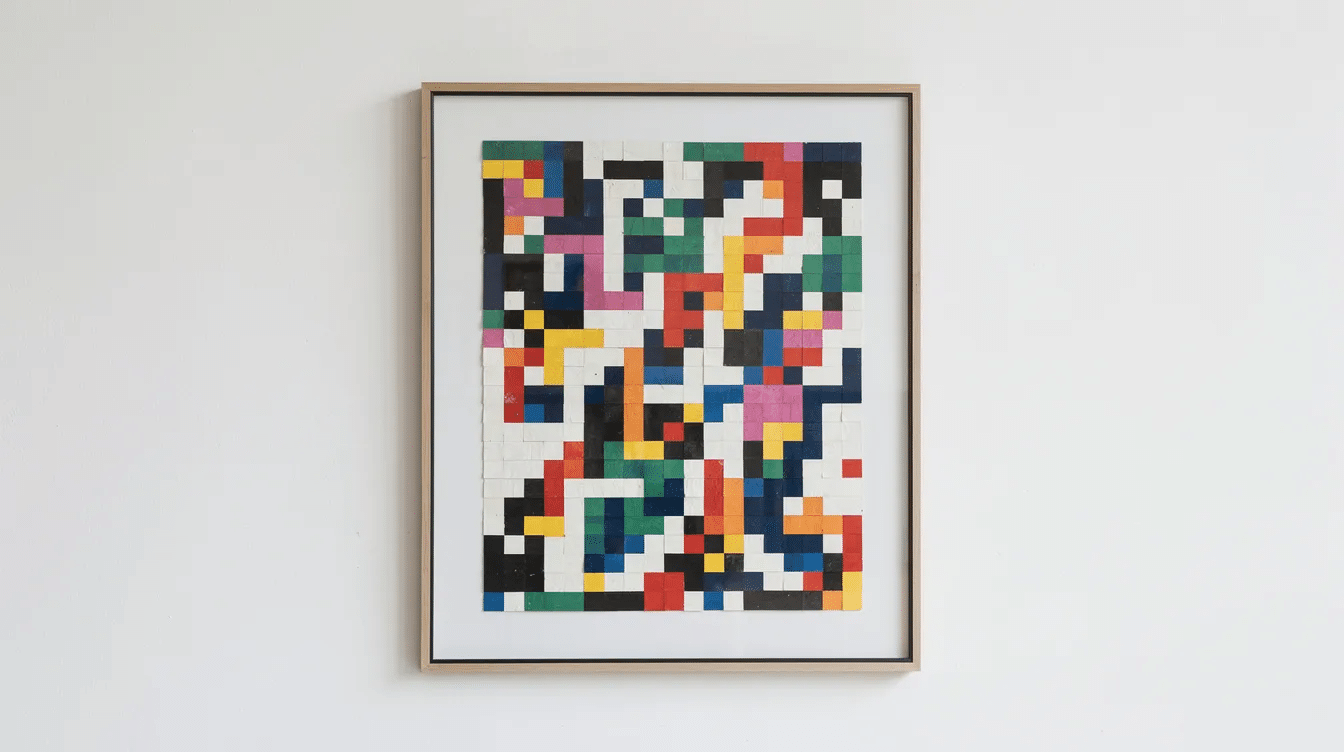
Display ideas include mounting on colored paper, framing under glass, attaching to a wooden board, making greeting cards, or creating small panels to hang. Sign and date the back, such as “May 2026,” as the final finishing touch.
Paper Mosaic Project Variations for All Ages
Once you understand the method, the possibilities spread quickly. For kids, try masks, bookmarks, initials, animals, or a simple image on construction paper. For early ages, use larger pre-cut shapes and fewer different colors.
For classrooms, each person can decorate one square, then combine every square into a collaborative mural. Adults can create mosaic-style picture frames, tray inserts, abstract wall panels, or seasonal ornaments, or combine paper mosaics with creative cardboard crafts ideas for larger eco-friendly projects.
Recycled materials make the project eco-friendly. Use travel brochures, packaging, junk mail, and outdated magazines. You can also make holiday cards, table centerpieces, or matching art sets inspired by nature, travel, or favorite videos, or explore other cute paper craft ideas for easy DIY projects with kids. The fun is in the play, but the best results come from patience.
FAQ
How do I keep my paper mosaic from warping or curling?
Use thick cardstock, watercolor paper, canvas board, or lightweight cardboard instead of thin printer paper. Apply glue sparingly and smooth it with a brush, finger, or scrap card so the paper does not get soaked. Once the tiles are mostly set, dry the piece flat under a clean book or board with a protective sheet.
Can I make a paper mosaic that looks like a real ceramic mosaic with grout?
Yes. Paint the base grey or off-white first, then leave narrow gaps between tiles. You can also sharpen grout lines with a fine-tip marker after gluing. A glossy seal can make paper tiles look more like glazed mosaic pieces.
Is paper mosaic art suitable for young children?
Yes, it is ideal for kids when you provide large pre-cut tiles, blunt scissors, and non-toxic glue sticks. Keep the outline simple and limit the shades so the project stays doable. Adults should help with small tiles and detailed cutting.
How long does a typical paper mosaic project take?
Small bookmarks or cards may take 30–45 minutes. A full-page design can take 1–3 hours over one or two sessions. Detailed portraits, landscapes, or shaded scenes may take several evenings, similar to more involved paper squishies DIY projects or layered paper crafts.
Can I add other materials besides paper to my mosaic?
Yes. Small flat items like sequins, pressed leaves, thread, or thin fabric pieces can work as accents. You can also experiment with paper mache designs and techniques for 3D add-ons or mixed-media elements. Keep most elements flat so the surface is easier to seal and frame. Test heavier embellishments on a scrap first to make sure the glue holds.
Paper mosaic art step by step is simple enough for beginners but flexible enough for serious creativity. Pick a picture, cut your tiles, follow the gaps, and create a final product you’ll be proud to hang, whether you keep it for yourself, explore paper crafts that sell well, or turn your designs into creative printable wall art and decor.