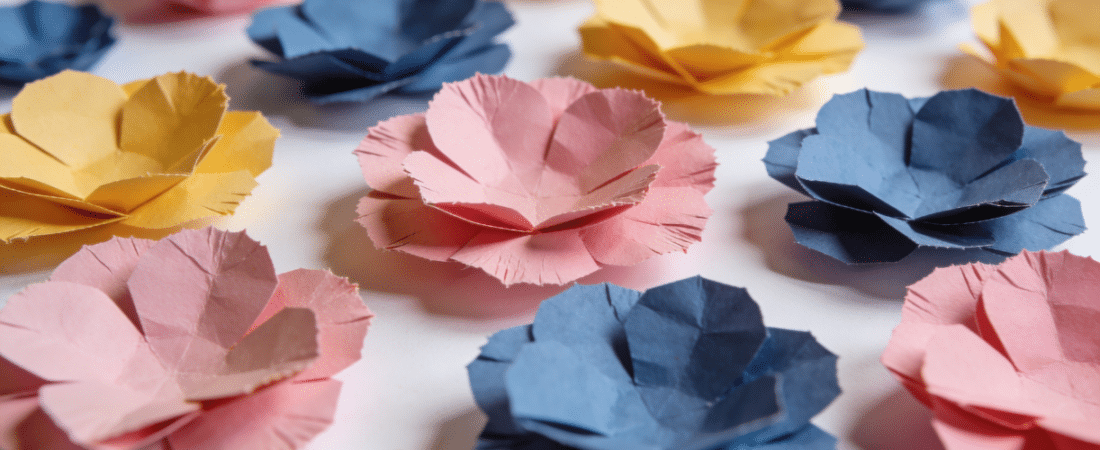
Paper flowers have taken the diy crafts world by storm, and for good reason. Whether you’re decorating a classroom, planning a wedding backdrop, or looking for a fun project to do with kids, understanding different paper flower shapes opens up thousands of creative possibilities. This guide is perfect for teachers, parents, event planners, and anyone interested in creative DIY crafts. In this post, you’ll discover the essential shapes, learn how to create them step by step, and find inspiration for using them in your home decor and special events.
Quick Answer: What Are Paper Flower Shapes?
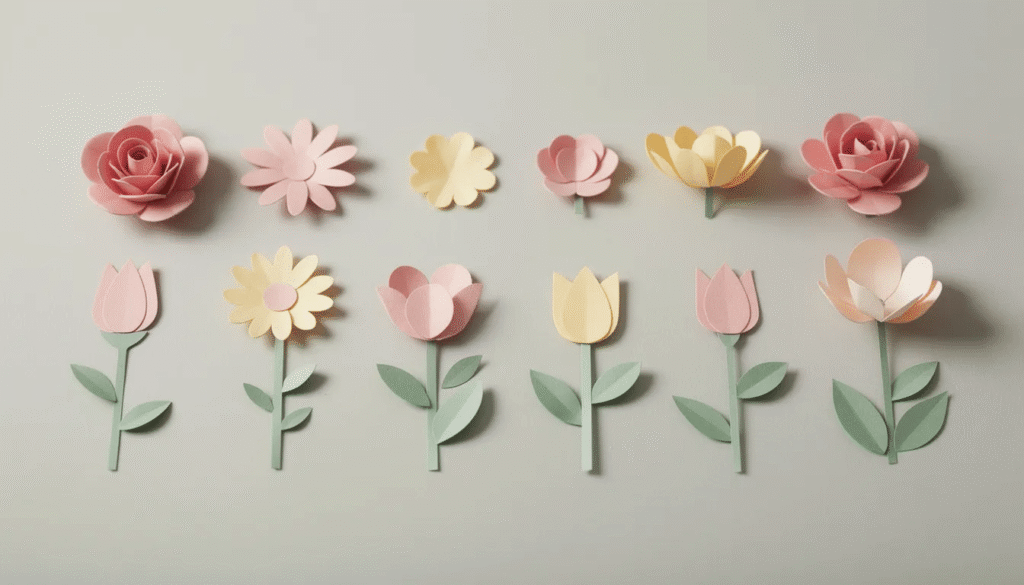
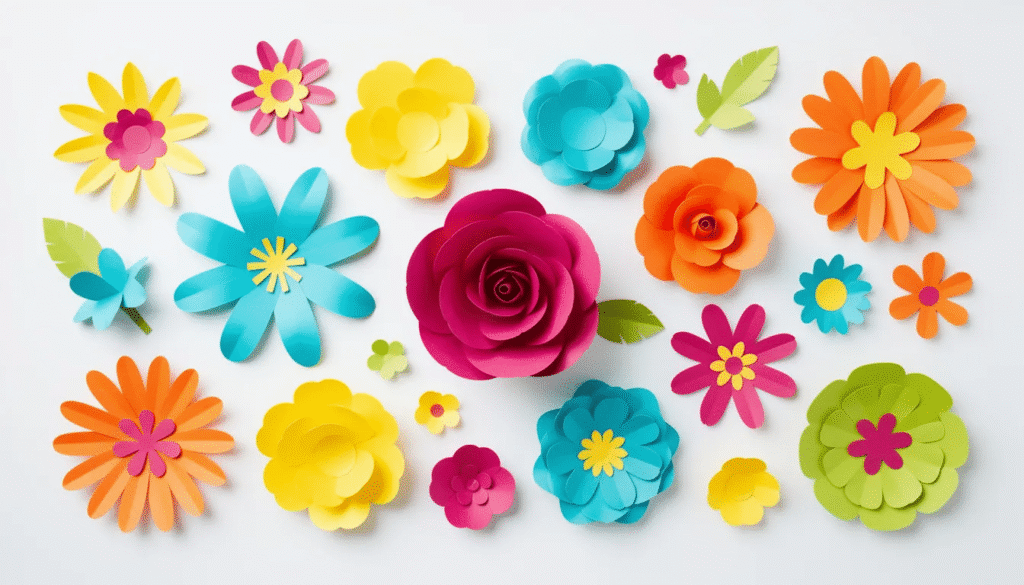
Paper flower shapes refer to the different petal, leaf, and bloom silhouettes crafters use to create paper flowers for decorations, gifts, and kids’ projects. These shapes form the foundation of every paper flower, from super easy classroom cutouts to intricate 3D masterpieces worthy of wedding centerpieces. You can create a variety of paper flowers using different shapes and techniques, such as heart shapes or balloon shapes.
Key shape types include:
- Simple 5-petal blossoms (classic “cartoon” flowers)
- Daisy and sunflower shapes with thin petals
- Layered roses with scalloped spiral cuts
- Tulip and lily shapes with pointed petals
- Rolled rosettes for dimensional blooms
- 3D honeycomb-style flowers with folded segments
- Heart-petal designs for romantic projects
You can cut these shapes freehand, trace them from templates, or use cutting machines for precision. Some crafters purchase pre-cut classroom sets with 100+ pieces in assorted colors, while others prefer to download free patterns and cut their own.
This article covers both flat cutouts perfect for bulletin boards and dimensional flowers that bring amazing depth to your space.
- Types of Paper Flower Shapes
- Flat Paper Flower Shapes for Classrooms & Kids’ Crafts
- 3D Paper Flower Shapes & Templates
- How to Create Common Paper Flower Shapes Step by Step
- Design Ideas & Uses for Different Paper Flower Shapes
- Tips, Materials & Storage for Long-Lasting Paper Flowers
- Key Takeaways
- Wrapping Up
Types of Paper Flower Shapes
Before you start any paper flower project, it helps to understand the most popular flower silhouettes available to crafters. From basic kid-friendly shapes to advanced 3D forms, each type serves a different purpose and creates a unique look.
Classic 5-Petal Flowers
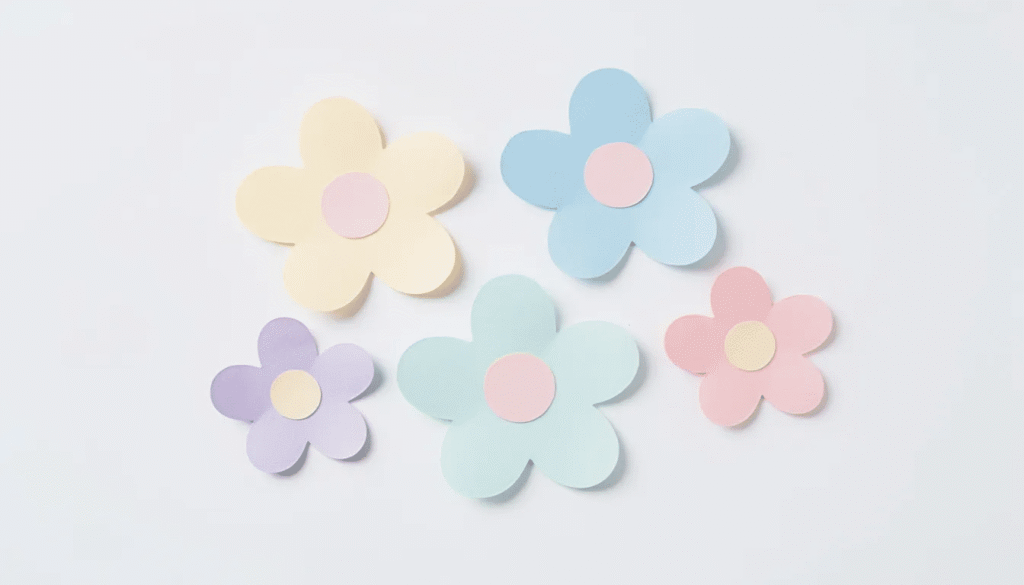
These are the quintessential “cartoon” flowers most people picture when they think of paper flowers. With simple rounded petals arranged symmetrically around a center circle, they’re perfect for:
- Preschool and elementary crafts
- Bulletin board displays
- Party banners and garlands
- Quick decorations for any occasion
The beauty of 5-petal shapes is that even kids can easily cut and assemble them with child-safe scissors.
Daisy and Sunflower Shapes
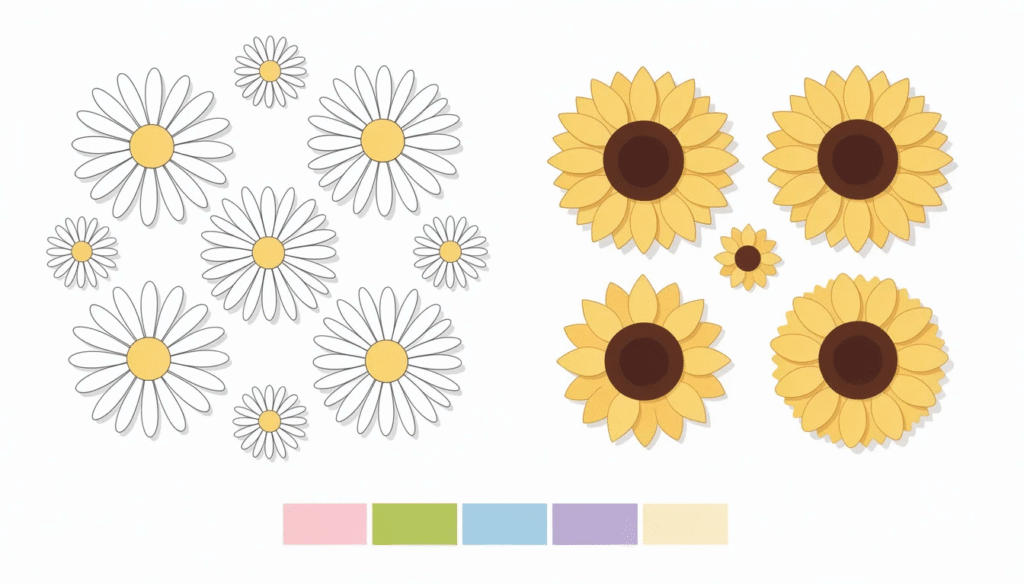
Daisies feature multiple thin petals radiating from a round center, making them ideal for spring and summer themes. These shapes typically use:
- 10-20 narrow petals per bloom
- A contrasting center disc (yellow for daisies, brown for sunflowers)
- Lightweight paper that allows petals to fan out naturally
Teachers love using these for seasonal classroom decoration projects.
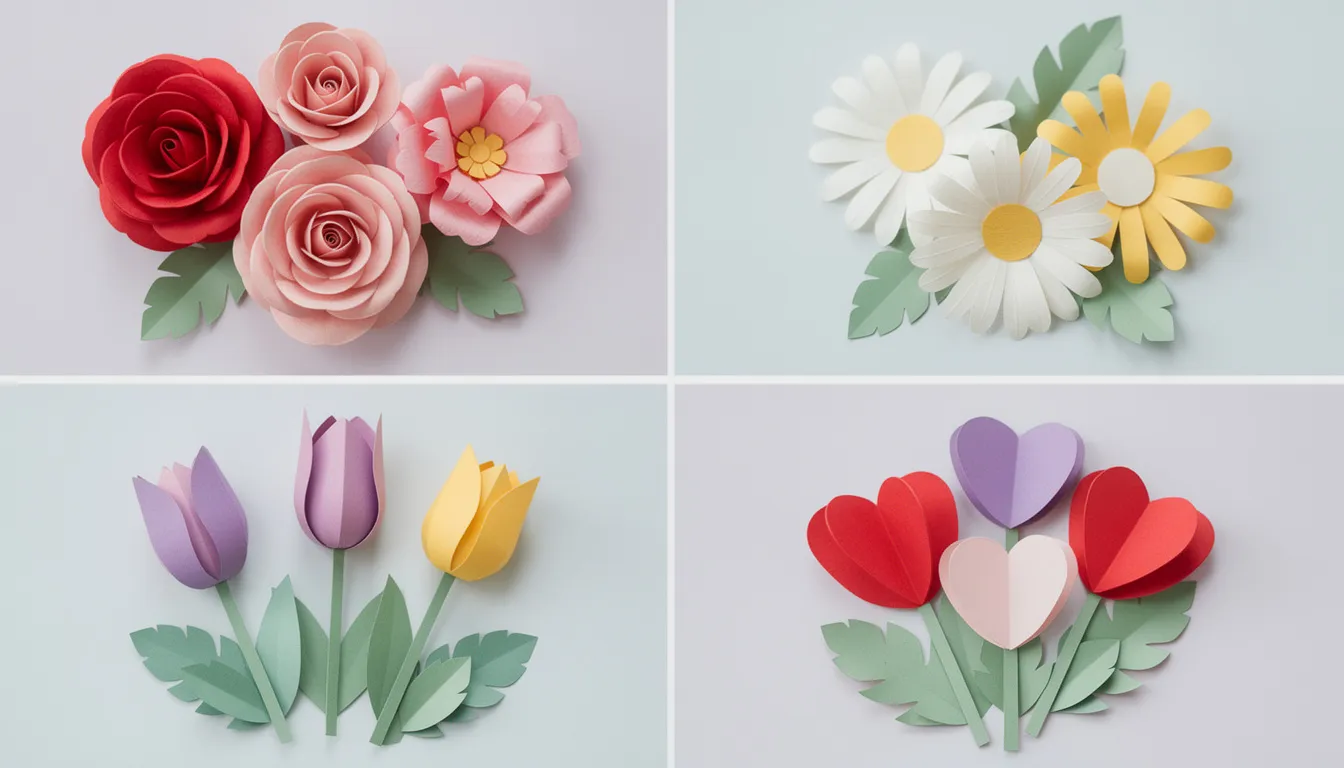
Layered Rose Shapes
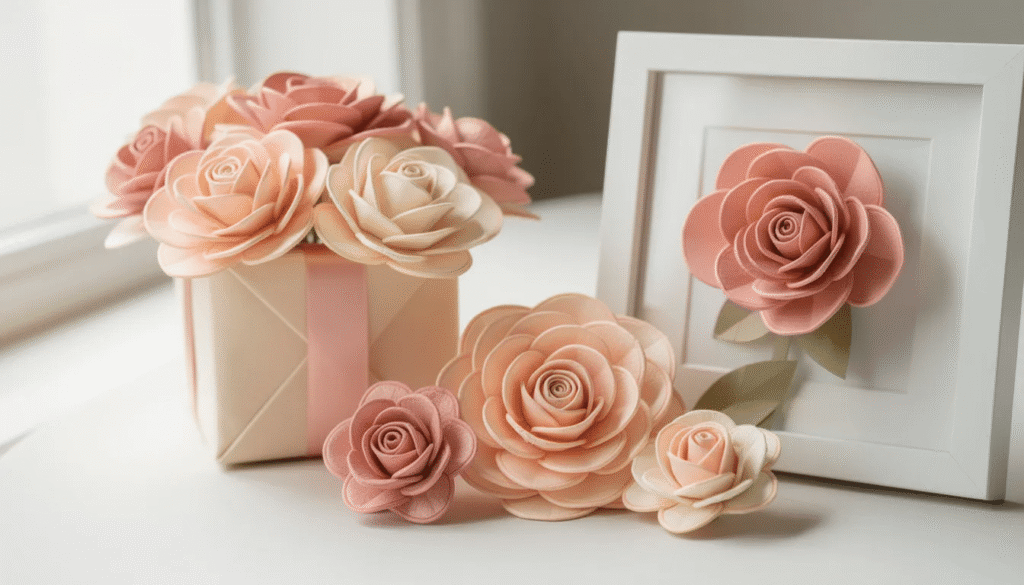
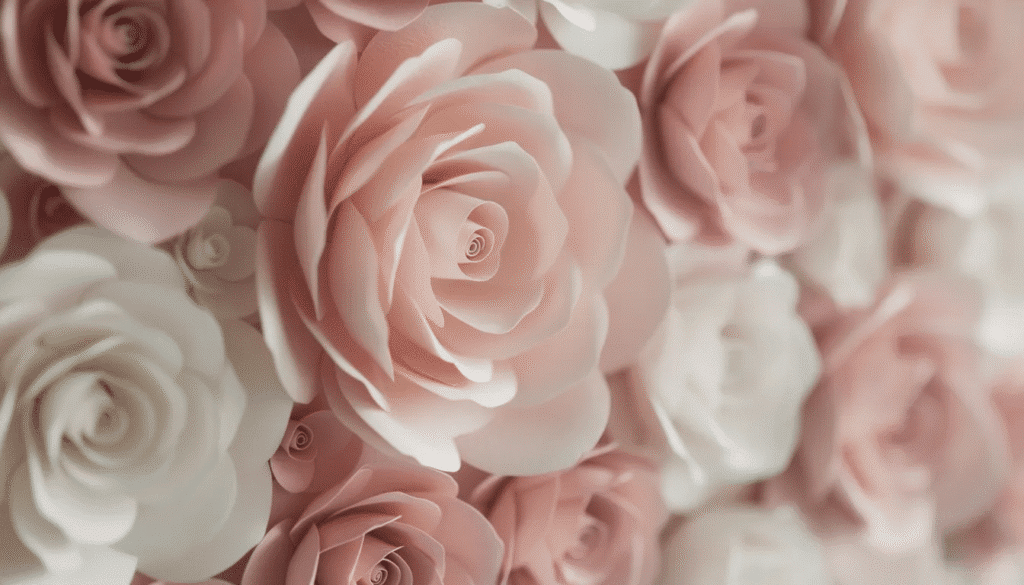
Roses require scalloped spiral shapes that roll into beautiful 3D forms. According to craft tutorials, a single paper rose can use 20-50 pear-shaped outer petals graduating to tighter inner ovals for that authentic look.
These are common in:
- Wedding backdrops and bouquets
- Gift toppers
- Framed wall art
Tulip and Lily Shapes
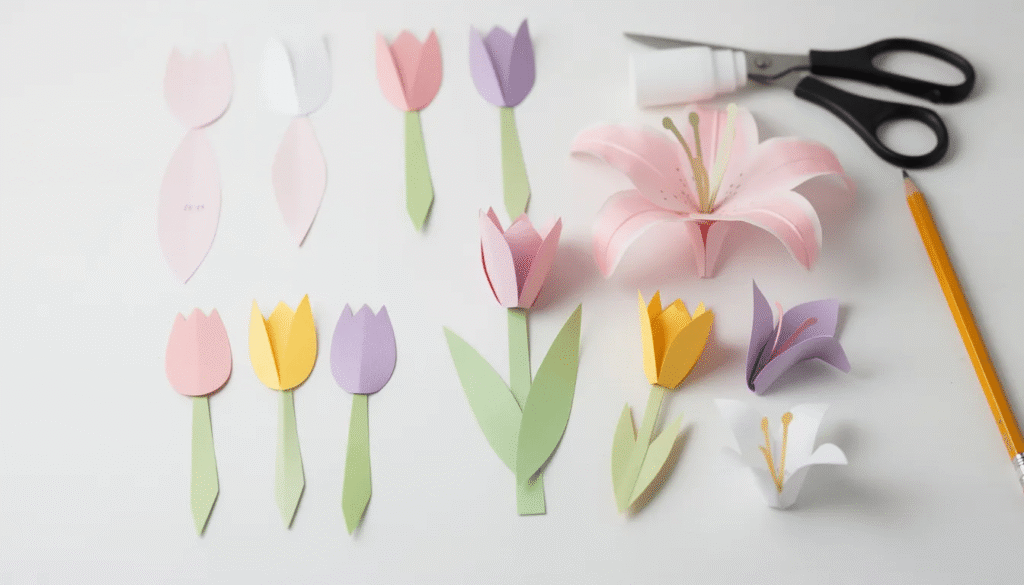
Pointed or elongated petals create elegant tulips and lilies. You’ll typically use oval or teardrop templates, then fold or curl the pieces to achieve that natural curve. These shapes are perfect for Easter, Mother’s Day, and spring projects.
Heart-Petal Shapes
Heart punch flowers transform simple heart cutouts into multi-layered blooms. A single flower might use 5-8 hearts, with tops wrapped and stacked using glue. These are ideal for:
- Valentine’s Day cards
- Anniversary decor
- Romantic party themes
Leaf Shapes
No bouquet is complete without leaves. Common options include:
Leaf Type | Best Use |
|---|---|
Simple ovals | Quick filler for any arrangement |
Pointed leaves | Realistic rose and lily stems |
Fern-style cuts | Elaborate wreaths and backdrops |
Leaves often feature vein scoring along a central fold, cut from templates positioned over folded green paper to yield symmetrical pairs. | |
 |
Flat Paper Flower Shapes for Classrooms & Kids’ Crafts
Flat shapes are the go-to choice for quick, low-mess projects that kids can handle independently. Teachers and parents love them for bulletin boards, craft time activities, and party decorations, especially when they’re exploring cute paper craft project ideas together. .
Pre-Cut Assortments
Large pre-cut flower shapes—often sold in sets of 100+ pieces in spring colors—save time when you need to decorate classroom doors, walls, or party spaces fast. These typically come in:
- Assorted sizes (2-6 inches)
- Coordinated color palettes
- Multiple flower styles in one set
Kid-Friendly Cutting Projects
Simple petal and blossom silhouettes allow kids to safely cut with child-safe scissors from construction paper or cardstock. Great beginner projects include:
- “Garden” bulletin boards with student names on flowers
- Counting games using flower cutouts
- Color-sorting activities with different bloom shapes
- Spring-themed collages and cards
Paper Weight Recommendations
For flat shapes, choose paper that’s thick enough to hold its form but easy for small hands to cut, pulling from top craft paper supplies for creative projects that suit your needs: :
Paper Type | Weight | Best For |
|---|---|---|
Construction paper | 50-70 gsm | Very young kids, temporary displays |
Colored cardstock | 65-80 lb | Bulletin boards, durable cutouts |
Standard craft paper | 80-90 gsm | General classroom projects |
Seasonal Color Palettes
Teachers often match their paper flower shapes to the season:
- Spring (March-May): Pastel pinks, yellows, lavenders, soft greens
- Summer: Bright oranges, sunny yellows, vibrant blues
- Fall: Warm reds, oranges, golden yellows
- Winter holidays: White, silver, red, green
3D Paper Flower Shapes & Templates
What makes a flower “3D”? Multiple layered petals, curled edges, and structured centers that stand away from the background. These dimensional flowers add charm and drama to any space.
Rolled Flower Shapes
Spiral cut pieces roll into tight or loose rosettes—one of the most versatile techniques in paper crafting. You’ll find these commonly used for:
- Wall art and shadow boxes
- Gift box toppers
- Scrapbook embellishments
- Wedding favors
The basic concept involves cutting a spiral with a scalloped edge, rolling from outside in, and gluing the base to secure. Tutorials on youtube demonstrate this technique in under 10 minutes.
Layered Petal Templates
Sets of graduated petal shapes (small to large) stack to build large, dimensional blooms for backdrop walls. A typical layered rose might require:
- 8 small inner petals
- 6 large outer petals
- 1 fringed stamen center
- Each petal indented at the center to form a cup shape
These templates are available as free PDFs or SVG files for cutting machines.
3D Specialty Shapes
For crafters ready to level up, specialty shapes include:
- Peonies: Ruffled petals created through fringing techniques
- Dahlias: Many folded petals arranged in tight spirals
- Honeycomb flowers: 5-7 pierced discs folded accordion-style then fluffed
These shapes work beautifully for weddings, photo booths, nursery decor, and seasonal window displays. Pinterest reports over 500 million paper flower pins, with wedding DIYs spiking 40% according to Etsy data.
How to Create Common Paper Flower Shapes Step by Step
Ready to learn how to assemble your own paper flowers? This section provides high-level guidance for making several popular shapes with basic supplies.
Easy Folded Blossom
- Start with a square piece of paper (4-6 inches works well)
- Fold the square in half diagonally, then in half again
- Round or point the corners with scissors
- Cut a petal outline through all layers
- Unfold to reveal a symmetrical flower
- Add a contrasting circle center with glue
This method is nice for beginners and produces beautiful results in minutes.
Rolled Rose Method
- Cut a spiral shape from a circle of cardstock (start with 4-inch diameter)
- Create scalloped edges along the spiral for realistic petals
- Starting from the outside, roll the spiral tightly toward the center
- Glue the base to secure the shape
- Gently fan out petals and curl edges with a pencil at a 45-degree angle
Crepe paper works especially well for this technique due to its 10-20% stretch factor, making it a favorite for creative crepe paper flower projects that look surprisingly realistic. .
Simple Daisy
- Cut or punch 10-20 long, narrow petals from white paper
- Arrange petals in a circle, overlapping slightly at the center
- Glue petals in place
- Add a contrasting yellow circle as the center
- Optional: curl petal tips upward for dimension
Tulip or Lily
- Cut oval or teardrop shapes (3-4 per flower)
- Fold or curl each petal around a pencil to create curves
- Glue petals around a small cone base or floral wire stem
- Wrap stem in green floral tape
- Bend for natural drape
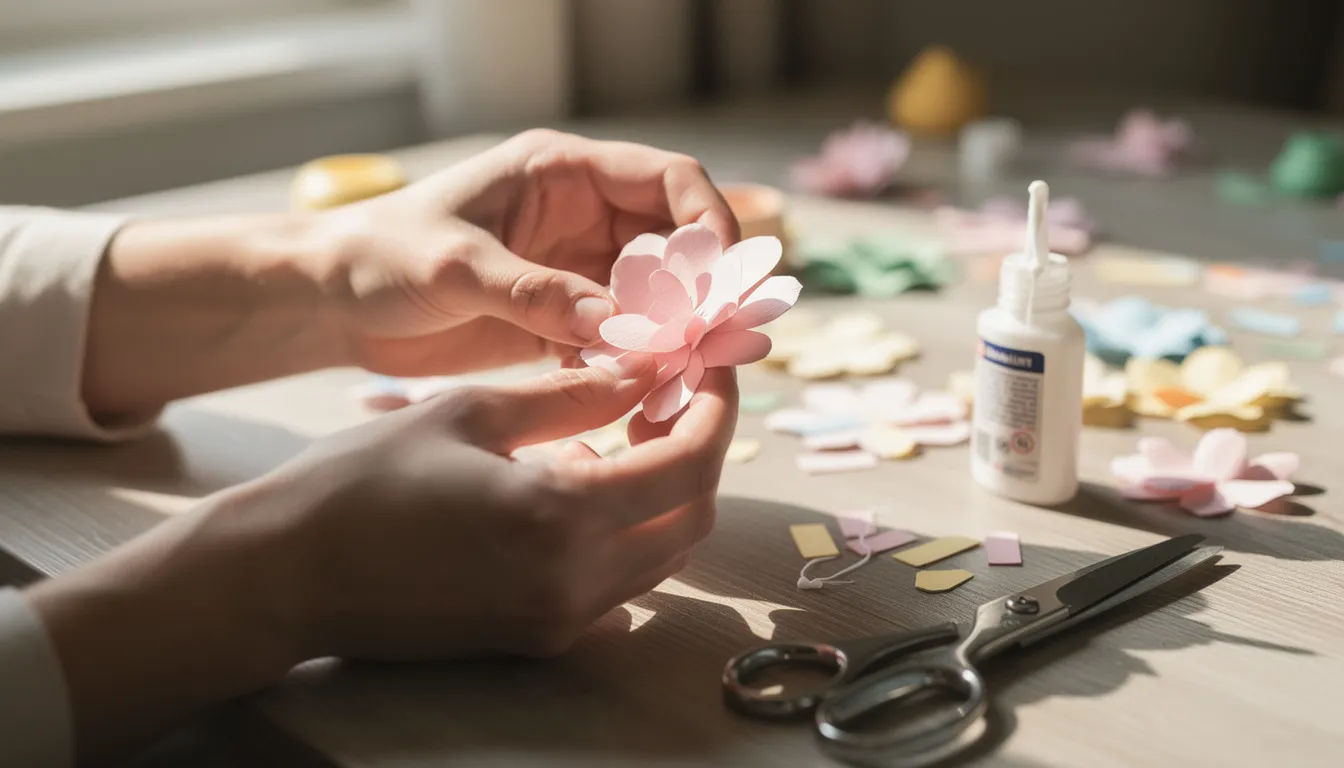
Recommended Basic Tools
Tool | Purpose |
|---|---|
Sharp scissors | Clean petal cuts |
Craft knife | Intricate details (adults only) |
Glue stick | Lightweight paper assembly |
Hot glue gun | Thick cardstock and wire attachment |
Pencil | Curling edges and shaping |
Bone folder | Scoring veins and creases |
 |
Design Ideas & Uses for Different Paper Flower Shapes
Choosing the right flower shape can transform your project from nice to amazing. The key is matching shapes to your theme, season, or event style.
Flat Shape Uses
- Classroom displays: Garden-themed bulletin boards with student names or other fun paper activities for creative minds
- Birthday parties: Banners, wall garlands, table scatter
- Kids’ scrapbooks: Easy embellishments that add color
- Greeting cards: Simple flowers for handmade notes and envelopes
3D Shape Uses
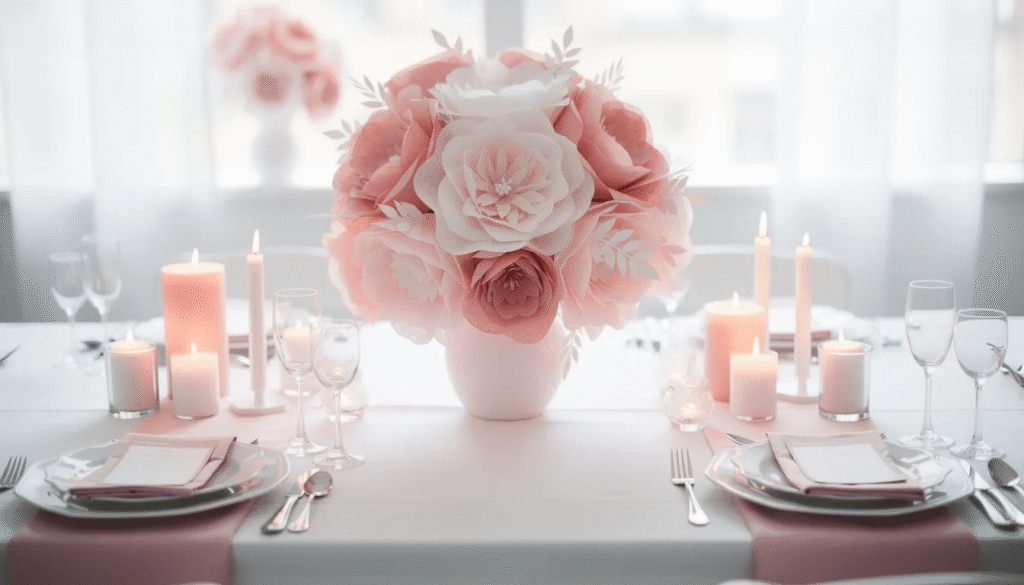
- Wedding backdrops: Large roses and peonies create stunning photo walls
- Baby shower centerpieces: Soft-colored blooms in jars or vases
- Mantel arrangements: Year-round beauty that won’t fade, especially when you mix in vintage paper craft flower ideas
- Framed wall art: Shadow boxes showcasing dimensional flowers
Seasonal Theme Ideas
Season | Recommended Shapes | Colors |
|---|---|---|
Spring | Tulips, daisies, cherry blossoms | Pastels, soft greens |
Summer | Sunflowers, hibiscus | Bright yellows, oranges |
Fall | Mums, leaves | Warm reds, golds |
Winter | Poinsettias, roses | Red, white, silver |
Functional Uses
Small flowers make great additions to:
- Gift toppers (save money on expensive bows)
- Place cards for parties and dinners
- Invitation embellishments
- Hair accessories and corsages** that can even become profitable paper crafts that sell well
Creating Natural-Looking Arrangements
Mix multiple shapes for the most realistic effect:
- Use large “protagonist” flowers like roses or peonies as focal points
- Add smaller “filler” flowers like daisies around them
- Include various leaf shapes for greenery
- Vary heights and angles for visual interest
A paper flower bouquet can include 16 roses, 8 carnations, and 7 leaves—lasting for years compared to fresh flowers’ 1-2 week lifespan.
Tips, Materials & Storage for Long-Lasting Paper Flowers
The right materials and care keep your paper flower shapes looking vibrant and intact over time. Here’s what you need to know.
Recommended Paper Types
Project Type | Paper | Weight |
|---|---|---|
Kids’ crafts | Colored printer paper | 80-90 gsm |
Flat cutouts | Construction paper | 65 lb |
3D flowers | Cardstock | 65-110 lb |
Realistic petals | Crepe or specialty textured paper | Varies |
Cardstock in the 200-300 gsm range provides excellent structural integrity for sculpted lilies and flowers that need to hold their shape, and understanding the best types of paper for craft and their uses helps you match each flower shape to the ideal material. | ||
. |
Cutting Tips
- Trace templates lightly in pencil (erase marks later)
- Cut in smooth, continuous curves
- Use sharp scissors—dull blades create jagged petal edges
- For complicated designs, work slowly and rotate your paper rather than your scissors
Shaping Techniques
- Curling: Wrap petals around a pencil or embossing tool
- Cupping: Stretch crepe paper gently at the center
- Crumpling: Gently crumple then smooth paper for an organic texture
- Scoring: Create vein lines with a bone folder or dull knife
Storage Advice
Protect finished flowers from damage:
- Store in shallow boxes (avoid crushing)
- Keep away from direct sunlight to prevent fading
- Avoid moisture and humidity (causes warping)
- Use tissue paper between layers for delicate blooms
Organizing Unused Shapes
If you buy or cut shapes in advance, stay organized:
- Sort by size, color, and bloom type
- Store in labeled envelopes or clear folders
- Keep templates separate from cut pieces
- Note quantities on labels for quick access
This system makes it easy to grab what you need for future projects without searching through mixed piles, and it sets you up to explore more ideas from Simply Paper Crafts’ paper crafting inspiration. .
Key Takeaways
- Paper flower shapes range from simple 5-petal cutouts to intricate 3D roses
- Flat shapes are perfect for classrooms, kids, and quick decorations, and simple folds make it easy to transition into tissue paper flower designs for any occasion
- 3D shapes create stunning backdrops, centerpieces, and home decor pieces
- Basic tools include scissors, glue, and a pencil for curling
- Proper storage keeps flowers beautiful for years
Wrapping Up
Paper flower shapes offer endless possibilities for crafters of all skill levels. Whether you’re a teacher looking for a fun spring project, a bride designing your own wedding backdrop, or a parent wanting to share a creative afternoon with kids, these versatile shapes bring beauty to any occasion.
Start with simple 5-petal designs to build confidence, then work your way up to elaborate layered roses and dimensional peonies. The best part? Unlike real flowers, your paper creations won’t fade—they’ll add charm to your house for years to come.
We hope this guide has inspired your next project. Share your paper flower creations with friends on facebook, or leave a comment below telling us which shapes you’re excited to try. Happy crafting!