
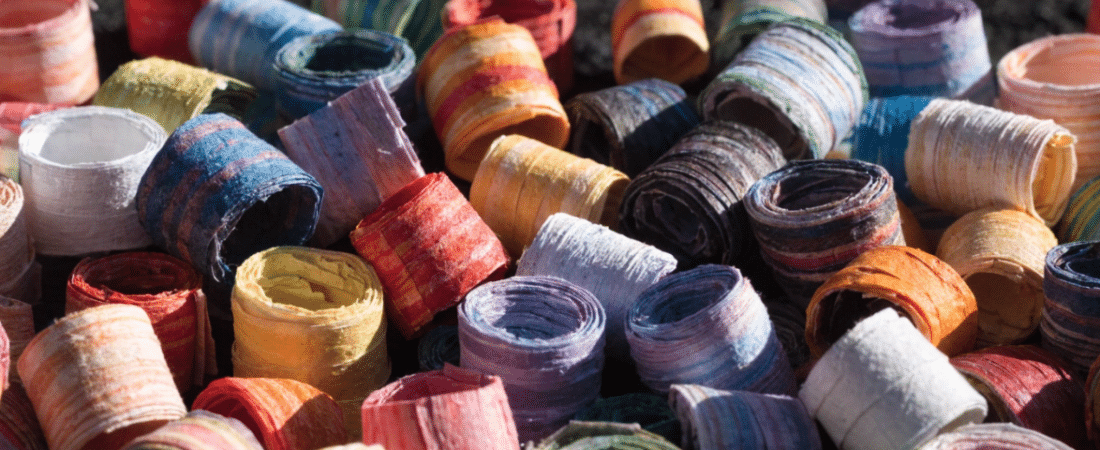
Turning scrap paper into stunning jewelry sounds almost too good to be true, but paper beads have been a beloved craft since Victorian England. If you’re searching for how to make paper beads, this guide is perfect for beginners, families, and anyone interested in sustainable crafts. In this tutorial, you’ll learn exactly how to make paper beads from start to finish, even if you’ve never attempted a single craft project before. Learning this craft not only lets you create beautiful jewelry but also helps reduce waste and promote sustainability. By the end, you’ll have the skills to transform yesterday’s junk mail into tomorrow’s favorite bracelet.
Paper bead making is an eco-friendly way to recycle materials into unique jewelry. Creating paper beads is a simple craft that requires few supplies, often found at home.
Why Make Paper Beads?
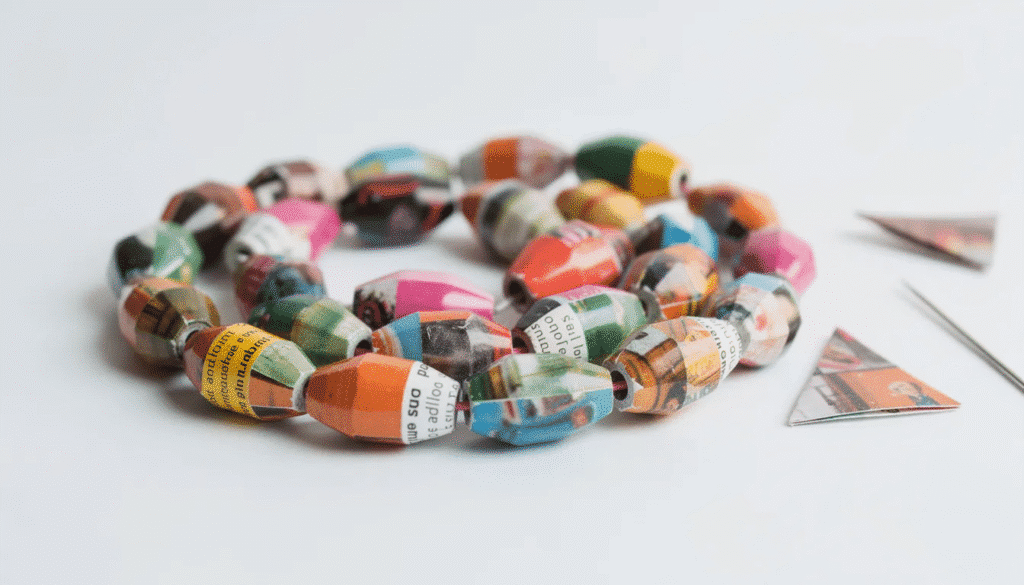
Making beads from paper offers a satisfying blend of creativity and sustainability that few other crafts can match. Instead of purchasing plastic beads that eventually break down into microplastics harmful to birds and fish, you can create your own from materials already sitting in your recycling bin. Those 2024 catalogues piling up by your door and the stack of old magazines from 2020 through 2023 can become lightweight, colorful jewelry rather than landfill waste.
Benefits of Making Paper Beads:
- One standard 8.5” x 11” magazine page yields enough beads for at least 1-2 bracelets or a short necklace
- Paper beads cost virtually nothing to make, saving you money compared to craft stores prices
- The patterns and colors are endless, since every magazine page offers unique designs
- This project works beautifully for kids and adults alike, making it a fun family activity, especially if you enjoy cute paper craft ideas for fun and easy DIY projects
With these benefits in mind, let’s gather what you’ll need to get started.
Supplies You’ll Need
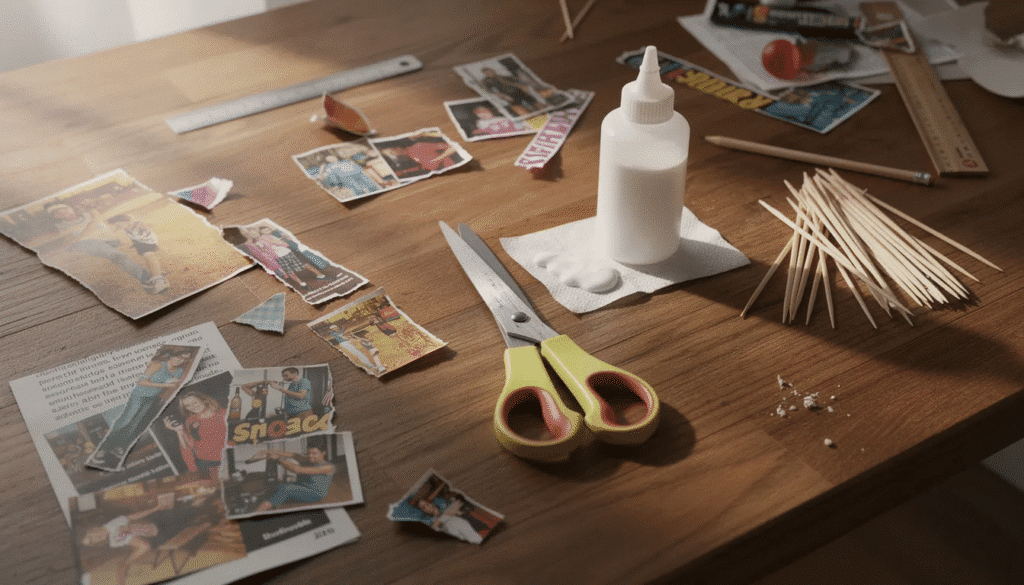
Creating paper beads requires colorful paper, glue, scissors, and a rolling tool. You can use junk mail, magazines, catalogs, and wrapping paper to make paper beads. Making paper beads requires only basic supplies that you likely already have around the house, or you can explore top craft paper supplies for creative projects and DIY fun for more options.
Paper Sources:
- Old magazines with glossy, colorful pages
- Junk mail flyers and 2024 catalogues
- Outdated calendars with photo pages
- Glossy brochures from travel agencies or stores
- Scrapbook paper with printed patterns
- Lightweight wrapping paper (avoid thick cardstock)
Cutting Tools:
- Sharp scissors or a craft knife
- Metal ruler for straight cuts
- Cutting mat or thick cardboard to protect surfaces
- Pencil for marking measurements
Rolling Tools:
- Wooden toothpick (most common choice)
- Bamboo skewers for larger bead holes
- Thin pencil for medium holes
- Drinking straws for extra-large holes
Adhesives:
- White PVA glue (strongest bond, slower drying)
- Glue stick (quick application, slightly weaker)
- Tacky craft glue (good middle ground)
Finishing Products:
- Clear nail polish for quick, glossy sealing
- Mod Podge Gloss for durable, professional finish
- Clear acrylic sealer spray (optional)
Stringing Materials:
- Elastic beading cord (9-10” for adult bracelet)
- Cotton thread for necklaces
- Nylon cord or thin jewelry wire
- Yarn for casual, bohemian looks
Optional Extras:
- Small glass or metal spacer beads
- Styrofoam block for drying beads
- Extra toothpicks for holding beads while sealing
- Waxed paper to protect your work surface
With your supplies ready, let’s dive into the step-by-step process of making your first paper beads.
How to Make Basic Rolled Paper Beads (Step-by-Step)
These core steps will teach you the classic technique for creating rolled beads, similar to the African-style paper beads that have been made for generations. Once you master this basic method, you can experiment with different shapes and sizes to create your own unique designs and try more creative paper bead ideas for stunning DIY jewelry projects.
Step 1: Choose and Prepare Your Paper
- Choose a colorful page from a magazine or catalog. Full-page advertisements from fashion or travel magazines work particularly well because they feature bold, saturated colors that create beautiful paper beads. Tear out the entire page carefully, keeping the edges as straight as possible.
Step 2: Cut Triangular Strips
- Using your ruler and pencil, measure and mark long triangular strips about 7-8 inches (18-20 cm) long. At the wide end, mark approximately 1/2 to 3/4 inch (1.2-2 cm), then draw a line tapering down to a point at the other end. Cut along your lines with scissors or a craft knife. One strip will become one bead.
Step 3: Start Rolling the Bead
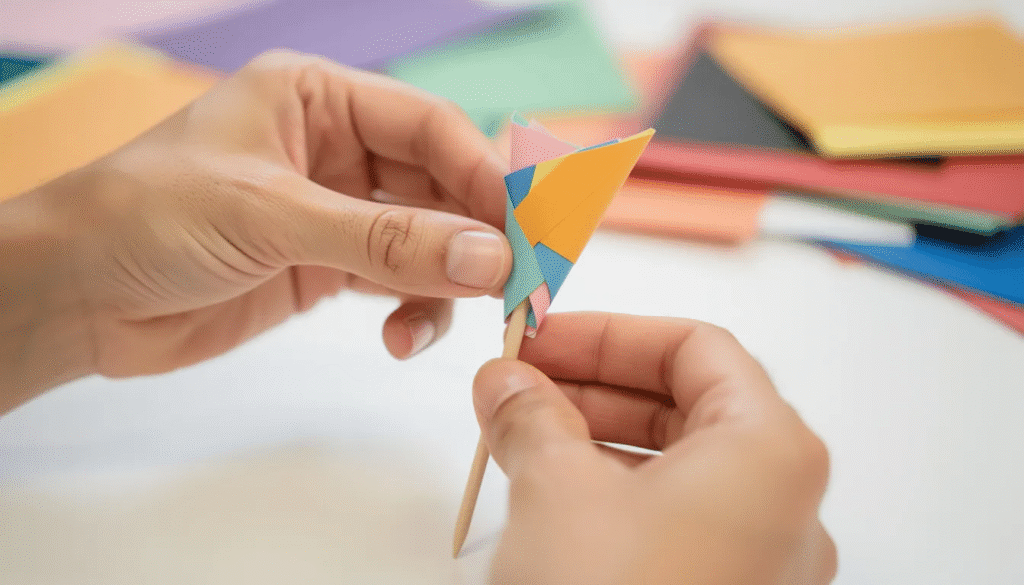
- Position the wide end of your paper strip against a toothpick or skewer, with the colorful side facing down (so it shows on the outside when rolled). Roll one full turn to anchor the strip securely around the stick. This first turn is crucial for keeping your bead centered.
Step 4: Apply Glue and Continue Rolling
- Apply a thin layer of glue along the remaining length of the strip, avoiding clumps that could create bumps in your finished bead. Continue rolling the paper tightly toward the point, keeping even pressure with your fingers to maintain a smooth, cylindrical shape.
Step 5: Finish the Bead
- When you reach the pointed end, press it down firmly and smooth away any excess glue with a scrap of paper or your fingernail. The point should disappear seamlessly into the bead’s surface, creating a neat, symmetrical shape. If you see any sticky residue, wipe it away before it dries.
Step 6: Remove and Dry the Bead
- Carefully slide the bead off your rolling tool, twisting gently if needed. Set it aside on waxed paper to dry for at least 15-20 minutes. Avoid the mistake of handling beads too soon, as they may unravel or lose their shape.
Step 7: Seal the Bead for Durability
- For sealing, stick a toothpick into a styrofoam block to create a drying station. Slide each bead onto a separate toothpick, apply a thin coat of clear nail polish or Mod Podge, and let dry for 5-10 minutes. Rotate the bead and apply a second coat if desired for extra shine.
Summary Checklist: How to Make Basic Rolled Paper Beads
- Gather required supplies: colorful paper, glue, scissors, and a rolling tool.
- Cut long triangular strips from your chosen paper.
- Roll the wide edge of the strip over a skewer or toothpick.
- Apply glue near the skinny end and continue rolling.
- Slide the finished bead off the tool.
- Allow beads to dry completely before handling or stringing.
- Seal beads with clear nail polish or Mod Podge for durability and water resistance.
- Use a drying station such as a foam block, Styrofoam, or egg carton to hold beads while they dry.
Now that you’ve mastered the basic technique, let’s see how to turn a single magazine page into a complete bracelet.
Step-by-Step: From Magazine Page to Finished Bracelet
Ready to turn one magazine page into a complete, ready-to-wear bracelet? This mini-project takes about one hour from start to finish and makes a great introduction to the entire process, especially if you already enjoy fun paper activities for creative minds of all ages. One A4 or US Letter magazine page typically produces enough beads for 2-3 slim bracelets, depending on how wide you cut your strips.
Select and Prepare Your Paper
Start by selecting a magazine page with colors you love—a travel spread with ocean blues or a food advertisement with warm oranges works wonderfully. Tear out the page and trim any rough edges with scissors, then lay it flat on your cutting mat. Mark 1/2 inch (about 1.3 cm) intervals along the bottom edge using your ruler and pencil.
Cut and Roll the Beads
Now create your triangles by drawing diagonal lines from each bottom mark to the midpoint between marks on the top edge. This zigzag pattern across the entire page creates long, tapered strips perfect for rolling. Cut along your lines carefully, and you should have roughly 10-12 triangular strips from one page.
Tightly roll each strip around your toothpick, applying glue as you go and keeping the paper centered so your bead is symmetrical. Work through all your strips, placing finished beads on waxed paper. This assembly-line approach speeds up the process considerably.
Seal and Dry the Beads
For sealing, stick a toothpick into a styrofoam block to create a drying station. Slide each bead onto a separate toothpick, apply a thin coat of clear nail polish or Mod Podge, and let dry for 5-10 minutes. Rotate the bead and apply a second coat if desired for extra shine.
String Your Bracelet
Once your beads are completely dry, cut 9-10 inches (23-25 cm) of elastic cord for an adult bracelet. String your paper beads, adding occasional metal or glass spacer beads between every 2-3 paper beads for visual interest. Before trimming the elastic, wrap the bracelet around your wrist to test the fit—you want it snug but not tight.
Tie a secure triple knot, trim the excess cord close to the knot, and tuck the knot inside an adjacent bead if possible. Your finished product is now ready to wear or give as a gift.
With your first bracelet complete, you can now explore how different shapes and sizes of paper strips affect your bead designs.
Choosing and Cutting Paper for Different Bead Shapes
The shape and size of your beads depends entirely on how you cut your paper strips, and experimenting with different dimensions creates unique designs that look surprisingly professional. The width of the base of the paper strip determines the final bead width, while the length determines its thickness. Understanding these basics opens up endless possibilities for customization.
Quick Reference for Bead Dimensions:
Base Width | Strip Length | Approximate Bead Size |
|---|---|---|
1/2 inch (1.2 cm) | 6 inches | Slim, 4-5mm diameter |
3/4 inch (2 cm) | 8 inches | Medium, 6-8mm diameter |
1 inch (2.5 cm) | 10 inches | Chunky, 8-10mm diameter |
Try cutting 2-3 different strip sizes on your first session to see which shapes you prefer. You might be wondering which works best—the answer depends entirely on your personal style and project goals.
Long Barrel Beads
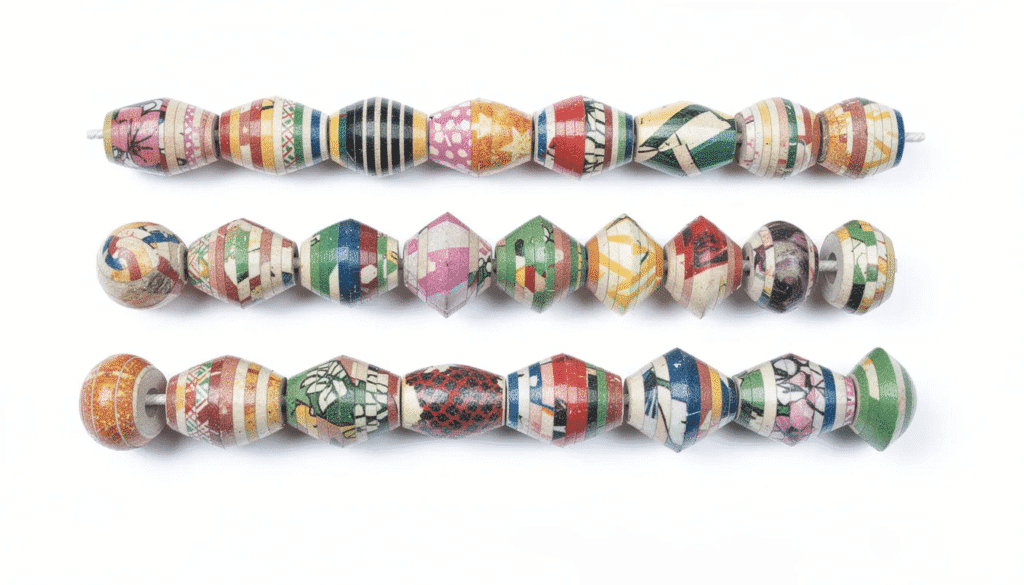
- Created from very long, skinny triangles that produce slim, elegant cylinders
Bicone Beads
- Made from standard long triangles, widest in the middle and tapering at both ends
Chubby Oval Beads
- Formed from shorter, wider triangles that create round, fat beads
For consistent results, use a ruler and pencil to draw your wedges before cutting. A helpful technique is marking 3 cm intervals at the bottom of your page and 1.5 cm offset intervals at the top, then connecting them with diagonal lines. This creates uniform strips every time.
Paper type also affects the finished look. Glossy magazine pages create smooth, shiny beads with a polished appearance, while matte scrapbook paper gives a softer, more rustic look. If you’d like to compare more options, a guide to the best types of paper for craft and their uses can help you choose the right material. Newsprint works but tends to look more muted—though this can be charming for certain styles.
Once you’ve chosen your favorite shapes and paper types, it’s time to make your beads last with proper sealing and drying.
Sealing, Drying, and Making Beads Last
Sealing your paper beads prevents them from absorbing moisture, adds a professional shine, and dramatically extends their lifespan. Without sealing, paper beads can become soft, tear, or lose their color within weeks of regular wear, especially if you’ve made them from handmade paper sheets for creative projects.
Clear nail polish offers the quickest finishing option. Apply one thin coat, rotating the bead to cover all surfaces, and let dry for about 5 minutes. A second coat adds extra durability and shine. This method works perfectly for small batches and produces a glossy, glass-like finish.
Mod Podge or other decoupage glue creates a more durable finish ideal for jewelry you plan to wear daily. Apply 1-2 thin coats using a small brush, letting each coat dry fully (about 20-30 minutes) before handling or applying another layer. Watch for drips that could clog the bead hole.
For drying, place each bead on a separate toothpick stuck into a styrofoam block or a piece of corrugated cardboard. This keeps beads elevated so they don’t stick to your work surface or develop flat spots. Multiple thin coats always beat one thick coat—thick applications drip, take longer to dry, and often close up bead holes.
Troubleshooting common issues:
- Bead stuck to mandrel: Next time, apply a tiny amount of vegetable oil or slip the bead off before adding the final glue layer
- Hole closed with sealant: Use a toothpick or needle to clear the hole while the sealer is still slightly tacky
- Uneven coating: Rotate the bead slowly as you apply sealer, and don’t overload your brush
Plan your crafting session accordingly: rolling takes about 30 minutes for 10-12 beads, and sealing with full drying adds another hour if using Mod Podge.
With your beads sealed and dried, you’re ready to explore creative ways to use your new creations.
Ideas for Using Your Paper Beads
Jewelry Projects

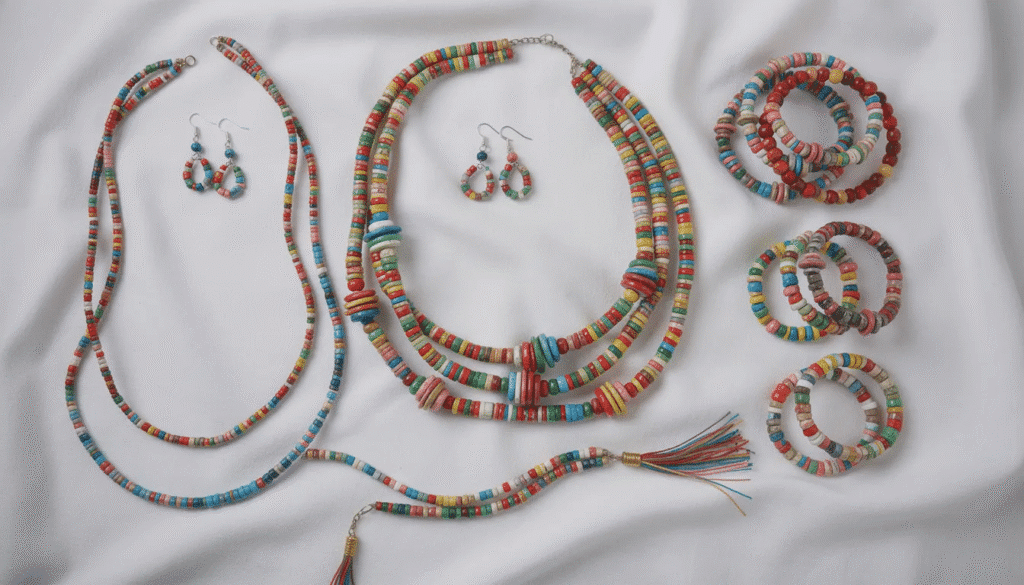
- Multi-strand necklaces combining different bead sizes
- Stacking bracelets in coordinating color families
- Lightweight earrings that won’t pull on your ears
- Anklets using elastic cord for summer wear
- Statement pieces mixing paper beads with metal findings
Beyond Jewelry
- Keychains attached to backpacks or purses
- Zipper pulls for jackets and bags
- Bookmarks with beaded tassels hanging from ribbon
- Simple garlands for party decorations or kids’ rooms
- Curtain tiebacks using beads strung on cord
Paper beads make thoughtful, personal gifts that show real effort and creativity. Consider friendship bracelets for birthdays, a necklace for Mother’s Day, or holiday ornaments crafted from old Christmas catalogs, or pair them with other paper gifts for every occasion. The hope is that recipients appreciate both the beauty and the story behind each piece.
For an extra meaningful touch, include a small note with your gift explaining which recycled paper you used. “Made from the June 2023 travel brochure” adds a personal narrative that store-bought jewelry simply can’t match. This transforms a cute accessory into a conversation piece with environmental significance.
Whether you’re looking for a relaxing evening project, an activity to share with kids, or a way to create meaningful handmade gifts, paper beads deliver on all fronts. The effort you invest translates directly into a unique finished product that reflects your creativity and commitment to sustainability, and some makers even turn their skills into income with paper crafts that sell well for crafters and entrepreneurs. Start with one magazine page today, and you might find yourself saving every piece of glossy stuff that crosses your doorstep. Share your creations on Facebook, leave more comments below about your favorite techniques, and watch your bead collection grow into something truly special.