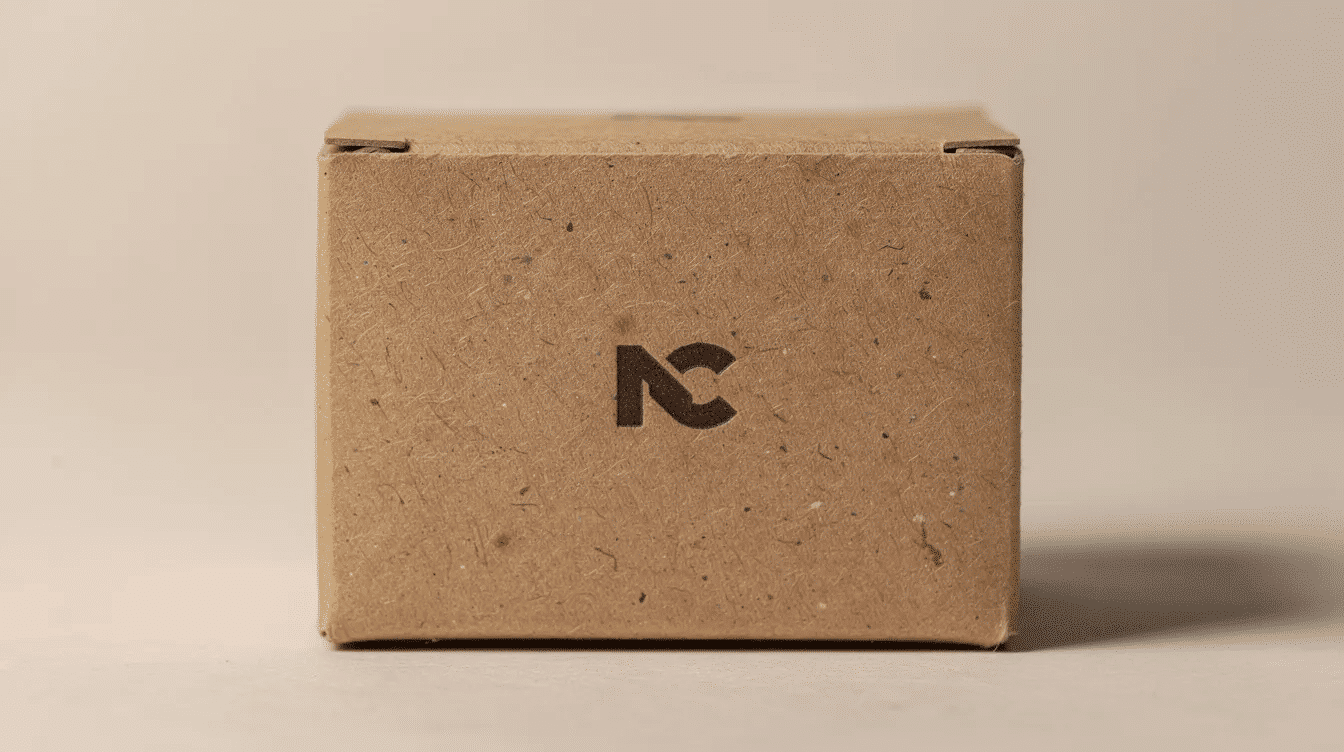
Kraft paper printing applies various ink technologies and printing methods to durable, lignin-containing paper made from unbleached pulp. In 2026, this eco friendly approach has become increasingly popular for packaging, cards, and branding applications where authenticity matters.
The appeal is straightforward: kraft stock offers 100 recycled options, reduced bleaching requirements, and natural fibers visible right in the paper surface. Customers associate this with environmental responsibility and genuine craftsmanship.
The key trade-off? You get that warm, rustic aesthetic but sacrifice some color vibrancy compared to bright white stocks. The natural brown color absorbs and mutes printed colors, particularly lighter shades.
Common products include business cards, greeting cards, mailers, product packaging, custom kraft paper bags, and branded wrapping paper. The texture and handcrafted feel create memorable brand experiences that glossy alternatives simply cannot match.
What Is Kraft Paper? Types & Characteristics
Kraft paper is manufactured from unbleached pulp using long fibers, which gives it superior strength compared to standard paper. The manufacturing process preserves lignin—the natural binding compound in wood—contributing to both durability and that characteristic brownish color. Most kraft is made from recycled content, though virgin kraft also exists for specific applications.
Natural Brown vs. Bleached White Kraft
The distinction matters significantly for your print project. Natural brown kraft retains the unbleached color of virgin or recycled fibers—prized for sustainability messaging and that rustic aesthetic. Bleached white kraft undergoes chemical treatment to achieve a bright, smooth white surface while maintaining kraft’s strength properties.
White kraft is superior for full color printing where vibrancy is important. Brown kraft shifts and mutes colors due to its dark substrate. Understanding this difference helps you choose the right materials for your specific needs.
Basis Weights and Thickness
Typical weights used in print applications include 70/80 lb cover stocks for lighter applications, 100/110 lb cover stocks for standard cards, and thick 18 pt stocks for premium cards. The 18 pt thickness is notably thicker than many 16 pt card stocks, making it ideal for retail, artists, and small brands seeking a premium feel.
Durability Compared to Coated Stocks
Kraft’s uncoated, porous surface creates a distinctly different hand-feel than coated stocks like 16 pt premium matte. The fibers are inherently stronger than standard paper stock, contributing to durability even in thin gauges. However, the uncoated nature means kraft is more susceptible to moisture absorption—relevant for food packaging where food-safe coatings may be necessary.
Common Kraft Paper Stocks & Finishes
Not all kraft is the same. Thickness, coating, and color significantly affect both feel and quality of printed results. The market includes at least five to six distinct kraft variants, each with different printing and handling characteristics.
Premium 18 pt kraft feels noticeably thick in hand—ideal for retail displays, artist prints, and small brands wanting their materials to stand out, especially when you understand the best types of paper for craft and their uses.
Natural Brown Kraft (Uncoated)
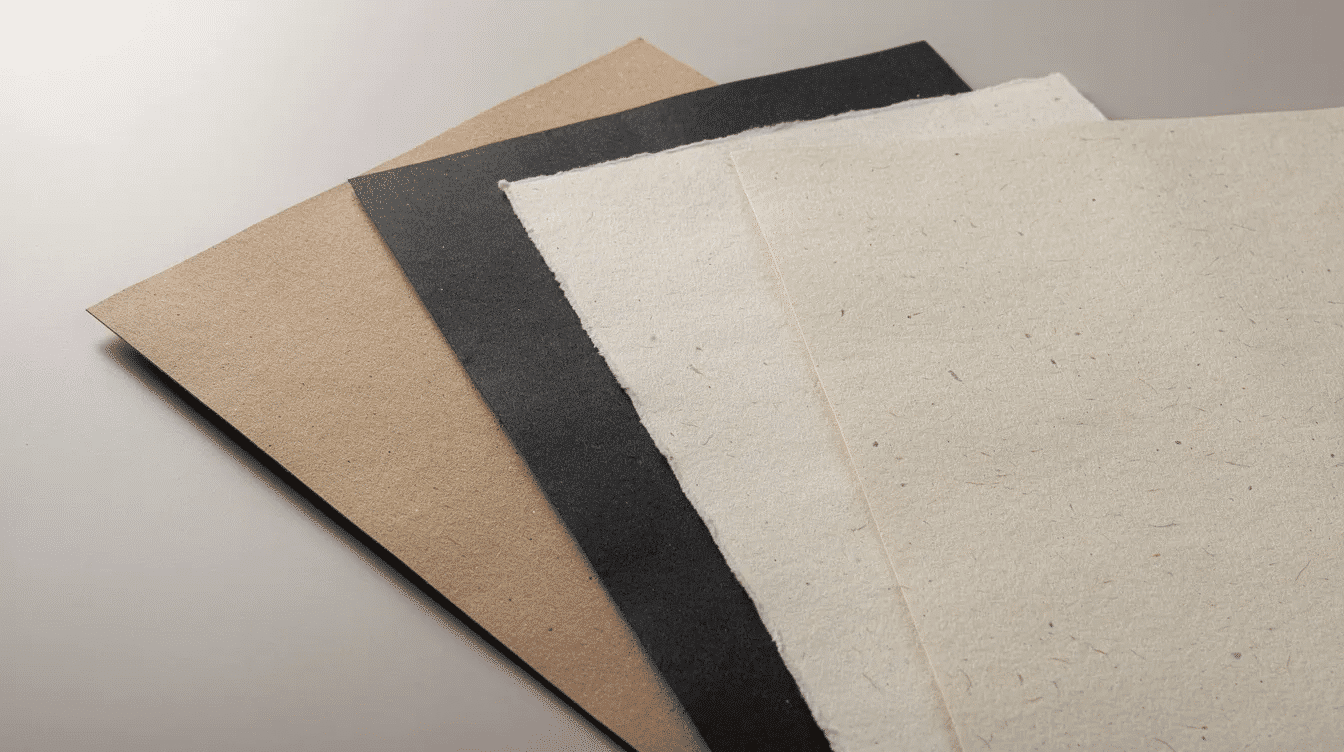
Natural brown kraft features visible fibers and occasional specks, giving that “paper bag” or farmers market aesthetic. The light brown surface with its natural brown tone works beautifully for designs that embrace organic imperfection.
The uncoated surface takes pen and pencil well, making it suitable for greeting cards, notecards, and writable business cards where customers might add a personal message. Dark inks print well, though ink absorbs more readily than on coated paper, creating a softer, less glossy look.
Sustainability is the standout feature: often 100% post-consumer recycled, appealing to eco-led brands and handmade product sellers who can authentically communicate their commitment to circular economy principles and experiment with high-quality handmade paper sheets for creative projects.
Bleached White Kraft
Bleached white kraft keeps the strength of kraft fibers but provides a bright, smooth white paper surface. This paper stock is better for full color printing where vibrancy is important—think bakery packaging, cosmetic boxes, and brand-intensive retail packaging.
Detailed logos and fine lines reproduce more cleanly on white compared with brown kraft. The white base doesn’t interfere with CMYK color reproduction, allowing printed colors to appear closer to their digital appearance. When maximum color accuracy matters, white kraft is the most popular choice.
Coated & Specialty Kraft Stocks
Coated kraft adds a smooth coating to one or both sides of the substrate, boosting both durability and color sharpness. Coatings can be matte or gloss, and can be formulated to be food-safe for applications like bakery bags and deli wraps where grease resistance is necessary.
Beyond basic coatings, premium finishes exist: pearl, metallic, and textured options serve luxury applications such as invitations and high-end cards. Coated kraft bridges the gap between kraft’s authenticity and the performance characteristics of fully coated stocks—perfect for retailers who want kraft’s visual language but require enhanced durability.
Examples include retail hang tags, premium greeting cards, and limited-edition print runs where brand quality must match product quality.
Colored & Black Kraft Papers
Colored kraft retains kraft’s inherent strength while adding dyed surfaces beyond natural brown: muted blues, reds, greens, and other hues. Black kraft is a deep, solid black stock often made from recycled materials, popular for bold, minimalist branding.
White ink and metallic inks can look striking on dark kraft bases, especially for logo-centric designs. Add white ink to create contrast that makes your artwork pop against darker backgrounds.
Applications include high-end gift wrapping, event stationery, boutique shopping bags, and limited-run promotional pieces where distinctive color adds brand differentiation, especially when paired with creative wrapping paper ideas that elevate gift-giving.
Design & Color Tips for Printing on Kraft Paper
Color behaves fundamentally differently on kraft versus white stock. The CMYK color system is designed for white backgrounds—when printed on kraft, colors appear different from how they look on digital screens. This isn’t a minor adjustment but a core design consideration.
The natural brown color shifts and mutes colors, requiring designers to plan with this inherent limitation rather than treating kraft as an alternative to white stock with identical results.
Using Full Color on Brown Kraft
CMYK colors printed directly on brown kraft look less bright and slightly desaturated compared to white stock. High-opacity inks are crucial because kraft naturally darkens printed colors.
Use darker, more saturated hues—deep greens, navy blues, brick reds—rather than pastels or very light shades. Light colors simply disappear against the brown base.
Simplify your artwork: fewer colors, bolder shapes, and thicker lines maintain legibility on the textured background. Review CMYK color builds carefully, and if possible, order a printed sample or proof on actual kraft before large runs. Screen-based color previews are unreliable for brown kraft applications, just as choosing top craft paper supplies for creative DIY projects is critical for getting consistent, high-quality results.
Black, White & Minimal Ink Designs
Black ink on kraft is one of the most reliable and elegant options, delivering strong contrast and a minimal look. The extreme contrast ratio ensures maximum legibility.
White ink printing, where available through screen printing or digital technologies, creates striking logos and text on both brown and black kraft stocks. Only white ink achieves that bright pop against dark substrates.
Pair simple black-and-white artwork with the natural paper tone to create premium, understated packaging. Use limited ink coverage for a modern, airy layout rather than heavy, full-bleed color. This approach leverages kraft’s strengths rather than fighting against them.
Working With the Brown Base Color
Think of kraft as a built-in background color that designers should incorporate into the palette instead of fighting against it. The rustic tone is a design element, not just a limitation.
Clean layouts, generous whitespace (really brown space), and typography-focused designs leverage the natural brown tone effectively. Avoid color combinations that rely on subtle tonal differences—they may disappear against the brown base.
Add small design elements like line art, icons, or frames in darker ink to create depth without flooding the page. Let the kraft material do some of the visual work.
Readability & Contrast Considerations
Legibility is critical on textured kraft. Establish minimum font size guidelines for body text and headlines—go larger than you would on smooth white stock.
Use high-contrast pairings: dark ink on light kraft, or white ink on dark kraft, especially for critical information like addresses and instructions. Ink spread on uncoated kraft can slightly soften fine text, so ultra-thin fonts and hairline strokes should be avoided.
Accessibility considerations—readable fonts, adequate contrast—are just as important on kraft as any other stock. Your customers need to actually read what you’ve printed.
Printing Methods for Kraft Paper
Different print processes—flexographic, digital, and offset—behave differently on kraft and suit different project sizes and quality requirements. Choice of method affects cost, turnaround, color accuracy, and minimum order quantity.
Some specialty inks (opaque white, metallics) may only be available in certain processes, so check with your printer before finalizing designs that depend on specific ink technologies.
Flexographic Printing on Kraft
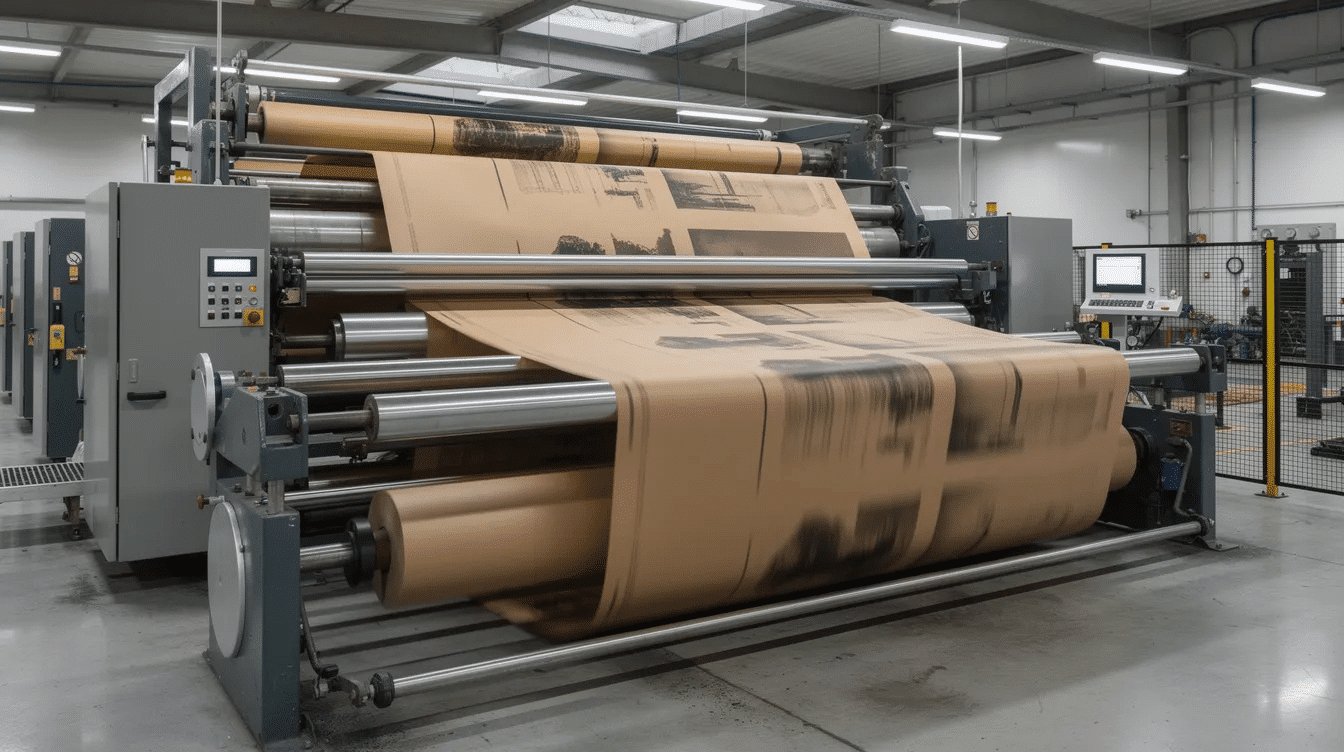
Flexographic printing is a fast, scalable, and eco friendly method for kraft paper packaging, ideal for high-volume manufacturing. The process uses flexible plates and fast-drying water-based inks that bond well with kraft fibers.
Flexo presses can print continuously on rolls of kraft material, supporting large-scale operations with minimal downtime. It’s popular for shipping boxes, grocery bags, and custom kraft paper rolls for branded wrapping.
Simpler designs—solid logos, text—print well, but complex multi-color images may appear less vivid. Use limited spot colors and solid fills in flexographic designs for best results. This method excels when you need more quantities at lower per-unit costs.
Digital Printing on Kraft
Digital printing is the most flexible option for short runs and variable designs—personalized cards, small-batch packaging, or custom size orders. It handles full color graphics and gradients better than flexo for small orders.
Digital presses require no plates and work well for quick turnaround projects. This makes it cost-effective for runs starting from just a few dozen pieces. Smooth, bleached, or coated kraft papers produce the best results as the even surface supports sharper image reproduction.
Use digital for test runs, limited-edition collections, Etsy sellers, and events with multiple design versions. It’s faster to set up and perfect for when you need flexibility over volume, or when producing creative and useful printables for everyday occasions alongside your kraft pieces.
Offset Printing on Kraft
Offset printing is widely regarded as the most precise and reliable method for kraft paper packaging that demands high-definition results. It transfers ink from a plate to a rubber blanket, then onto the kraft substrate, producing even color coverage and sharp details.
Offset delivers very sharp lines and consistent color, ideal for large-volume, high-detail kraft projects. It’s suitable for catalog covers, premium boxes, stationery, and big retail campaigns on specialized kraft stocks.
Offset is more economical at higher quantities due to plate setup costs—there’s a break-even point where offset becomes cost-effective compared to digital. Prepare artwork in CMYK with ink coverage guidelines to prevent over-inking on absorbent kraft.
Popular Kraft Paper Printing Applications
Kraft is now widely used beyond shipping boxes—from boutique packaging to art prints to branded business materials. The natural appearance aligns with brands in food, wellness, handmade goods, and sustainable fashion.
Growing demand post-2020 for eco-forward packaging in e-commerce and local retail has pushed kraft printing into premium, intentional design categories where the unboxing experience has become a marketing asset.
Kraft Business Cards & Stationery
Brown kraft business cards printed on 18 pt or 100# cover stock are sturdy, tactile, and distinct from standard glossy cards. The natural appearance immediately communicates differentiation to recipients.
Keep designs simple: bold typography, clean logos, and either black ink or white ink to maintain sharp, readable details. Options include square cuts, rounded corners, and matching kraft envelopes for cohesive stationery sets.
These cards are ideal for creative professionals, independent makers, and eco-conscious service businesses, including those focused on paper crafts that sell well for crafters. The tactile quality creates a memorable first impression that digital and standard glossy cards cannot match.
Greeting Cards, Invitations & Event Collateral
Uncoated kraft makes greeting cards and invitations feel warm, handmade, and personal. Use 18 pt or similar thick stocks for cards that need to stand upright and feel premium in the hand.
Hand-written notes look excellent on kraft—the uncoated surface accepts pen readily. Gel pens and metallic markers are especially effective for added flair. Match kraft envelopes with simple black or white ink print for weddings, rustic-themed events, and seasonal cards.
This application directly leverages kraft’s aesthetic alignment with authenticity and personal connection, making it a natural fit for enthusiasts who follow Simply Paper Crafts for paper crafting inspiration.
Custom Packaging, Bags & Wrapping Paper
Custom printed kraft bags with logos, taglines, and website URLs function as moving advertisements for shops and events. Custom kraft paper wrapping paper creates signature unboxing experiences for boutiques and online brands.
Food-safe coatings or liners keep grease from soaking through bags containing baked goods or deli items. This maintains functionality while supporting sustainability messaging.
Bulk orders are common for retail chains, while shorter runs work for seasonal campaigns or product launches. Two great options exist: high-volume flexo printing for company-wide rollouts, or digital printing for smaller, customized batches.
Labels, Tags & Retail Media
Kraft hang tags and labels pair well with clothing, candles, and handcrafted products, reinforcing a natural image. Small-format printing on thicker kraft works for tags; adhesive-backed kraft handles labels and stickers.
Design ideas include die-cut shapes, simple line art, and stamped or printed logos in a single darker color. These design elements are popular with marketplace sellers and brick-and-mortar boutiques alike—great options for any brand wanting to communicate authenticity.
Practical Tips: File Prep, Turnaround & Sustainability
This section answers typical customer questions: how to prepare files, what timelines to expect, and how eco friendly kraft really is.
Preparing Your Artwork for Kraft Printing
Design in CMYK color mode and avoid extremely light tints that may disappear on brown kraft. What looks fine on screen may vanish against the natural brown base.
Use vector-based logos and text where possible to keep edge quality clean, especially on small fonts and fine details. Standard print specs apply: 300 dpi resolution for images, 1/8 inch (3 mm) bleeds, and safe zones away from the edges.
Include a note to your printer if your design depends heavily on specific color accuracy or uses white underlay techniques. Communication prevents misunderstandings and ensures appropriate technique adjustments.
Production Times & Shipping Expectations
Expect 4–6 business days for most kraft card and stationery production, plus 2–6 business days for standard ship times. Plan accordingly for your project timeline.
Order early for seasonal peaks—late Q3 and Q4 holiday rush creates longer production queues. Specialty finishes, foil stamping, or complex die-cuts on kraft may add extra days to turnaround.
Rush or expedited shipping options exist for last-minute campaigns, but design and proof approval must come first. Build review time into your schedule.
Sustainability & Brand Positioning
Using high recycled-content kraft reduces demand for virgin paper and aligns with modern ESG goals. Communicate your use of recycled kraft on packaging or cards—a small line on the back panel works well.
Kraft’s visual language—natural brown, visible fibers—signals authenticity and low-waste values to customers without requiring extensive explanation. The material itself tells the sustainability story.
Consider adding QR codes or URLs on kraft materials to share sustainability stories or certifications on a landing page. This creates a complete brand narrative rather than relying solely on kraft’s appearance.
When Kraft Paper Is (and Isn’t) the Right Choice
Kraft is excellent for rustic, natural, and minimal designs but not ideal when maximum color vibrancy is required. Photography-heavy brochures, neon colors, and ultra-glossy brand identities work better on white or coated stocks.
Mixing materials is common: kraft for mailers and tags, white coated for catalogs and inserts. This portfolio approach acknowledges kraft’s specific strengths without forcing it into inappropriate applications.
The scratch and tear resistance of kraft makes it durable for shipping and handling, while the elegant, warm appearance creates brand differentiation at the shelf or in the customer’s hands.
Start with samples before committing to a large run. Review your templates and layout on actual kraft stock to verify colors reproduce as expected. Order a test print to see kraft printing results firsthand—it’s the only way to truly understand how your brand will look on this distinctive, authentic material.