
If you’ve been wondering about junk journaling and what supplies you actually need to get started, you’re in the right place. The good news is that this craft is one of the most accessible creative projects you can dive into. Unlike scrapbooking or other paper crafts that require specialty tools, making junk journals thrives on repurposing everyday materials you probably already have in your house.
This guide breaks down everything from absolute essentials to fun upgrades, helping you build your stash without breaking the bank or cluttering your space with stuff you’ll never use.
- Quick Start: What Do I Actually Need to Begin?
- Paper: The Heart of Every Junk Journal
- “Junk” & Ephemera: Turning Everyday Trash into Treasure
- Cutting Tools: Scissors, Paper Trimmers & Rulers
- Glue & Adhesives for Junk Journals
- Inks, Stamps & Coloring (Optional but Fun)
- Binding Basics: How to Turn Pages into a Journal
- Junk Journal Elements & Embellishments
- Nice-to-Have Junk Journal Supplies (Upgrade List)
- Where to Find Junk Journal Supplies (Mostly Cheap or Free)
- FAQ About Junk Journal Supplies
- Putting It All Together: Your First Junk Journal Kit
Quick Start: What Do I Actually Need to Begin?
Here’s the truth that experienced junk journalers will tell you: you can start your first junk journal today with supplies already sitting in your kitchen drawer.
The 4-6 Absolute Essentials:
- Mixed paper — junk mail, copy paper, brown bags, old magazines
- Scissors — any decent pair dedicated to paper
- Glue — a basic glue stick or PVA glue
- Needle and thread — for simple binding (waxed thread is ideal but regular works)
- Ruler — for measuring and creating a straight line when tearing pages
- Awl or thick needle — for punching holes (a thumbtack works in a pinch)
You don’t need a dedicated craft room, expensive tools, or years of experience in art journals to create something beautiful. According to supply lists from beginner guides, about 90% of homes already contain these basic materials.
Starter Budget: Under $20 in 2026 prices, and that’s if you’re buying everything new. Most things can be sourced for free or from thrift stores.
Paper: The Heart of Every Junk Journal
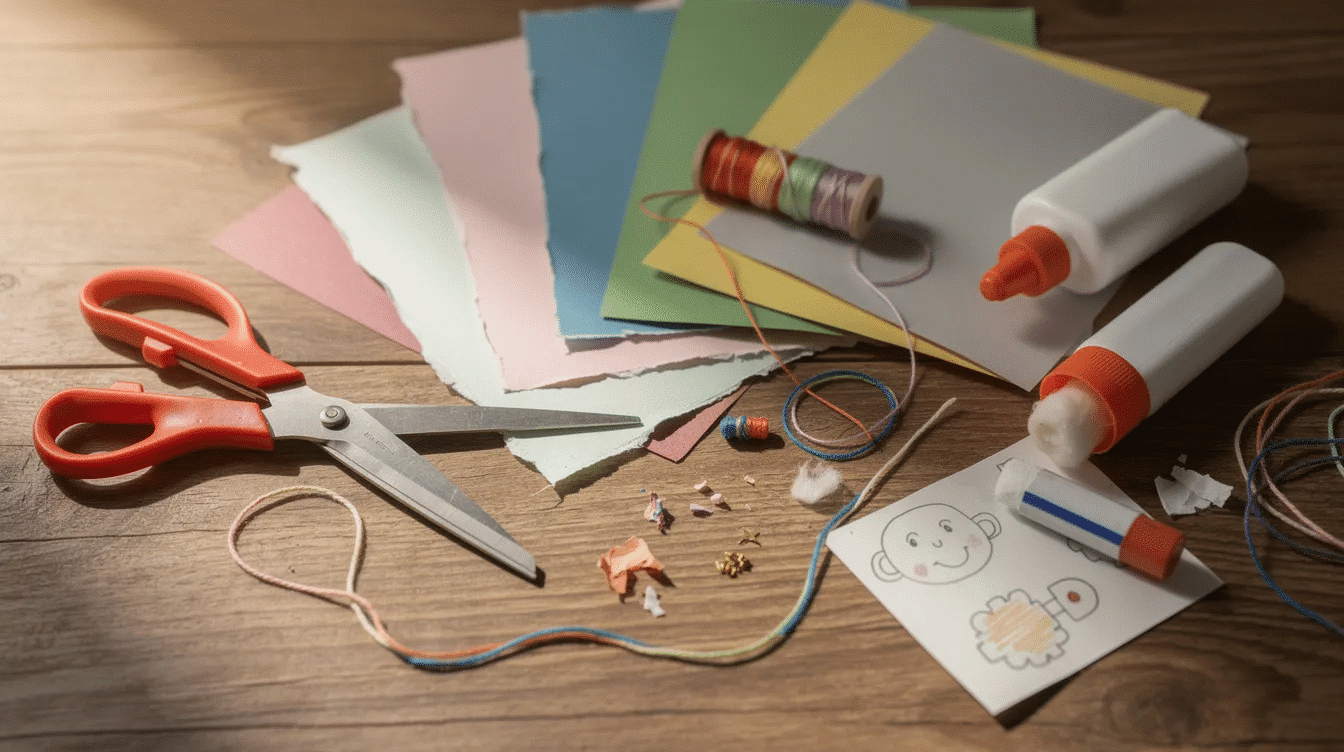
Paper forms 60-80% of any journal’s volume, making it your most important supply. The fun part? You can use both fresh paper and recycled ephemera to create rich, textured pages, and choosing the best types of paper for craft helps you match weight and texture to each technique.
Everyday “Junk” Paper Sources:
- 2025-2026 junk mail (catalogs yield 10-20 textured sheets each)
- Brown grocery bags for warm kraft tones
- Amazon packaging paper and bubble-wrap liners
- Old magazines for vibrant collage fodder or rolling into paper beads for DIY jewelry projects
- Bill envelopes dissected into mini-pockets
- Book pages from damaged old books
Fresh Paper Recommendations:
- Inner pages: 80-100 gsm (20-24 lb) printer paper — Amazon Basics 20 lb copy paper works perfectly at around $10 per 500-sheet ream
- Covers: 160-220 gsm (65-80 lb) cardstock — Neenah 110 lb cardstock resists warping and withstands constant flipping
- Journaling spots: Index cards (3×5 inches, 100 gsm) provide stable writing surfaces
Any similar scrapbook paper or cardstock works fine. The brand matters far less than getting the right weight for your purpose, and a curated list of top craft paper supplies for creative projects can help you compare options without overspending.
Techniques to Try:
- Tea-dyeing pages (steep in black tea 10-30 minutes for sepia aging effects)
- Coffee staining for darker, mottled vintage looks
- Mixing white, cream, and colored pages for visual contrast
- Printing digital kits if you have access to a printer
“Junk” & Ephemera: Turning Everyday Trash into Treasure
The term “junk” in junk journaling refers to ephemeral, disposable items repurposed to tell stories. Ephemera specifically comes from the Greek “ephēmeros” (lasting a day) — things meant to be thrown away that you transform into lasting art, very similar to many vintage paper craft ideas using old materials.
Common Items to Start Saving:
- Receipts (thermal paper creates interesting overlays)
- Ticket stubs from concerts, movies, or transit
- Clothing tags with woven textures
- Cereal boxes (250 gsm board, perfect for tags)
- Book pages from yellowed novels
- 2020-2024 calendars with dated motifs
- Old maps (fold into bellows pockets)
- Vintage paper from estate sales or thrift stores
How to Use Them:
- Transform envelope flaps into side-seam pockets
- Cut packaging inserts into dangling tags
- Fussy cutting images from catalogs for collage
- Create see-through frames from plastic blister pack windows
- Layer vintage ephemera for dimensional clusters
Storage Tips:
Keep labeled shoeboxes or envelopes organized by type: “tickets/paper,” “packaging/plastic,” “labels/tags.” Collectors report gathering 500+ items annually without overwhelm when sorted quarterly. The key is having a system before your stash takes over.
Cutting Tools: Scissors, Paper Trimmers & Rulers
You can start with one good pair of scissors and add other items as you grow into the craft.
Paper Scissors: Your everyday workhorse for general cutting. A $6 Westcott ergonomic pair cuts cleanly through 20-30 sheets. Keep these dedicated to paper — using them on fabric dulls the blade quickly due to different metallurgy requirements.
Detail Scissors: Small curved-blade scissors (around 4 inches) excel at fussy cutting intricate images from magazines without fraying edges. Essential once you start doing more collage work.
Paper Trimmer: A rotary or guillotine trimmer creates perfectly straight edges and handles batch cutting efficiently. A 12-inch Fiskars model runs $15-25 and cuts 50+ pages hourly with error margins under 1mm — far better than handheld scissors can achieve.
Metal Ruler: Choose one with cork backing. The cork prevents slipping and protects your desk when using a craft knife. Also perfect for controlled tearing to create organic, deckled edges.
Quick Tip: Avoid using fabric scissors on paper. The blade metallurgy differs — paper blades harden to 60 HRC to handle abrasiveness, while fabric scissors use softer steel for flexibility.
Glue & Adhesives for Junk Journals
Different adhesives work best for different tasks. Understanding when to reach for which glue saves frustration and keeps your pages looking good for years.
Glue Sticks: Beginner-friendly with dry times under 60 seconds. Perfect for quick paper layers. Scotch pH-neutral sticks (around $6 for two) work well, though they may peel after 6-12 months in humid conditions. Dollar-store generics are fine for practice journals.
PVA Glue: The go-to for strong, archival adhesion. Bookbinding-grade PVA (like Lineco neutral pH, $8-12) penetrates paper fibers without warping and holds 5-10 lb per square inch. Choose acid free options for keepsake journals — properly made PVA bonds remain fade-resistant 50+ years.
Specialty Glues: For fabric, trims, lace, and metal bits, products like Fabri-Tac ($7) provide flexibility post-dry without cracking. Consider these “nice-to-have” upgrades once you’re adding more dimensional elements.
Double-Sided Tape: Tape runners (Scotch refills run about $12 for six) deliver clean, warp-free attachment for photos and thin papers. At 0.2mm thick and acid-free, they outperform wet glues on glossy surfaces.
Inks, Stamps & Coloring (Optional but Fun)
Inks and rubber stamps aren’t required, but they’re wildly popular — about 80% of junk journalers use them according to community polls. They add that grungy, aged look that defines the aesthetic.
Essential Distress Inks:
- Vintage Photo — tea-like brown, the most versatile shade
- Walnut Stain — dark umber for dramatic aging
- Tea Dye — subtle beige for light antiquing
Ranger Distress Inks dominate this category, with each pad covering approximately 100 pages when applied via daubers for edge-blending.
For Glossy Surfaces: Waterproof permanent pads (StazOn-type, around $8) stamp cleanly on acetate, photos, or other non-porous materials without bleeding.
Budget Alternatives:
- Brown Sharpie markers ($1, alcohol-based for bleed-proof edges)
- Expired eyeshadow (mica pigments mimic metallic inks)
- Coffee or tea dips for organic staining
- Cosmetic wedges instead of $5 blending brush sets
Application Tools: Daubers, blending brushes, or DIY options like cosmetic sponges ensure even ink distribution along page edges and tags.
Beginners can absolutely skip this category initially. Focus on structure first, then add ink play once you’re comfortable with the basics.
Binding Basics: How to Turn Pages into a Journal
Binding is simply how you attach loose pages into a cohesive book. Even the simplest method creates a functional journal, so don’t let this step intimidate you.
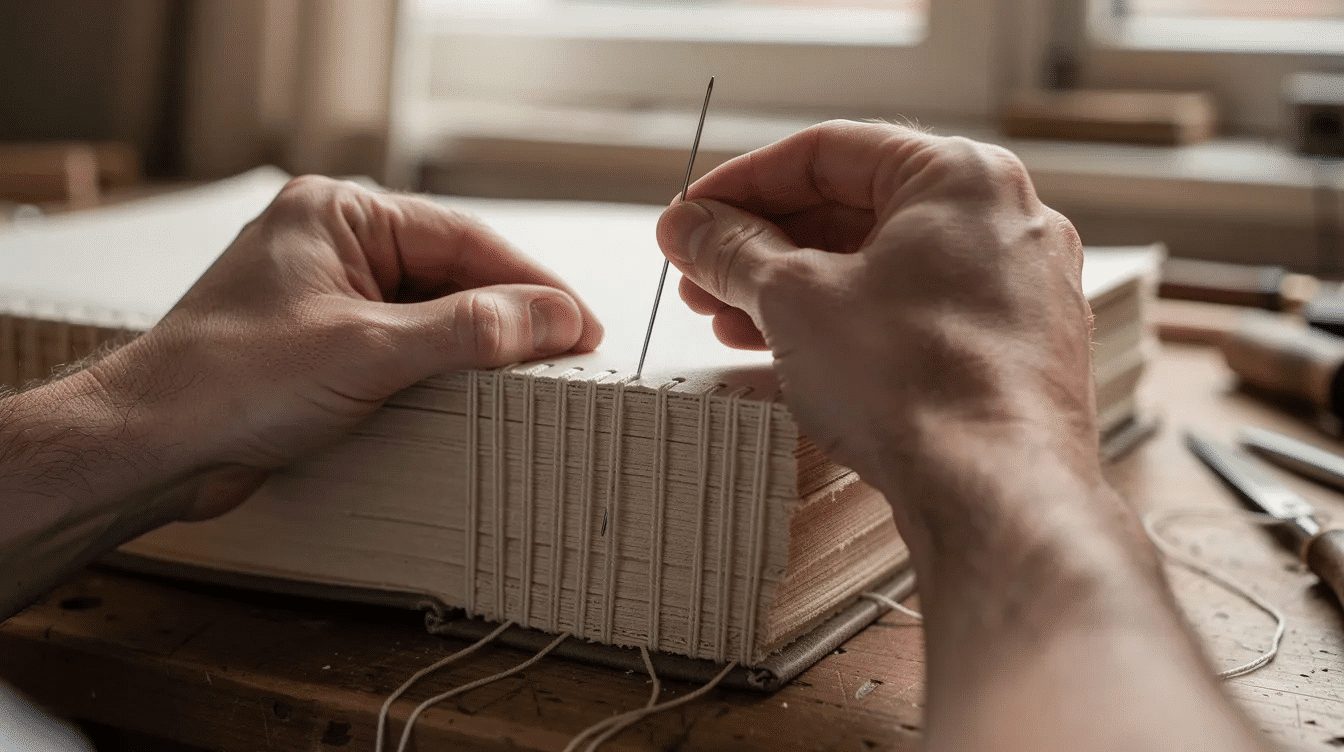
The 3-Hole Pamphlet Stitch (Recommended for Beginners):
This technique needs just three tools:
- An awl (or thumbtack/thick needle substitute)
- Waxed linen thread (50-yard spool costs about $3)
- A basic needle
Drawing from 16th-century coptic techniques, this binding secures 10-20 signatures in under 10 minutes. The result lies flat and remains expandable — perfect for adding more pages later.
Alternative Methods:
- Rubber-band or twine wrap binding for quick, temporary journals
- Staples for mini notebooks (limited to 1/4-inch paper stacks)
- Simple hole-punch with ribbon or twine threading
Binding Kits: Since around 2020, affordable kits bundling needles, awl, waxed thread, and bone folder have been widely available online for about $15. These make great gifts for anyone new to the craft.
A Note on Machine Sewing: Stitching along the spine with a sewing machine adds durability (nylon thread withstands 20 lb pull), but it’s entirely optional. Hand sewing works perfectly for 95% of beginner projects and avoids the $100+ machine investment.
Junk Journal Elements & Embellishments
These are the interactive, dimensional pieces that make junk journals tactile and fun to explore.
Common Components:
- Tags — information holders, often with punched holes for attachment
- Pockets — three-sided glued spaces to tuck notes or ephemera
- Tucks — slit-insert scraps that slide into cuts in pages
- Envelopes — scaled-down mailers for hiding treasures
- Clusters — layered ephemera groupings for visual impact
- Flip-outs — hinged overlays that reveal content underneath
Beginner Elements from Scraps:
- Tags from cereal box cardboard (cut, punch hole, done)
- Pockets from folded book pages glued on three sides
- Belly bands from strips of scrapbook paper wrapped around page groups
- Mini envelopes from bill envelope dissection
- Simple flip-outs from paper hinged with washi tape
Easy Decorations:
- Stickers ($5-15 for vintage sets of 120+ pieces on Etsy)
- Washi tape (decorative masking tape, $3 per roll)
- Printable ephemera downloaded and printed at home, plus other creative and useful things to print on paper like labels, calendars, and tags
Texture Additions: Fabrics, lace, and ribbon add dimensional interest. Source these from thrift stores, old clothing, or leftover sewing projects. Consider these “nice-to-have” embellishments rather than day-one requirements.
Nice-to-Have Junk Journal Supplies (Upgrade List)
Once you know you enjoy junk journaling, these tools take your projects to the next level.
Punches:
- Corner rounder ($7 for We R Memory Keepers version) — creates polished tag corners and thumb notches
- Circle punches for confetti shakers and decorative elements
- Slot punches for tag tops
Punches cut approximately 100 shapes hourly compared to tedious scissor work.
Sewing Machine: A basic Brother model (around $120) reinforces covers, creates decorative stitching on pages, and speeds up pocket construction. Stitches at 800 SPM for serious efficiency gains.
Fabrics and Trims:
- Vintage lace (1990s lace bags run $20 on Etsy)
- Chiffon and ribbon ($15 Amazon bundles)
- Fabric scraps from thrift store curtains or clothing
Eyelet Tools: Crop-a-Dile ($25) sets 1/8-inch grommets that withstand 50 lb tear resistance. Perfect for adding functional eyelets to tags and covers for both strength and decoration.
These items are fun extras that enhance professionalism and creative options — not requirements for beautiful journals.
Where to Find Junk Journal Supplies (Mostly Cheap or Free)
Smart sourcing keeps this hobby affordable. Here’s where to look for materials and inspiration from simple paper crafts:
Around Your House:
- Kitchen packaging (cereal boxes, food wrappers, tissue boxes)
- Daily mail accumulation
- Office recycling bins
- Kids’ old school papers (elementary school artwork makes great ephemera)
- Outdated planners from 2022-2025
Thrift Stores and Charity Shops:
- Damaged books for pages
- Sheet music bundles (TripleVVintage sells bundles for $8)
- Fabric scraps and lace curtains
- Vintage postcards and greeting cards
- Old photo albums
Dollar Stores:
- Glue sticks and basic glue ($1-2)
- Generic scissors
- Index cards and envelopes
- Occasional paper pads
Craft Stores:
- Watch for 40% off sales at Hobby Lobby
- Clearance cardstock and scrapbook paper
- Seasonal ephemera after holidays
Online Options:
- Etsy digital printable kits ($5-14) and family-friendly cute paper craft ideas for easy DIY projects
- Amazon bookbinding kits (under $15)
- YouTube videos for new ideas and inspiration, or diving into a beginner’s guide to paper quilling art for intricate embellishments
- Facebook groups for supply swaps
Estate Sales: Often overlooked goldmines for vintage paper, old magazines, postcards, and ephemera at rock-bottom prices.
FAQ About Junk Journal Supplies
Quick answers to questions beginners ask most often.
What are the absolute minimum supplies I need to start?
Paper, scissors, glue, something to punch holes (thumbtack or awl), and thread. That’s genuinely it. Everything else enhances the experience but isn’t required to create your first junk journal.
Do I need a printer or digital kits?
No. You can start entirely with physical junk and found papers. A printer is helpful later for scaling up with printable ephemera, but plenty of journalers never use one. Physical materials provide more than enough inspiration.
Is a sewing machine required?
Absolutely not. Hand stitching or non-sewn bindings like rubber-band wraps work perfectly for first journals and beyond. Machine sewing is a durability upgrade for those who want it, not a necessity.
How do I keep costs low?
Focus on recycled materials from your house and neighborhood. Invest in one good glue and one cutting tool. Add extras slowly as you identify what you actually use. The 40% abandonment rate among new hobbyists often stems from overbuying initially — start minimal and expand based on real needs.
Where should I shop for journal supplies?
Start at home, then hit thrift stores and dollar stores before craft stores. Online shops like Etsy offer great digital kits and specialty items, but watch for coupons and sales rather than paying full price.
Putting It All Together: Your First Junk Journal Kit
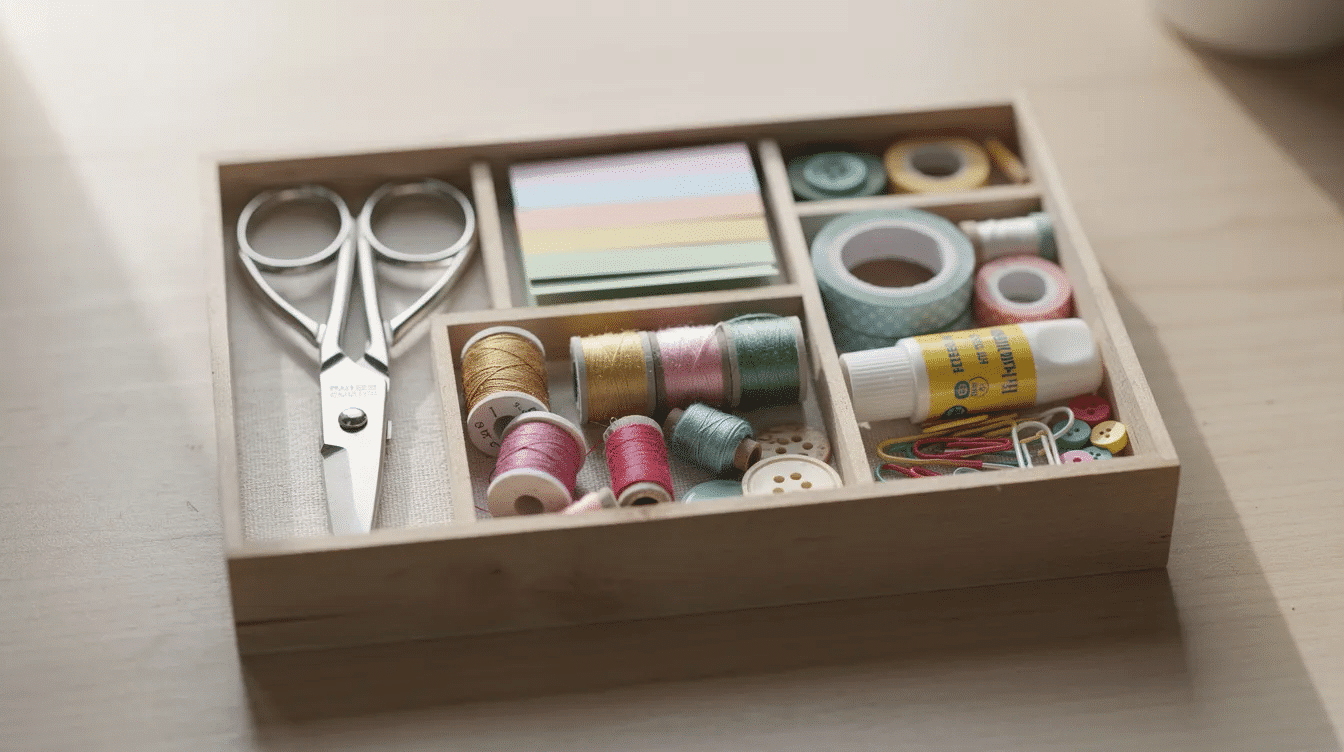
Here’s your starter kit combining the must haves from each section:
- Paper assortment — mixed weights from junk mail, copy paper, and one package of cardstock
- Scissors — one decent pair dedicated to paper
- Glue — one PVA bottle or several glue sticks
- Needle and waxed thread — for pamphlet binding
- Awl or heavy needle — for punching holes
- Metal ruler — for measuring and controlled tearing
- Small junk collection — envelopes, tickets, tags, packaging
- Black pen — Pentel EnerGel ($5) or any smooth writer
- Washi tape — one or two rolls for quick decoration
- Small storage box — to keep everything together
Assemble these in a portable box or pouch. You can grab this kit and craft at a kitchen table, small desk, or anywhere with a flat surface.
Your First Project Goal: Create a 10-15 page journal using mostly recycled papers and one or two decorative extras. Don’t aim for perfection — junk journaling embraces the grunge aesthetic and celebrates imperfection.
The best junk journal supplies are the ones you already have. Creativity matters infinitely more than tools, and the history of this craft proves that beautiful journals emerge from the simplest materials. Stop scrolling for the perfect supplies and start making. Your first journal is waiting to be created from the paper sitting in your recycling bin right now.