Key Takeaways
- Beginners can make a paper garland in 60–90 minutes with paper, scissors, glue, tape, or a sewing machine.
- This diy garland guide covers three styles: classic paper chain, folded shapes, and sewn paper circles.
- You’ll learn how to choose a color palette, cut paper pieces consistently, and hang a garland without damaging a wall.
- No-sew methods are easiest for kids; sewn garlands look polished and store flat.
- The FAQ covers durability, storage, child safety, and eco-friendly paper crafts.
Introduction: Why Make a DIY Paper Garland?
A paper garland is a decorative chain, banner, or strand made from repeated shapes. It can decorate a birthday party, baby shower, christmas decor setup, Christmas 2026 mantel, nursery, table, tree, or everyday house corner.
Paper garlands are low-cost, cute, and easy to customize, making them perfect if you love browsing Simply Paper Crafts for inspiration. You can create your own garland from construction paper, kraft paper, brown wrapping paper, scrapbook paper, old book pages, or scrap paper. Using recycled materials helps reduce waste and adds a unique touch to the decorations.
This post, published for first-time crafters, covers glue-and-staple chains, folded stars and hearts, book-page orbs, and sleek sewn strands. If you want more background on paper types, paper weight is often measured in gsm, which affects folding and durability.
Planning Your Paper Garland (Colors, Length, and Style)
Before you cut, decide the purpose, desired length, and style. A 6–8 ft paper chain works for a child’s party; a 12–16 ft sewn garland is better for a mantel, stair rail, or holiday decor.
Choose a color palette that fits the moment: red and green for christmas, pastels for spring 2026, orange and brown for fall, or neutrals for a minimalist wall. Alternating colors or patterns makes the garland stand out in photos and real life.
Measure the space, then add 20–30% extra for drape. For chains, expect about 10–12 loops per foot. For sewn 2-inch shapes, plan around 4–6 paper pieces per foot when planning paper birthday decorations for a celebration. Thicker paper holds shape better, while thinner paper is easier to fold. Cardstock holds shape best while text-weight paper allows fluid movement.
Supplies You’ll Need
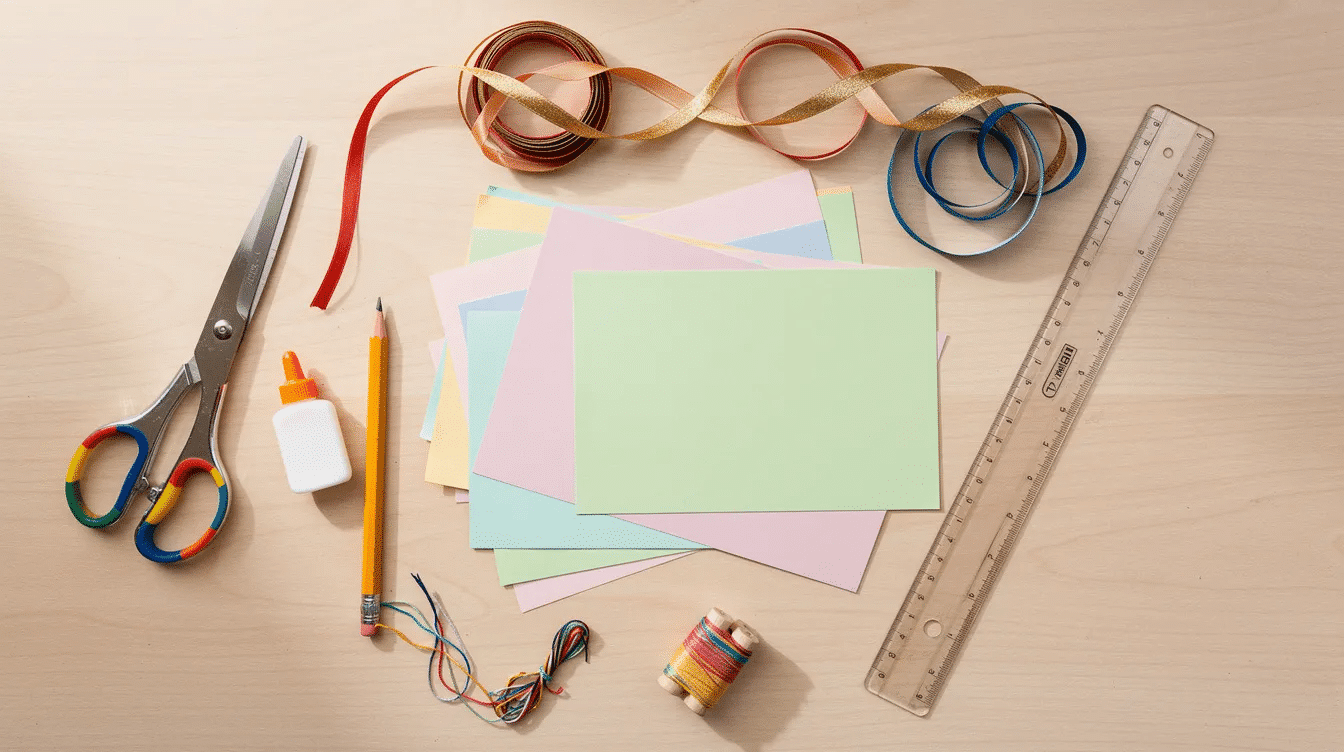
Here are the supplies for both no-sew and sewing-machine methods:
- paper: cardstock, construction paper, tissue paper, crepe paper, kraft paper, scrapbook paper, or old pages
- scissors, precision scissors, craft knives, or specialized paper punches
- standard ruler and a pencil for layout alignment
- pencil or marker for tracing
- glue stick, liquid craft glue, hot glue, hot glue gun, stapler, staples, tape, or double sided tape
- ribbon, twine, fishing line, floral wire, fine wire, or thread
- optional: circle punch, cutting mat, craft knife, washi tape, glass, cup, or jar for tracing a circle
Cardstock is suitable for structured shapes, construction paper for bold colors, and tissue paper for delicate designs. If you want to explore more top craft paper supplies for creative projects, crepe paper is a popular choice for making decorative paper garlands, often used in combination with other materials like floral wire and glue.
For sewing, use a basic domestic sewing machine, all-purpose thread, a 70/10 or 80/12 needle, and a standard presser foot. Supervise kids with scissors and staplers, and unplug the machine when not in use.
Method 1: Classic Paper Chain Garland
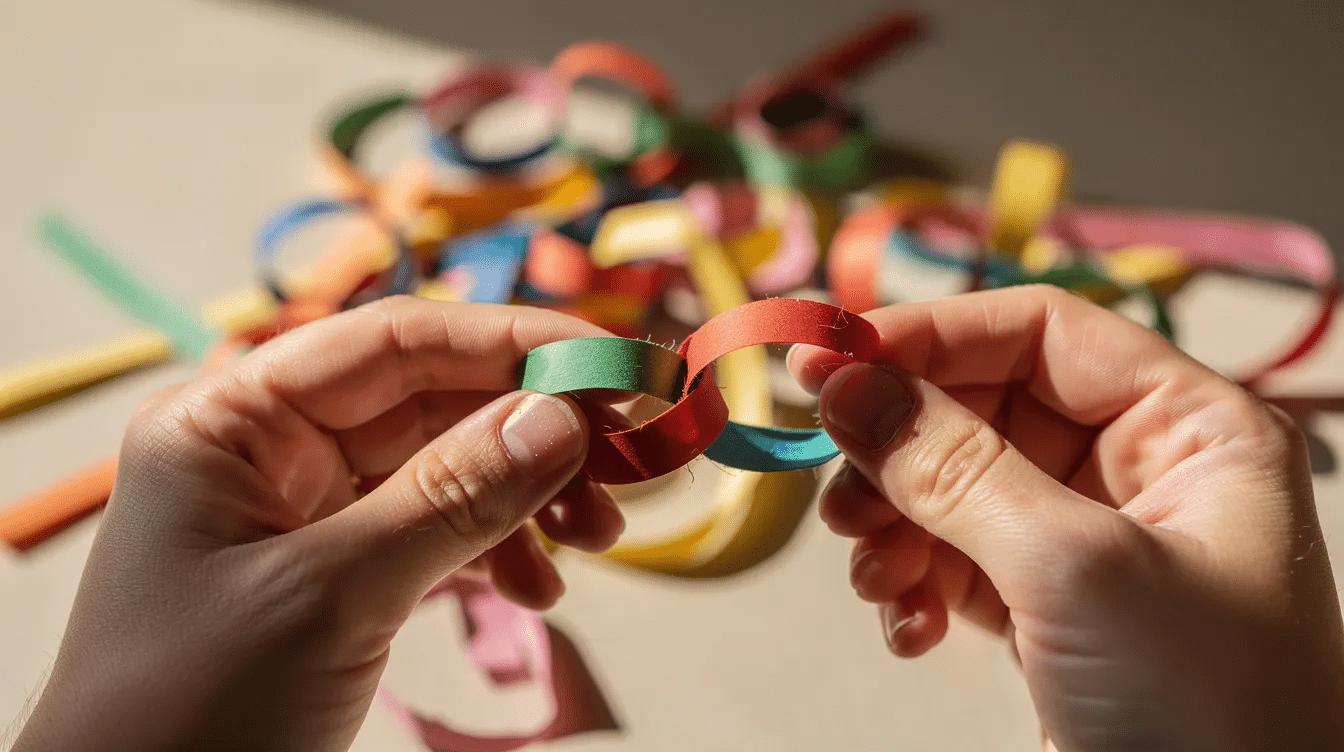
This is the easiest way to make a festive paper garland with strips and interlocking loops.
- Cut each 8.5” x 11” sheet into 1” x 11” strips. A good standard size for garland segments is about 3 inches wide and 12 inches long if you want larger loops.
- Form one strip into a loop.
- Secure it with glue, tape, hot glue, or two staples.
- Thread the next strip through the first loop and secure it the same way.
- Repeat until the chain reaches the desired length.
Try red–white–red–white, rainbow order, or green and gold for festive rhythm. Make a 12” sample first, count the loops, then multiply for the full length.
Method 2: No‑Sew Folded Shape Garland (Stars, Hearts, and More)
This diy paper method uses folding and cutting to create connected shapes without a sewing machine.
Fold paper accordion-style. Folding paper in half and then folding the halves in half again creates crisp, sharp creases for garland, similar to techniques used when making different kinds of paper stars. Keep the folded edges neat because they form the connection points.
Draw a star, tree, house, or half-heart so the outer edges touch the folds. Using sharp scissors, cut along traced lines through all layers of the folded paper while leaving fold connections intact. Do not cut across the middle connection unless you want separate shapes.
Unfold the strip to reveal connected decorations. To create a paper garland, you can fold paper in an accordion style, cut shapes like stars or hearts, and then unfold them to reveal connected decorations.
A simple method for making a no-sew paper garland involves using colorful paper scraps, cutting them into desired shapes, and stringing them together without any sewing required. Secure shapes with a glue stick, hot glue gun, or stapler.
For Valentine’s Day 2027, create heart-shaped paper banners by folding paper and cutting out half-heart shapes, similar to star shapes used for other occasions.
Method 3: Sewn Paper Garland Using a Sewing Machine
A sewn paper garland looks polished, packs flat, and gives paper circles a floating look. Choosing the best types of paper for craft helps it hold its shape and is ideal for modern decor, a baby shower, or a photo backdrop.
Cut shapes first. Use a punch, precision scissors, or trace cups and a glass to cut circles, stars, doves, or flowers from cardstock or scrap paper. For a dimensional look, you can create paper orbs by cutting circles from paper, folding them, gluing them together, and adding twine to hang them as a garland.
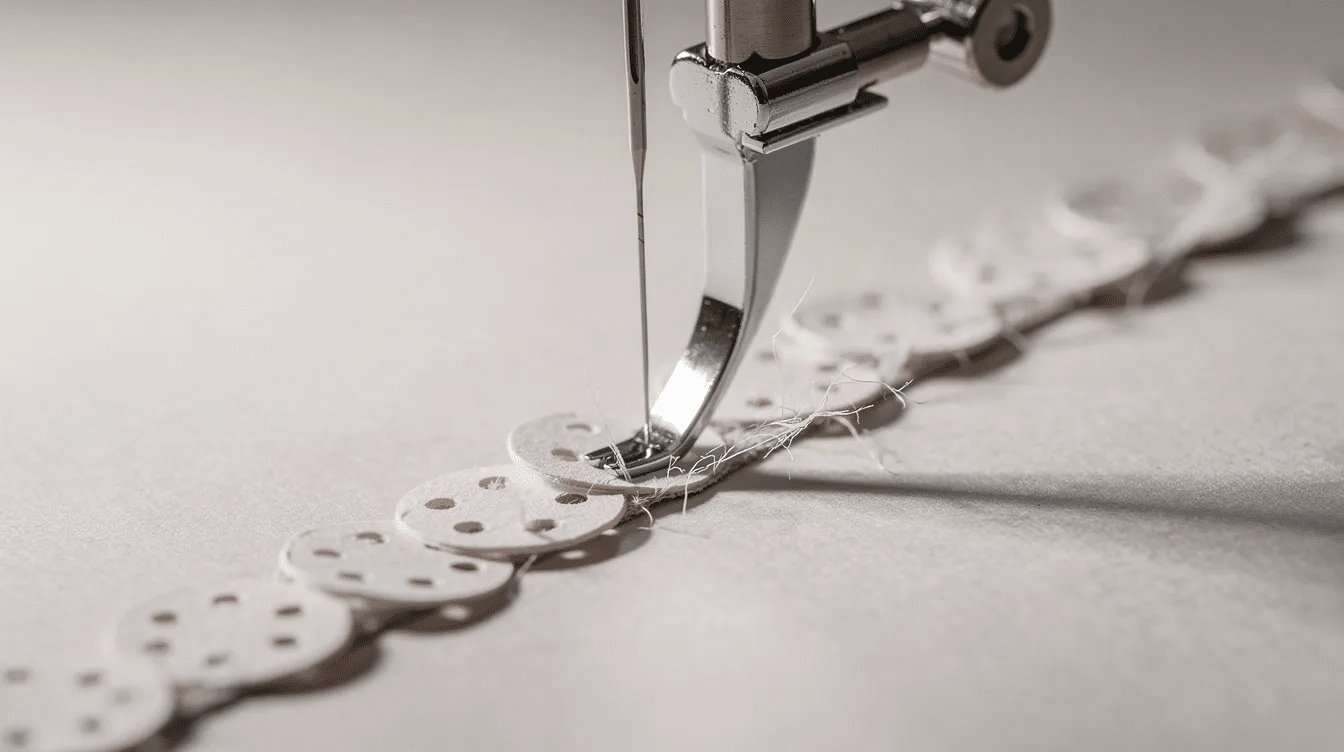
Set the sewing machine to a straight stitch, medium stitch length, and test tension on scrap paper. Do not backstitch; it can tear the material. Use a spare needle for paper, then replace it before sewing fabric.
To sew, place one piece under the presser foot and stitch through the center. Sew a few empty stitches, then add the next shape. Use 0.5”–1” gaps for an airy strand, or no gap for dense confetti style. Support the garland on the table so it does not drag.
If using two pieces for a thicker ornament, align edges carefully and stitch through the middle. Brush away paper dust after the project.
Creative Variations and Themes
Once you know how to make a paper garland, try these ideas:
- Metallic stars for New Year’s Eve 2026.
- Red and gold chains for Lunar New Year.
- Green foliage shapes for St. Patrick’s Day.
- Rainbow garlands made from colorful paper scraps; they are ideal for St. Patrick’s Day, parties, or nurseries and pair well with cute crafts paper ideas for fun DIY projects.
- Book-page circles, heart shapes, or music-sheet garlands inspired by vintage paper craft ideas.
- Using old book pages to create circular orbs for a paper garland is a creative way to repurpose materials, especially if you enjoy making and using handmade paper sheets, allowing for a unique and personalized decoration that can be used year-round.
- Mix sewn circles with folded paper flowers or greenery.
How to Hang and Display Your Paper Garland
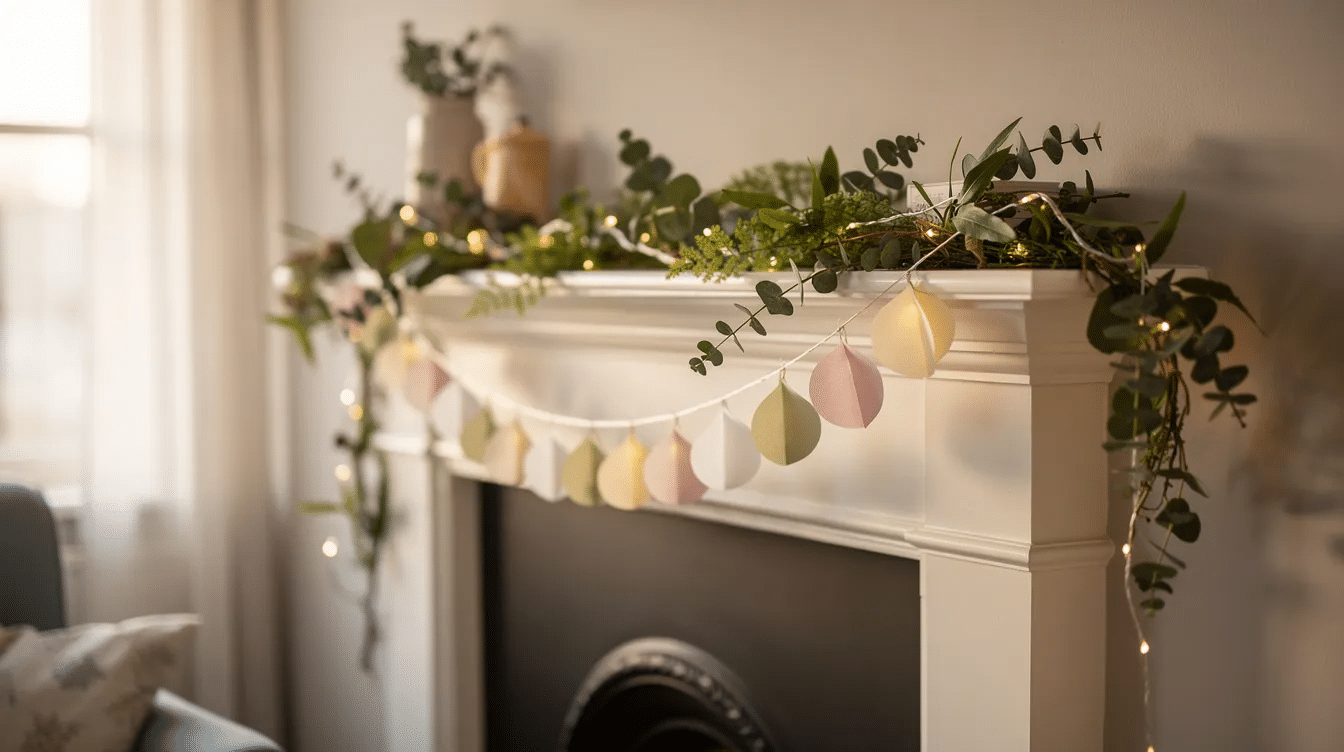
Proper hanging keeps delicate paper from tearing. Use removable hooks at each end of a mantel, shelf, doorway, or wall. Attach ribbon, twine, or fishing line to the garland ends, then loop them over hooks.
For rentals, use painter’s tape behind the garland, matching washi tape, or thumbtacks only in wooden trim. Layer the garland with greenery, cool LED lights, or fabric bunting. Try vertical strands behind a cake stand, across a party dessert table, or over a banner.
Caring For, Storing, and Reusing Paper Garlands
Detach carefully, then straighten twists before packing. Coil chains loosely into bags or boxes. Separate delicate sewn strands with tissue paper.
Store in a cool, dry place away from direct sunlight to prevent fading and warping. Repair weak links with glue, trim frayed edges, or attach an extra shape over a rip. Keep a labeled envelope of leftover strips and shapes for next season.
FAQ
Can I make a paper garland without any special tools?
Yes. You can make a basic garland with paper, scissors, glue or tape, and string. Cut rectangles by hand and tape them into loops for a 6–8 ft chain in under an hour. If you do not own punches, trace cups, lids, or jars.
Will sewing through paper damage my sewing machine?
Most domestic machines can handle light to medium paper if you avoid thick stacks, glitter paper, and heavy coated sheets. Use a sharp spare needle, sew slowly, and clean paper dust from the feed dogs and needle plate afterward.
What type of paper works best for long-lasting garlands?
Use 65–80 lb cardstock or quality scrapbook paper for reusable garlands. Thin printer paper and book pages look delicate and move beautifully, but they tear more easily if handled roughly or exposed to moisture.
How can I make my paper garland more eco-friendly?
Use recycled paper, old magazines, children’s artwork, outdated calendars, kraft paper, or scrap paper. You can even turn leftovers into creative paper bead jewelry projects. Choose neutral designs you can reuse across seasons instead of making single-use decorations.
Is a paper garland safe to use with lights and candles?
Paper is flammable. Never place a garland near candles, fireplaces, or hot bulbs. If you pair paper with lights, use cool LED string lights and keep space between the lights and paper.