

Key Takeaways
- Choose your drying method based on climate conditions, available space, and desired paper texture – air drying works best in dry climates while loft drying is ideal for humid environments
- Remove excess water immediately after forming by gently pressing with absorbent towels before moving to your chosen drying method
- Ensure proper air circulation around drying papers to prevent mold growth and uneven drying that can cause cockling
- Air drying is the simplest method but may result in curling or cockling, requiring re-flattening
- Allow 24-48 hours for complete drying depending on paper thickness, humidity levels, and chosen drying technique
- Handle damp papers carefully during the drying process to avoid tearing or creating holes in your handmade sheets
The moment you lift your first sheet of wet paper from the mold, you’re only halfway to creating beautiful homemade paper. The drying process can make the difference between professional-looking handmade paper and disappointing, warped sheets that curl at the edges. Whether you’re working with recycled paper pulp from paper grocery bags or creating sheets from scratch, proper drying techniques ensure your finished sheets maintain their integrity and aesthetic appeal.
Learning how to dry homemade paper effectively requires understanding multiple approaches, from traditional loft drying methods used for centuries to modern air drying techniques. The method you choose depends on your climate, available space, and the specific characteristics you want in your finished paper. This comprehensive guide will walk you through proven techniques that produce consistently flat, beautiful results.
Immediate Water Removal
Before you can begin the actual drying process, removing excess water from your wet paper is crucial for preventing damage and reducing overall drying time. This initial step sets the foundation for successful paper drying and helps maintain the integrity of your freshly formed sheets.
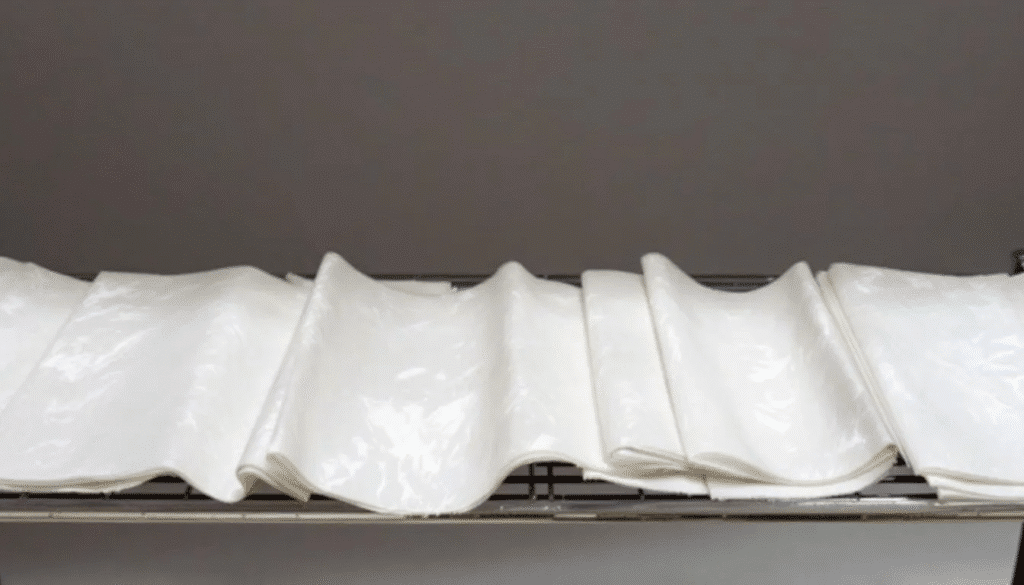
Place your couched freshly formed sheets immediately onto clean, absorbent material such as pellon fabric or fresh paper towels. The key is to work quickly but gently – wet sheets are extremely fragile and can tear easily if handled roughly. Couching onto pellon aids in quick drying during air drying.
Gently press straight down with clean microfiber towels or additional paper towel layers to absorb excess water. Avoid any rubbing or sliding motions that could shift the paper pulp or create holes in your wet sheet. The pressing motion should be firm but controlled, applying even pressure across the entire surface.
Replace saturated towels with dry ones and repeat the pressing process until most water is removed. You’ll know you’ve removed enough water when pressing no longer produces visible moisture transfer to your absorbent material. This process typically takes 3-4 pressing cycles with fresh towels.
Monitor the paper’s condition throughout this process. If you notice any areas where fibers shrink or pull away from the main sheet, adjust your pressure or technique. The goal is to remove water while maintaining the even distribution of paper pulp across the sheet.
Air Drying Methods
Air drying represents the most accessible approach for drying homemade paper, requiring minimal equipment while producing excellent results when executed properly. This method works particularly well in dry climates and spaces with good ventilation.
Create a dedicated drying area by laying papers flat on screens, drying racks, or any clean flat surface that allows air circulation underneath. Avoid placing papers directly on solid surfaces like tables or floors, as this prevents airflow and can lead to uneven drying. Window screens work excellently as improvised drying surfaces. Alternatively, hang your couched sheets on a clothesline or lay them on a drying rack to allow air circulation around them.
Position oscillating fans to circulate air across the breadth of your sheets rather than directing airflow at the edges. Direct air hitting the edges can cause them to dry faster than the center, leading to curling and distortion. The fan should provide gentle, consistent air movement that reaches all areas of your drying papers.
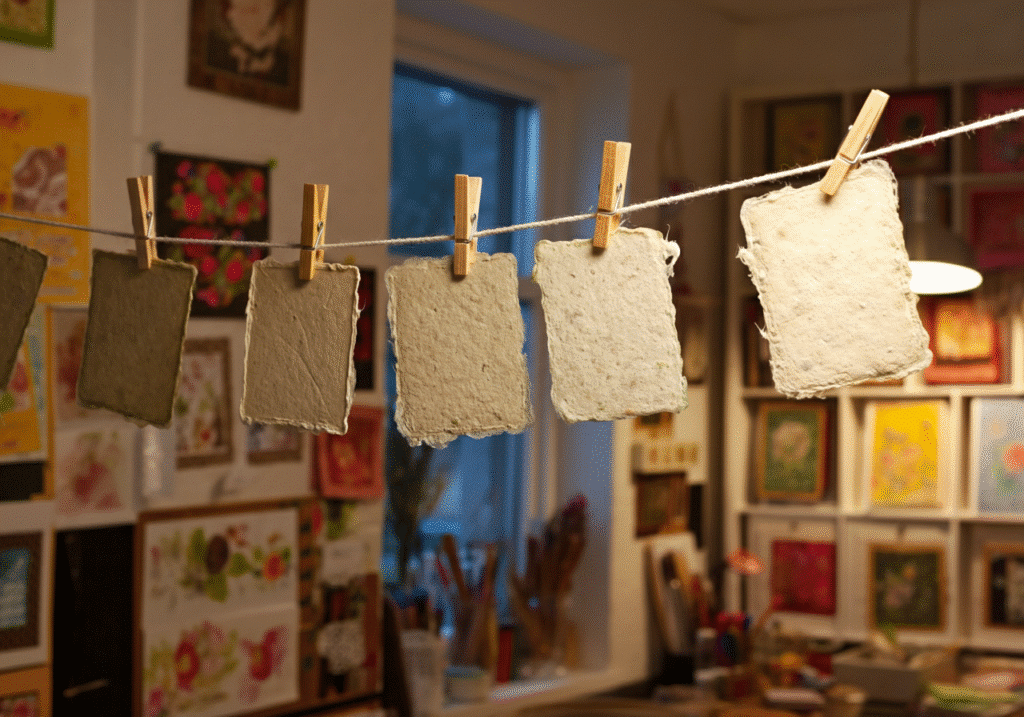
For spaces with limited horizontal area, hang papers on a clothes line using clips or clothespins. This vertical surface approach works well but requires careful attention to prevent the papers from sticking together. Leave adequate space between hanging sheets to ensure air circulates freely around each piece.
Separate multiple sheets during air drying to prevent them from bonding together as they dry slowly. Even slightly damp papers can stick permanently if allowed to touch during the drying process. If you must stack papers due to space constraints, place absorbent material between each sheet and check them frequently.
Allow 24-48 hours for complete air drying, though timing varies significantly based on humidity levels and paper thickness. Thicker papers or those made from highly absorbent materials may require up to 72 hours in humid conditions. Test dryness by gently touching corners and edges, which typically dry last.
Loft Drying Technique
The loft drying method represents centuries of papermaking tradition and produces exceptionally flat, professional results. This technique involves a specific pressing and stacking process that manages moisture removal while preventing the warping common with other methods. Loft drying requires pressing and stacking sheets to avoid cockling.
Begin by pressing your wet sheets using a book press or heavy books. Apply steady pressure for 10-15 minutes to expel initial moisture and compress the fibers. This pressing stage is critical for the success of the loft drying process and shouldn’t be rushed. Using a paper press is ideal, but books or wooden boards work well for an at-home solution.
Stack the pressed sheets in groups called spurs, consisting of four to six sheets each. Place felt or other absorbent material between each spur to prevent sheets from bonding together during the extended drying period. The absorbent material also helps wick moisture away from the papers.
Create your own drying box or designated area where these spurs can be arranged with proper ventilation. Traditional papermakers used elaborate system of ropes and pulleys, but a simple rack system works effectively for home papermaking. Ensure air circulates around all sides of your stacked spurs.
Rotate sheet positions within each spur every 12 hours to ensure uniform drying throughout the stack. This rotation prevents the outer sheets from drying too quickly while inner sheets remain damp. Mark your spurs with timing notes to track rotation schedules.
When completely dry, separate the sheets in one fluid motion starting from one corner. If sheets resist separation, they need additional drying time. Never force separation, as this can tear your finished papers. The gentle separation process should feel smooth and natural when sheets are properly dried.
Board and Wall Drying
Board and wall drying produces the flattest possible results by drying papers under tension against a smooth surface. This method works particularly well for papers intended for writing or detailed artwork where flatness is paramount.
Prepare your drying surface by ensuring it’s completely clean and smooth. Plaster walls work excellently, as do sealed wooden boards or metal surfaces. The surface must be non-porous to prevent moisture absorption that could damage both the wall and your paper.
Brush your slightly damp sheets onto the chosen surface using a rubber brayer or wide, soft brush. Start from one corner and work systematically across the entire surface, applying firm, even pressure. The paper should adhere smoothly without air bubbles or wrinkles.
Apply your brushstrokes diagonally rather than in straight lines to ensure even contact across the entire surface. Work from the upper left corner toward the lower right, then reverse direction for complete coverage. This diagonal pattern helps eliminate air pockets that could cause uneven drying.
If papers tend to pop off during drying, secure the edges by applying methyl cellulose around the perimeter. This natural adhesive provides enough hold to keep papers flat while allowing easy removal when dry. Use a spray mister to lightly dampen the adhesive for better application.
Remove dried papers carefully starting from one corner, using a razor blade if necessary to lift stubborn edges. The papers should peel away cleanly, leaving no residue on your drying surface. If removal proves difficult, lightly mist the back of the paper to relax the fibers before trying again.
Climate Considerations
Understanding how environmental conditions affect your drying process is essential for consistent results. Climate factors significantly impact drying times, paper quality, and the risk of problems like mold growth or excessive cockling.
Adjust your drying expectations based on humidity levels in your area. In dry climates, papers may dry completely within 24 hours, while humid conditions can extend drying times to 72 hours or more. Monitor local weather patterns and plan your papermaking sessions accordingly. The longer it takes to dry papers in humid climates unless environmental controls are used.
Increase ventilation dramatically in humid conditions to combat extended drying times and prevent mold growth. Use multiple fans, open windows, or even run dehumidifiers in enclosed spaces. The goal is to keep air moving constantly around your drying papers.
Create controlled drying environments in challenging climates by using a plastic storage tub converted into a drying chamber. Add a small fan for air circulation and consider adding moisture-absorbing materials like silica gel packets in extremely humid conditions. This approach gives you more control over the drying environment.
Avoid direct sunlight, which causes uneven drying and can make papers brittle or discolored. While natural light is appealing, the sun dries papers too rapidly on the surface while leaving interior moisture, leading to stress and cracking.
Monitor temperature fluctuations that can cause your papers to expand and contract during drying. Sudden temperature changes can undo hours of careful drying work by introducing new moisture stress into the paper structure. Maintain consistent temperatures throughout the drying period.
Consider seasonal adjustments to your drying techniques. Summer might require more attention to air circulation and mold prevention, while winter heating systems can create overly dry conditions that cause papers to become brittle. Adapt your methods to work with your environment rather than against it.
Troubleshooting Common Drying Issues
Even experienced papermakers encounter drying challenges, but most problems have straightforward solutions when addressed promptly. Understanding common issues and their remedies helps you salvage papers that might otherwise be lost.
Fix cockled or wrinkled papers by gently misting the affected areas with a spray mister, then placing the papers under heavy books or in a press for 24 hours. The key is to add just enough moisture to relax the fibers without fully rewetting the sheet. This technique works best on papers that are completely dry but have developed wrinkles.
Prevent mold growth by ensuring adequate air circulation and avoiding over-saturated conditions during the initial drying phase. If you notice any musty odors or visible mold spots, remove affected papers immediately and increase ventilation in your drying area. Mold can spread rapidly and contaminate an entire batch of papers.
Address uneven drying by repositioning papers and adjusting your air flow direction. If one side of a sheet dries faster than the other, create more balanced air circulation or flip the paper if possible. Sometimes simply rotating papers 180 degrees can solve uneven drying problems.
Handle sheets that stick together by patient separation or light misting to relax the paper fibers. Never force stuck papers apart, as this almost always results in tearing. Instead, use your spray mister to add tiny amounts of moisture to the contact areas, wait 10-15 minutes, then try gentle separation again.
Repair small tears or holes that develop during drying by carefully repositioning paper pulp while the sheet is still slightly damp. Keep a small amount of your original paper pulp in a thin even layer and use it to patch problem areas. This repair technique works best when the surrounding paper is still somewhat flexible.
Address papers that dry too quickly by creating barriers to airflow or moving them to a more humid environment. Papers that dry too rapidly often develop surface cracks or become overly brittle. If you notice rapid drying, cover papers partially with damp cloth to slow the process.
Finishing and Storage
The completion of the drying process marks the beginning of proper finishing and storage procedures that preserve your handmade paper’s quality for years to come. These final steps ensure your papers maintain their integrity and remain usable for their intended purposes.
Test paper dryness thoroughly by checking edges and corners, which consistently dry last due to their thickness and fiber density. Properly dried paper should feel firm but not brittle, with no cool spots that indicate residual moisture. If any areas feel different from the rest of the sheet, allow additional drying time.
Press completely dry papers under heavy books for 24 hours to achieve final flatness and remove any minor irregularities that developed during drying. Use clean, flat books or specially designed pressing boards to avoid transferring textures or moisture to your finished sheets. This final pressing creates professional-quality results.
Store your finished sheets flat between acid-free tissue paper or in dedicated portfolios designed for handmade papers. Avoid storing papers in plastic bags or containers that don’t allow air circulation, as trapped moisture can lead to mold growth even in supposedly dry papers.
Trim rough or uneven edges with sharp scissors or a professional paper trimmer for a polished appearance. Make clean, straight cuts and avoid tearing, which can propagate into the main sheet over time. Sharp tools produce better results and help maintain the integrity of your paper’s edge fibers.
Label and date your finished papers with pencil notation on the back corner. Include information about the paper pulp source, drying method used, and any special characteristics. This documentation proves valuable for tracking which techniques produce your preferred results and helps with future project planning.
Create a storage system that protects papers from light, moisture, and physical damage. Individual sheets can be stored between tissue paper, while larger quantities benefit from flat storage in shallow drawers or portfolios. Maintain consistent temperature and humidity in your storage area to prevent expansion and contraction cycles that can damage papers over time.
FAQ
How long does it take for homemade paper to dry completely?
Complete drying typically takes 24-48 hours depending on paper thickness, humidity levels, and chosen drying method, with thicker papers requiring up to 72 hours in humid conditions. Factors like air circulation, temperature, and the amount of water removed during initial pressing significantly impact drying time. Papers made from materials like junk mail or other eastern countries’ traditional fibers may have different drying characteristics.
Can I speed up the drying process with heat sources?
Avoid direct heat sources like hair dryers or radiators as they cause uneven drying and can make paper brittle; instead use fans for air circulation and maintain room temperature conditions. While gentle warmth can help, the sun dries papers too quickly and unevenly. A basic equipment setup with good ventilation produces better results than trying to rush the process with heat.
What should I do if my paper develops mold during drying?
Remove affected papers immediately, improve ventilation, reduce humidity, and discard moldy sheets as mold can spread quickly and compromise the entire batch. Increase air flow with additional fans, consider using a dehumidifier, and ensure your drying area stays below 60% relative humidity. Prevention through proper air circulation is much easier than treating mold after it appears.
Why does my dried paper curl or cockle and how can I prevent it?
Curling occurs from uneven drying or rapid moisture loss; prevent by ensuring uniform air circulation, avoiding direct sunlight, and using proper pressing techniques during the drying process. When fibers shrink unevenly, the paper warps. Using the loft dry method or board drying helps maintain flatness by controlling how moisture leaves the sheet.
Is it normal for homemade paper to be slightly rough after drying?
Yes, handmade paper naturally has more texture than commercial paper; for smoother results, press papers while slightly damp or use finer pulp consistency during formation. The screen surface texture transfers to your paper, and this characteristic texture is often desired in handmade papers. You can achieve smoother surfaces by brushing firmly during board drying or using finer mesh screens during formation.