Decoupage papers have become the go-to material for anyone looking to transform plain furniture and everyday objects into custom statement pieces. Whether you’re updating a tired dresser, breathing new life into glass jars, or creating one-of-a-kind wall art, these purpose-made papers offer a faster, cleaner path to professional-looking results than household alternatives.
- Quick Overview of Decoupage Papers
- What Is Decoupage Paper?
- Why Use Decoupage Tissue & Rice Papers?
- Types of Decoupage Papers
- Decoupage Paper Sizes: From Small Crafts to Furniture
- Choosing Quality Decoupage Papers
- Projects You Can Make With Decoupage Papers
- How to Use Decoupage Papers: Basic Technique
- Glue, Mediums, and Sealers for Decoupage Papers
- Decoupage Tissue vs Napkins vs Standard Paper
- Design & Style Tips for Decoupage Papers
- Common Mistakes With Decoupage Papers (and How to Avoid Them)
- Caring for Finished Decoupage Pieces
Quick Overview of Decoupage Papers
Decoupage paper is a lightweight, specially printed material designed to be glued onto surfaces and sealed with a clear medium. Modern crafters use it on wood, glass, metal, canvas, MDF, and even curved plastic like easter eggs. The technique itself dates back centuries, but today’s papers feature advanced printing that produces vibrant, colour-fast designs on thin, flexible sheets.
Modern decoupage papers—including tissue, rice, and specialty printed sheets, often used alongside other essential craft paper supplies—make it remarkably easy to update furniture and home décor without full restoration. You can transform a dated bedside table, refresh cabinet fronts, or add personality to storage boxes in an afternoon rather than a weekend.
Quality papers are engineered to reduce the frustrations that plague beginners: wrinkles, tearing, and colour bleed become far less common when you use materials designed specifically for the craft. This means less time on corrections and more time enjoying the creative process, whether you’re a first-timer or an experienced crafter with a stock of projects lined up.
What Is Decoupage Paper?
Decoupage paper refers to any specially printed, lightweight sheet designed to be adhered to surfaces and sealed with a clear medium. Unlike regular printer paper or gift wrap, these papers are formulated to handle moisture from glue without falling apart, bleeding colour, or expanding excessively.
The three main types you’ll encounter are tissue decoupage paper, rice paper, and heavier specialty craft sheets:
- Tissue decoupage paper is ultra-thin (typically 20-30 gsm), fabric-like, and ideal for large panels where you want designs to blend seamlessly into the background
- Rice paper sits around 30-50 gsm, features visible fibres for texture, and offers excellent strength despite its thinness
- Heavier specialty sheets range from 80-120 gsm, with a parchment-like feel suited to flat, small-scale projects
You can apply these papers to an impressive range of surfaces, and understanding different types of paper for craft and their uses helps you choose complementary materials for mixed-media projects:
- Dresser fronts and cabinet doors
- Glass bottles, vases, and jars
- Metal tins and lanterns
- Stretched canvas and wall panels
- MDF plaques and coasters
- Wooden crates, trays, and picture frames
Compared to everyday materials like gift wrap, napkins, or printer paper, purpose-made decoupage papers perform significantly better. Gift wrap often bleeds when wet. Napkins require tedious layer separation and tear easily. Printer paper is too rigid, leading to visible edges and bubbles on curves. Decoupage papers solve these problems by design.
Why Use Decoupage Tissue & Rice Papers?
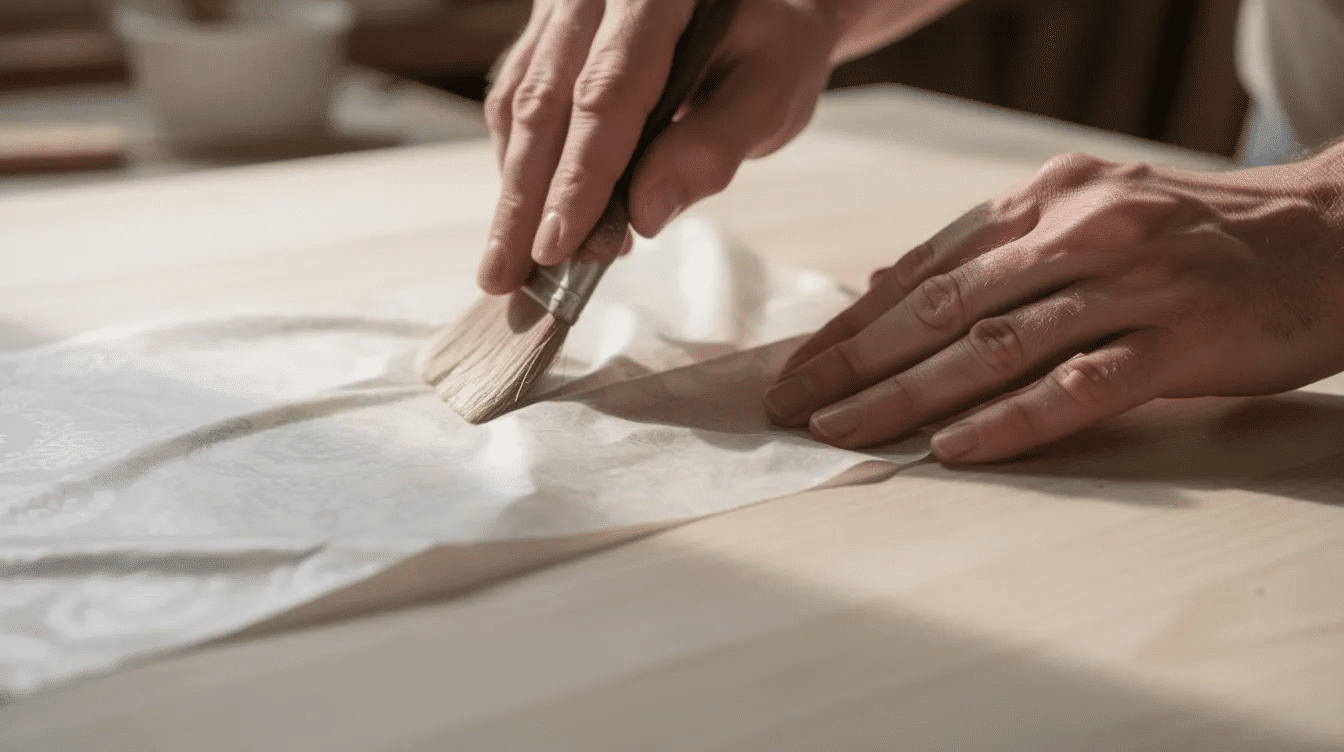
Thin tissue and decoupage rice paper excel because they conform to curves, panel edges, and carved details with far fewer creases than heavier alternatives. This flexibility makes them ideal for furniture with moulding, rounded glass bottles, or any surface that isn’t perfectly flat.
The translucent quality of these papers creates something special: designs can visually “melt” into a painted background, producing an effect that looks hand-painted rather than simply glued on. This is particularly striking when you use a light base coat beneath semi-transparent sheets, a principle that also applies when making realistic tissue paper flowers for decorations.
Key advantages of tissue and rice papers include:
- Fewer air bubbles during application, with some crafters reporting 20-30% fewer bubbles on curved surfaces
- Easier smoothing from centre outward without tearing
- Less sanding or correction needed after drying
- Thin edges that virtually disappear into the background rather than creating visible ridges
- Up to 50% less time spent on corrections compared to household paper substitutes
Once properly sealed, these materials prove durable enough for everyday furniture like coffee tables, bedside tables, and chair backs. The thin paper becomes part of the surface rather than sitting on top of it, creating pieces that can handle regular use.
Types of Decoupage Papers
Understanding the different paper types helps you pick the right material for each project. Here’s how the main categories compare:
Tissue Decoupage Paper
Ultra-thin and fabric-like, tissue paper is the strongest option among thin papers. It works beautifully on large, smooth panels like furniture trays, wall art, and tabletops that need to withstand everyday use. The designs often feature bold, large-scale patterns perfect for statement pieces. Once dry under lacquer, surfaces become rigid and hardwearing.
Rice Paper
Despite its name, rice paper contains no actual rice—it’s made from mulberry fibres. The slightly fibrous texture with visible strands creates a vintage, shabby chic aesthetic that suits mixed media projects and pairs beautifully with vintage paper craft ideas using old ephemera. It’s single-layer (no peeling required like napkins), offers superior wet strength, and remains forgiving for repositioning during application. Many crafters consider it the most beginner-friendly option.
Heavier Specialty Sheets
These papers (often printed from famous artworks or intricate designs) have a parchment-like feel at 80-120 gsm. They’re best suited for small, flat items like boxes, plaques, or coasters where subtle texture is acceptable. Avoid using them on curves or large furniture panels, as they don’t conform as readily and can tear with rough handling.
Choosing the Right Type
- For complex curves on large wardrobes or cabinets: choose thinner tissue or rice paper
- For flat, small objects like coasters or gift boxes: heavier sheets work well
- For textured, artistic projects or scrapbooking: rice paper adds visual interest
- For beginners wanting forgiveness: rice paper’s extended working time before setting helps
Decoupage Paper Sizes: From Small Crafts to Furniture
Decoupage papers come in standardised sizes that match common project scales. Selecting the right sheet size from available stock minimises joins and patchwork seams, making application faster and the finished result cleaner, much like choosing the ideal handmade paper sheets for creative projects in other types of paper crafting.
Common sizes and their applications:
- A5 (approximately 6×9 inches): Perfect for tiny accents like coasters, gift box lids, or small ornamental objects
- A4 (approximately 9×12 inches): Suits focal elements on stools, small trays, picture frames, and jewelry boxes
- A3 (approximately 12×17 inches): Ideal for tabletops, dresser drawer fronts, and canvas panels
- A2 and A1: Designed for expansive surfaces like wardrobe doors, buffet fronts, and headboards
Larger sheets have seen growing popularity as the furniture upcycling trend expands. Being able to cover an entire drawer front or cabinet panel with a single sheet creates seamless, professional results that would be difficult to achieve by piecing together smaller papers.
Before cutting, always plan your layout: dry-fit the paper against the surface, mark centre points, and check pattern direction. This preparation prevents the frustration of discovering your main motif is off-centre or upside down after you’ve already applied glue.
Choosing Quality Decoupage Papers
Not all decoupage papers perform equally. Quality matters significantly when you’re investing time in a furniture project or creating gifts. Here’s what separates good papers from problematic ones:
Key quality criteria to look for:
- Strong wet strength that resists tearing during glue application
- Colour-fast inks that don’t bleed under water-based sealers, even after multiple coats
- Minimal expansion or distortion when moistened
- Sustained detail and saturation after coating
When buying online, look for papers printed specifically for decoupage rather than generic gift wrap or low-cost prints. Reputable sellers specify paper type, weight (gsm), size, and recommended surfaces in their product descriptions. The highest price doesn’t always guarantee the best results, but extremely cheap papers often expand excessively, bleed pigments, or shred during application.
Expert crafters recommend testing offcuts before committing to a full project. Apply a small piece to scrap wood using your usual technique, let it dry completely, then evaluate how the colours held up and whether the paper handled the process without issues.
Projects You Can Make With Decoupage Papers
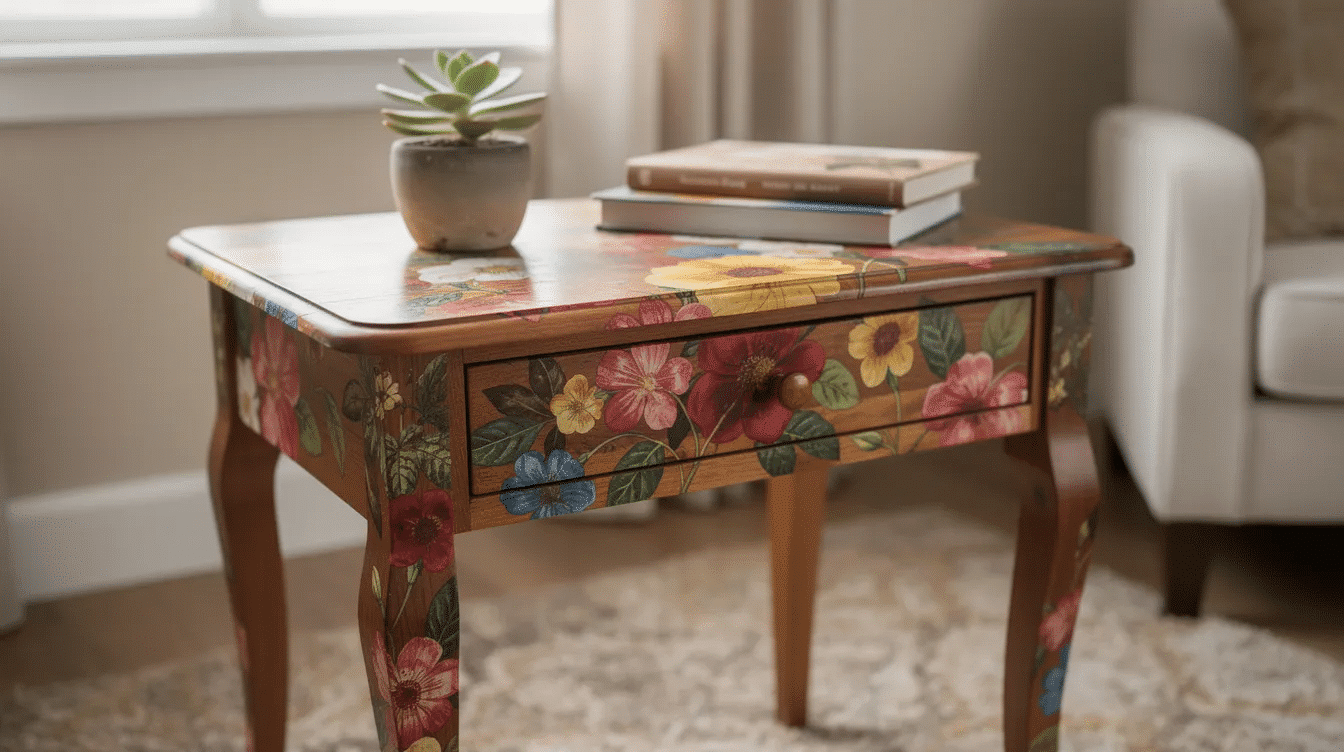
Decoupage papers open up possibilities for upcycling and creating custom home décor without needing artistic skill. The technique works on nearly any clean, properly prepared surface, making it versatile enough for both furniture transformations and small paper craft projects.
Furniture and large projects:
- Transform a plain IKEA side table into a floral statement piece
- Update a 3-drawer dresser with coordinating designs on each drawer front
- Refresh wardrobe doors or buffet panels with large-scale patterns
- Cover a coffee table top with vintage typography or botanical prints
- Add interest to headboards, chair backs, or cabinet fronts
Small décor and gifts:
- Decorate picture frames with complementary patterns
- Embellish serving trays and wooden crates for stylish storage
- Cover glass jars for seasonal displays or bathroom storage
- Create canvas wall panels with abstract or nature-inspired designs
- Personalise jewelry boxes, coasters, and MDF plaques
Seasonal project ideas:
- Spring floral plaques with soft pastels and garden imagery
- Summer coastal themes with shells and seaside motifs
- Autumn leaves and warm tones for seasonal centrepieces
- Winter and christmas gift boxes or decorative signage
- Halloween-themed candle sleeves (battery-operated candles work best)
- Easter egg decorations using thin tissue on curved surfaces
Before starting, prep your surfaces properly: clean thoroughly, lightly sand any glossy finishes with 220-grit sandpaper, and apply a light base coat if using translucent papers. This groundwork ensures your paper adheres well and designs remain vibrant, much like thoughtful planning does when creating useful printable paper projects for everyday life.
How to Use Decoupage Papers: Basic Technique
The basic decoupage process follows a straightforward sequence that, once learned, applies to virtually any project, and similar step-by-step thinking helps when exploring creative paper mache designs and techniques. Here’s the essential flow:
Surface preparation comes first. Clean your piece thoroughly to remove dust, grease, or residue. If the surface has a glossy finish, lightly sand it to give the medium something to grip. For translucent papers, apply a light base coat (white or off-white works well) so designs remain vibrant rather than muddied by the underlying material.
Measuring and cutting follows. Decide whether to cut precise shapes with scissors (better for structured designs) or tear pieces by hand for organic, feathered edges. Tearing into 2-3 cm pieces creates a collage effect, while larger sections work for bold, graphic patterns.
Applying medium: Brush decoupage glue or medium evenly onto the surface where you’ll place your paper. Work in manageable sections rather than coating everything at once.
Placing paper: Position your paper carefully, then brush medium over the top as well. This sandwiches the paper between layers of adhesive and starts the sealing process.
Smoothing: Using a soft brush, silicone tool, or clean fingers, gently press the paper from the centre outward. This technique pushes air bubbles toward the edges where they can escape.
- Work slowly to avoid tearing wet paper
- Overlap edges slightly if using multiple pieces
- Remove excess medium by wiping gently with a barely damp cloth
Drying: Allow 1-2 hours between coats depending on humidity. Most projects need 3-5 thin coats for adequate protection. Full cure takes 24-72 hours—rushing this stage results in tacky, fingerprint-prone surfaces.
Glue, Mediums, and Sealers for Decoupage Papers
Understanding the difference between adhesive mediums and protective topcoats helps you achieve better results and choose appropriate products for each project stage.
Decoupage glue/medium serves a dual purpose: it adheres paper to surfaces and provides initial sealing. Products labelled specifically for decoupage typically dry clear and remain flexible enough to accommodate wood expansion. This flexibility prevents cracking over time as materials shift with temperature and humidity changes.
Topcoats and varnishes add final protection and determine the finished sheen. They’re applied after the decoupage medium has fully dried.
Sheen options for final finishes:
- Matte: Softens the look, ideal for vintage prints, florals with an aged aesthetic, or shabby chic styles
- Satin: Balanced everyday sheen that works with most interior styles and designs
- Gloss: High-shine modern finish that intensifies colours and creates a lacquered appearance
Application tips for best results:
- Apply thin, even coats rather than thick layers to avoid wrinkles under the paper
- Thick applications can create milky patches that take days to clear (if they clear at all)
- Allow each coat to dry completely before adding the next
- Work in a dust-free area when applying final topcoats
- Sand very lightly between coats with fine-grit sandpaper for ultra-smooth finishes on tabletops
Water-based craft mediums are generally safest for most decoupage papers. Solvent-based products may react with certain inks, so test on scraps first if you’re unsure, just as you would when working on beginner-friendly paper quilling art projects.
Decoupage Tissue vs Napkins vs Standard Paper
Crafters often ask whether they can use household materials instead of purpose-made papers. While it’s technically possible, the differences in performance are significant.
Decoupage tissue paper is single-layer and engineered to stay stable when wet. It absorbs medium evenly, maintains strength during handling, and dries without distortion. These properties make it reliable for furniture and objects that need to look professional.
3-ply napkins are popular because of their beautiful printed designs, but they require separating the printed top layer from two plain backing layers—a tedious process where tearing is common. Even the printed layer is more fragile than purpose-made tissue and prone to stretching unevenly when wet.
Standard printer paper (typically 80-120 gsm) creates problems on most decoupage projects. It’s too thick and rigid to conform to curves, leaving visible edges that require extensive sanding. Bubbles are harder to smooth out, and the paper may warp or curl as it absorbs moisture.
When to use each:
Material | Best For | Drawbacks |
|---|---|---|
Decoupage tissue | Large panels, furniture, curved surfaces | May require careful handling |
Decoupage rice paper | Textured projects, beginners, repositioning | Fibrous texture visible in finish |
Napkins | Small, flat surfaces, budget projects | Fragile, layer separation needed |
Printer paper | Generally avoid | Too rigid, visible edges, bubbles |
Purpose-made papers save substantial time because they need less preparation and produce smoother finishes. For furniture panels and large canvases, they’re worth the modest additional cost. |
Design & Style Tips for Decoupage Papers
Choosing designs that complement your furniture shapes and room aesthetics makes the difference between a cohesive piece and a visual mismatch.
Matching patterns to furniture shapes:
- Large florals, damasks, and bold abstract designs suit broad, flat panels like dresser tops and wardrobe doors
- Smaller motifs work better on drawers, narrow rails, and detailed pieces
- Consider how the pattern will flow across multiple drawers or panels—consistency matters
Balancing prints with painted areas:
- Busy prints benefit from solid painted borders or frames to provide visual rest
- If using heavily patterned paper, keep hardware simple and let the design be the focal point
- Neutral base coats (white, cream, soft grey) let most designs shine without colour conflict
Popular themes and styles:
- Vintage botanicals and culture-inspired prints for eclectic interiors
- Typography and signage designs for industrial or modern spaces
- Animals and fantasy motifs for children’s furniture or whimsical pieces
- Coastal imagery for summer cottage aesthetics
- Classic damasks for traditional or elegant settings
Planning focal points:
- Centre main motifs on drawer banks or table tops rather than allowing them to drift off-edge
- Align patterns horizontally across multiple drawers for a cohesive look
- Consider viewing angle—what will be most visible when the piece is in use?
Common Mistakes With Decoupage Papers (and How to Avoid Them)
Even experienced crafters encounter problems occasionally. Recognising common pitfalls helps you avoid them—or fix them when they happen.
Frequent mistakes and prevention tips:
- Using paper that tears when wet: Test offcuts first; switch to rice paper or quality tissue if generic papers shred
- Applying too much glue: Use thin, even coats rather than flooding the surface; excess medium causes bubbles and extended drying times
- Not smoothing from centre outward: This technique expels air toward edges; working randomly traps bubbles under the paper
- Skipping surface prep: Always clean and lightly sand glossy finishes; skipping this leads to poor adhesion and eventual peeling
- Rushing drying times: Patience prevents tacky, fingerprint-prone finishes; wait the full recommended time between coats
Fixing mistakes after the fact:
Small wrinkles or imperfections can often be disguised once the piece is fully dry. Light sanding with fine-grit paper smooths raised edges, and a touch of matching paint blends problem areas before applying additional clear coats. Major issues like large bubbles may require carefully cutting the bubble, re-gluing, and smoothing—easier on forgiving surfaces than on glass.
The single best prevention strategy: always test your paper and technique on scrap material before committing to a valued piece.
Caring for Finished Decoupage Pieces
Proper aftercare ensures your decoupage projects remain beautiful through years of use. The effort you put into creation deserves protection through simple maintenance practices.
Curing time matters:
Allow full cure time before subjecting pieces to regular use. While surfaces may feel dry within hours, water-based sealers and varnishes typically need 3-7 days to achieve full hardness. Using furniture too soon risks dents, marks, and damage that would otherwise be prevented.
Cleaning finished pieces:
- Wipe with a soft, slightly damp cloth for routine cleaning
- Avoid abrasive cleaners, scouring pads, or harsh chemicals that can damage the sealed surface
- Dry immediately after wiping to prevent moisture sitting on the finish
Protecting high-use items:
Coasters, tabletops, and frequently handled objects benefit from additional protective coats or a more durable topcoat formulation. Some crafters apply dedicated furniture wax over fully cured varnish for extra protection on pieces that see daily contact.
Store seasonal items like holiday boxes or decorative trays in cool, dry locations away from direct sunlight, which can fade designs over time. With reasonable care, quality decoupage work lasts for years, making upcycled furniture and handcrafted objects both beautiful and practical additions to your home.
Start with a simple project—perhaps a wooden tray or picture frame—to build confidence with materials and technique before tackling larger furniture. Once you experience how purpose-made decoupage papers simplify the process, you’ll find yourself spotting upcycling opportunities everywhere.