If you’ve ever admired the intricate endpapers of a vintage book or felt the textured surface of a handcrafted invitation, you’ve experienced the appeal of decorative paper. This guide covers everything you need to know about selecting, buying, and using decorative papers for your next creative project.
Overview of Decorative Paper
Decorative paper encompasses a wide range of specialty papers designed primarily for aesthetic enhancement in crafts, design projects, and book arts. Its popularity stems from the intricate patterns, vibrant colors, and varied textures that transform ordinary paper applications into artistic expressions. The DIY craft movement and social media platforms showcasing paper-based projects have driven a surge in demand throughout the 2020s.
- Decorative paper is typically sold in individual sheets (around 20×25 inches or A4/A3 sizes), multi-packs of 5-20 sheets, or rolls up to 10-20 meters long.
- Prices range from approximately $3 to $8 per sheet for machine-printed varieties, while artisanal imports such as Japanese washi or Italian marbled papers command $10 to $20 or more per sheet in 2024.
- Each sheet can feature unique attributes including hand-applied pigments, embossed textures, metallic foils, or specialty finishes like pearlescent coatings.
- Colors and patterns often look different on screens versus in person due to RGB-to-CMYK conversion—experts note up to 20-30% perceived color variance across devices.
- Images online are approximate representations; ordering samples is recommended for color-critical projects.
Types of Decorative Paper
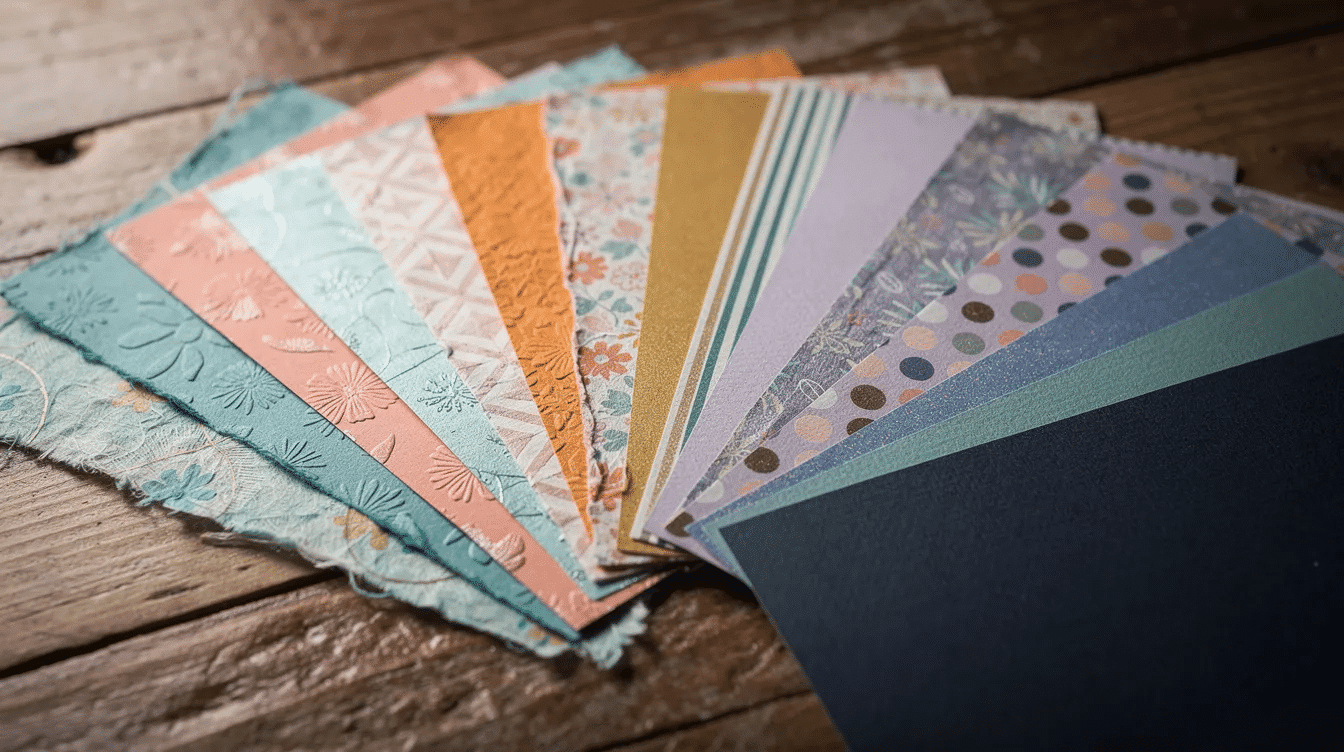
The decorative paper category spans handmade artisanal traditions to industrially printed variants optimized for specific crafts. Historical roots trace back to 12th-century Japan for chiyogami and 17th-century Europe for marbling, evolving into today’s global market valued at over $500 million annually for specialty craft papers alone.
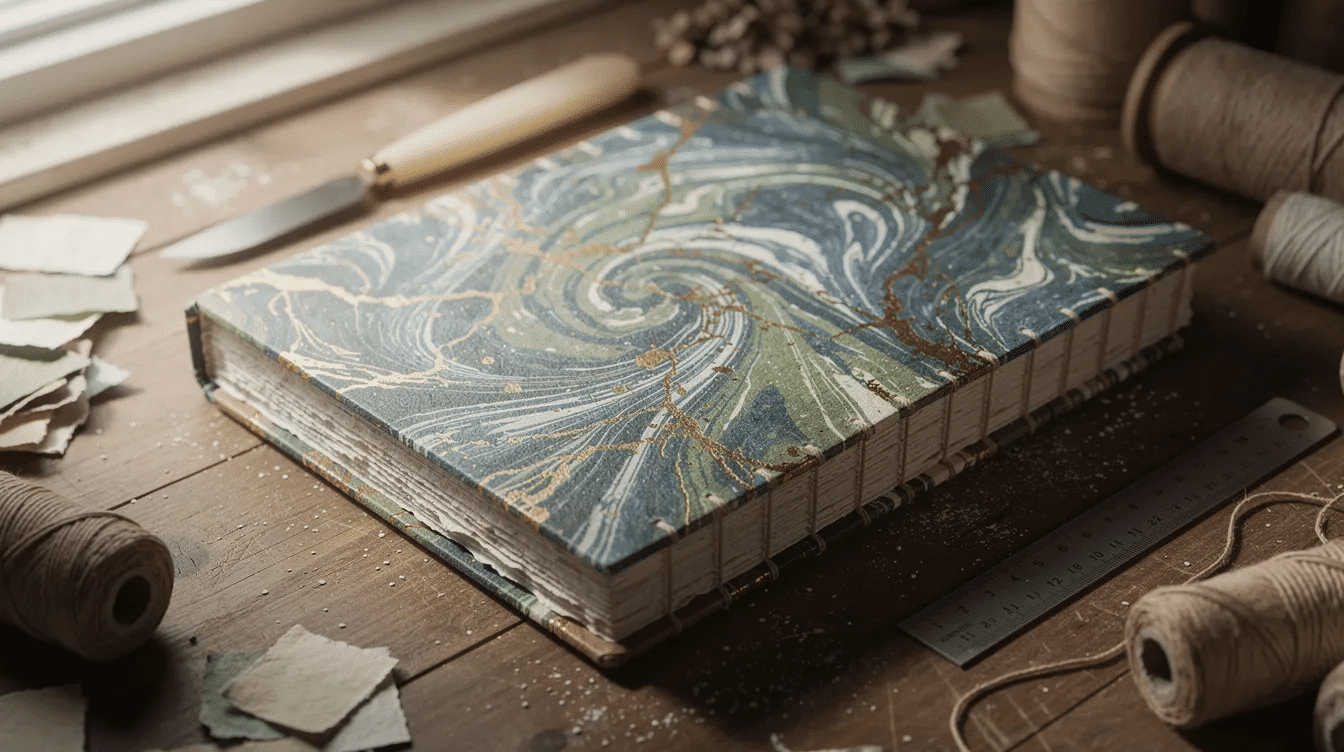
- Marbled paper: Originates from 12th-century Japan and was perfected in 17th-century Turkey and Europe. Oil-based pigments are floated on a viscous bath and transferred to paper, yielding non-repeating veined patterns. Typically 50-80 gsm, ideal for bookbinding endsheets.
- Japanese Chiyogami/Yuzen: Features bold florals, geometrics, cranes, and seasonal motifs like cherry blossoms. Produced using silk-screen printing on washi paper in regions like Echizen, where mills maintain over 300 years of UNESCO-recognized methods. Usually 40-60 gsm, extremely thin and perfect for origami or lanterns.
- Italian Florentine papers: Dating to the 17th century in Tuscany, these showcase gold-tooled damask, paisley, and arabesque patterns via woodblock printing. Heavy 90-120 gsm stock makes them ideal for book covers and boxes.
- Nepalese lokta paper: Handcrafted from Daphne cannabina bark in the Himalayas, featuring deckle edges and botanical inclusions. Sustainable and often sold through fair-trade cooperatives at 20-40 gsm.
- Metallic foil papers: Vacuum-deposited aluminum or gold leaf creates mirror-like sheens in abstract or baroque designs. Usually 80-100 gsm for cardmaking, though prone to scratching.
- Embossed or textured papers: Mimic velvet, linen, or reptile skin through mechanical pressing. Common patterns include vintage maps, music scores, geometrics, and damask repeats. Weight spans 60-150 gsm depending on intended use.
- Delicate types (20-40 gsm) excel in folding and layering but risk tearing under stress, while heavier stock (120-150 gsm) handles structural bookbinding and furniture inlays.
Handmade Decorative Paper
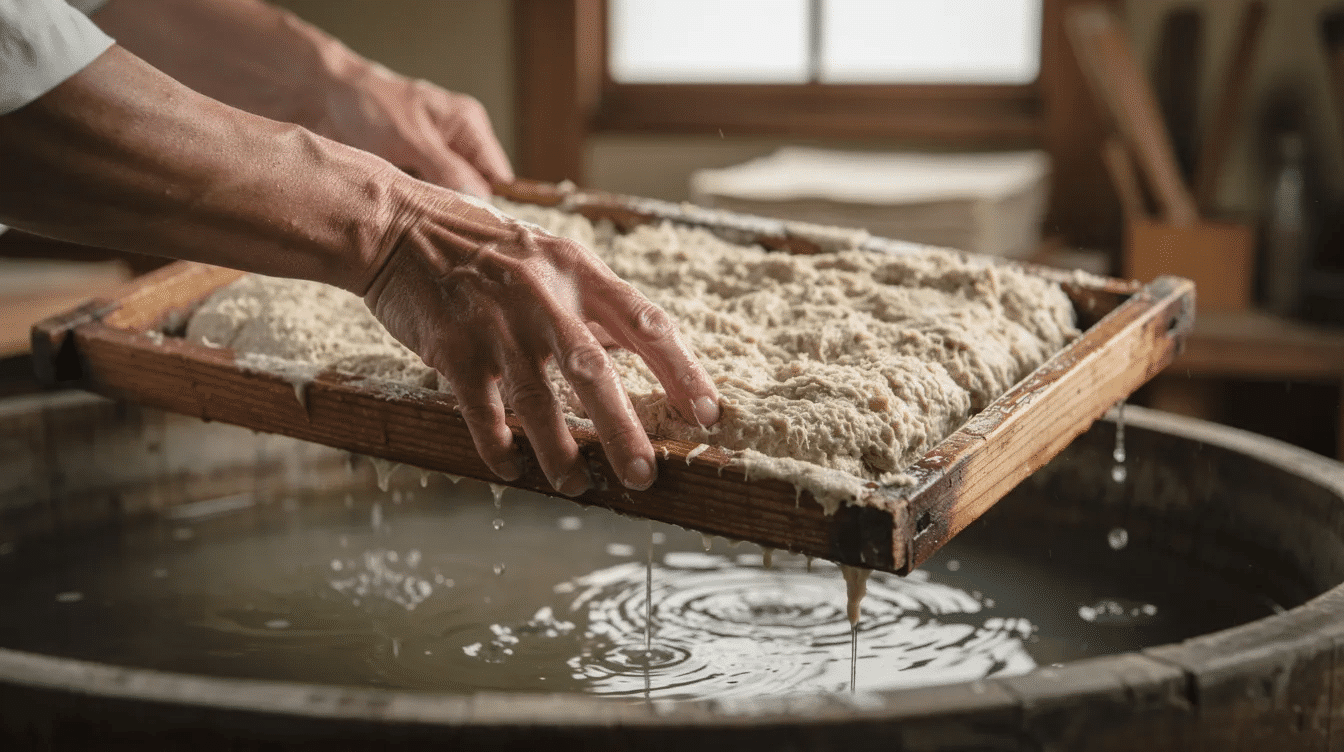
What makes a paper truly handmade? These sheets are formed by hand in molds—a process called sheet-forming—often featuring deckle edges that yield irregular borders. Decorations are applied via pigments floated, painted, or dyed before or after pulping. The inherent variations from fiber distribution, water content, and artisan technique render every sheet uniquely one-of-a-kind, similar to the customization options described in guides on creating and using handmade paper sheets.
- Every handmade decorative sheet has a one-of-a-kind color distribution and pattern flow; no two exhibit identical gradients or designs.
- Hand-marbled papers: Pigments are combed across a prepared bath and captured on damp kozo or cotton rag sheets, producing ethereal veins in blues, golds, and earth tones.
- Batik-dyed sheets from India: Employ wax-resist methods on lokta or cotton pulp for intricate geometrics and florals, often scented with natural essences.
- Hand-painted or screen-printed sheets: Created in small studios using stencils with acrylics or gouache for custom motifs like abstract swirls or vintage illustrations.
- Handmade decorative paper is often more fragile due to low fiber density and minimal sizing—20-50 gsm sheets may tear on sharp folds, necessitating gentle scoring or lamination for bookbinding applications.
- Because of the labor-intensive process (often 1-2 hours per sheet plus drying time), handmade sheets typically range from about $7 to $18 per sheet as of 2024, with prices escalating to $25+ for large-format or silk-embedded pieces.
Buying Decorative Paper Sheets
Decorative paper is commonly sold through e-commerce giants like Amazon and Etsy, alongside specialists such as John Neal Bookseller, Paper & Ink Arts, and Hollander’s. You can purchase individual sheets for testing, multi-packs (typically 12-sheet color assortments at $40-60), or bulk rolls depending on your project needs, often alongside other top craft paper supplies for creative projects.
- A well-stocked catalog might list 500+ different decorative paper sheets across about 20-25 paginated sections for easy browsing.
- Product lists often use alphanumeric item codes (similar to AIT5071, AIT5187, AIT5228) to facilitate reordering and inventory tracking in professional studios.
- Typical 2024 price ranges per sheet: $3.59-$5 for printed domestics, $8-12 for imported machine-mades, and $15-$18.09 for handmade or specialty papers.
- Higher prices reflect rarity, origin, and craftsmanship—vintage Florentine or hand-marbled sheets from established ateliers command premium pricing.
- Look for filtering options when shopping: sort by color family (e.g., “autumnal earth tones”), pattern style (“floral vs. geometric”), country of origin (Japan, Nepal, Italy), and price tier to find exactly what you need.
Uses for Decorative Paper
Decorative paper is remarkably versatile, serving bookbinders, mixed-media artists, crafters, and professional designers alike. Whether you’re creating a keepsake journal or wrapping a special gift, the right decorative paper elevates any project from functional to extraordinary, especially when you match it with the best types of paper for craft and their uses.
- Bookbinding: Marbled endsheets and chiyogami covers adorn leather journals, as showcased in 2024 exhibitions by the Designer Bookbinders.
- Collage and mixed media: Layer lokta with ephemera for gallery-quality art pieces—a technique embraced by contemporary paper artists worldwide and especially well suited to vintage paper craft ideas using old ephemera.
- High-end gift wrap: Luxury packaging that makes the presentation as memorable as the gift itself, particularly when you draw on creative wrapping paper ideas to elevate gift-giving.
- Origami: Washi’s exceptional tensile strength (up to 4x standard paper) makes it perfect for complex folds, from modular structures to seasonal projects like making paper snowflakes step by step.
- Cardmaking and invitations: The 2020s DIY wedding trend on Pinterest features countless foil-stamped suites using decorative papers, often paired with creative and useful printables for every occasion to personalize layouts and wording.
- Scrapbooking: Create thematic albums with coordinated pattern collections, or adapt ideas from fun paper activities for creative minds of all ages to add interactive elements and dimensional details.
- Display and interior uses: Line drawers, frame decorative sheets as wall art for hotels or homes, or create background mats that elevate photos and prints, drawing inspiration from galleries and tutorials on Simply Paper Crafts.
- Lighter-weight papers (20-60 gsm) shine in wrapping and collage for their drape and translucency, while heavier stock (100+ gsm) works best for rigid covers, boxes, and structural projects—a crucial distinction if you’re exploring paper crafts that sell well for crafters and entrepreneurs.
Color, Pattern, and Digital Display Considerations
What you see on your monitor or phone screen is not always a perfect match to the actual paper in hand. Understanding this limitation helps set realistic expectations and reduces disappointment when your order arrives.
- Screens render colors via RGB profiles that often boost luminance by 50-100%, making deep indigos appear periwinkle or dulling gold foils to yellow.
- Device calibration variances compound the issue—Mac versus Windows color profiles can shift blues 15-20% cooler or warmer.
- Describe colors precisely in product copy: “deep indigo with 24k gold metallic accents” or “muted sage green on ivory with 4-inch floral repeat” reduces confusion for buyers.
- Small pattern swatches (2×2 inches) displayed online may not show the full repeat or layout of the design on a large 19×25-inch sheet.
- Note that 10-15% color shift and minor pattern variances from print runs are standard, not defects—similar to how fabric swatches differ slightly from bolt to bolt.
Care, Handling, Packaging, and Returns
Decorative paper requires careful handling from warehouse to workspace to preserve its beauty and integrity. Proper storage and shipping practices prevent the disappointment of receiving damaged materials.
- Full-size decorative sheets are commonly shipped rolled in 2-3-inch diameter kraft tubes (holding up to 50 sheets) or packed flat between 1/4-inch foam-core boards in rigid boxes to prevent creasing.
- Specialty and handmade papers are particularly delicate—they scuff on abrasion, crack on folds exceeding 90 degrees, and demand sharp knives (like Olfa blades) for clean cuts.
- Store papers in flat archival boxes (acid-free) or loose rolls under 4-inch diameter to maintain their condition over time.
- Avoid direct sunlight (accelerates fading 2x faster), humidity over 60% (warps fibers), and temperatures beyond 65-75°F.
- Due to the fragile nature of decorative paper and handling risks, many retailers treat these items as non-returnable unless there is clear shipping damage—preview images and order samples when possible.
Tips for Choosing the Right Decorative Paper
The “right” decorative paper depends entirely on your project type, budget, and skill level. A few minutes of planning before you buy saves time and frustration later.
- Weight (gsm): Under 60 gsm for origami and folding; 100+ gsm for covers and structural work.
- Opacity: Translucent washi for layered effects versus opaque boards for solid coverage.
- Surface texture: Embossed papers add tactile interest to boxes and frames; smooth papers take adhesives more evenly.
- Pattern scale: Small repeats work for cards and small projects; large-scale designs shine on book covers and photo mats.
- Durability: Sized papers resist glue bleed; unsized handmades may require backing for heavy use.
Use this simple checklist approach: What are you making? How will the paper be used? How much handling will it need to withstand?
Sample packs ($15-25 for 6-10 sheets spanning different types) offer an excellent starting point for beginners unsure which decorative paper works best for bookbinding, collage, or wrapping. Artisans note that 70% of novices iterate through 2-3 trials before finding their preferred style and finish.
Join the community of paper enthusiasts who experiment freely with different textures and patterns. With so many options available in today’s collection of decorative papers, there’s never been a better time to discover what inspires your next creative project.