Paper crafts are handmade or semi-handmade products made mainly from paper, cardstock, scrapbook paper, or printed designs. They include cards, bookmarks, paper flowers, journals, party decor, wall art, and folded sculpture. If you want paper crafts to sell at craft fairs, they are a strong starting point because they are light, affordable to make, easy to display, and tied to gifts, holidays, and special events.
Paper crafts can also be profitable. Many small paper items have low material costs and strong gross margins; for example, art prints and bookmarks can reach material margins above 90%, while handmade greeting cards often sit around 80% or more before labor and booth costs. According to Grand View Research, the U.S. greeting cards market was worth over $7 billion in 2025, which shows that physical paper gifts still have demand. We chose these ideas based on profitability, ease of production, customer appeal, and what makes one product better than another: price point, repeat demand, uniqueness, and how well it fits a real craft fair booth.
How We Chose the Best Paper Crafts for Craft Fairs
To choose the best paper crafts to sell at craft fairs, focus on the numbers and the buying experience. Material cost matters, but so does the time to create each piece, the tools required, packaging, booth fee, travel, and payment fees. A $5 card with $1 in materials looks great until you spend 20 minutes making it and forget to pay yourself.
The best craft fair products usually have a mix of these traits:
- Low material cost and good profit margin.
- Easy batch production, especially with Cricut crafts, die cutters, printers, stamps, and other tools.
- Strong visual appeal from across the booth.
- A variety of price points, from low-cost items to high-ticket art.
- Repeat purchase potential, such as cards, planners, and gifts.
- Seasonal flexibility for Christmas, Valentine’s Day, weddings, back-to-school, and local events.
- Clear differentiation, such as local design, personalization, or unique, high-quality scrapbook paper collections that make crafts look custom and appealing.
You should also acknowledge competition. Cards, prints, and bookmarks are common at a bazaar or craft fair, so your design, display, story, and customer engagement have to stand out. To successfully sell paper crafts at craft fairs, focus on visual presentation, product variety, and customer engagement, drawing on profitable paper craft ideas and selling strategies that fit your skills and market.
Top 7 Paper Crafts to Sell at Craft Fairs
1. Handmade Greeting Cards
Handmade greeting cards and handmade notecards are popular craft items that can be made in spare time and sold at craft fairs, often fetching good prices due to their intricate designs. Handmade notecards are a popular item at craft fairs, often selling well due to their intricate designs and personal touch.
The main differentiator is personalization. A store-bought card is convenient, but a handmade card with calligraphy, pressed flowers, foil, local art, or custom letters feels like a small gift. They are best for customers buying birthday cards, holiday cards, wedding notes, sympathy cards, and personalized messages for mom, dad, friends, and family.
Key strengths include low material costs, easy transport, steady demand, and strong margins. Bundle items for sale, such as greeting cards in packs of five, to encourage purchases and raise average order value. The limitation is volume: detailed cards take time, and seasonal demand can rise or fall quickly.
2. Paper Flowers and Bouquets
Paper flowers are long-lasting alternatives to real flowers. They work well for wedding planners, home decorators, and gift buyers because they do not wilt, can match exact colors, and look beautiful in photos. For highly realistic blooms, explore crepe paper flower techniques and ideas. The wedding market is especially useful; The Knot’s 2026 Real Weddings Study reported an average U.S. wedding spend of about $34,000.
Paper flowers are a hit when you create bouquets, wall flowers, corsages, or centerpiece pieces inspired by current color trends. They are fun to style with vases, mason jars, or shadow boxes. If you prefer lighter materials, tissue paper flower designs for events can also give you striking bouquets and decor. The possible limitation is skill: realistic petals, shaping, and sturdy stems require practice, and you are competing with real florists and imported artificial flowers.
3. Custom Bookmarks
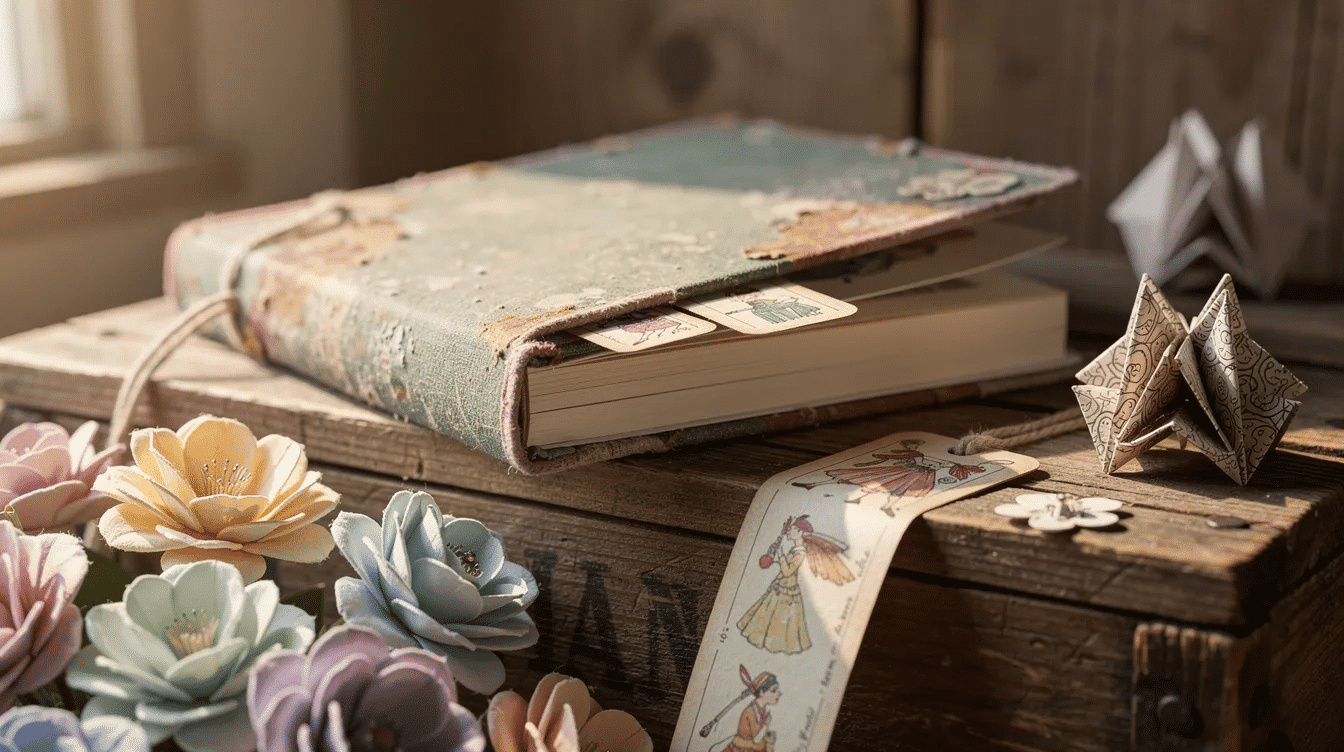
Custom bookmarks are practical, low-cost, and easy to buy. They are best for book lovers, students, teachers, and shoppers looking for small diy gifts. A bookmark can feature quotes, pressed botanicals, local landmarks, books, fantasy themes, or a person’s name.
Bookmarks are quick to batch, easy to package, and good as add-ons near checkout. Pressed botanical bookmarks can have very high material margins; Craftybase cites examples around 91% gross material margin. The limitation is that a bookmark may only sell for $3 to $6, so you need a lot of volume or bundles.
Bottle cap magnets are simple to make and can be profitable, requiring only used bottle caps, decorative paper, and a sealing method. Glass stone magnets can be made with any design and are particularly popular in vacation destinations, making them a profitable craft item. These are not bookmarks, but they are nice low-cost companion products for the same table.
4. Paper Party Decorations
Paper party decorations include banners, cake toppers, centerpieces, garlands, favor tags, confetti, paper wreaths, and themed kits. Their main advantage is customization: parents, party planners, and event coordinators want specific colors, names, themes, and dates, so it helps to plan your paper birthday decoration ideas and color palettes around the most common party themes.
These products can command higher prices than cards because they solve a bigger event problem. Custom orders can also bring repeat customers. Focus on seasonal themes for products to align with customer interests during holidays and events. Incorporate cute, easy paper craft ideas like simple wreaths and garlands to appeal to families shopping together. Seasonal crafts that align with major holidays, such as Christmas wreaths and patriotic decorations, are popular items to sell at craft fairs.
Creating themed items, such as American flag mason jars for patriotic holidays or Christmas gnomes for the winter season, can attract customers looking for seasonal decor. Personalized Christmas ornaments are popular gifts, often commemorating family trips or special events, making them a great item to sell at craft fairs. The limitation is storage space, especially for large garlands and assembled decor.
5. Handmade Journals and Planners
Handmade journals, planners, and notebooks stand out because they feel more personal than mass-produced stationery. They are best for organization enthusiasts, students, professionals, writing lovers, and gift buyers. You can add value by including printed planners, calendars, and inserts that customers can refill or mix and match. Show functionality by displaying a journal open to a beautiful page to demonstrate how it is used.
Journals can sell at higher price points, especially with hand binding, fabric accents, refillable inserts, monograms, or niche layouts for travel, recipes, budgeting, or prayer. Using handmade paper sheets for covers and pages can also justify premium pricing and give each journal a unique texture. Print-on-demand notebooks can cost under $5 to produce and retail around $12 to $25, while handmade journals often need premium pricing because assembly takes more time. The limitation is complexity: covers, paper weight, binding, and finishing all affect quality.
Adding decorative covers to standard sticky note pads can enhance their appeal and create unique products. These are an easy entry product if full journal binding feels like too much at the start.
6. Paper Art Prints and Wall Decor
Paper art prints include quotes, nursery prints, local landmarks, maps, pet portraits, botanical art, and affordable wall decor. They are best for homeowners, renters, tourists, and gift shoppers who want art without paying gallery prices, and many makers design their own printable wall art and home printables to keep costs low and styles flexible.
The standout feature is reusability. Once you create a digital template, you can print it again, adjust colors, or make a set. Choosing the right craft paper supplies for prints and matting helps your work look professional and consistent across sizes. Offer small prints, medium prints, and high-ticket framed or limited-edition art so different customers can buy at their comfort level. TheCraftMap notes that small art prints often work well in the $10 to $30 range at fairs, with larger pieces priced higher.
DIY coasters are a top-selling item at craft fairs, as they can be customized to local tastes and made using materials like tiles and Mod Podge. Custom mugs can be tailored to suit local interests or themes, making them a versatile and appealing personalized gift option at craft fairs. These products pair well with local paper prints if your business expands beyond paper.
7. Origami and 3D Paper Sculptures
Origami and 3D paper sculptures are conversation pieces. They include folded animals, geometric ornaments, shadow boxes, mobiles, paper-cut scenes, and sculptural flowers. They are best for art collectors, unique gift seekers, and home decorators who want something they have not found elsewhere.
The strength is perceived value. Materials may be inexpensive, but the skill is visible. Heck, live crafting at the booth can attract a crowd and emphasize the handmade nature of products. The limitation is production time. This kind of craft needs a steady hand, practice, and careful packaging because one crushed piece can cost you a sale.
Quick Comparison of the Best Paper Crafts
Paper craft | Best use case | Practical selling advantage |
|---|---|---|
Consistent year-round sales | Easy to transport, bundle, and personalize | |
Paper Flowers and Bouquets | Weddings and decor buyers | Higher price points and strong visual appeal |
Custom Bookmarks | Add-on and impulse buys | Low cost, fast production, broad appeal |
Paper Party Decorations | Custom events and seasonal sales | Great for themes, names, and repeat orders |
Handmade Journals and Planners | Premium gifts and organization | Higher perceived value and repeat purchases |
Affordable home decor | Reusable designs and local appeal | |
Origami and 3D Paper Sculptures | Unique gifts and statement art | Strong booth attention and artistic value |
Offer a mix of low-cost items, mid-range items, and high-ticket art to cater to different customers. Offering a wide range of price points, including both low-cost and higher-ticket items, can attract more buyers. Packaging items in sets can increase the average order value at craft fairs. |
How to Choose the Right Paper Craft for Your Business
Choose Based on Your Skill Level
If you are new, start with bookmarks, handmade notecards, gift tags, bottle cap magnets, or decorated sticky notes. These are forgiving, affordable, and fast enough to test. Take time to learn the best types of paper for different crafts so your early products still feel sturdy and polished. If you already have good design skills, cards, prints, and Cricut crafts are highly sought after at craft fairs, allowing sellers to create personalized items that can be sold at a premium.
Advanced makers can move into journals, paper flowers, and 3D sculptures. These crafts require more tools and time, but they are easier to differentiate. For ongoing inspiration and project ideas, follow dedicated paper craft tutorial and inspiration hubs that match your preferred style. If you love painting, illustration, or digital design, prints may be your best spot. If you enjoy hand assembly, flowers or journals may fit better.
Choose Based on Your Available Time
Time is where many sellers miss the real cost. Bookmarks and simple cards can be batch-made in an evening. Journals, flowers, and sculptures may need hours per piece or several years of skill-building to feel efficient.
Batch production helps. Cut pieces in groups, use cohesive color themes, and limit choices to avoid overwhelming buyers. Provide personalization options at the booth, such as on-the-spot stamping or calligraphy, but keep them simple enough that one custom order does not stop the whole line.
Choose Based on Your Target Market
Your best products depend on who attends the event. A school fair may reward teacher gifts, bookmarks, and low-price items. Personalized teacher name signs are excellent gifts for back-to-school, Christmas, or teacher appreciation week, making them a popular item at craft fairs. A wedding-heavy town may favor flowers, signage, and custom decor. A tourist market may love local prints, coasters, magnets, mugs, and ornaments that remember a trip.
Also watch adjacent trends. Wooden name signs for nurseries have become a trend, appealing to new parents looking for personalized decor for their baby’s room. Embroidered initial keychains are a cute and practical personalized gift that can attract buyers at craft fairs. Crafts like handmade bath bombs and embroidered hand towels are great seasonal items that can be sold during holidays, appealing to gift buyers. Shirts, mugs, candy gifts, and fabric accessories are not all paper crafts, but they can give you inspiration for bundles and display ideas.
Which Paper Craft Is Best for You?
If you want the easiest start, choose bookmarks, handmade greeting cards, and decorated sticky note pads. If you want higher order values, choose journals, paper flowers, or wall art. If you want a unique booth that people stop to photograph, choose origami and 3D paper sculptures.
Before your next craft fair, build a simple product ladder:
- $3–$8: bookmarks, tags, magnets, mini cards, small gift pouches made from decorative card stock and sized to hold small items like lip balms or candies.
- $10–$30: card packs, small prints, journals, coasters, ornaments.
- $40–$100+: framed art, flower bouquets, custom party decor, large paper sculptures.
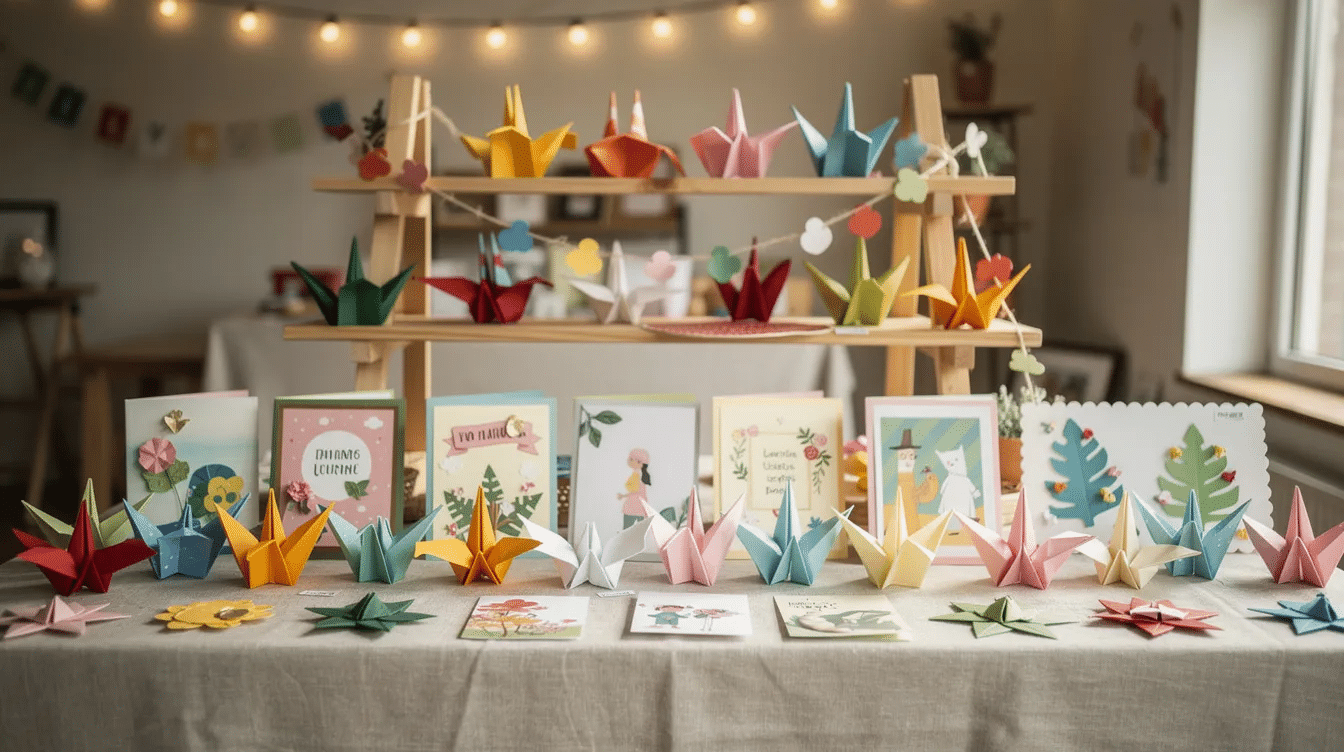
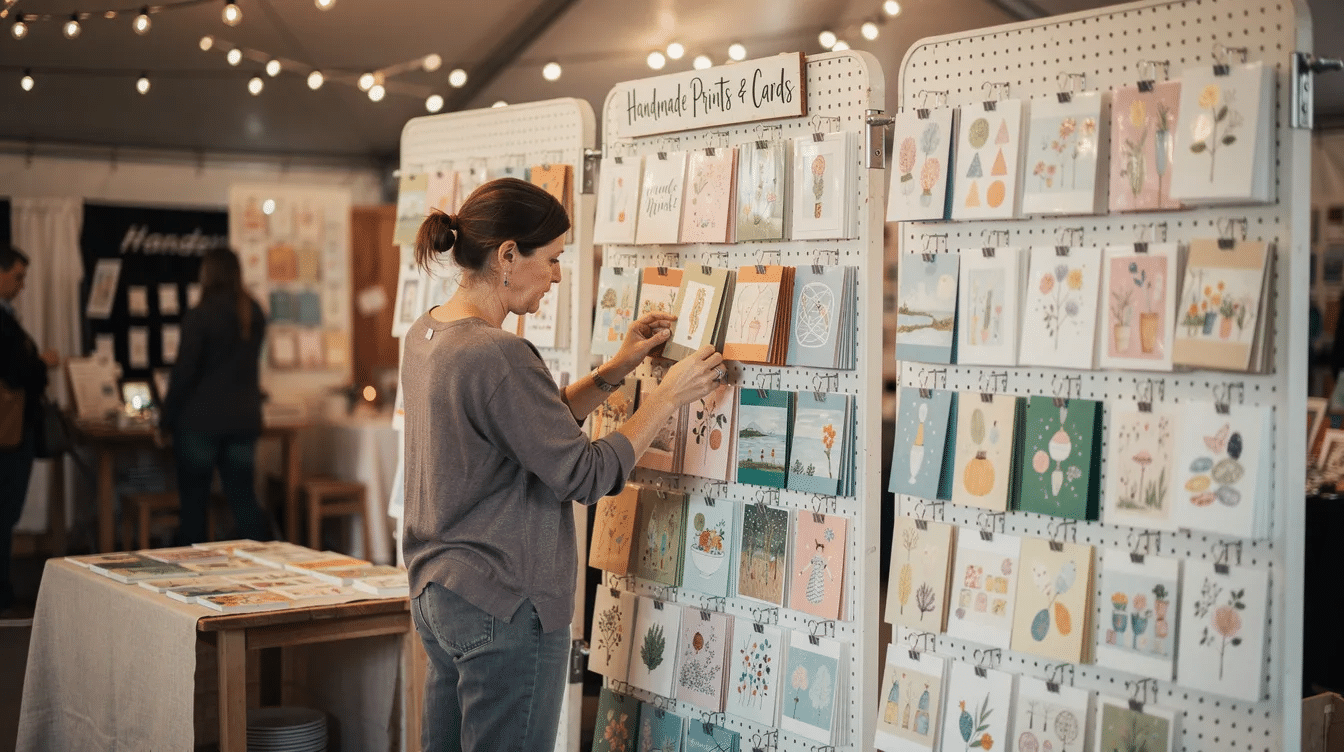
For selling, the setup matters as much as the products. Use a solid, neutral tablecloth so colorful paper crafts stand out. Hide extra stock and personal items under long tablecloths to maintain a clean presentation. Use tiered shelves and crates to lift items off the flat table for visual appeal. Using tiered risers or pegboards can maximize display space on tables at craft fairs. Utilizing vertical displays can enhance product visibility and customer engagement.
Protecting primary stock in clear plastic sleeves helps maintain the quality of paper goods. Protect delicate paper items in clear, archival plastic sleeves to prevent damage. Use large, clear signs for pricing to help introverted customers make purchases without asking, because clearly marking prices enhances transparency and encourages purchases. Place fairy lights or small spotlights to highlight paper textures.
Engaging with customers while allowing them to browse can improve their experience at the booth. Engagement techniques like telling the story behind materials can enhance customer interest. Accept multiple payment methods including mobile card readers and cash. Accepting digital payments, in addition to cash, can help avoid lost sales at craft fairs.
Final Thoughts
The best paper crafts to sell at craft fairs are not always the most complicated. The best choice is the one you can make consistently, price profitably, display clearly, and talk about with confidence.
Start with one focused product line, test it at one event, and pay attention to what customers pick up, buy, and leave comments about. Then post your best examples on your blog, site, facebook page, facebook profile, etsy shop, or youtube channel and keep continuing the products that get the strongest response. You may be surprised how quickly one good idea becomes a real craft business.