Key Takeaways
- You can make your own stickers the same day with parchment paper, packing tape, scissors, and printed images or drawings.
- Printable sticker paper gives diy stickers a cleaner finish, especially for planners, custom labels, gifts, and small handmade products.
- Paper stickers are cost effective and fun, but they are not as durable as vinyl, especially on water bottles or outdoor items.
- A clear tape layer, laminate, or seal can make homemade stickers more water resistant and better protected from rough handling.
- Simple shapes, a thin border, and high-quality print settings make all the difference.
Introduction: Why Make Paper Stickers At Home?
Homemade stickers are useful for journals, laptops, gifts, storage boxes, kids’ crafts, and custom labels around the house. In 2026, making stickers at home is also a creative way to personalize everyday stuff without ordering custom stickers in bulk.
You do not need fancy tools. Most paper sticker ideas to make at home use plain paper, tape, pens, markers, parchment paper, or a basic inkjet printer. Paper stickers are usually best for indoor, short-term use, while vinyl sticker paper is more resilient and water-resistant for long-lasting applications. This post focuses on easy paper sticker ideas you can create today.
Basic Method: Tape + Baking Paper DIY Stickers
This is the fastest way to make your own stickers with no sticker paper or glue.
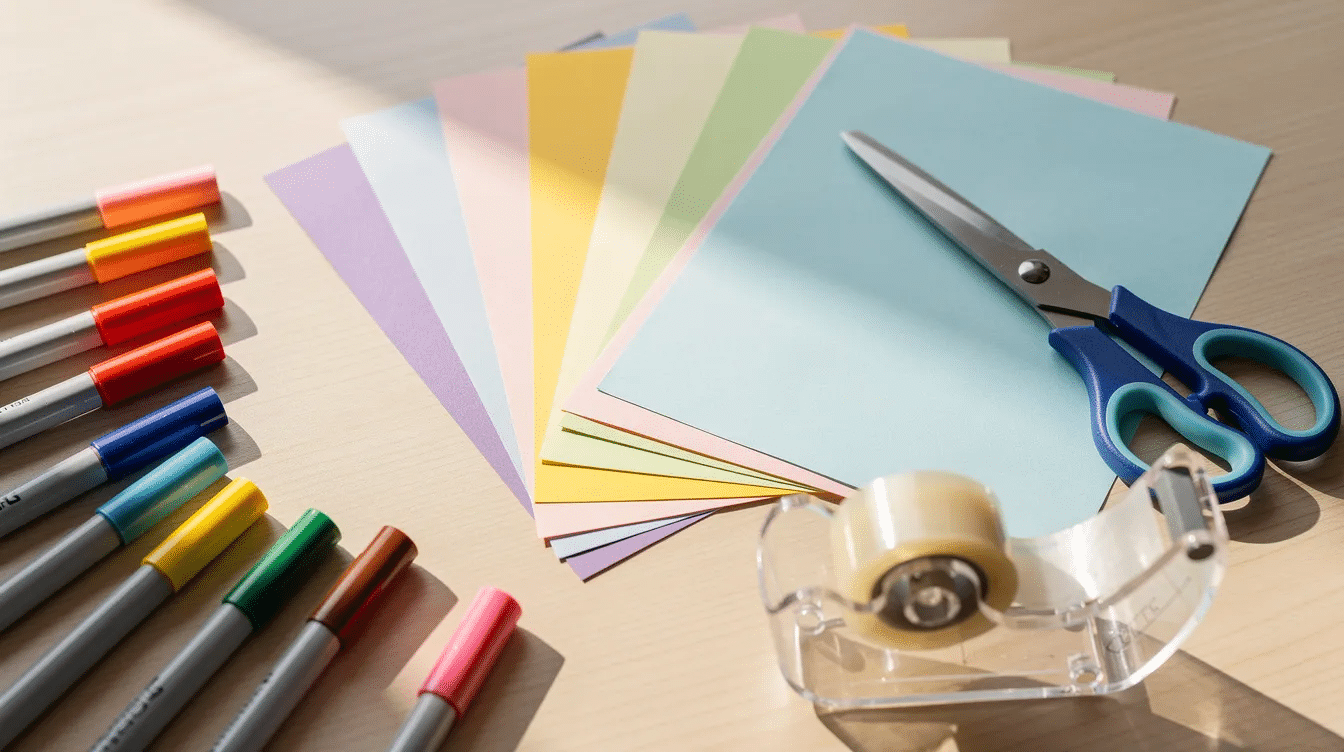
You need clear parcel or packing tape at least 5 cm wide, baking paper or parchment paper, scissors, and plain printer paper. To start, draw or print images, cut around each image, place a strip of tape sticky side up on a flat surface, lay the design on it, cover with another tape layer, then cut again around the edges. The parchment acts as the backing so you can peel and stick later.
A common method for DIY sticker making involves layering packing tape over images placed on parchment paper, which allows for easy peeling and sticking later.
Press from the center outward to avoid bubbles, dust, and wrinkles. Use extra tape if the design is wider than one strip, but overlap layers slightly so water cannot sneak into the edges. You can create stickers by drawing or printing designs on paper, cutting them out, and sealing them with tape to make them durable and easy to use.
Good sticker ideas for this method include doodles, kids’ names for school supplies, notebook quotes, and simple logo mockups. To make cottagecore aesthetic stickers, natural elements like tiny, flat dried flowers or pressed leaves can be enclosed using the tape method. You can also add glitter or mini sequins into the sticky side of double-sided tape to enhance sticker designs.
Transparent stickers can be created using the clear packing tape “water soak” method to lift ink off magazine pages or by laminating cut-out photos. Test first, because not every ink transfers cleanly.
Printable Paper Stickers With A Home Inkjet Printer
Use this method when you want polished diy stickers from real sticker sheets. If you are starting from scratch, gathering top craft paper supplies for creative projects will give you better printing results and sturdier stickers. Sticker paper is labelstock with adhesive backing, sold in matte, glossy, clear, and specialty finishes. Most home crafters use A4 or 8.5×11 printable sticker sheets.
Printable DIY sticker materials can include a variety of finishes such as glossy, matte, and clear, allowing for customization based on the intended use and aesthetic preferences. Matte white sticker paper is commonly used for indoor projects due to its clean finish, while clear and polyester sheets provide a more premium feel; for outdoor or durable stickers, vinyl sheets are recommended as they are waterproof and can withstand various environmental conditions.
Here is the simple process:
- Plan your sticker design on one sheet using a design app, drawing app, or document shapes.
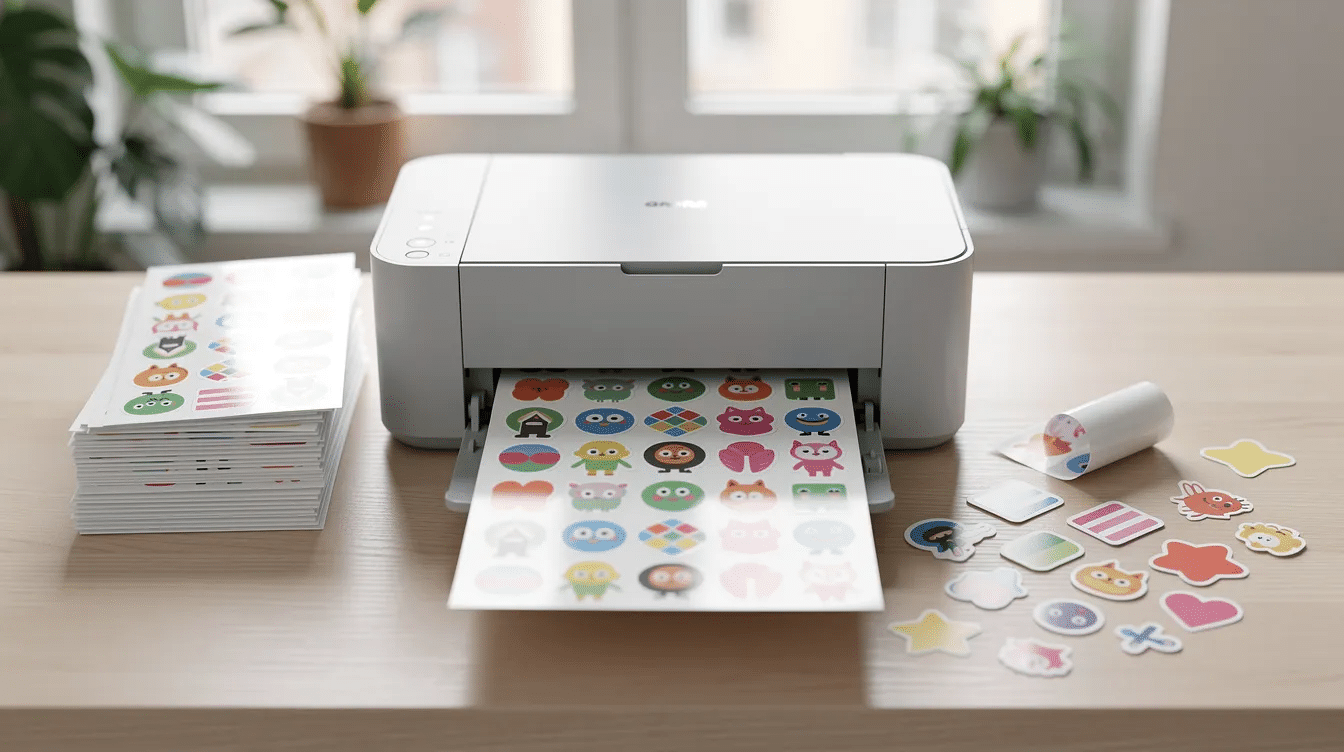
- Print stickers on compatible sticker paper with your printer.
- Let the ink dry, then seal if needed with laminate, spray sealant, or tape.
- Start cutting stickers by hand with scissors, a craft knife, or a rotary blade tool.
For high-quality sticker prints, set your printer to the highest quality settings to prevent smudging and ensure crisp designs. Most inkjet printers work well, but always buy paper marked for inkjet if you use inkjet. Laser users need laser-safe sheets to avoid heat problems.
Adding lamination to printed paper stickers can enhance scratch resistance. According to industry material guides, paper labels suit indoor use, while vinyl with lamination lasts much longer outdoors.
Project ideas include planner dates, month tabs, custom labels for sugar, rice, coffee, school name labels, and small logo labels for handmade products. You can also pair your stickers with useful things to print on paper for every occasion, like calendars, checklists, or gift tags, so everything coordinates. Crafting stickers from sticker sheets is a creative way to express oneself, allowing for personalized designs that can be used in various projects.
Glue & “Lick-and-Stick” Paper Stickers (No Tape, No Sticker Paper)
This old-fashioned method creates paper stickers you lick or dampen, ideal for envelopes, journals, and craft projects. It pairs nicely with handmade paper sheets for creative projects if you enjoy a more textured, artisanal look.
For a food-safe style, use white sugar, hot water, and food-safe gelatin or gum arabic, plus a brush and printed or hand drawn designs. Another homemade, eco-friendly adhesive can be made by mixing 2 parts white glue with 1 part white vinegar, which will activate with water. Use the glue-and-vinegar version for dampening, not licking.
Paint a thin coat on the back of each cut-out design, let it dry completely, then store the stickers on wax paper, baking paper, or a clean backing sheet. To use, dampen the back and press it onto paper.
This method is not waterproof. It works best on paper surfaces and is not meant for outdoor use, washable items, or water bottles.
Good ideas include DIY postage-style art, “thank you” seals, envelope closures, and reward stickers for kids’ chore charts. If you want more family-friendly inspiration, explore cute crafts paper ideas for fun DIY projects and adapt those themes into sticker designs.
Paper Sticker Ideas You Can Actually Use
Paper crafting in general offers dozens of budget-friendly ways to decorate and organize; exploring fun paper activities for creative minds of all ages can spark sticker themes you might not have considered yet.
Use any of the methods above for these practical ideas:
Home and organization
- Custom labels for pantry jars, spice jars, and storage bins.
- Spice labels with purchase dates.
- Cable and charger labels.
- Moving box labels with room names.
School and planners
- Subject labels for notebooks.
- Exam date reminder stickers.
- Color-coded planner dots.
- “Study session” and “deadline” diy stickers.
Gifts and events
- Custom stickers for gift wrapping can add flair and personality to gifts, making them memorable for loved ones.
- Stickers can be used as party favors, invitations, and for special events, enhancing the overall presentation and enjoyment of the occasion.
- Make “Made in 2026 by [Name]” labels for handmade gifts.
- Create birthday favor bag stickers and simple wedding or baby-shower seal stickers.
Creative hobbies and decor
- Junk journal embellishments inspired by broader paper crafting tutorials and ideas.
- Collage pieces and mood board quote stickers.
- Mini art prints from pictures, photos, or a drawing.
- Home decor stickers can add color and creativity to living spaces, allowing for temporary accents that can be repositioned as desired.
For a more professional feel, sketch small designs by hand, scan them, customize the layout, and print a full sticker sheet.
Design Tips For Better-Looking DIY Stickers
Even simple supplies can create polished results.
Keep shapes simple: circles, rounded rectangles, badges, and labels are easier to cut than intricate designs. Add a white or colored thin border around each image to imitate professional kiss-cut stickers and hide uneven edges.
Use high contrast, a limited palette, and readable text. When designing stickers, consider using aesthetic templates that complement your product’s look, as cohesive colors and seasonal designs can enhance the overall appeal.
If your art is hand drawn, scan or photograph it at about 300 dpi before you print. This keeps lines sharp and avoids blurry sticker design. Before printing a full page, run a small test on regular paper.
A rotary blade tool can be an effective method for hand-cutting stickers, especially for small batches or testing designs.
Making Stickers With Kids (Fast, Low-Mess Projects)
If you want a quick project without glitter explosions, use the tape-and-parchment method.
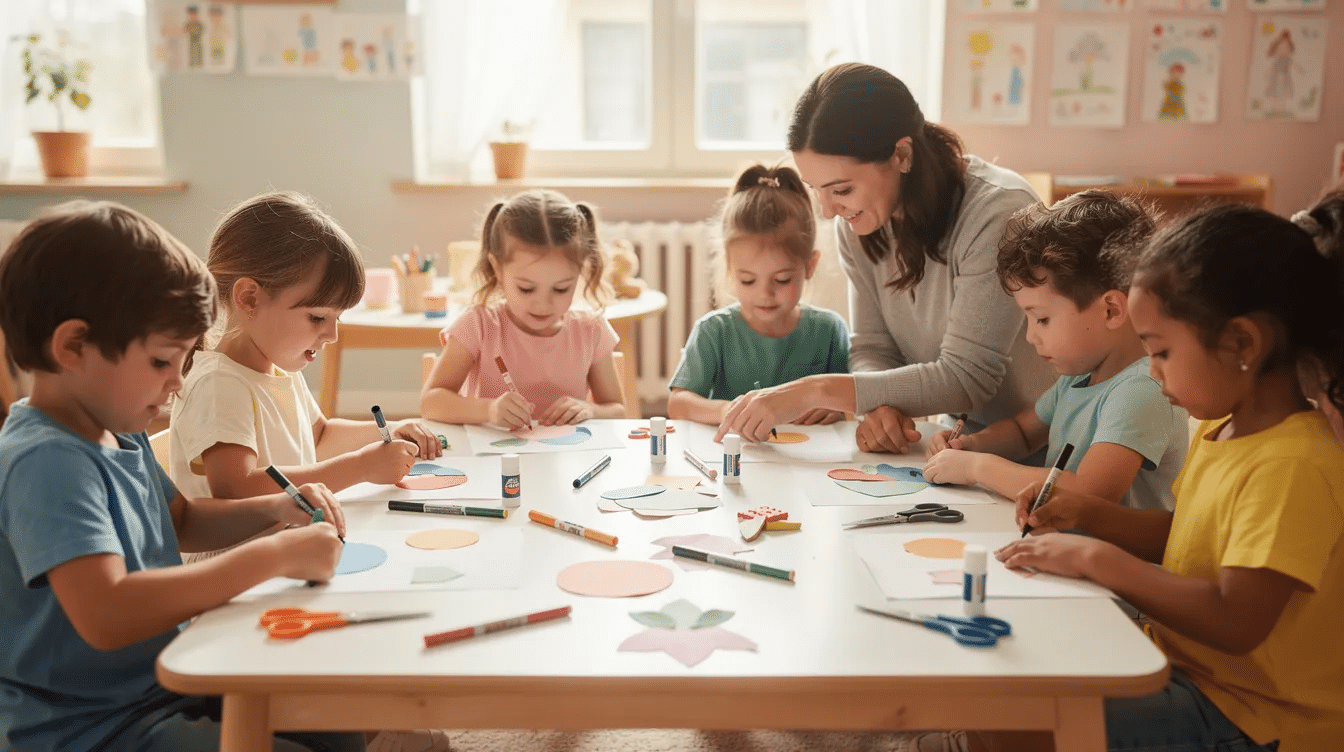
Have kids draw tiny characters, alphabet letters, pets, stars, or simple game icons with pens and markers. Parents can handle the tape layers and scissors for safety. Keep each sticker small so children see results quickly.
Turn finished stickers into games: a sticker chart, treasure map, decorate-the-notebook challenge, or reward board. You can also turn favorite characters or symbols into creative phone case stickers ideas so kids can personalize their devices or cases. Creating DIY paper stickers can utilize standard household items or specialized craft tools, so you can keep it simple or experiment with more advanced supplies.
Caring For Your Homemade Paper Stickers
Paper diy stickers are less durable than vinyl, but care helps.
Add a clear tape layer, self-adhesive laminating sheet, or spray sealant over printed paper stickers to protect from smudges and light splashes. Use them on smooth, clean, dry surfaces like notebooks, cardboard boxes, indoor laptops, and glass jars kept away from heavy moisture.
Avoid dishwashers, outdoor exposure, soaking, and rough scrubbing. Gently wipe around sticker areas instead. Store unused stickers flat on parchment, backing sheets, or inside an envelope to prevent dust and bending.
Sticker materials can range from paper to vinyl, with each type offering different advantages; paper stickers are generally less durable and suitable for short-term use, while vinyl stickers are more resilient and water-resistant, making them ideal for long-lasting applications. If you care most about how your stickers look, exploring top stickers aesthetic designs can help you choose themes and styles that match your favorite items.
FAQ: Common Questions About Homemade Paper Stickers
How long do paper stickers made at home usually last?
Protected paper stickers can last several months to a year indoors on smooth, dry surfaces. Unsealed paper stickers are more temporary and best for notebooks, journals, and short-term labels.
Can I make waterproof stickers without vinyl?
Fully waterproof results are difficult with paper. Wide clear tape, spray sealant, or laminate can make stickers water resistant enough for light splashes, but vinyl is better for heavy moisture.
Do I need a special printer to make my own stickers?
No. Most modern inkjet printers and many laser printers can print on compatible sticker paper. Always match the sheet to the printer type so ink does not smear and laser heat does not damage the material.
What file types are best for printing DIY sticker designs?
Use PDF for stable layouts and high-resolution PNG for crisp lines or transparent backgrounds. JPEG works for photos, while SVG files are useful for scalable art that exports cleanly to PDF.
Can I sell stickers I make at home?
Yes. Many small makers sell handmade paper stickers in small batches. Use original artwork or properly licensed images, and avoid copyrighted characters unless you have permission.
Now gather your materials, create a few ideas, test one sheet, and enjoy the process. Happy crafting!