The best paper for origami beginners is not always the prettiest sheet in the pack. It is the paper that folds cleanly, holds sharp creases, survives small mistakes, and helps you understand what each valley fold and mountain fold is supposed to do.
In this guide, we’ll compare the six most beginner-friendly options, from standard origami paper to washi paper, copy paper, and tant paper, so you can choose the right paper for your first origami projects.
How We Chose the Best Origami Paper for Beginners
The best origami paper typically has a weight of 50–80 GSM, which provides a balance between being light enough to fold easily and strong enough to hold crisp creases. GSM means grams per square meter, and it is one of the easiest ways to compare paper thickness before you buy.
The best origami paper typically has a weight and thickness of 50–80 GSM (grams per square meter), which allows for easy folding while maintaining strength for crisp creases. Thin paper in the weight range of 50–60 gsm is recommended for origami to avoid bulkiness from multiple folds, and many of the best types of paper for craft follow similar guidelines for thickness and finish.
Here are the main features we looked for:
- Ease of folding: good origami paper should crease without fighting your hands.
- Affordability: beginners need enough paper to practice without worrying about waste.
- Crease retention: the sheet should hold sharp creases instead of springing open.
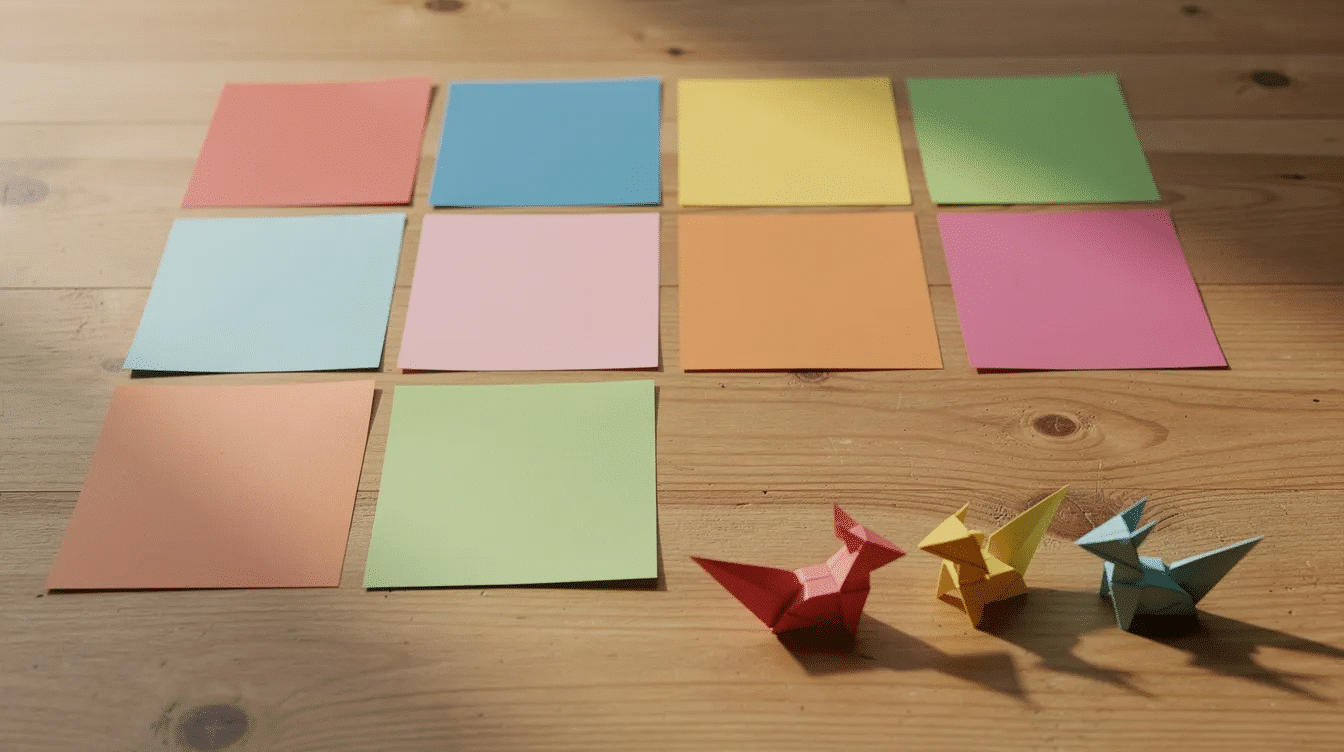
- Size availability: the ideal size for beginner origami models is 6×6 inches (15×15 cm) squares.
- Durability: the paper should survive a few corrections and refolds.
- Color contrast: solid colors are recommended for beginners as complex patterns can hide crease lines.
- Beginner-friendliness: the paper should work for simple boxes, animals, and decorative models without needing glue, foil backing, or advanced techniques.
The thickness of origami paper is crucial; thinner papers can be folded into many layers but may be fragile, while thicker papers are strong but harder to crease multiple times. Heavy cardstock is too thick to fold multiple times and is not suitable for regular origami.
Best 6 Origami Papers for Beginners
1. Kami (Standard Origami Paper)
Kami is the classic choice in the origami world. It is the standard paper most teachers use because it is thin, affordable, colorful, and usually sold as perfect squares.
Kami paper, often used for beginners, is lightweight and offers a wide range of colors, making it an economical choice for those starting in origami. Kami paper, often referred to as standard origami paper, is lightweight, affordable, and comes in a wide range of colors, making it an ideal choice for beginners.
Standard origami paper, known as ‘kami’, is typically around 60 GSM, making it lightweight and suitable for beginners, while still being strong enough for basic projects.
Why It Stands Out
Kami gives beginners the right mix of control and feedback. The colored one side and white reverse side make it easier to follow diagrams and video lessons because you can immediately see which side should face up.
That contrast also helps when folding origami models that depend on orientation, such as cranes, cups, jumping frogs, and simple animals, especially if you are exploring top origami designs for every skill level.
Best For
- Complete beginners learning basic folds
- Children and classroom settings
- Practice sessions where mistakes are expected
- Anyone looking for the best paper for origami beginners without spending much
Key Strengths
- Lightweight and easy to fold
- Available in many colors and different sizes
- Usually sold as pre-cut squares
- Holds creases well for basic models
- Widely available in craft stores and online
- Affordable enough for repeated practice
Possible Limitations
Kami can show wear if you refold the same crease too many times. It may also feel too basic once you start making complex models with many layers or fine details.
2. Large Format Practice Paper (8-10 inch squares)
Bigger paper can make the first few models much easier. For beginners, larger sizes of origami paper, such as 7-inch or 10-inch squares, are recommended to make it easier to see the folds and avoid frustration.
A larger sheet gives your fingers more room, makes alignment easier, and helps you understand how each fold changes the shape.
Why It Stands Out
Small paper magnifies small mistakes. If one corner is slightly off on a 3-inch square, the whole project may look uneven. On an 8-inch or 10-inch sheet, the same mistake is easier to correct.
Large format practice paper is especially useful when learning reverse folds, squash folds, and early bases such as the bird base or waterbomb base, and it can make many fun paper activities for all ages feel more approachable when you are just starting out.
Best For
- First-time folders learning basic models
- Adults with larger hands
- Practicing fundamental techniques
- Beginners who want better results without changing materials
Key Strengths
- Easier to see and execute folds accurately
- Less precision required in finger placement
- Reduces eye strain during learning
- More forgiving of small folding errors
- Useful for larger origami projects and decorative models
Possible Limitations
Large squares take up more storage space. Also, if you only practice with larger sizes, standard 6-inch models may feel cramped later.
Gift wrapping paper can be a budget-friendly option for larger origami models if cut into squares. Just avoid very glossy, slippery, or thick wrapping paper because it can crack or resist creases.
3. Duo Paper (Two-Sided Color)
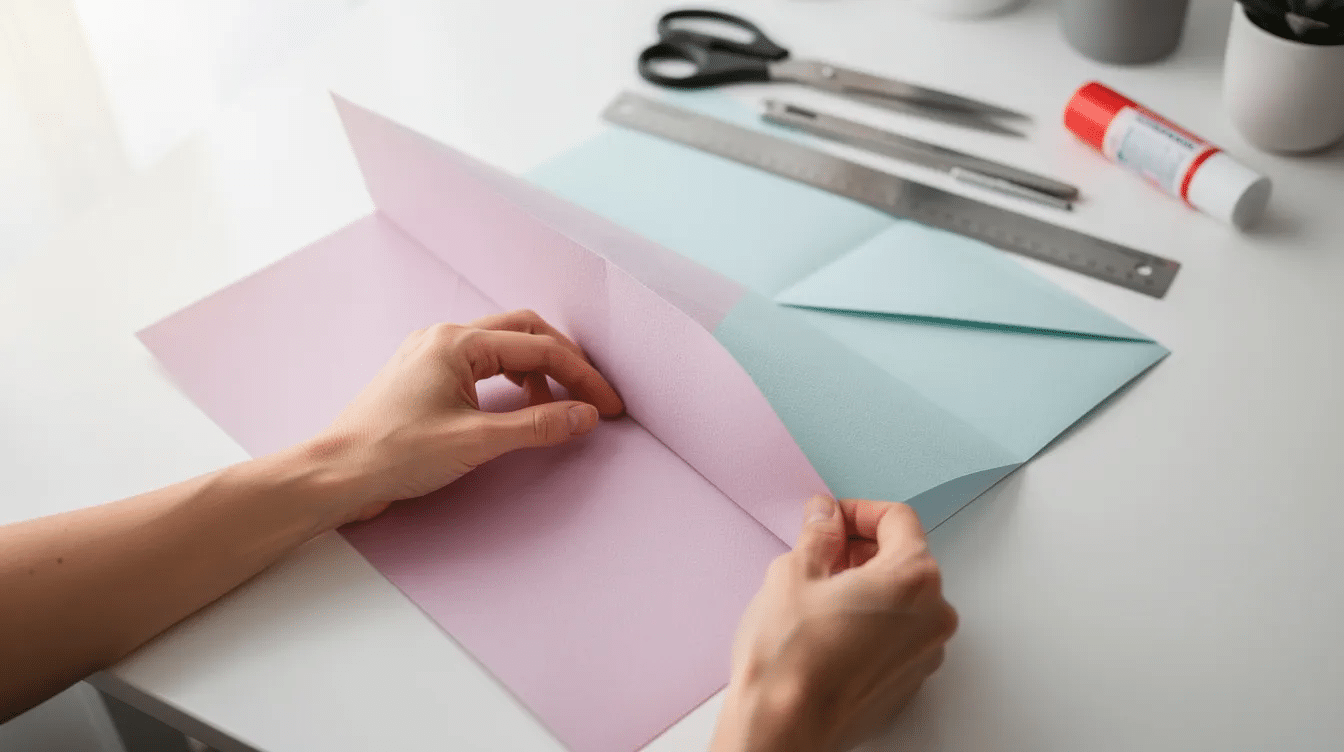
Duo paper has a different color on each side. It is similar to kami in feel, but it creates more visually interesting models because both sides contribute to the final look.
For example, a flower can have one color on the petals and another color inside the fold. A fish can show one color on the body and another on the fins.
Why It Stands Out
Duo paper helps beginners understand the structure of different models. When both sides are colored, it becomes easier to see how the paper turns, rotates, and exposes hidden layers, which is also useful if you branch out into craft paper supplies for creative projects beyond origami.
It is also a good bridge between plain practice paper and more decorative options such as printed japanese paper, lightweight washi, or specialty tissue foil.
Best For
- Beginners wanting more colorful results
- Models that show both sides of the sheet
- Transitioning from basic to intermediate origami projects
- Simple gift models where appearance matters
Key Strengths
- Creates strong visual contrast in finished models
- Slightly thicker than some standard origami paper
- Available in attractive color combinations
- Still beginner-friendly for most basic folds
- Great for boxes, animals, stars, and simple flowers
Possible Limitations
Duo paper is usually more expensive than one-sided kami. It also comes in fewer color combinations than regular paper, so you may have less choice for a specific project.
4. Copy Paper (Budget Practice Option)
Copy paper is not fancy, but it works. For quick, cost-effective practice, standard copy or printer paper is a good option if trimmed into squares, especially if you are following inspiration from Simply Paper Crafts or similar project galleries.
This is the paper you already have at home, school, or work. If you are only testing whether origami is something you enjoy, copy paper lets you begin without buying special materials.
Why It Stands Out
Copy paper is the easiest way to practice basic folding without worrying about wasting a good sheet. It is widely available, cheap, and familiar to handle.
Printer paper is usually around 75–80 GSM, which puts it near the upper end of the beginner-friendly range. It can handle simple folds, but it becomes bulky when a model has many layers.
Best For
- Complete beginners trying origami for the first time
- Bulk practice sessions
- Classroom or group activities with tight budgets
- Testing a model before using better paper
Key Strengths
- Extremely affordable and widely available
- Comfortable material for beginners
- Good for practicing a valley fold and mountain fold
- Can be cut into squares or different sizes
- Useful for rough drafts before folding with higher quality paper
Possible Limitations
Copy paper does not hold creases as cleanly as proper origami paper. It can tear with repeated folding, and plain white standard paper does not provide the color contrast that helps beginners follow instructions, but it is still fine for simple cute paper craft ideas and first experiments.
Kraft paper can also work for practice if it is thin enough, but some kraft paper is too stiff for clean origami creases. Tissue paper is generally too soft on its own, although tissue foil combines tissue and foil for advanced folders who need shape-holding power, and some crafters even experiment with handmade paper sheets for creative projects once they understand how different fibers behave.
5. Tant Paper (Upgrade Option)
Tant paper is a strong upgrade once you have made a few models with kami. It has a subtle texture, many colors, and a more premium feel than standard origami paper.
Tant paper is another recommended option for beginners, known for its beautiful texture and ability to hold creases well, making it suitable for both practice and display, including character models like creative paper duck designs that benefit from clean, crisp folds.
Why It Stands Out
Tant is usually around 78–80 GSM, so it feels sturdier than kami while still being foldable. It has excellent crease retention and gives finished models a clean, professional look.
OrigamiUSA’s review of Tant paper notes its durability, color range, and usefulness for beginner-to-intermediate folding, while also pointing out that very high-layer models can become harder because of thickness.
Best For
- Beginners ready to create display-worthy models
- Folders who have mastered basic folds with standard paper
- Special projects or gifts
- Decorative models that need richer color and texture
Key Strengths
- Beautiful textured surface with subtle sheen
- Excellent crease retention and durability
- Resists tearing better than many common papers
- Available in many colors
- Produces better results for clean, finished models
Possible Limitations
Tant is more expensive than kami or copy paper. Because it is slightly thick, it may be challenging for complex models with many layers, tiny legs, or fine details.
6. Washi Paper (Traditional Option)
Washi paper is a traditional Japanese paper known for its unique texture and strength, making it suitable for complex folds and high-end origami art.
Washi paper, made from long plant fibers, is known for its unique texture and strength, allowing for precise folds and durability, making it ideal for complex origami models.
The word washi often refers to japanese paper made with fibers from plants such as kōzo, mitsumata, or gampi. Kōzo is related to mulberry paper, and the long fibers help make washi strong even when it is thin. UNESCO recognizes traditional Japanese hand-made paper traditions as part of intangible cultural heritage.
Why It Stands Out
Washi has a texture that modern machine-made paper rarely matches. It can feel soft, fibrous, warm, or slightly translucent depending on the type. That texture gives models a natural look, especially animals, masks, flowers, and sculptural art.
Washi paper, while more expensive, is a strong and durable option that can be used for more complex models, making it a good choice for beginners looking to advance their skills, especially for decorative projects such as making paper stars step by step.
Best For
- Beginners interested in traditional japanese paper
- Folders who want to explore japanese craft traditions from japan
- Trying wet folding techniques
- Creating models with organic, lifelike appearance
Key Strengths
- Authentic traditional Japanese paper
- Unique texture adds character to models
- Strong and durable despite thinness
- Suitable for wet-folding techniques
- Useful for complex folds when the right weight is chosen
Possible Limitations
Washi costs more than kami, and not every type is beginner-friendly. Very thin lightweight washi may be delicate, while thick decorative washi may resist small folds. Some printed washi also hides crease lines, so beginners should start with solid colors when possible.
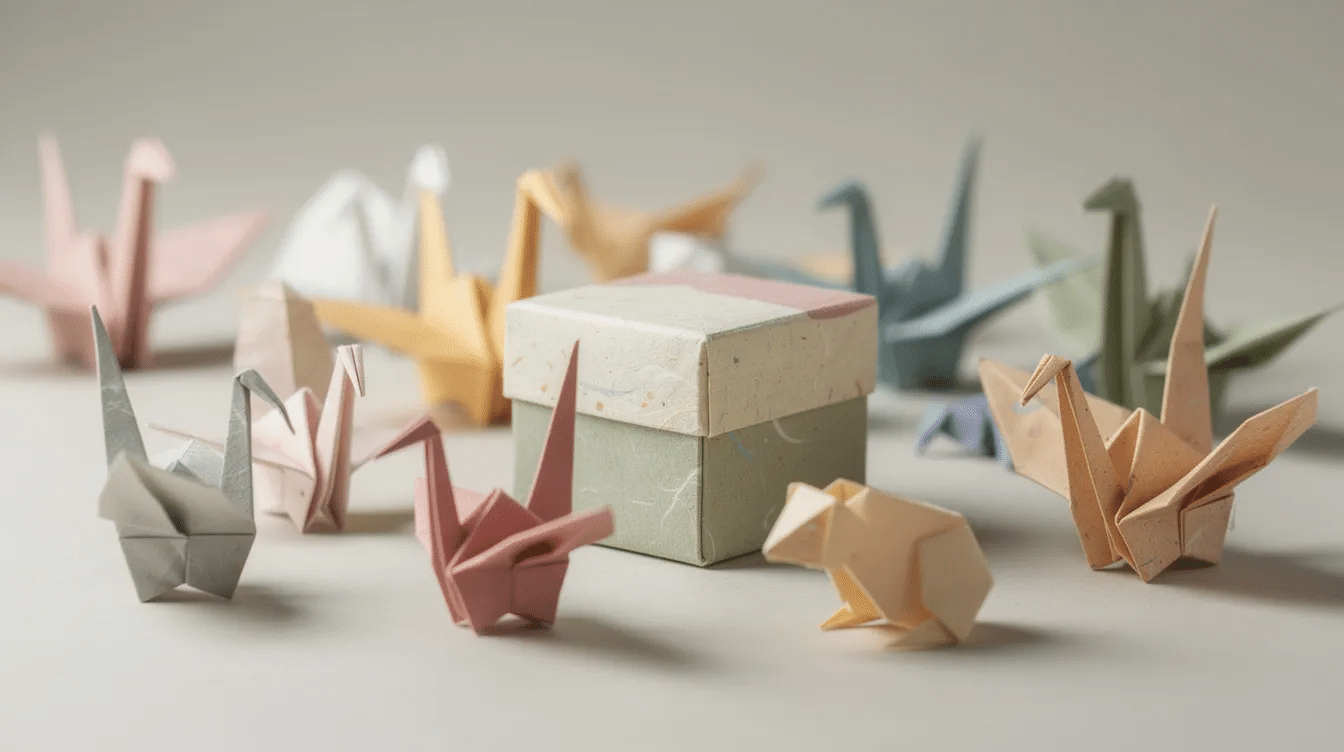
Quick Comparison of the Best Beginner Origami Papers
Paper type | Best use | Typical price | Difficulty | Notes |
|---|---|---|---|---|
Kami | Everyday practice | Low | Easy | Best starting point for most beginners |
Large format practice paper | Learning folds clearly | Low to medium | Easy | Great in 7-inch, 8-inch, or 10-inch squares |
Duo paper | Colorful models | Medium | Easy | Good for models showing both sides |
Copy paper | Budget testing | Very low | Easy to moderate | Trim into squares before folding |
Tant paper | Display models | Medium to high | Moderate | Better texture and crease retention |
Washi paper | Traditional or artistic models | High | Moderate | Best after basic practice |
If you want one simple answer, kami is the best paper for origami beginners. If you want a low-cost test, use copy paper. If you want your models to look more polished, move to tant paper. |
How to Choose the Right Origami Paper as a Beginner
Choose Based on Your Budget
If your budget is tight, start with copy paper or basic kami. You can cut regular paper into squares and practice until your folds become accurate.
Once you know you enjoy origami, buy a pack of 6×6 inch kami. It gives you consistent squares, color contrast, and enough sheets to practice different models without worrying about cost.
If you are interested in art pieces, gifts, or decorative models, then spending more on tant or washi makes sense.
Choose Based on Your Experience Level
Here is a simple progression:
- First day: use copy paper or standard origami paper.
- First few weeks: use kami in 6-inch squares and larger sizes.
- After basic models: try duo paper for more interesting results.
- When your folds are cleaner: move to tant paper.
- When you want texture, tradition, or wet folding techniques: experiment with washi.
Advanced folders often use other paper types such as tissue foil, foil-backed paper, handmade washi, or ultra-thin papers for complex models. Beginners usually get better results by avoiding those until their basic creases are consistent.
Choose Based on Your Project Goals
For practice, use inexpensive paper. For gifts, use tant, duo, or attractive washi. For simple animals and boxes, kami is usually enough. For complex models with many layers, choose thinner paper that will not become bulky, while other paper arts like beginner paper quilling projects may call for different weights and strip formats altogether.
If a project has fine details, avoid thick paper. If a project needs to hold a rounded shape, wet folding may work better with washi or heavier specialty paper.
As a practical note, do not add glue unless the model specifically allows it. Traditional origami usually relies on folding, not adhesive.
Which Paper Type Is Best for You?
If you want the safest choice, buy kami. It is inexpensive, colorful, and made for folding.
If you are unsure whether you will enjoy origami, start with printer paper or copy paper. Trim it into squares and test a few simple models before buying supplies.
If you struggle to see crease lines, choose solid-color large format paper. Avoid busy patterns because they can hide important creases and make instructions harder to follow.
If you want a model that looks good on a shelf, use tant paper. It holds a fold well, has attractive texture, and feels more finished.
If you are interested in traditional methods, try washi. It connects your project to the history of japanese paper and gives your models a unique surface.
If you are following lessons from books, YouTube, or places like taro’s origami studio, match the recommended sheet size whenever possible. The wrong size can make an easy model feel difficult.
Final Thoughts
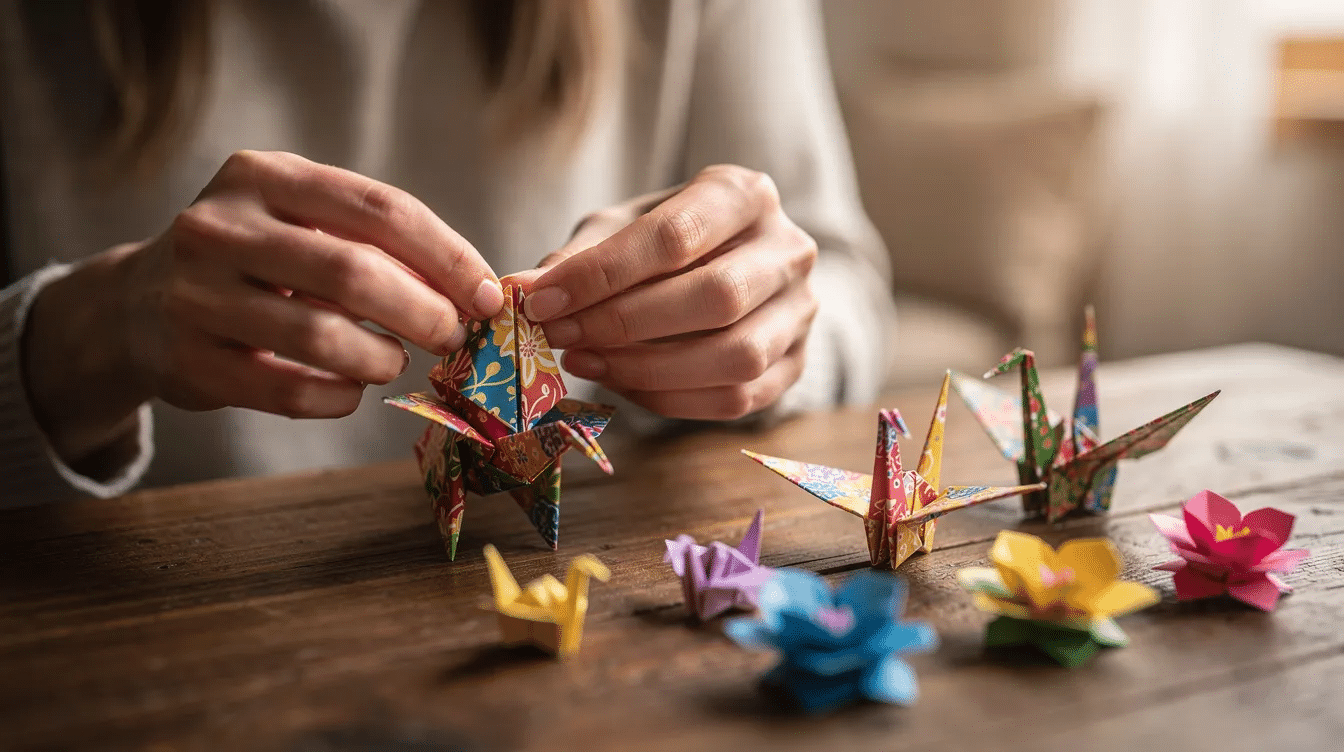
Paper choice will not replace practice, but it can make practice much less frustrating. The best paper for origami beginners is usually kami because it is light, affordable, colorful, and forgiving.
As your skills grow, try larger sizes, duo paper, tant paper, and washi. Each material teaches you something different about creases, fibers, texture, and how a flat sheet becomes a finished shape.
Start with simple squares, make a few animals or boxes, and pay attention to how each paper responds. That small test will tell you more than any label on a pack. Happy folding.