
Key Takeaways
- You can learn how to make thick cardstock from paper by laminating layers of regular paper with glue, pressure, and drying time.
- Homemade card stock works well for greeting cards, tags, invitations, scrapbooking, and small packaging, but it will not perfectly match mill-made heavyweight cardstock.
- Cardstock weight is measured in pounds or gsm, and layering lets you approximate common cardstock weights like 80 lb, 100 lb, and 110 lb.
- Thin glue, firm pressing, and 12–24 hours of drying are the difference between flat thick paper and warped paper.
- You’ll also need the right cardstock sizes, printer settings, and scoring technique to avoid paper jams, cracking, or misaligned print results.
Introduction: Why Make Your Own Thick Cardstock?
Cardstock is a thicker, heavier, and more durable type of paper that is ideal for card making and various paper crafting projects. If you need one urgent card base, a custom color, or a stronger backing for decorative paper, DIY cardstock can save a trip to the print shop.
Cardstock is heavier than typical printer paper but lighter and more flexible than cardboard or chipboard. It is ideal for greeting cards, creating cards, invitations, tags, origami projects with simple folds, and premium projects where regular paper feels too thin.
Commercial cardstock weights like 80 lb, 100 lb, and 110 lb can be mimicked with layers if you understand basic paper weight. The result is useful, but not the same as high quality cardstock paper made on industrial equipment.
- Understanding Paper Weight and Cardstock Weight
- Method 1: Laminating Regular Paper into Thick Cardstock
- Method 2: Turning Thin Scrapbook Paper into Foldable Cardstock
- Optional: Separating and Thinning Thick Paper Before Rebuilding It
- Using Steam and Pressure to Improve Foldability
- Choosing the Right Paper Type, Size, and Thickness for Projects
- Printing, Cutting, and Scoring Homemade Heavy Cardstock
- Common Mistakes When Making Thick Cardstock (and How to Fix Them)
- FAQ: Making and Using DIY Thick Cardstock
- Can homemade cardstock go through a home printer safely?
- How long will DIY thick cardstock last compared to store-bought cardstock?
- What glue works best for laminating paper into thick cardstock?
- Can I use DIY heavy cardstock for watercolor, markers, or other wet media?
- How can I estimate the final weight of my homemade cardstock?
Understanding Paper Weight and Cardstock Weight
Paper weight tells you how heavy and usually how thick a sheet feels. Standard printer paper typically weighs 20lb or approximately 75–90 GSM, while thick cardstock ranges from 80–110lb or approximately 210–300 GSM.
Cardstock weight is measured in pounds (lbs) per 500 sheets in the US, while internationally it is measured in grams per square meter (GSM). Because “lb” depends on paper type, 80 lb text and 80 lb cover do not feel the same. GSM, or grams per square meter, is easier to compare across many different types of paper.
Paper type | Approximate weight | Best use |
|---|---|---|
20 lb copy paper | 75–90 GSM | base layers |
65 lb cover | 176 GSM | light card fronts |
80 lb cover | about 216 GSM | popular card bases |
110 lb cover | 270–308 GSM | heavier cardstock |
130 lb cover | 350+ GSM | super heavy duty pieces |
A 65 lb cardstock typically has a GSM of 176, while a 110 lb cardstock has a GSM ranging from 270 to 308, indicating that higher GSM corresponds to thicker and heavier cardstock. Selecting the right cardstock weight is crucial for ensuring that your prints look and feel professional, with common weights including 80 lb, 90 lb, 110 lb, and 130 lb. |
The most popular cardstock weights are 80 lb, 90 lb, 110 lb, and 130 lb, with heavier cardstocks like 300 lb being available for various projects. If you also want to compare the best types of paper for craft and their uses, look at how each surface behaves with inks, dies, and adhesives. For DIY estimating, two 20 lb sheets make about 150 GSM, three make about 225 GSM, and four make about 300 GSM before glue.
Method 1: Laminating Regular Paper into Thick Cardstock
The main method for how to make thick cardstock from paper is to laminate several layers into one sheet. The process of laminating multiple sheets of paper is often referred to as ‘paper pasting’ or ‘duplexing.’
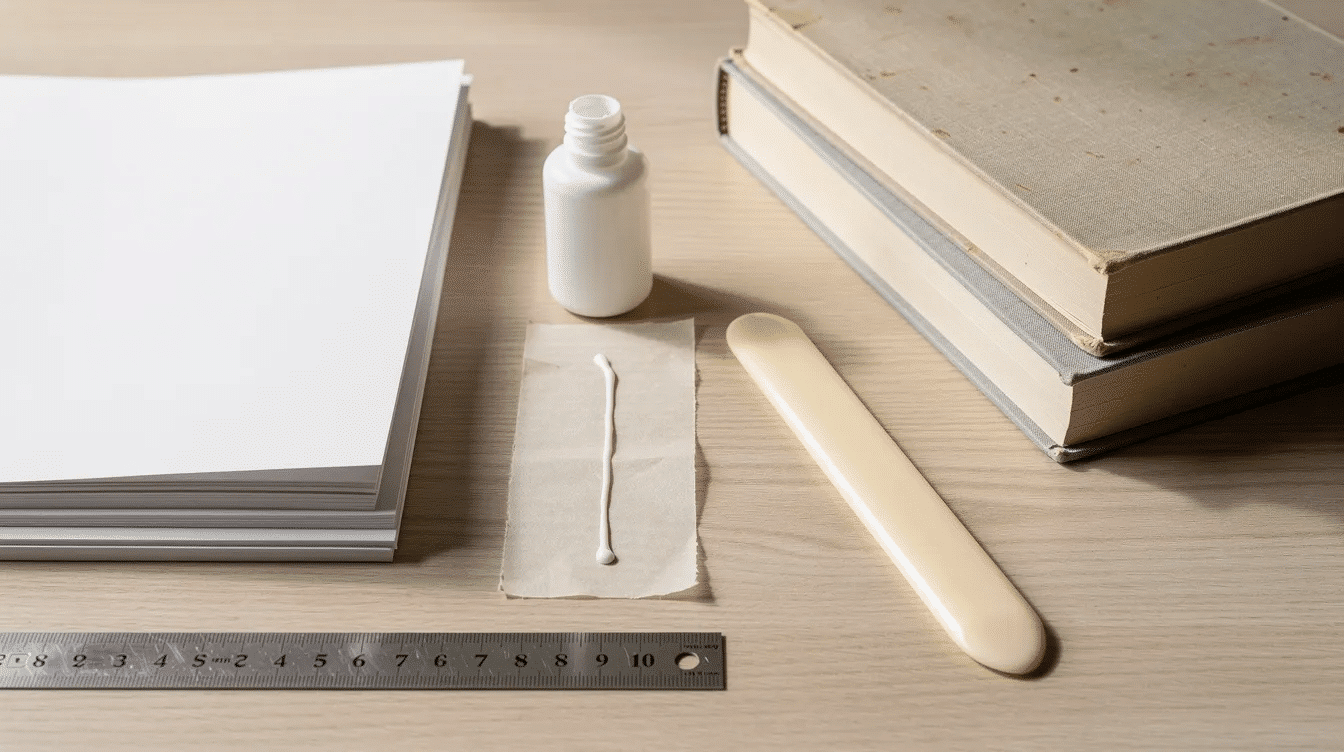
You’ll need:
If you don’t already have a stash of paper, glues, and cutting tools, it helps to review top craft paper supplies for creative projects so you can choose sheets and adhesives that laminate cleanly.
- 8.5 x 11 inch regular paper, such as letter size copy paper
- PVA glue, bookbinding glue, or permanent adhesives
- A little water for a glue-and-water mixture
- Wide brush, foam roller, or old gift card
- Cutting mat, metal ruler, bone folder, and heavy books
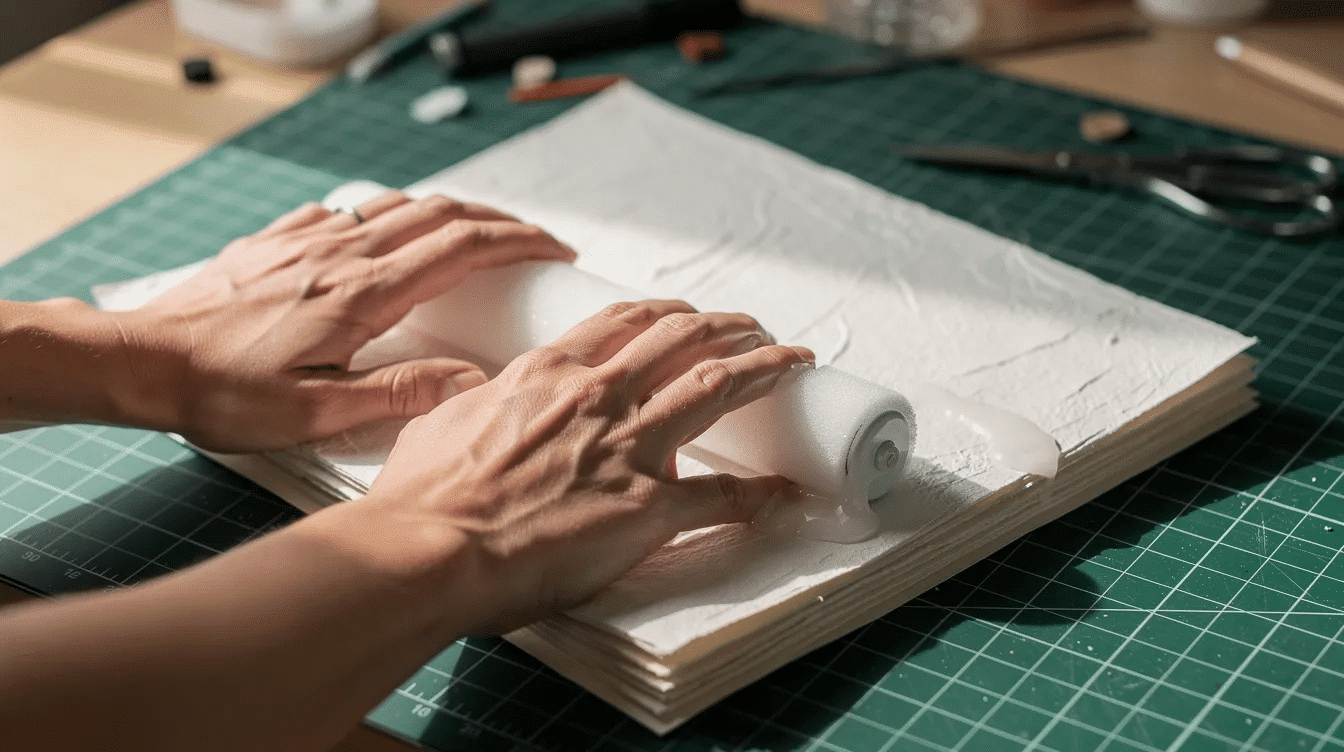
Thick cardstock can be made from regular paper by laminating multiple sheets together using a glue-and-water mixture. Mix glue with a small splash of water, not enough to make it runny. Using liquid glue sparingly helps avoid wrinkling of the paper during the lamination process.
Work like this:
- Trim sheets to the same paper size.
- Spread a very thin coat from the center outward.
- Align edges and paper grain; aligning the paper grain of all sheets during lamination prevents curling.
- Smooth bubbles with a roller or card.
- Place parchment over the stack and press under books for 12–24 hours.
Permanent adhesives are recommended to prevent warping when laminating paper layers together. Three layers of 20 lb paper will feel close to light card stock for flat greeting cards; four layers become thicker and better for tags.
Method 2: Turning Thin Scrapbook Paper into Foldable Cardstock
Patterned scrapbooking sheets and open-stock craft paper often look beautiful but feel too flimsy. Back them with plain paper, heavy paper, or light card stock to create a foldable sheet with more structure. For more layout ideas and inspiration, browse Simply Paper Crafts for paper crafting projects and adapt your favorite designs to homemade cardstock.
Cut the decorative sheet and backing to matching dimensions. Apply glue sparingly to the back of the decorative paper, align it to the backing sheet, burnish flat, and press until dry. This preserves glossy cardstock, glitter finishes, metallic accents, or printed designs while adding strength.
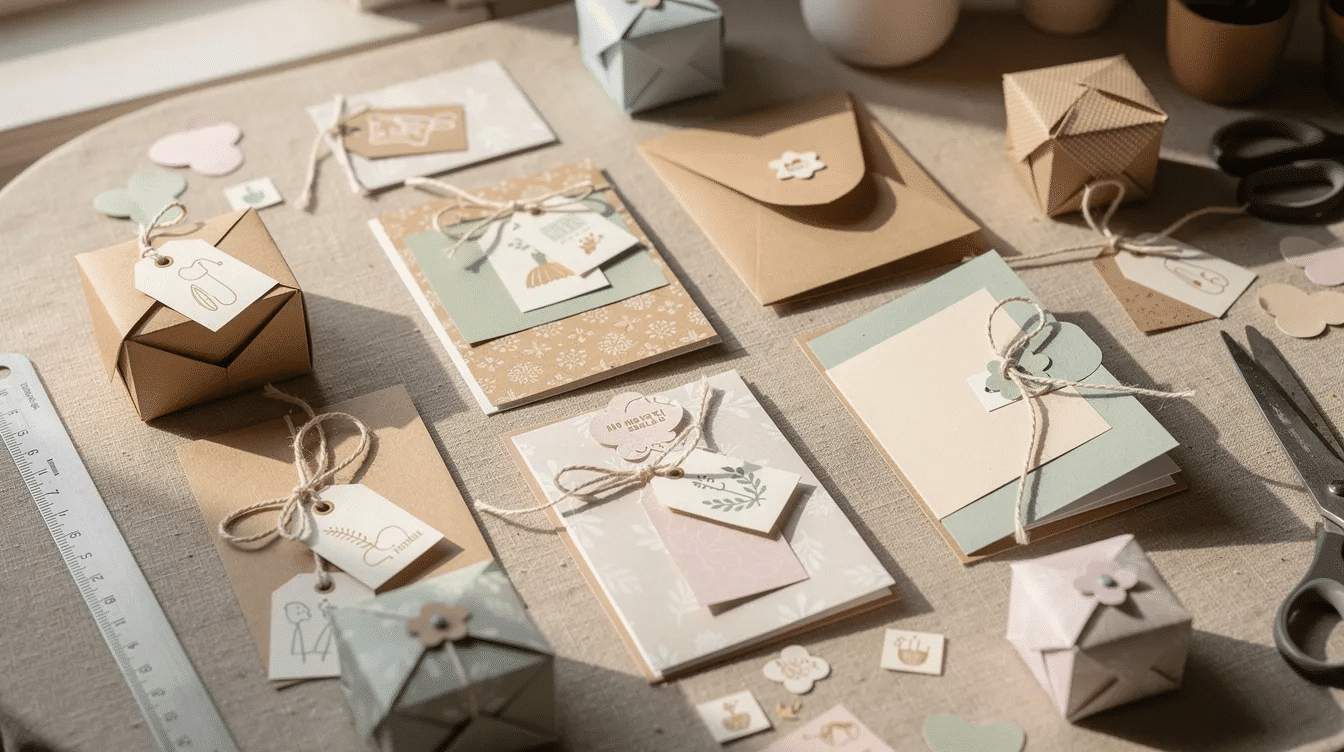
This method is useful for card making, die-cutting, simple origami-style folds, card fronts, and free-standing paper decor. It also helps when you want custom sizes or square cardstock without buying a full pack, especially if you’re trying cute paper craft ideas for fun DIY projects with kids or beginners.
Optional: Separating and Thinning Thick Paper Before Rebuilding It
Some thick printed papers and glitter cardstock are already made from layers. You can sometimes separate them to get a thin printed surface before rebuilding it with lighter backing layers.
Flex one corner, catch the edge with a fingernail or craft knife, and peel slowly. Every paper type behaves differently, especially 12 x 12 scrapbooking paper, so test one sample sheet first.
This helps control final thickness when pieces must fit inside envelopes. If you enjoy working with unusual textures, you can also experiment with making and using handmade paper sheets as your top layer before backing them with DIY cardstock. Use a craft knife away from fingers, and discard badly torn or delaminated pieces.
Using Steam and Pressure to Improve Foldability
Even homemade heavy cardstock can crack when you fold it too quickly. Steam can soften dry fibers before folding. Clean folds are especially important if you plan to use your thick paper as a base for paper quilling art projects, where tight coils and delicate shapes highlight every crease.
Hold the fold area briefly over a mug or bowl of freshly boiled water without soaking the paper. Then score with a bone folder and ruler before folding. This is especially helpful in dry climates or with coated media.
Test first. Glossy, printed, or coated finishes may bubble or smear. Fold with the valley on the outside for cleaner creases.
Choosing the Right Paper Type, Size, and Thickness for Projects
Cardstock is a thicker, heavier, and more durable type of paper, making it ideal for various arts and crafts projects such as card making and scrapbooking. Cardstock can come in various textures and finishes, including smooth, metallic, textured, and glossy, which can enhance the visual appeal of crafted items.
Common types of cardstock include smooth cardstock, which is ideal for stamping and clean ink blending, and textured cardstock, which adds a tactile dimension to projects. When choosing cardstock, consider the finish; smooth cardstock is best for stamping and clean ink blending, while textured cardstock adds a tactile dimension to projects.
Here are the most common ones for home crafting:
If you sell cards, tags, or packaging, choosing sizes that fit standard envelopes and mailers is key to keeping costs down when you explore paper crafts that sell well for crafters.
- standard letter size cardstock: 8.5 x 11 inches
- A4: an international standard size
- legal size: useful for menus, not usually for legal documents
- square sizes: good for square cardstock and modern card sizes
- slimline cards: sized for #10 envelopes
Cardstock sizes vary in various dimensions, so decide on the document, card sizes, and final paper size before gluing. A letter size sheet can become an A2 card, while larger projects may need enough room on 12 x 12 paper. Make and label a sample sheet for each layer count so you can choose the right cardstock later, especially if you enjoy vintage paper craft ideas using old ephemera that may come in irregular sizes.
Printing, Cutting, and Scoring Homemade Heavy Cardstock
Not every printer can handle heavier cardstock. When printing on thick cardstock, it is crucial to ensure that your printer supports the thickness and weight of the cardstock to avoid paper jams or damage to the printer.
Check the printer’s manual for maximum weight in GSM or cardstock compatibility. Use the manual feed tray if available, feed one sheet at a time, and choose the media type as “cardstock” or “thick paper.” Also review other settings such as quality, rear feed, and drying time; ink may take slightly longer on glossy or laminated media.
Always match your document size to the cardstock size you are using; otherwise, the printing may not align correctly, leading to misprints. Before printing on thick cardstock, it is advisable to perform a test print with a single sheet to ensure that the printer settings are correct and to avoid wasting materials.
For clean edges, cut after pressing with a sharp blade and metal ruler. The drying time is crucial; paper should dry completely before cutting or scoring to maintain its structure, just as it is when you’re turning offcuts into eco-friendly cardboard craft projects.
Common Mistakes When Making Thick Cardstock (and How to Fix Them)
DIY cardstock can cause trouble: waves, bubbles, uneven thickness, or weak corners. Most issues come from rushing the process.
- Too much glue: use a thinner coat.
- Air pockets: smooth from the center outward.
- Misaligned edges: trim the finished sheet square.
- Curling: match grain direction and press longer.
- Folding too soon: wait overnight or 24 hours.
Don’t throw away imperfect sheets. Use them for printer tests, cutting practice, packaging mockups, or small die-cut shapes, or shred them for creative paper mâché art projects like bowls, masks, and decor.
FAQ: Making and Using DIY Thick Cardstock
Can homemade cardstock go through a home printer safely?
Yes, if the printer supports that thickness and weight. Start with 2–3 layers, use the manual tray, and select a thick paper or cardstock media type. Avoid very thick laminated stacks; for safer results, print the top sheet first, then laminate it to backing paper.
How long will DIY thick cardstock last compared to store-bought cardstock?
Longevity depends on the quality of the paper and glue. Acid-free paper and archival PVA can last for years in normal indoor conditions, especially for keepsake greeting cards and scrapbooking. Store finished sheets flat, away from sunlight and humidity swings.
What glue works best for laminating paper into thick cardstock?
pH-neutral PVA, bookbinding glue, or good white craft glue diluted slightly with water works best. Avoid glue sticks for full sheets because they dry unevenly. Use parchment between stacks and weights so nothing sticks accidentally.
Can I use DIY heavy cardstock for watercolor, markers, or other wet media?
Use light media only. Laminated paper is thicker, but it is not watercolor paper and may buckle, pill, or separate under heavy water. Test markers, brush pens, and sealants on scraps before using them on finished pieces.
How can I estimate the final weight of my homemade cardstock?
Use layer math. One 20 lb sheet is about 75–90 GSM, two layers are about 150–180 GSM, three are about 225–270 GSM, and four approach 300 GSM. Glue adds small stiffness and weight, but for professional invitations, buy known cardstock weights instead of estimating.