A paper cup bird feeder craft is a quick 10–25 minute nature activity using simple household items, twine, and bird seed. It is easy enough for kids from preschool through 3rd grade, with adults helping on scissors, the hole punch, and choosing a safe place to hang the feeder.
Key Takeaways
- A single paper cup, some twine, and bird seed are enough to create your own bird feeder.
- This diy bird feeder is kid-friendly, but little ones need light adult help for cutting, punching each hole, and hanging the feeder.
- Making bird feeders from paper cups is a simple and engaging craft that can be completed in about 10 minutes, making it ideal for children.
- This feeder craft works year-round, but it is especially useful in the colder months when natural bird food is harder for wild birds to find.
- You will also find fun variations, including pine cone, orange halves, suet blocks, wooden spoons, plastic bottles, and a short FAQ.
- Why a Paper Cup Bird Feeder Is a Great Kid-Friendly Craft
- Age Range and Skills Kids Will Practice
- Materials You’ll Need for a Simple Paper Cup Bird Feeder
- Step-by-Step Instructions: How to Make a Paper Cup Bird Feeder
- Quick 10-Minute Version: Fast Cup Bird Feeder for Busy Days
- Where and How to Hang Your Paper Cup Bird Feeder
- Fun Variations and Related DIY Bird Feeders
- How Long Your Paper Cup Bird Feeder Will Last and When to Replace It
- FAQ
- What kind of bird seed is best for a paper cup bird feeder?
- Can I use a plastic or foam cup instead of a paper cup?
- Is it safe to leave homemade bird feeders out all year?
- How can kids identify the birds visiting their feeder craft?
- Do I need to worry about squirrels getting into the paper cup bird feeder?
Why a Paper Cup Bird Feeder Is a Great Kid-Friendly Craft
A paper cup bird feeder is one of the easiest first bird feeders for kids because the materials are light, familiar, and inexpensive. Homemade bird feeders can be made using various materials, including paper cups, which are readily available in most households, making them a cost-effective option for families.
Paper cups are often already in the kitchen, craft cupboard, or leftover party supplies, so this great project can start without a special shopping trip, and they can also be used for other creative paper cup crafts ideas. Hanging simple bird feeders helps birds find extra food like bird seed, sunflower seeds, millet, and small grains, especially from late fall through winter; the Minnesota DNR notes that winter feeding can help birds when natural food is scarce.
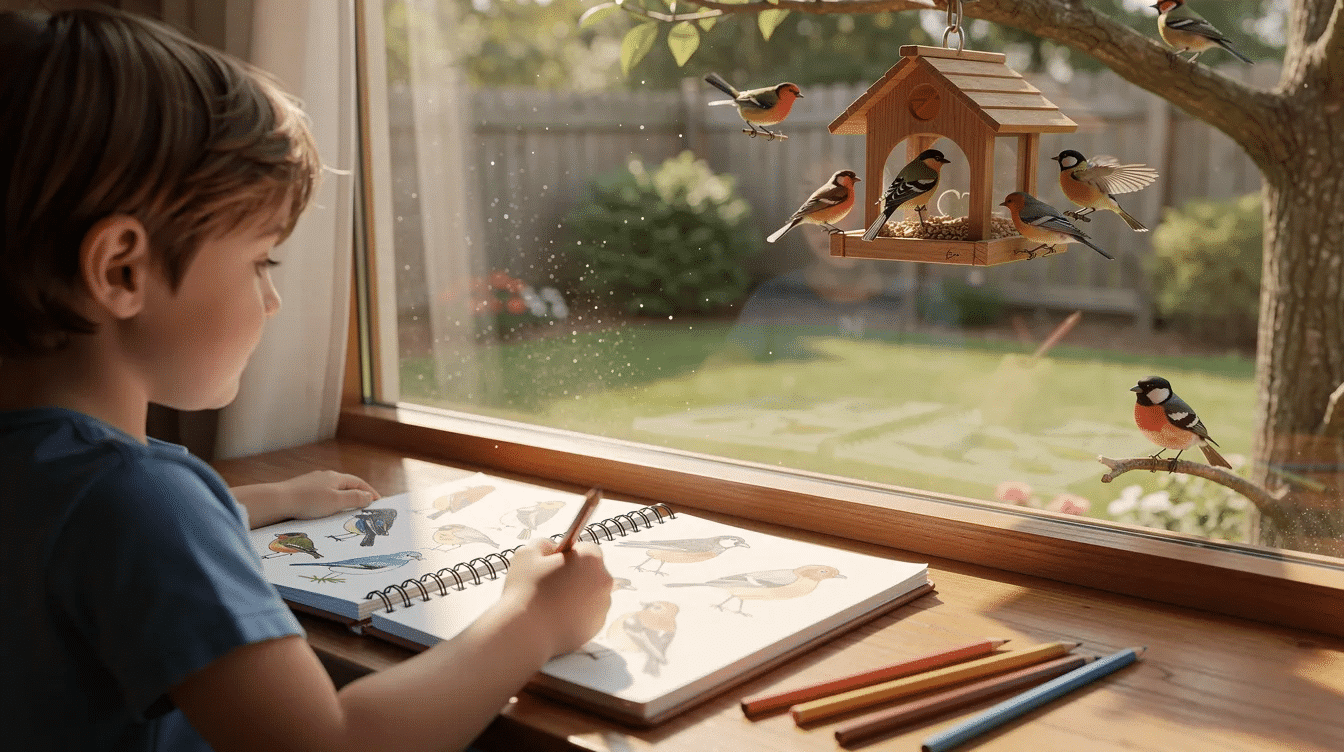
Homemade bird feeders can attract a variety of bird species to your garden, providing an opportunity for birdwatching and engagement with nature. Watching feathered friends land, eat, fly away, and return turns a small backyard craft into real bird watching, helping kids explore seasons, local bird species, and the daily habits of other birds.
This project is also lower mess than many suet or fat-based feeders because it does not require hot lard or melted fat. Creating homemade bird feeders is a fun and educational activity for children, helping them develop a caring attitude towards wildlife and learn about different bird species.
Age Range and Skills Kids Will Practice
This bird feeder craft suits preschoolers around ages 3–4 with close help, through about 3rd grade, ages 8–9. Older kids can decorate in more detail, keep a bird log, or test which seed mix attracts the most birds, and they may also enjoy exploring fun paper activities for creative minds.
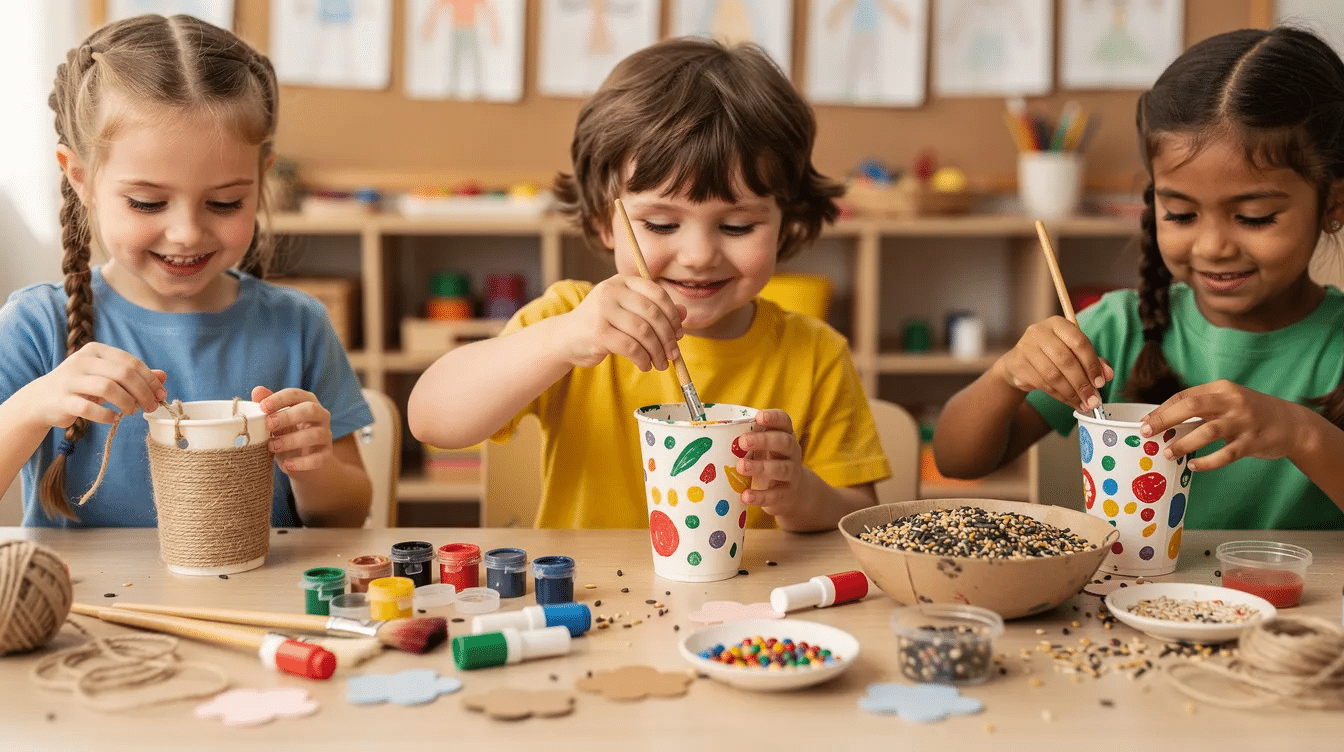
- Fine-motor skills: cutting a paper cup, holding a hole punch, threading twine or yarn through holes, and gently pouring bird seed into the cup.
- Creativity skills: choosing colors, patterns, paint designs, leaf shapes, or simple bird drawings to decorate the paper cup bird feeder.
- Responsibility skills: refilling the diy bird feeder, checking that the cup bird feeder is dry, and noticing when it needs to be replaced.
- Nature skills: naming birds that visit, using a field guide, and learning that different birds prefer different bird food.
Materials You’ll Need for a Simple Paper Cup Bird Feeder
You can gather all the materials from home, a basic supermarket, or a craft drawer. Making homemade bird feeders can be a cost-effective way to provide food for birds, as they can be created using simple household items and materials, much like many top craft paper supplies for creative projects you may already have on hand.
- Paper cup: use a sturdy 8–12 oz paper cup. Plain white cups are best if kids want to paint, but patterned cups work too.
- Bird seed: choose a backyard mix with sunflower seeds, cracked corn, and millet. Black oil sunflower seeds are especially popular because they are rich in fat and protein; Oregon State University Extension recommends quality seed over mixes with lots of filler grains.
- String for hanging: use twine, jute, cotton cord, or yarn, about 40–60 cm, or 16–24 inches, long.
- Cutting supplies: child-safe scissors for trimming the cup, plus a hole punch or sharp pencil used by adults.
- Decoration supplies: wax crayons, colored pencils, washable paint, and a little glue if needed. Using wax crayons for decorating a bird feeder is recommended because markers may run if they get wet.
- Optional supplies: a tray for spilled seed, newspaper, an old tablecloth, stickers, a wooden dowel for a perch, or wooden spoons for an experimental perch design.
All decorations on a bird feeder should be secured well to ensure that birds do not eat them. Avoid loose glitter, dangling plastic pieces, or anything that could fall into the seed and become a dangerous snack.
Step-by-Step Instructions: How to Make a Paper Cup Bird Feeder
These instructions make a simple hanging bird feeder in about 20–25 minutes, including drying time. To create a paper cup bird feeder, you can cut the top off the cup, paint it, and then make holes to insert twine for hanging, similar to many cute paper craft ideas for kids that focus on quick, fun results.
- Ask an adult to help kids cut the paper cup down to about 5 cm, or 2 inches, tall. A shallow rim makes it easier for small birds to reach the seed.
- Decorate the outside first. Kids can paint stripes, dots, trees, branches, leaves, or little birds, then let the paint dry for 10–15 minutes.
- Punch three evenly spaced holes near the top edge of the trimmed cup. Keep at least 1 cm of paper above each hole so the cup does not tear.
- Thread twine or yarn through the three holes. Bring the loose ends upward and tie them together in a strong knot above the cup.
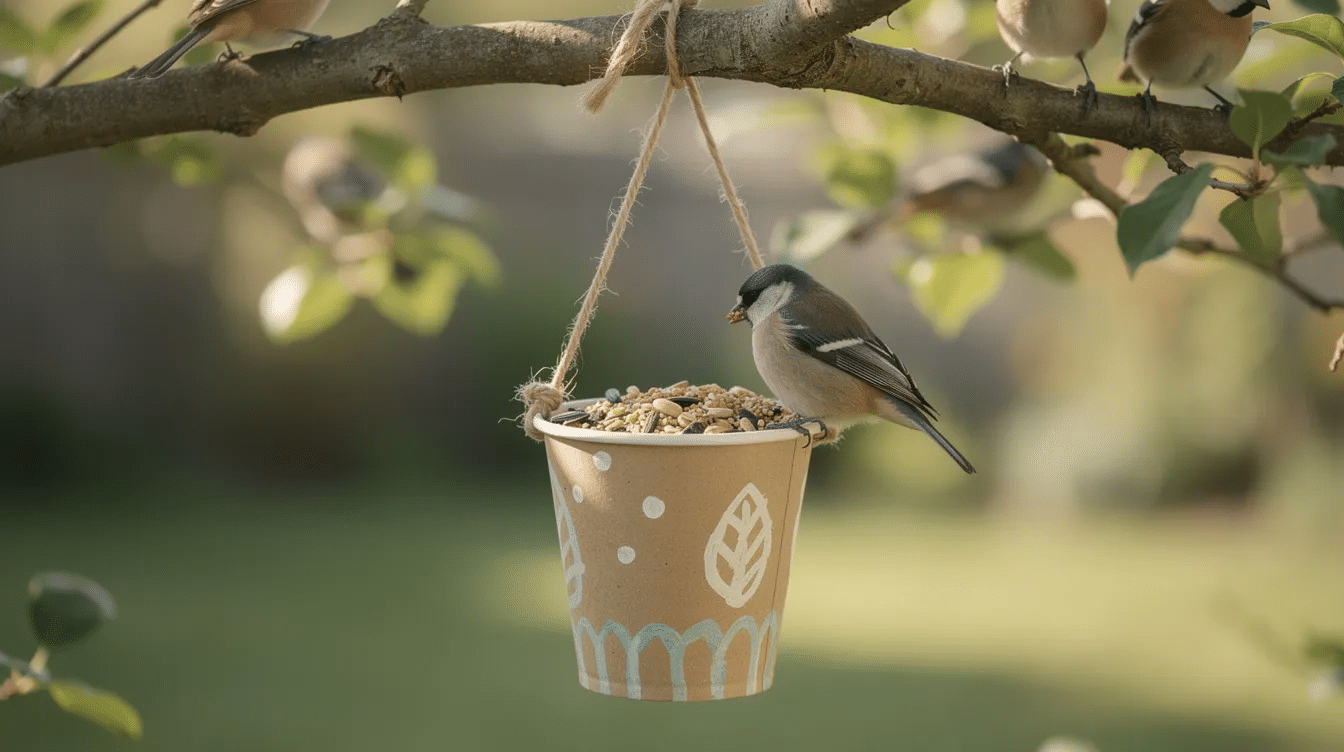
- Fill the finished cup bird feeder almost to the top with bird seed, leaving a little space so the seed does not spill when it swings.
- Test the hanger over a tray. Lift the feeder slowly, check the knot, and make sure the cup stays level before you hang it outside.
Quick 10-Minute Version: Fast Cup Bird Feeder for Busy Days
If you only have 10 minutes, skip the paint and use pre-colored or patterned cups. This faster diy version works well for classrooms, scout meetings, birthday parties, weekend playdates, or any group of children who want the fun making stage without waiting for paint to dry.
Adults can punch two holes on opposite sides of the cup and run one length of twine through them to create a simple handle. Kids can use crayons or stickers for instant decoration, then fill the feeder with bird seed right away and carry it to the yard.
This streamlined feeder craft is the best idea when attention spans are short and the goal is quick success.
Where and How to Hang Your Paper Cup Bird Feeder
The location to hang a bird feeder should be chosen to allow for easy visibility for bird-watching. Try a tree branch, sturdy shrub, garden post, metal hook, or low branch near the house where kids can watch from a window without crowding the birds.
Hang the feeder high enough to be out of easy reach of cats and other predators. Leave open space around the feeder so birds can fly in and out, but in winter, place bird feeders near evergreen trees or hedges so birds have quick shelter from wind and snow after they feed.
Check the feeder every day or two. Tap out rainwater, remove wet seed, and refill only with dry bird food because moldy seed can make birds sick.
Fun Variations and Related DIY Bird Feeders
Once kids make a paper cup bird feeder, they can search for other supplies, recycle household items, and create a new design. These variations are also great to save as a pinterest idea for later, or to pair with inspiration from Simply Paper Crafts.
- Pine cone feeder: spread peanut butter or vegetable fat over a large pine cone, roll it in bird seed, and tie it with string.
- Citrus feeder: scoop out orange halves or grapefruit halves, poke three holes around the rim, add twine, and fill with seed.
- Suet seed block: line a paper cup with string, fill it with melted suet and bird seed, chill overnight, then peel away the cup to make a solid hanging bird feeder.
- Reused container feeder: adults can adapt clean plastic bottles into a feeder, but they should bring them indoors for reuse or recycling so they do not become litter.
- Perch experiment: add a wooden dowel or wooden spoons through the cup as a perch and observe whether birds use it.
Encourage kids to keep a simple bird log. They can draw each visitor, write the date, note what the birds eat, and compare which feeder attracted the most feathered friends, or even try folding creative paper duck origami designs inspired by the birds they see.
How Long Your Paper Cup Bird Feeder Will Last and When to Replace It
Paper cup bird feeders are temporary and meant for short-term, kid-friendly projects. In dry spring or early autumn weather, a paper cup feeder may last 1–2 weeks before it becomes too soft, faded, or weathered.
In wet or snowy winter weather, the cup may weaken after only a few days, especially if rain or snow sits in the bottom. Check for tears, soaked paper, loose twine, moldy seed, or decorations that are no longer attached.
When the feeder looks damaged, replace the whole thing. Treat it as an ongoing nature activity: when one cup bird feeder wears out, kids can decorate a new one with different colors, patterns, or a fresh bird species theme.
FAQ
What kind of bird seed is best for a paper cup bird feeder?
A general mixed bird seed with sunflower hearts, cracked corn, and millet works well for most gardens and small backyard birds. Black oil sunflower seeds are especially popular with finches, chickadees, and sparrows, and they can be mixed with other grains to fill the cup.
Can I use a plastic or foam cup instead of a paper cup?
A sturdy paper cup is best because it is easier to decorate, safer for wildlife if it falls, and will eventually break down outdoors. If only plastic cups are available, adults should bring them indoors for reuse or recycling once they are empty so they do not become litter.
Is it safe to leave homemade bird feeders out all year?
You can offer bird seed year-round, but adjust what you feed depending on the season and do not let old food sit. Clean up wet or moldy seed, replace damaged cups quickly, and pause feeding briefly if large messes, rodents, or aggressive birds become a problem.
How can kids identify the birds visiting their feeder craft?
Keep a notebook near the window so kids can draw colors, shapes, beaks, and behavior they see at the cup bird feeder. Local bird posters, beginner field guides, or free bird ID apps can help families match their drawings to common bird species in their region.
Do I need to worry about squirrels getting into the paper cup bird feeder?
Yes, squirrels often enjoy bird seed and may knock down lightweight paper cup feeders if they can reach them. Hang the diy bird feeder farther from tree trunks and fences, choose a thinner branch, and accept that the occasional squirrel visitor is part of backyard wildlife.