Key Takeaways
- This diy paper gift box without glue is a no-glue, no-tape diy gift box made only by folding a single sheet of paper.
- The finished paper box is sturdy enough for small gifts like jewelry, candies, keychains, wax melts, and tiny handmade items.
- You can use common paper sizes such as A4 or US Letter by trimming them into a square before folding.
- Once you learn the folds, this quick paper crafts project takes about 10–15 minutes per box.
- The final lock comes from folded flaps and tucked tabs, not adhesives, staples, or hidden tape.
Introduction to Glue‑Free DIY Paper Gift Boxes
A diy paper gift box without glue is exactly what it sounds like: a small folded gift box made from paper, with no sticky mess and no extra hardware. It is useful when you need a last-minute paper gift package but do not want to hunt for glue, tape, or store-bought boxes.
This project belongs to the world of simple paper crafts. It is approachable for beginners, and kids around age 7+ can learn it with adult supervision, especially when scissors or a craft knife are involved. A sturdy paper gift box can be made without the use of adhesives, making it a fun and engaging craft project for home, classrooms, parties, or market prep.
Unlike typical gift box making, which often relies on templates, double-sided adhesive, glue sticks, or tape, this version uses crease patterns and interlocking flaps. In origami terms, it is related to folded box traditions such as the Masu box. A sturdy, functional origami Masu box can be made from a single square sheet of paper without glue or tape.
You can use this box for birthday favors, Christmas stocking stuffers, wedding place-card boxes, classroom rewards, or small product packaging for handmade sellers. The folding method is also a good way to learn basic origami ideas such as center folds, diagonal folds, and tucking tabs into slots, skills that carry over into top origami designs for every skill level.
Below, you’ll learn the full process step by step, using clear instructions you can follow even without a video. If you watch a craft channel and the tutorial gives you an error message like “please try again later,” this written guide will still get you ready to fold.
- Materials and Size Guide
- Step 1: Turn a Rectangle Into a Perfect Square
- Step 2: Base Folds for the Paper Box
- Step 3: Create the Inner Walls and Flaps
- Step 4: Shaping the Box Corners (No Cutting Required)
- Step 5: Interlocking the Flaps for a Sturdy Paper Box
- Decorating and Customizing Your No‑Glue Gift Box
- Ideas for Using Your Paper Gift Box in 2026
- Tips for Success and Common Mistakes
- FAQ
Materials and Size Guide
You only need a few basic supplies for making this paper box.
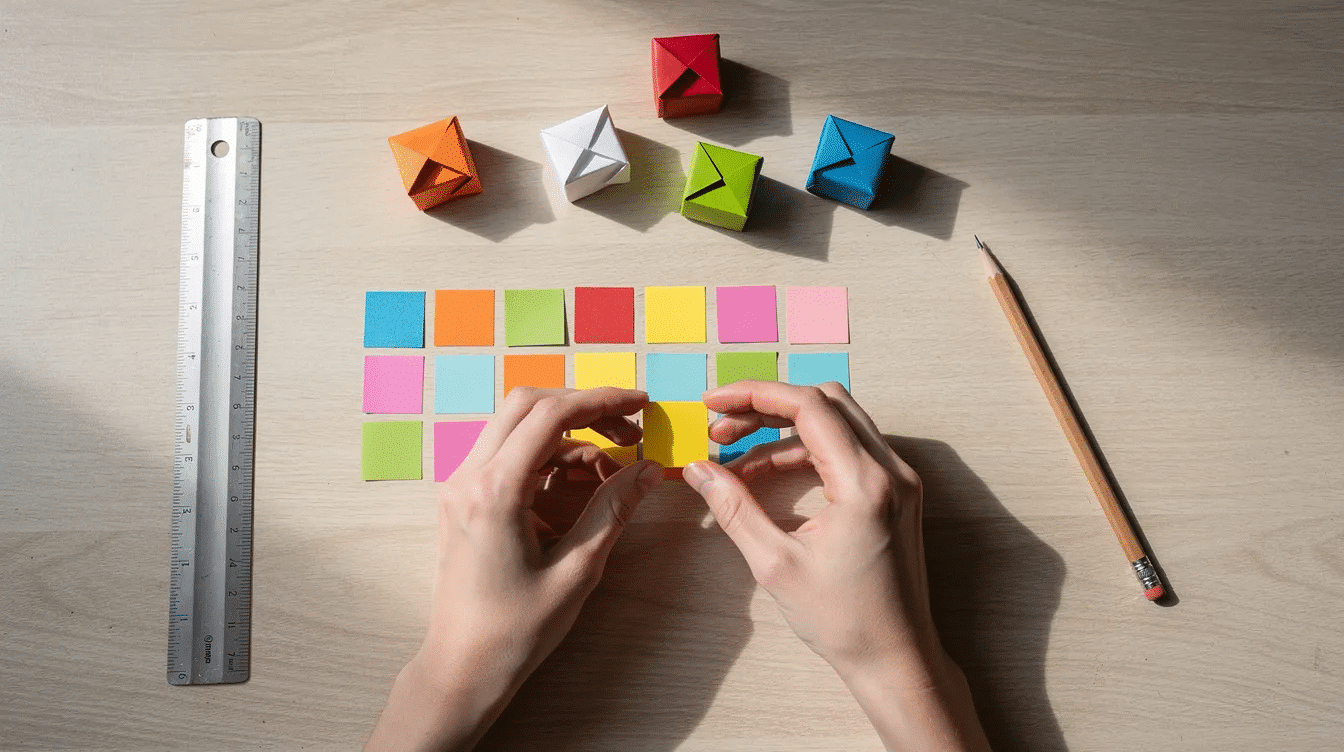
- 1 sheet of medium-weight paper: Use 80–120 gsm printer paper, scrapbook paper, origami paper, construction paper, or kraft paper.
- Ruler: Helpful for sharpening creases and checking that your square is accurate.
- Pencil: Useful for light guide marks if you want extra precision.
- Scissors or craft knife: Optional, but useful for trimming A4 or US Letter paper into a square.
- Bone folder or ruler edge: Optional, but it helps create crisp folds that hold their shape.
Paper choice matters. Thin paper is easier to fold and works well for delicate gifts like earrings, notes, charms, or candies. Thicker paper or light cardstock gives a stronger gift box for heavier items like mini candles, soaps, or bath bombs, but it can be harder to crease cleanly. Very thick cardstock may crack along sharp folds, so it helps to understand the best types of paper for craft before you start.
A standard size for making origami is a square sheet of cardstock, origami paper, or construction paper, commonly 8×8 inches or 12×12 inches. These sizes are easy to handle and give enough surface area for a neat box, especially when paired with the right craft paper supplies for creative projects.
Here are a few practical size examples:
- A4 paper trimmed to a 21 x 21 cm square usually makes a finished box around 7 x 7 x 3–4 cm, depending on fold depth.
- US Letter paper trimmed to an 8.5 x 8.5 in square makes a similar small gift box for jewelry, treats, or keychains.
- A 30 x 30 cm scrapbook sheet produces a larger paper gift box suitable for cookies, wrapped sweets, or small craft items.
For best results, practice once with plain paper before using expensive decorative sheets. According to origami paper guides, medium paper in the 60–90 gsm range is beginner-friendly, while 100–160 gsm paper is sturdier but needs sharper creasing and more care.
Step 1: Turn a Rectangle Into a Perfect Square
A perfect square is the starting point for this paper box. If the square is uneven, the finished box will lean or leave gaps where the tabs should lock.
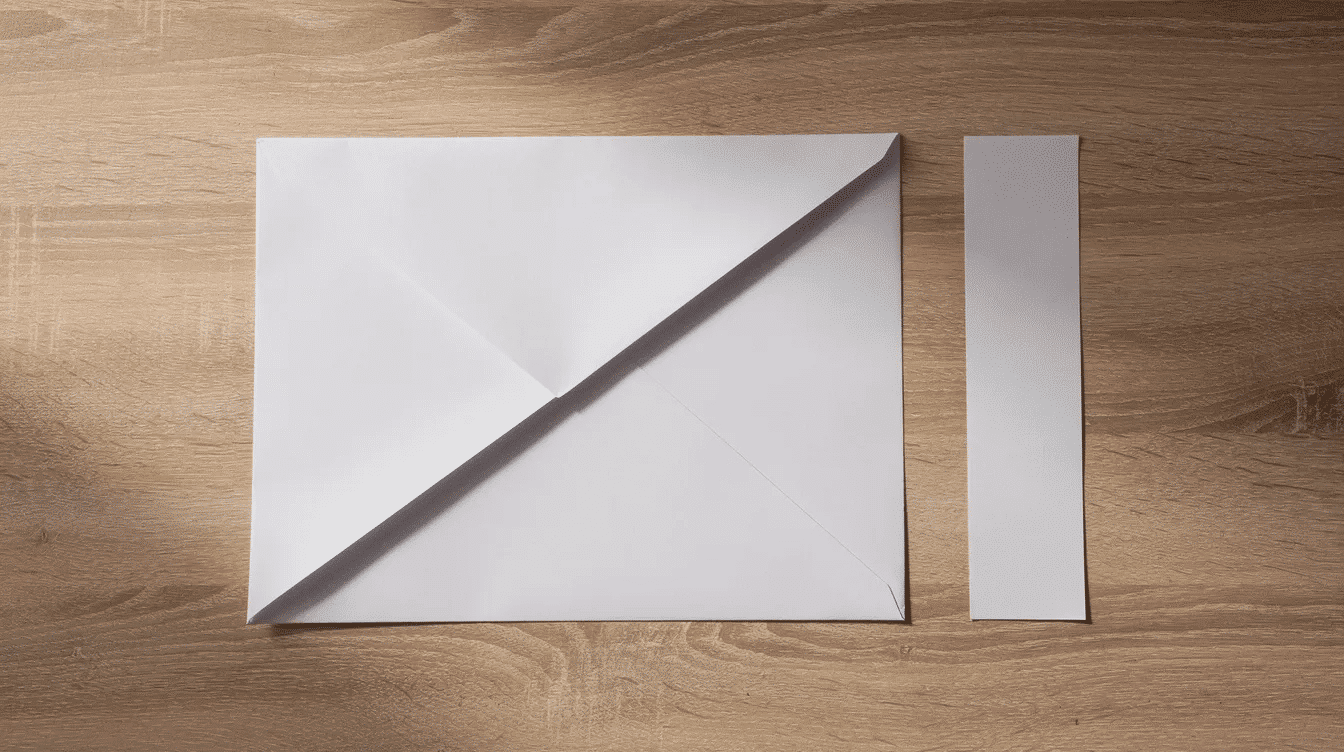
To turn A4 or US Letter paper into a square, place the sheet in front of you in portrait orientation. Bring one short edge diagonally across the page so it meets one long edge exactly. The top corner should line up neatly, forming a large triangle.
Crease the diagonal sharply with your fingernail, a ruler edge, or a bone folder. The paper now looks like a right-angled triangle before you unfold it.
Cut or carefully tear away the leftover rectangular strip along the straight edge of the triangle. When you unfold the triangle, you should have a clean square.
Visual check: the diagonal crease should run from one corner to the opposite corner, and all four sides of the square should be equal.
If your first square is slightly off, do not worry. This is a common beginner error, and it is easy to fix by trimming the edges before you move on.
Step 2: Base Folds for the Paper Box
These first folds build the grid of the diy gift box. To create a paper gift box, start with a square sheet of paper and make several folds to form a cross shape with tabs for assembly.
Place the square paper flat on the table.
- Fold the square in half horizontally, crease firmly, then unfold.
- Fold the square in half vertically, crease firmly, then unfold.
- You should now see a plus sign (+) crease pattern through the center.
- Fold one corner to the opposite corner, crease, then unfold.
- Fold the other corner to the opposite corner, crease, then unfold.
Folding a square paper in half diagonally both ways creates an “X” crease pattern before forming the box shape. At this point, your paper should have both a large X and a plus sign running through the center, just like many fun paper activities for all ages that start from a simple square.
Next, bring each corner into the center point where all the creases meet. This is similar to the start of a classic origami envelope or blintz fold. Bringing all four outer corners of the paper to the center point results in a smaller square configuration that does not unfold.
Do not open these four corner folds. This smaller square is the base layer for the box structure.
Sharp creases are important here. If the folds are soft or rounded, the final paper box may pop open instead of holding its shape.
Step 3: Create the Inner Walls and Flaps
This stage defines the sides of the gift box using simple folds, no tape or glue.
With the smaller square still facing you, unfold two opposite flaps only. Leave the other two corner flaps folded into the center. The paper should now look like a long rectangle with two triangular points on the short ends.
Now create the wall folds:
- Fold the long bottom edge up to meet the center line.
- Crease tightly.
- Fold the long top edge down to meet the same center line.
- Crease tightly.
- Unfold these two long edges again.
Folding both the bottom and top edges of the new square to meet the center line and creasing tightly is part of creating the box structure. These bands will become the side walls of the box.
The band width controls the depth of your box. For most small gifts, aim for side folds around 2–4 cm wide. A shallow fold creates a flatter tray-style box. A deeper fold creates taller sides, but it also reduces the base size.
If you want extra accuracy, mark the corner positions lightly with a pencil. You can also “pinch” the paper gently at each future corner so the next folds know where to bend.
Step 4: Shaping the Box Corners (No Cutting Required)
This method avoids cutting the box shape itself. Instead, the corners are formed with diagonal folds that lock into the walls.
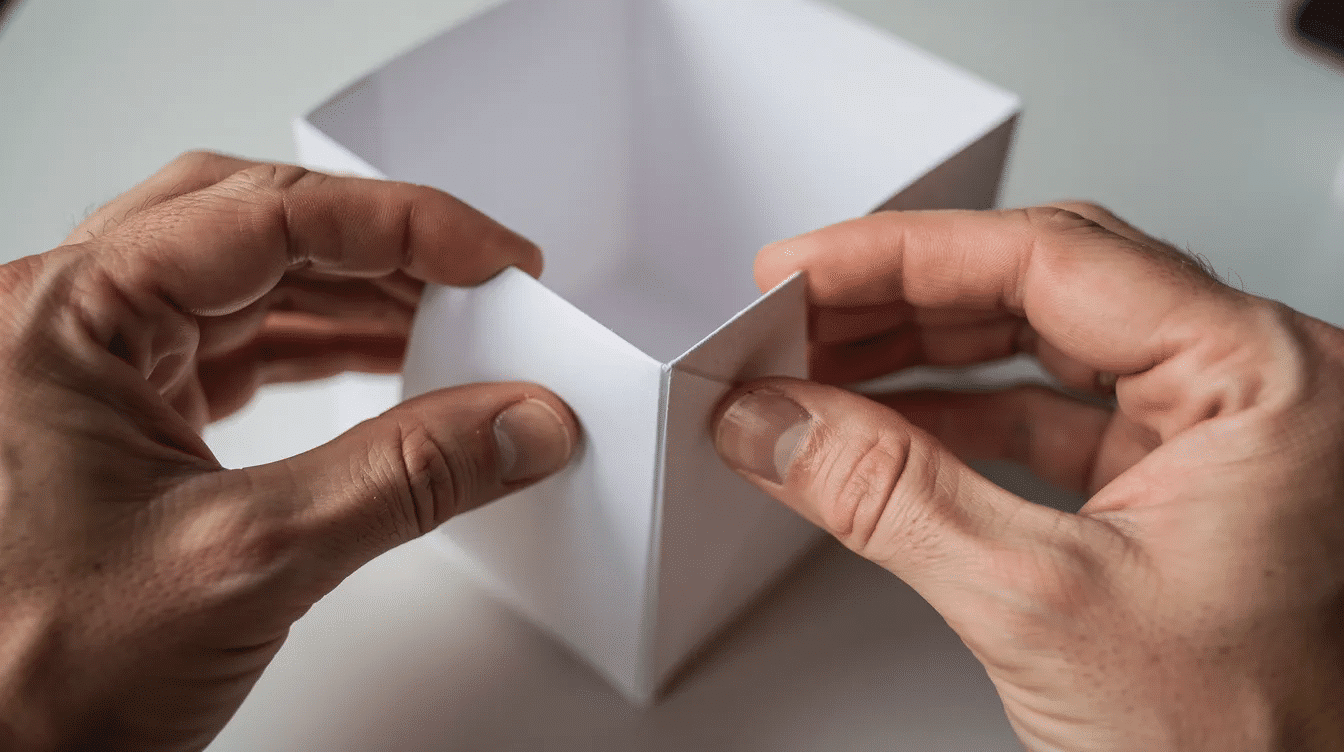
Start by lifting the two long side flaps along the creases you just made. To form the walls of the origami box, the two long side flaps are lifted to stand vertically at a 90-degree angle.
Hold one side wall upright with your fingers. At one end, pinch the corner so the paper naturally collapses along the existing diagonal crease. It should begin to look like a small standing triangle inside the wall.
Repeat this on the other end, then do the same on the opposite side of the box.
Each corner should look like a small right-angled triangle tucked inside the wall, almost like you are forming a paper tray. Keep the corners symmetrical. If one corner is folded farther in than the others, the finished gift box will twist.
You do not need complex origami terminology here. Think of the process as lifting the walls, pinching the corners, and guiding each triangular flap inward.
Step 5: Interlocking the Flaps for a Sturdy Paper Box
This is the key step that replaces glue: the box becomes sturdy because the flaps overlap and tuck into each other.
Take one of the remaining large flaps at the end of the box. Fold it up and over the standing wall, following the existing crease lines. As you press it inward, the flap should cover the small triangular corner folds.
Now slide the flap edge under the opposite layer of paper. It works a bit like a file folder tab being tucked into a slot. Repeat on the other end.
The final assembly of the paper gift box involves folding flaps and inserting tabs into slots, allowing the box to hold items securely without glue.
Use one hand to gently press down on the base while the other hand tucks the flap into place. This keeps the box from collapsing while you lock it.
When folded correctly, the paper box should feel surprisingly firm. You should be able to pick it up by one corner without the walls falling apart. If it opens, go back and sharpen the creases, especially around the corners and locking tabs.
At this point, your basic paper gift box is ready. To make a lid, repeat the same process with a square that is slightly larger, or use the same size paper and fold the side bands a tiny bit narrower so the lid fits over the base.
Decorating and Customizing Your No‑Glue Gift Box
Decoration turns a simple paper box into a personalized diy gift box. Since the structure is already complete, you can keep the decoration minimal or make it highly detailed.
Here are easy ideas for decorating your box, which pair nicely with birthday decorations paper for your celebration if you’re planning a party theme:
- Draw small patterns with fine-tip markers before folding.
- Add a paper cut-out label with the recipient’s name.
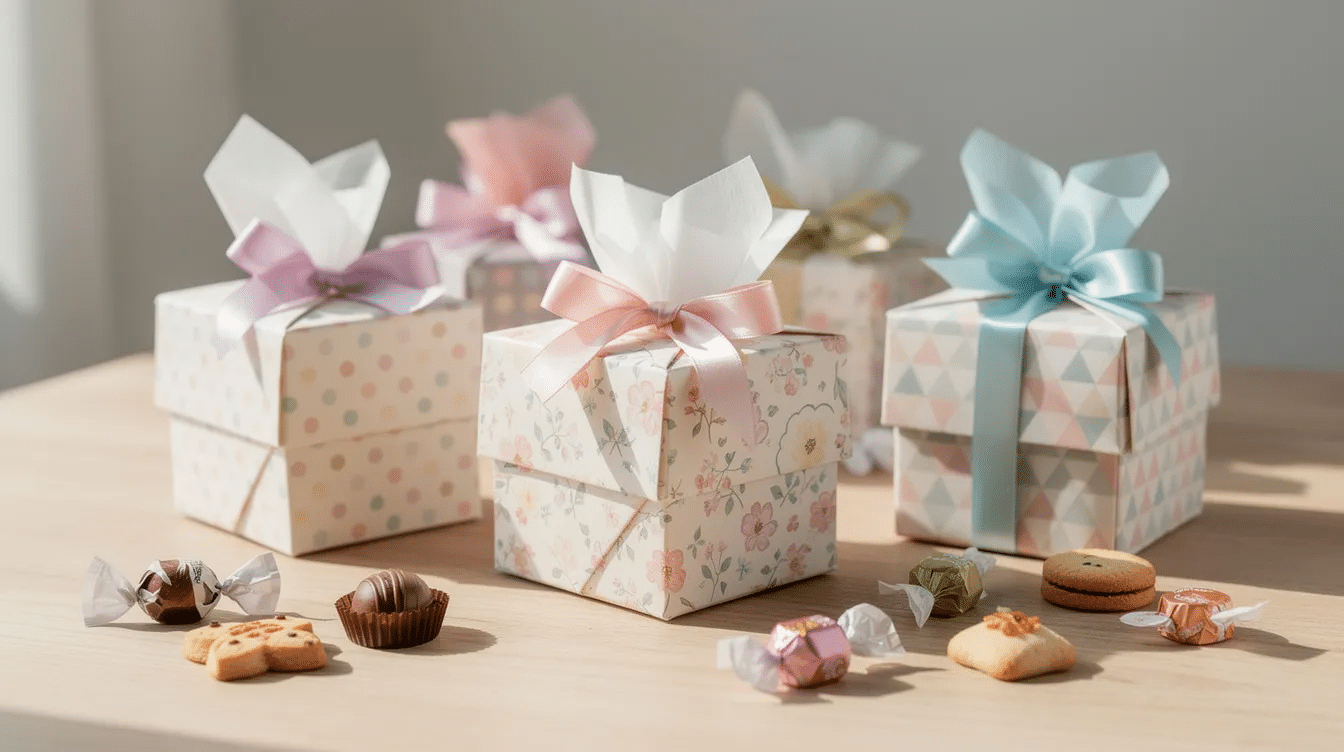
- Tie a ribbon around the closed box.
- Use a small stamped tag instead of a sticker if you want the box to remain easy to recycle.
- Add tissue paper inside for jewelry or parchment paper for homemade cookies.
Seasonal themes work especially well. Try red and green patterns for Christmas 2026, pastel florals for spring birthdays, or gold pen accents for New Year gifts, inspired by creative wrapping paper ideas to elevate gifts. For wedding favors, use cream, kraft, or soft gray paper with a narrow ribbon.
You can also use leftover wrapping paper, magazine pages, old maps, or calendar sheets. This makes the project more eco-friendly and gives each box a unique look. If you made boxes like this years ago in school, this is the grown-up version: cleaner folds, better paper, and more intentional styling.
Ideas for Using Your Paper Gift Box in 2026
These simple boxes are useful beyond one birthday or holiday. Once you learn the folding method, you can create a batch easily for different occasions, or combine them with cute paper craft ideas for easy DIY projects.
Try them for:
- Back-to-school treat boxes in September 2026.
- Halloween candy boxes in October.
- Small Advent calendar boxes for December.
- Wedding place-card boxes with one chocolate or charm inside.
- Party favor boxes for birthdays and baby showers.
- Packaging for handmade mini soaps, wax melts, earrings, stickers, or keychains, or as companion gifts alongside creative paper squishies ideas.
- Treasure chests for party games.
- Classroom rewards for students.
- Storage for trading cards, tiny toys, beads, or paper clips.
For handmade sellers, this craft is especially practical because it keeps packaging costs low while still looking polished. You can make the box from kraft paper for a rustic style or patterned scrapbook paper for a premium look.
If you post your finished box online, invite a comment from other crafters about what paper size they used. More comments can help beginners compare results and learn which paper works best.
Tips for Success and Common Mistakes
These tips help beginners get a neat, strong no-glue paper box on the first try.
Practice once with scrap printer paper before using special patterned paper or expensive cardstock. Standard printer paper is forgiving, inexpensive, and easy to refold if you make a mistake.
Common issues include:
- Misaligned corners: Usually caused by an uneven starting square or rushed folds.
- Weak creases: The tabs may not grip, and the box may pop open.
- Paper tearing: Often happens when the paper is too thick or folded too sharply without pre-creasing.
- Bulging sides: Usually caused by uneven wall folds.
- Loose locks: The flap edge may not be tucked deeply enough under the opposite layer.
Here’s how to fix the most common problems:
- If the box pops open, refold the locking flaps more tightly and sharpen all folds with a ruler edge.
- If the box looks uneven, check that the starting square was truly square.
- If the corners are bulky, flatten each triangular corner fold before tucking the end flap.
- If the paper cracks, switch to thinner paper or score the fold lines gently before folding.
Keep a small notebook of starting paper sizes and finished box dimensions. For example, write down whether an 8×8 inch sheet worked better for jewelry or whether a 12×12 inch sheet was better for cookies. This makes future making sessions faster and more consistent.
FAQ
Can I make this paper box from regular printer paper?
Yes. Standard 80 gsm printer paper in A4 or US Letter size works well and is ideal for learning the folds. It is easy to crease, easy to trim, and inexpensive enough for practice.
For heavier gifts like small candles, bath bombs, or handmade soaps, use 100–160 gsm paper or light cardstock for a sturdier diy gift box.
Very thick cardboard is not recommended for this exact no-glue method because it is harder to fold and may crack at the corners.
How big will the finished gift box be from an A4 sheet?
Starting from an A4 sheet turned into a 21 x 21 cm square, the finished box is usually about 7 x 7 cm at the base and 3–4 cm deep.
The exact size varies slightly depending on how wide the side folds are made in Step 3. Wider side folds create a deeper box with a smaller base. Narrower side folds create a wider, shallower box.
If you want repeatable results, measure your edge folds and write the dimensions down for next time.
Do I need any glue or tape at all to secure the box?
No. The entire structure is designed to stay together with folds and interlocking flaps, so no glue, tape, or staples are required.
For normal small gifts and table favors, the fold-only construction is strong enough on its own. If you plan to ship the gift or carry a heavier item, you can add a tiny piece of tape inside the corners as optional reinforcement, but it is not necessary for the basic design.
Can children make this no‑glue paper box on their own?
Children around 7–8 years old can usually manage the simpler folds with adult guidance, especially if they’ve tried creative paper duck folding ideas or other beginner origami first. The trickiest parts are cutting the first square and tucking the final tabs neatly.
Adults should demonstrate the first box slowly, then let kids decorate their own boxes once they understand the basic step sequence. Supervise scissors and craft knives, and choose softer paper for younger crafters so the folds are easier to make.
Is this paper craft eco‑friendly?
Yes, it can be very eco-friendly if you use recycled paper, old maps, brown kraft paper bags, leftover wrapping paper, or calendar pages.
Because no glue or plastic tape is used, the finished paper box is easier to recycle after use. You can also reuse the boxes for desk storage, tiny toys, craft supplies, or another paper gift instead of throwing them away immediately.
Hope this guide helps you create a clean, sturdy box from paper you already have at home. Try one practice box first, then make your final version with your favorite patterned sheet.