Origami is the traditional Japanese art of paper folding, deriving its name from ori (“folding”) and kami (“paper”). Origami is the Japanese art of folding paper into decorative figures without using scissors or glue. The word itself comes from “ori” (folded) and “kami” (paper), and while the term entered widespread English usage in the 1950s, the practice dates back to at least the Edo period in Japan (1603–1868).
Choosing the right paper and understanding folding techniques are essential for creating beautiful, successful origami models, whether you are a beginner or looking to advance your skills. Learning about origami and paper selection matters because the type of paper and the way you fold it directly influence the final appearance, durability, and complexity of your creations.
During those centuries, paper became affordable enough for recreational folding, and classics like cranes, frogs, and boats emerged alongside ceremonial folds. Modern origami blends this tradition with contemporary design—from simple cranes that symbolize hope and longevity to complex modular sculptures requiring hundreds of folds.
This guide covers both folding paper techniques and the selection of paper types. You will find concrete examples like cranes, lilies, and gift boxes, along with specific paper sizes and brand recommendations. Whether you are a complete beginner or a hobbyist looking to grow your skills, expect clear instructions and practical advice throughout.
- Origami Basics: Folding Paper into Art
- What Makes Origami Paper Special?
- Common Types of Paper Used in Origami
- Choosing the Right Paper for Your Model
- Creative Uses for Origami and Paper
- 7 Creative Ways to Use Origami and Paper
- Easy Origami Projects to Start With
- From Beginner to Advanced: Growing Your Origami Skills
- Origami, Paper, and Community
Origami Basics: Folding Paper into Art
At its core, origami transforms a flat sheet into a 3D shape through a sequence of folds. The accuracy of each fold matters—misaligned creases compound into misshapen models.
The goal of origami is to transform a flat square sheet of paper into a finished sculpture entirely through folding techniques, without the use of cuts, glue, or markings.
Four fundamental folds form the foundation of nearly every origami model:
Fold Type | Description |
|---|---|
Valley fold | Crease downward, creating a trough shape |
Mountain fold | Crease upward, forming a peak |
Squash fold | Flatten a flap to create new edges |
Reverse fold | Invert a fold direction for interior angles |
Beginner-friendly origami models include the traditional crane, a jumping frog, a paper boat, and the masu box. Start with a standard 15 cm x 15 cm square (about 6 x 6 inches) using lighter paper around 60–80 gsm for easy handling. | |
Pure origami requires no scissors or glue, though some crafters mix in cutting techniques closer to kirigami. For now, simply focus on mastering clean folds. |
What Makes Origami Paper Special?
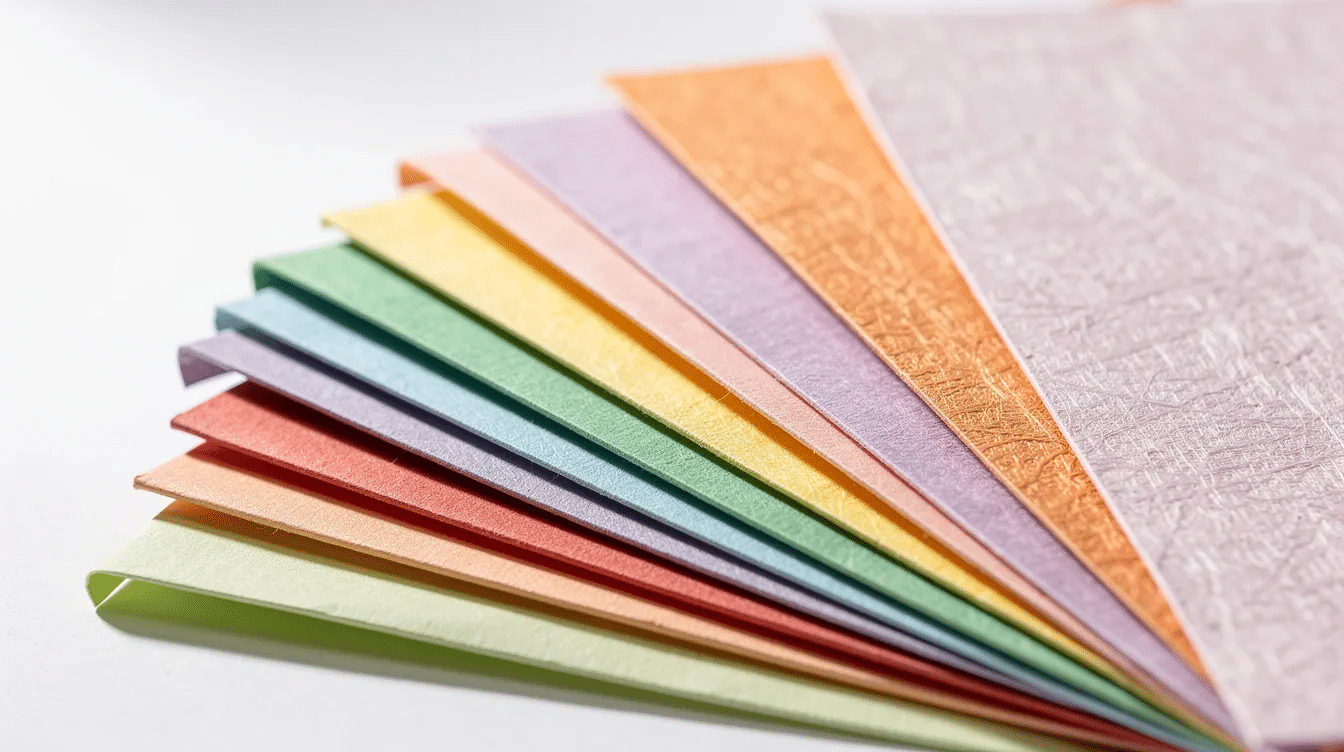
Origami paper is specifically designed for folding and is generally lighter and more malleable than regular printer paper.
The term “kami” typically refers to mass-produced origami paper, but folders use many specialized papers depending on their model’s demands.
Key properties that affect your results include:
Property | Description | Impact on Folding |
|---|---|---|
Thickness (gsm) | Weight of the paper per square meter | Determines how many layers you can fold without bulk |
Strength | Resistance to tearing during manipulation | Prevents tearing during complex manipulations |
Crispness | How well creases hold their shape | Ensures sharp, defined folds for precise models |
Surface texture | Feel and finish of the paper | Affects grip and final appearance |
Color/pattern | Visual design, often different on each side | Provides visual contrast and enhances finished models |
Standard kami at 60–70 gsm works perfectly for simple origami models. Papers at 80–90 gsm suit rigid structures like boxes. Ultra-thin papers (20–40 gsm) enable complex designs with 50+ layers but demand quality to avoid tearing.
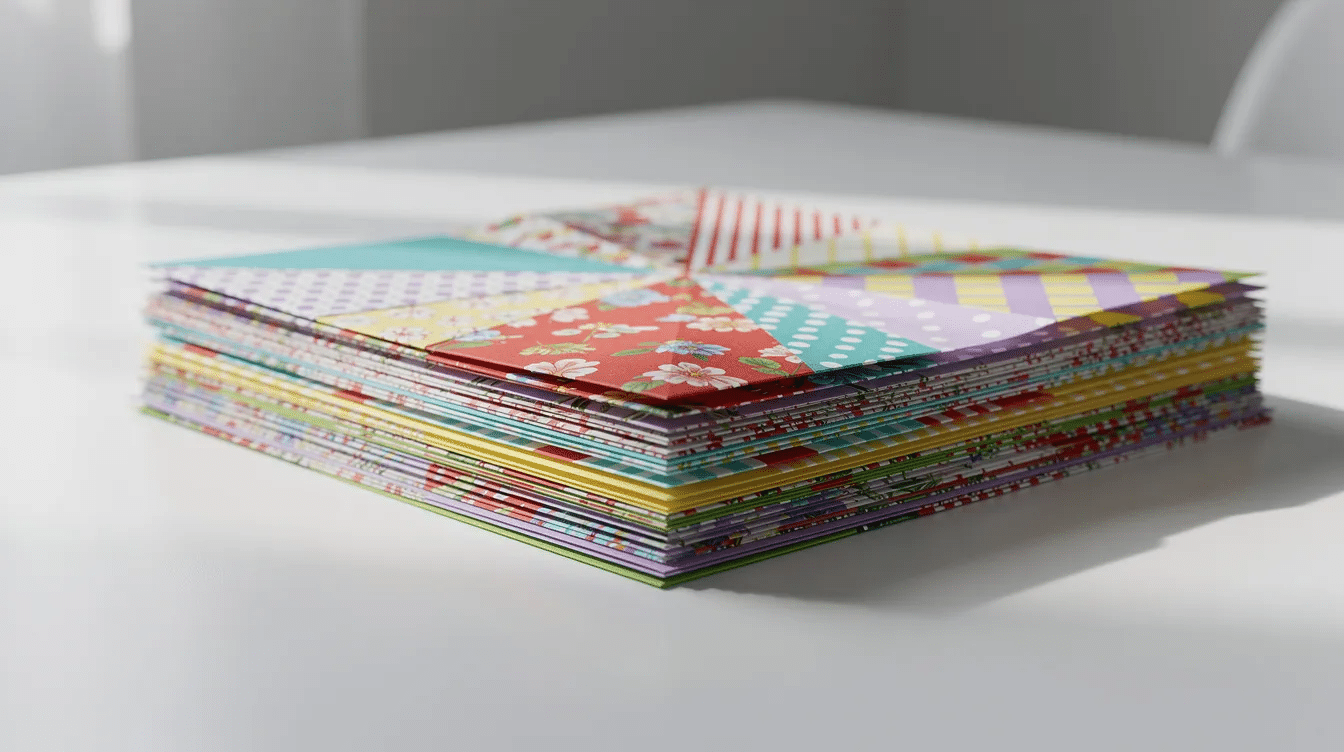
Most packs contain 100 or 200 sheets in 15 cm squares, with one side colored or patterned and the reverse white—helping you understand fold directions at a glance.
Common Types of Paper Used in Origami
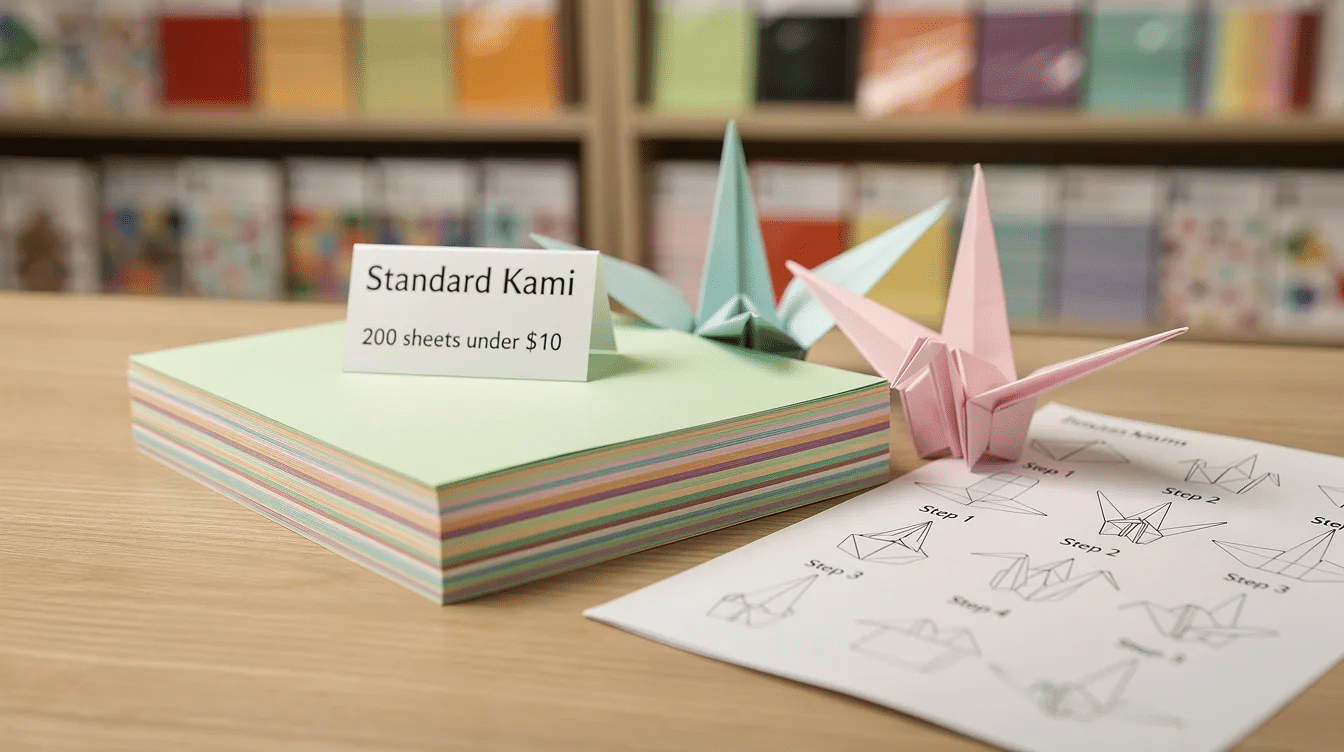
Standard Kami remains the most accessible choice for learning. At 60–70 gsm, it is inexpensive (often under $10 for 200 sheets), folds crisply, and appears in craft stores and museum shops worldwide. The smooth finish makes it perfect for following origami diagrams.
Copy or Printer Paper at around 75–80 gsm serves as a free starting point. It works for boxes, airplanes, and simple animals, though its shorter fibers create bulk in advanced designs. Expect frayed edges after 15–20 folds, and consider exploring top craft paper supplies for creative projects as you experiment with different models.
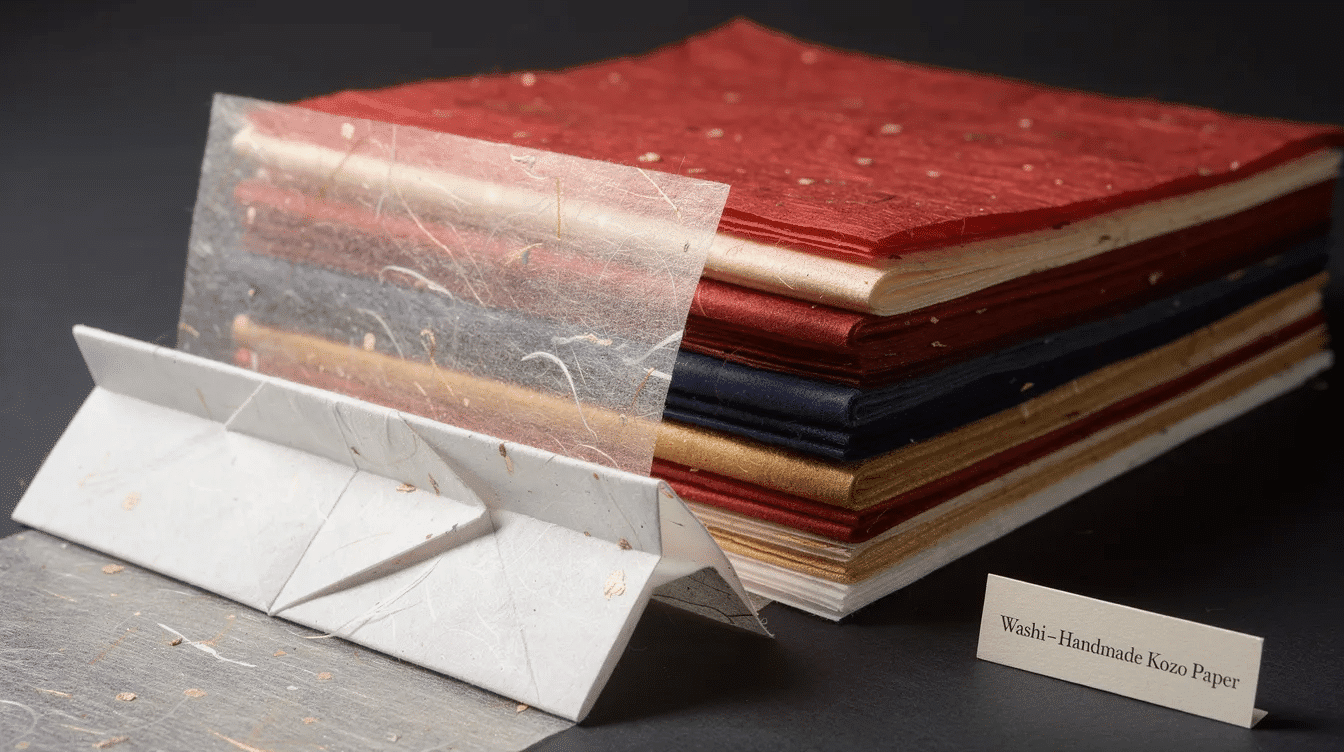
Washi, the traditional Japanese handmade paper from kozo (paper mulberry), offers exceptional strength-to-weight ratios. Long fibers allow washi to withstand 100+ folds while displaying visible flecks and rich colors. Higher cost makes it better for decorative pieces than practice.
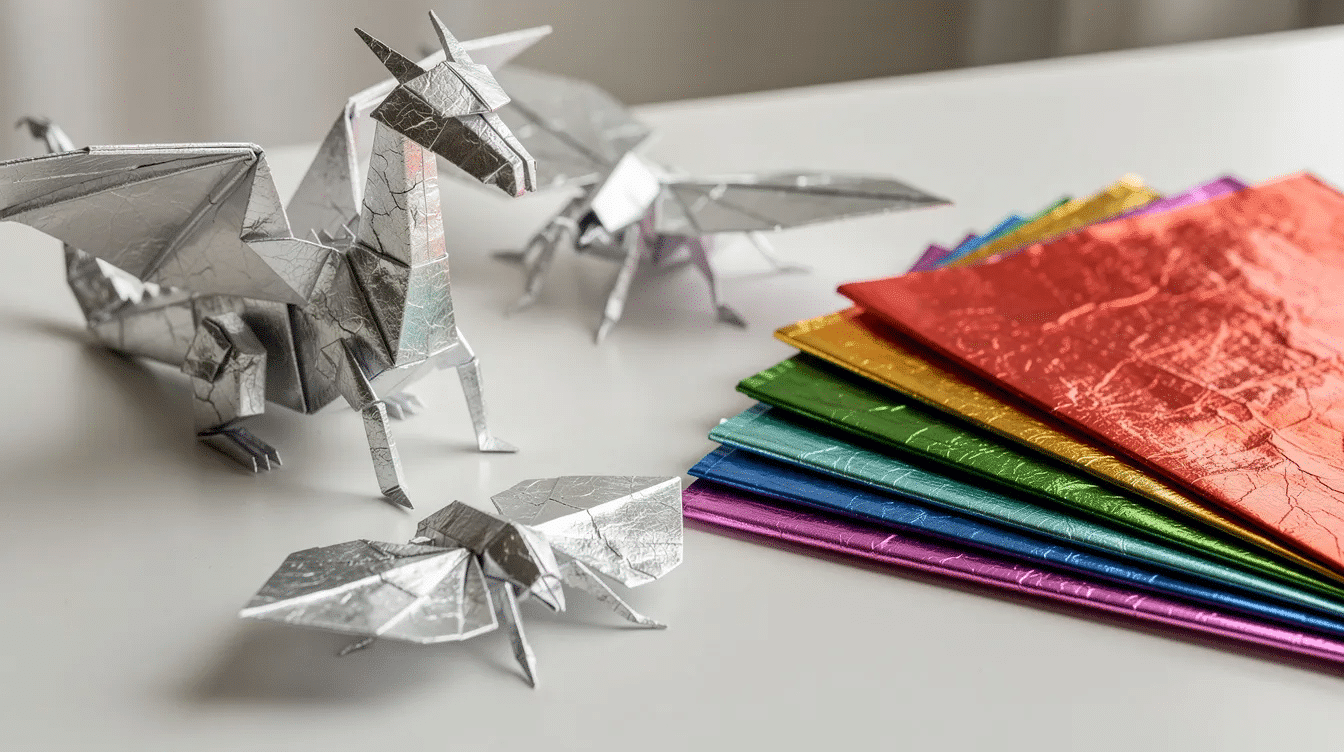
Tissue Foil combines thin tissue glued to aluminum foil, creating poseable origami models like insects and dragons. The metallic surface holds creases with memory, though it can crack if overfolded. Common sizes run 25–30 cm squares and fit well with fun paper activities for creative minds of all ages.
Double Tissue laminated with methylcellulose serves advanced folders creating very complex models larger than 35 cm. This specialty mix enables 100+ layers without bulk.
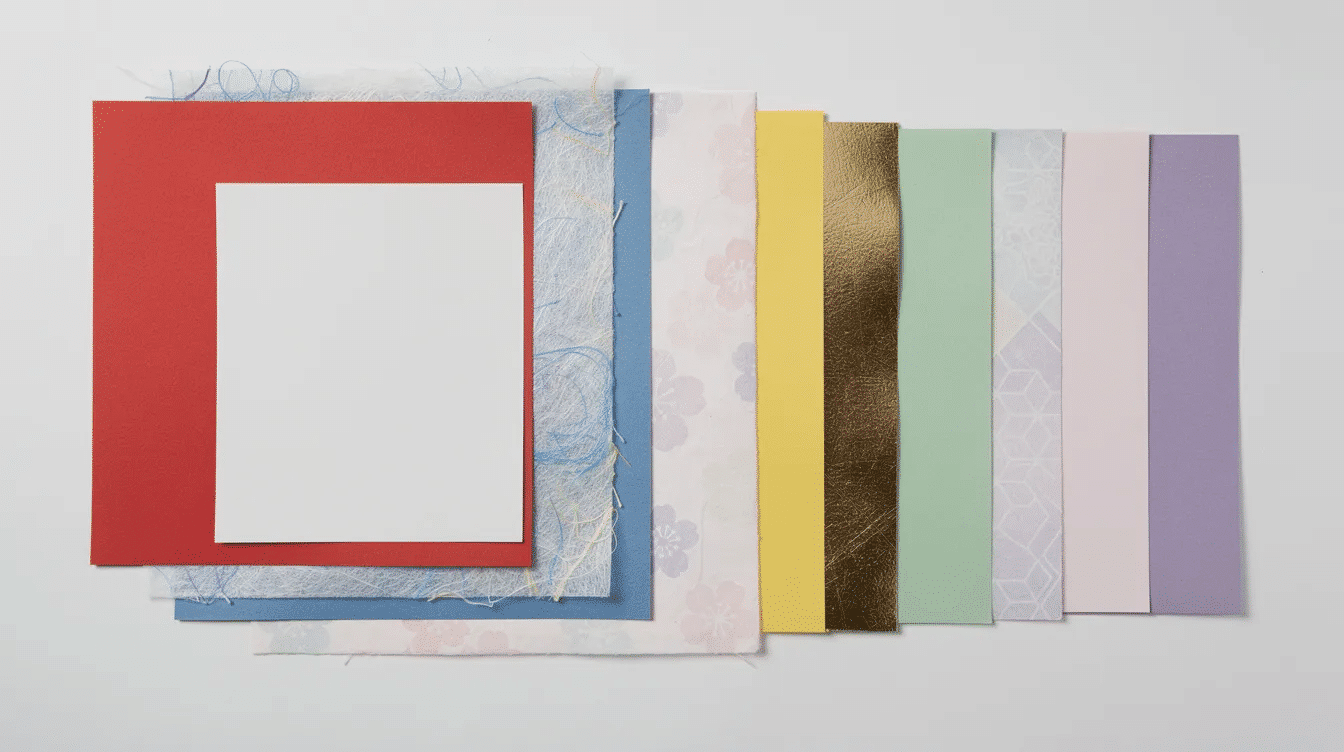
Papers like Tant (85 gsm cotton-blend), elephant hide, and origamido appeal to serious hobbyists preparing exhibition-quality works, and understanding the best types of paper for craft helps you choose the right surface for each model.
Choosing the Right Paper for Your Model
Match your paper choice to both the model’s complexity and your experience level.
Experience Level | Recommended Paper | Best For |
|---|---|---|
Beginner | Standard kami, printer paper | Cranes, simple animals, kids projects |
Intermediate | Tant, washi | Flowers, boxes, envelopes |
Advanced | Double tissue, specialty washi | Complex insects, dragons, 100+ fold models |
Recommended Paper Sizes by Complexity
- 15 cm x 15 cm for most simple diagrams
- 25–35 cm for intermediate models with many steps
- 40+ cm for detailed crease patterns
Choose colors that bring your subject to life: green for frogs, blue for fish, gold or red for cranes used as lucky charm gifts, and patterned paper for boxes and envelopes.
Creative Uses for Origami and Paper
7 Creative Ways to Use Origami and Paper
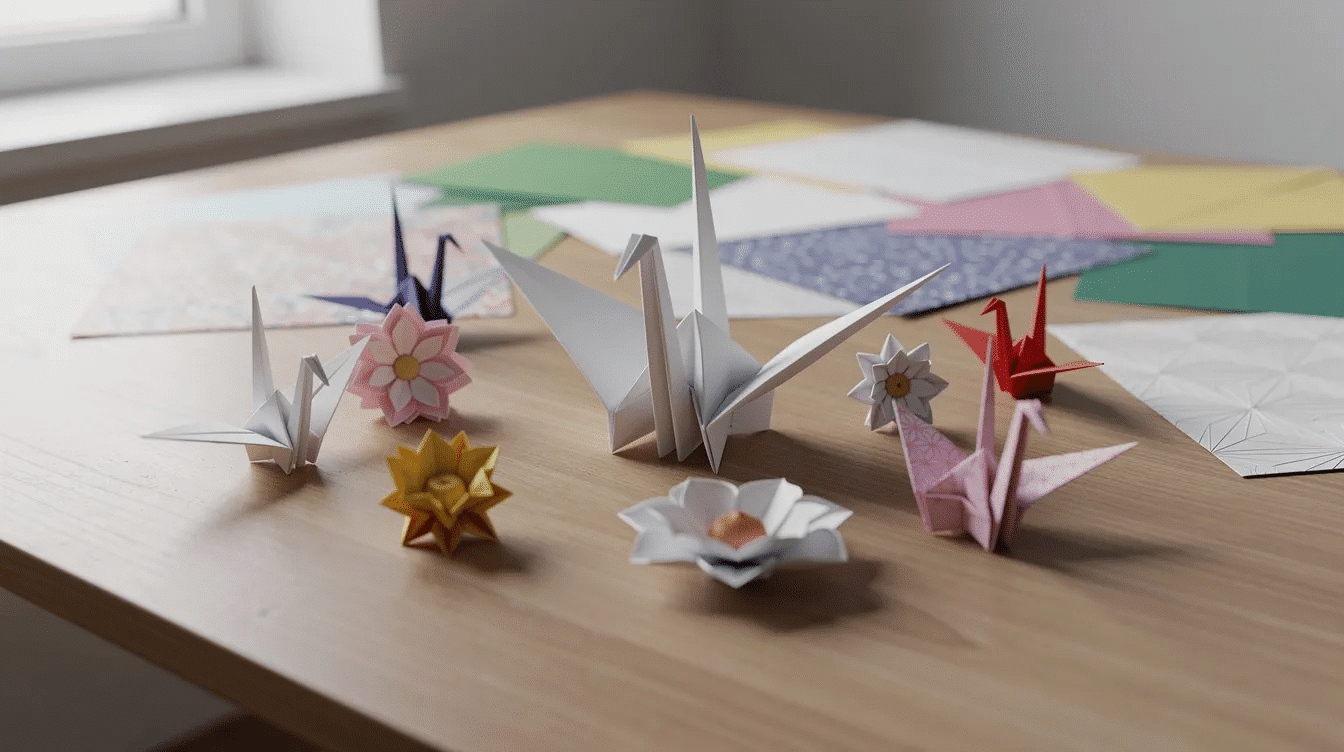
Gift Packaging: Fold masu boxes and envelopes as personalized wrapping for birthdays, weddings, or holidays. Add traditional noshi folds for Japanese-inspired charm.
Room Décor: Create garlands of cranes, stars, and butterflies strung on nylon thread. Use pastels for spring or red and gold for Lunar New Year celebrations displayed throughout your home.
Card Embellishments: Small origami hearts, flowers, and stars add dimension to greeting cards, scrapbooks, bullet journals, and handmade bookmark designs, and simple cute crafts paper ideas can inspire entire themed sets.
Seasonal Origami: Fold Easter rabbits in pastels, Halloween bats in black, paper snowflakes, and Christmas trees from green and metallic papers. Each holiday brings fresh inspiration.
Mindfulness Practice: Folding one crane daily creates a calming, screen-free ritual. The repetitive motions reduce stress like meditation.
Collaborative Projects: Organize a senbazuru challenge—folding 1,000 cranes with friends or classmates for school displays, charity events, or community wishes.
Video Tutorials: Share your creations online and subscribe to origami tutorials channels for continuous learning and connection with the global community.

Easy Origami Projects to Start With
These beginner projects finish in under 15 minutes each, perfect for building confidence.
Traditional Crane: The classic. Use a 15 cm kami square, follow 18–20 steps from the bird base. Symbolizes longevity and good fortune.
Jumping Frog: Fold from 15 cm printer paper in about 12 steps. Press the back and watch it hop—kids love this one.
Tulip with Stem: Requires 15 cm duo-color paper. Around 25 steps create a charming flower perfect for a small collection.
Masu Box: Start with a 20 cm square. Just 8 steps produce a practical container for holding small items.
Flapping Bird: Use 15 cm kami. Pull the tail to make the wings flap—a bit of magic in 16 steps.
Simple Fox Face: A quick 10-step model from 15 cm paper. Great for children learning basic petal folds.
Check origami instructions online with clear step-by-step diagrams. Repeat each model in different colors to build muscle memory and enjoy the process.
From Beginner to Advanced: Growing Your Origami Skills
Progressing in origami requires learning new bases and practicing patience rather than relying on natural talent.
Suggested progression path:
- Master traditional bases (bird base, fish base, waterbomb base)
- Explore modular models assembled from multiple units
- Tackle tessellations with repeating geometric patterns
- Learn to read crease patterns (CPs) for advanced designs
Focus on accuracy: align corners precisely, sharpen creases with a bone folder, and unfold gently to prevent tearing. Keep a small paper journal tracking dates, models folded, and paper types used. This updated log reveals your preferences and growth over time, and you can use it to track when you try new subjects such as creative paper duck ideas.
Origami, Paper, and Community
Origami thrives through clubs, exhibits, and online communities spanning the world. Local libraries, cultural centers, and schools often host workshops around events like Japan Week or Children’s Day (May 5 in Japan).
Browse online forums and social media groups where folders share photographs, ask questions, and exchange paper recommendations, or visit Simply Paper Crafts for broader paper‑craft inspiration. Participating in themed challenges like “30 cranes in 30 days” keeps motivation high while you experiment with different papers and levels of complexity.
The beauty of this art form lies in its accessibility. Anyone can start with a single sheet of paper today and gradually build both skill and a personal collection of folded works. Find your first square, learn a simple model, and share your creations with the community. Your inbox might soon fill with inspiration from fellow folders around the world.