
A paper dress pattern is the foundation of any successful sewing project. Whether you’re creating your first simple shift or tackling an elegant evening gown, understanding how to work with these templates will transform the way you approach garment construction.
This guide walks you through everything from accessing free printable patterns to drafting your own custom designs. You’ll learn how to choose the right pattern for your skill level, make fit adjustments, and store your patterns for years of use.
- What Is a Paper Dress Pattern?
- Free Printable Paper Dress Patterns (Instant Start)
- Types of Paper Dress Patterns for Women
- How to Use a Paper Dress Pattern Step by Step
- Drafting Your Own Paper Dress Pattern
- Paper vs. Digital Dress Patterns
- Skill Levels and Choosing Your First Paper Dress Pattern
- Fit Adjustments Using Your Paper Pattern
- Materials and Tools for Working with Paper Dress Patterns
- Care, Storage, and Reusing Your Paper Dress Patterns
What Is a Paper Dress Pattern?
A paper dress pattern is a printed or hand-drafted template that serves as your guide for cutting fabric and constructing a finished garment. Think of it as a blueprint for your dress—each piece corresponds to a specific section of the final garment, and when assembled correctly, they create a cohesive whole.
The term “paper dress pattern” encompasses two distinct categories:
- Commercial printed patterns released by major companies like Vogue, Butterick, and Simplicity, which became mainstream from the 1950s onward
- Custom patterns drawn by individual sewists on pattern paper at home using their own measurements
- PDF print-at-home patterns designed to be printed on standard A4 or Letter-sized sheets and assembled with tape
- Commercial patterns typically use thin tissue paper that’s lightweight and semi-transparent for easy tracing
- A complete pattern includes multiple pieces: front and back bodice, skirt panels, sleeves, facings, pockets, and collar components depending on the design
- Every pattern comes with an instruction booklet containing fabric recommendations, required notions (zippers, buttons, interfacing), seam allowances, and step-by-step construction guidance
- The pattern envelope displays front, side, and back views of the finished garment along with size charts based on body measurements
Free Printable Paper Dress Patterns (Instant Start)
You can begin sewing today using free PDF dress patterns available for download online, similar to other creative and useful things to print on paper at home. These patterns allow you to print at home on a standard office printer and start cutting fabric within the hour.
The typical workflow for using free printable patterns is straightforward:
- Download the PDF file from the pattern website to your computer
- Print all pages at “Actual Size” or 100% scaling—never use “fit to page” as this distorts the sizing
- Tape the pages together along the registration marks or guides printed on each page edge
- Cut out the assembled paper pieces along your chosen size line
- Common free pattern types include simple A-line summer dresses, sleeveless shift dresses, basic wrap dresses, and tiered maxi dresses
- Many free PDFs include seam allowances (typically 1 cm or ⅝”) pre-marked, so you don’t need to add them manually before cutting fabric
- Some sites require creating a free account or confirming your email address before you can download, but no payment is needed
- Print-at-home patterns are often available in multiple formats: A4/Letter for home printers and A0 for commercial copyshop printing
Types of Paper Dress Patterns for Women
Home sewists can choose from dozens of silhouettes and difficulty levels when selecting dress patterns. Understanding the options helps you pick projects that match both your style preferences and current skill level.
Key silhouettes available in paper patterns:
- Wrap dresses feature tie-waist closures that adjust to different body shapes, making them forgiving for fit variations
- Shirt dresses mimic tailored button-front shirts extended to dress length, typically featuring a collar and structured placket
- A-line dresses have skirts that gradually widen from the waist, creating a universally flattering silhouette
- Fit-and-flare dresses combine fitted bodices with skirts that flare at the hip, emphasizing the waistline
- Caftans and loose tunics provide minimal shaping with generous ease, ideal for comfort and layering
- Bodycon knit dresses are fitted throughout and designed specifically for stretch knit fabrics
Patterns organized by occasion:
- Work dresses typically feature tailored sheath silhouettes with darts or princess seams for professional shaping
- Casual day dresses include T-shirt styles from knit fabric, smock dresses with gathered yokes, and relaxed shirt dress variations
- Evening gowns are floor-length styles incorporating precise darts and shaping, often with back zipper closures
- Summer holiday dresses feature strappy or halter-style necklines with minimal lining and breathable fabric choices
Most commercial paper patterns indicate skill level directly on the envelope or PDF listing using labels like “Beginner,” “Confident Beginner,” “Intermediate,” and “Advanced.” Each pattern type incorporates different construction details—darts versus princess seams, zips versus tie closures, set-in sleeves versus grown-on sleeves—that reflect its complexity.
How to Use a Paper Dress Pattern Step by Step
This section provides a clear, chronological process from opening your pattern envelope or PDF to cutting your fabric and beginning construction.
Preparation and sizing:
- Choose the correct size based on your actual body measurements (bust, waist, hip) using a measuring tape—don’t rely on ready-to-wear clothing sizes
- Locate your measurements on the size chart printed on the pattern envelope or in the PDF listing
- Select the size that corresponds to your largest measurement, as it’s easier to take in than let out
Understanding pattern formats:
- Tissue patterns arrive pre-printed in full size and are ready to use immediately after removing from the envelope
- PDF patterns are tiled across multiple standard pages that must be assembled with tape or glue along registration marks before use
- Modern commercial patterns are typically multi-size, with all available sizes printed on the same tissue using different line styles or colors
Preparing your pattern pieces:
- Press tissue patterns flat with a low-heat iron if they arrived folded in the envelope—this restores full flatness and improves accuracy
- Cut or trace only the size you need to preserve other sizes for future use or for sewing for others
- Consider tracing your size onto fresh pattern paper if you plan to make adjustments or use the pattern repeatedly
Laying out and cutting:
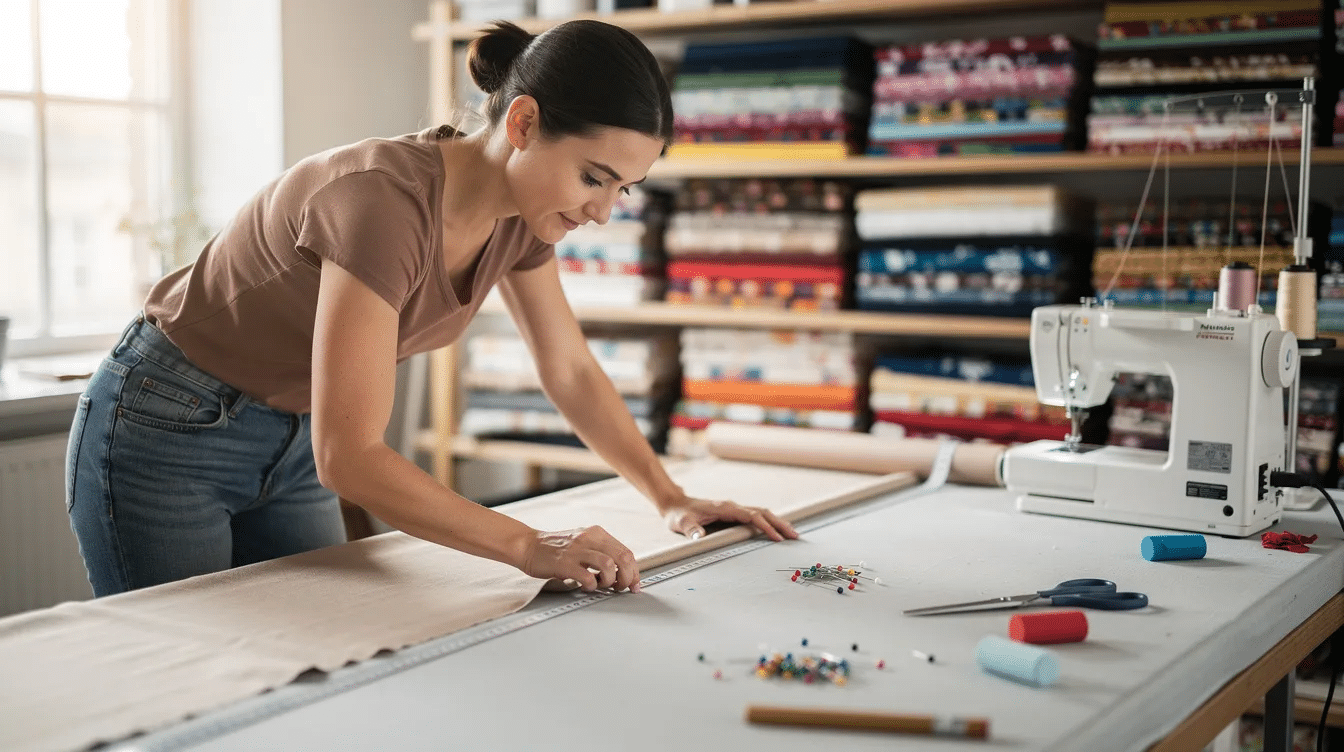
- Follow the layout diagram in your instruction booklet, which shows the correct arrangement of pieces on your fabric
- Respect grainline arrows on each piece—these must run parallel to the selvage edge of your fabric
- Fold fabric as indicated, usually right sides together with selvage edges aligned
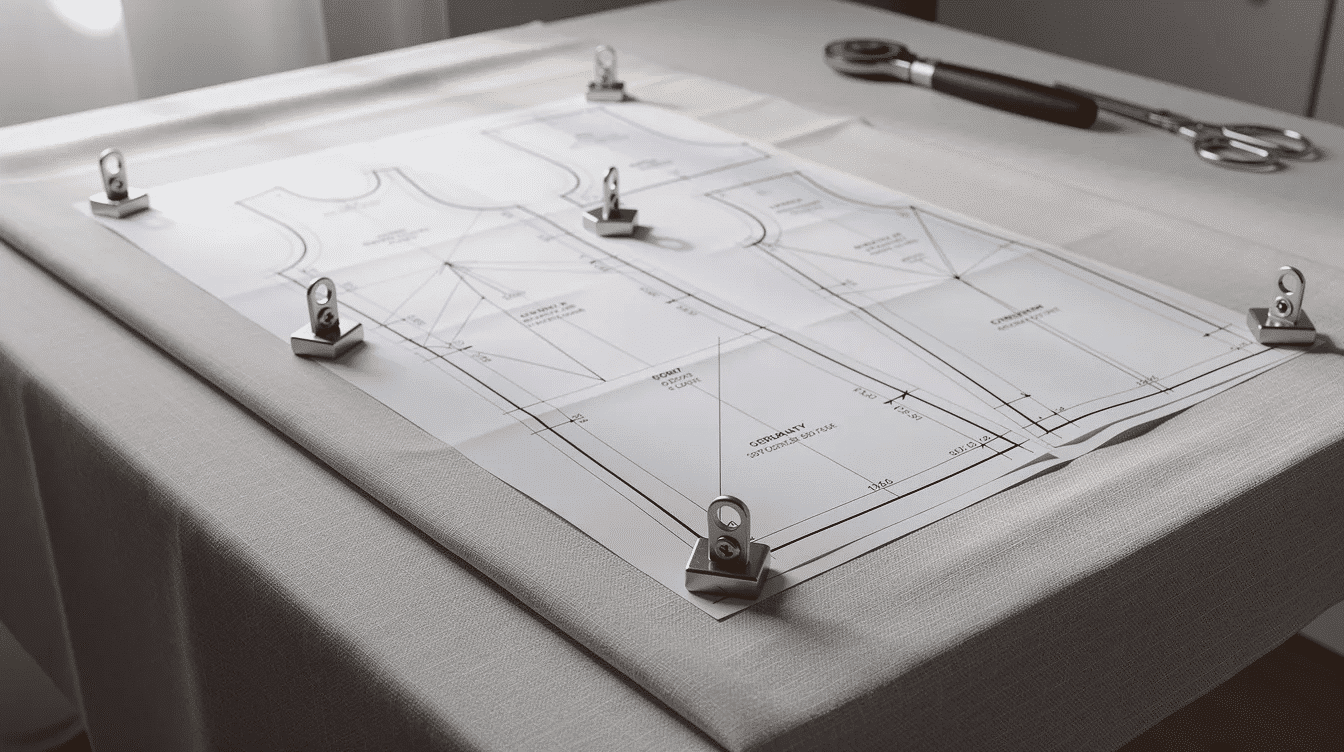
- Secure pattern pieces to fabric using pins or pattern weights, then cut with sharp dressmaker’s shears or a rotary cutter
Transferring markings and sewing:
- Transfer all pattern markings (notches, darts, pleats, pocket placement) to your fabric using tailor’s chalk, tracing paper, or a washable fabric pen
- Follow the step-by-step sewing instructions in order, checking off each step as you complete it
Drafting Your Own Paper Dress Pattern
Many sewists opt to create custom paper patterns using pattern paper, rulers, and their own measurements, drawing on broader paper crafting inspiration and techniques to refine their skills. This approach delivers a personalized fit that commercial sizing rarely achieves.
Essential tools for pattern drafting:
- Large pattern paper or craft paper (60–90 cm wide to accommodate full-width pieces)
- Clear ruler for straight lines and measurements
- French curve for drafting curved lines like armholes and necklines
- Pencil, measuring tape, and paper scissors
- Pre-marked dot-and-cross pattern paper facilitates accurate measurement transfer
Key body measurements for a basic dress:
- Full bust (around the fullest part)
- High bust (across the upper chest)
- Waist (at the narrowest point)
- Hip (around the fullest part)
- Back length (from base of neck to waist)
- Desired skirt length (knee-length typically measures 60–65 cm from the waistline for average height)
The drafting process:
- Beginners often start from a basic bodice block or sloper, either drafted to their measurements or traced from a well-fitting existing garment
- Add wearing ease before finalizing the pattern outline—a relaxed day dress typically incorporates 5–7 cm of ease at bust and hip
- Mark grainlines, notches, dart legs, fold lines, and seam allowances directly on the paper pattern
- Test your new paper pattern by making a muslin (toile) from inexpensive cotton, then adjust the paper pieces for fit before cutting your final fabric
Paper vs. Digital Dress Patterns
Most modern dress patterns are offered both as traditional printed paper and as digital PDFs for at-home printing. Each format has distinct advantages depending on your sewing habits and circumstances.
Advantages of paper patterns:
- Ready to use straight out of the envelope with no additional preparation
- No printing or taping required
- Durable tissue paper designed specifically for pattern work
- Great option for sewists without reliable home printers or those who prefer tactile engagement
Advantages of PDF/print-at-home patterns:
- Instant download available 24/7, eliminating shipping time and costs
- Re-printable if pages become damaged during use
- Often available in multiple formats (A4/Letter for home printers, A0 for copyshops)
- Can be backed up in cloud storage or on external drives for security
- Many independent designers distribute primarily through digital formats, and sewists who enjoy experimenting with different paper-based hobbies often explore paper quilling art for beginners alongside digital sewing patterns
Storage considerations:
- Paper patterns should be stored in large labeled envelopes or clear plastic sleeves with size and date noted on the front
- PDFs can be archived digitally in organized folders (e.g., “Dresses & Jumpsuits 2020–2026”) with clear file naming conventions
- Many sewists trace sizes from both paper and PDF patterns onto fresh pattern paper to preserve originals, particularly when sewing for multiple people
Skill Levels and Choosing Your First Paper Dress Pattern
Selecting a realistic first project sets you up for success rather than frustration. Pattern companies use standardized skill labels to help you choose appropriately.
Understanding skill labels:
- “Beginner” patterns have the simplest construction with minimal pieces
- “Confident Beginner” introduces one or two new techniques
- “Intermediate” assumes familiarity with closures, shaping, and finishing techniques
- “Advanced” involves complex construction, precise fitting, and specialized techniques
Features that make a pattern beginner-friendly:
- Few pattern pieces (typically six to twelve)
- No zipper or button placket required
- Simple neckline finish using bias binding or basic facing
- No complex collar, cuff, or lining construction
- Straightforward assembly with basic seams
Suitable first projects:
- A woven shift dress with bust darts
- An elastic-waist pull-on dress
- A simple T-shirt dress from knit fabric
What beginners should avoid:
- Fitted bodices with many panels requiring precise pattern matching
- Lined dresses that add construction complexity
- Invisible zippers requiring specialized technique
- Slippery fabrics like satin or silk charmeuse
Before purchasing or printing any pattern, read the back of the envelope or PDF product description to check fabric suggestions and required notions (zippers, buttons, interfacing).
Fit Adjustments Using Your Paper Pattern
Paper patterns are designed to be altered for a personalized fit. Standard sizing cannot account for individual body proportions, so adjustments are a normal part of the sewing process.
Common adjustments and their purposes:
- Full Bust Adjustment (FBA) adds width when your bust measurement exceeds the pattern size selected for other proportions
- Small Bust Adjustment (SBA) reduces width when your bust is smaller than the selected size
- Length adjustments shorten or lengthen the bodice or skirt using the “lengthen/shorten here” lines printed on most modern patterns
- Grading between sizes accommodates measurements that fall between standard sizes at bust, waist, or hip
Making adjustments effectively:
- Use marked “lengthen/shorten here” lines by taping in paper strips to extend or folding out sections to shorten by specific centimeters
- Trace the original pattern onto new paper before making adjustments to preserve the original
- Cut and pivot or use slash-and-spread techniques on traced pieces for more complex modifications
- After adjustments, make a test garment (muslin) to verify the changes before cutting your main fabric
Materials and Tools for Working with Paper Dress Patterns
A few affordable tools will make handling paper dress patterns faster and more accurate. Investing in quality basics pays off across every project.
Essential tools:
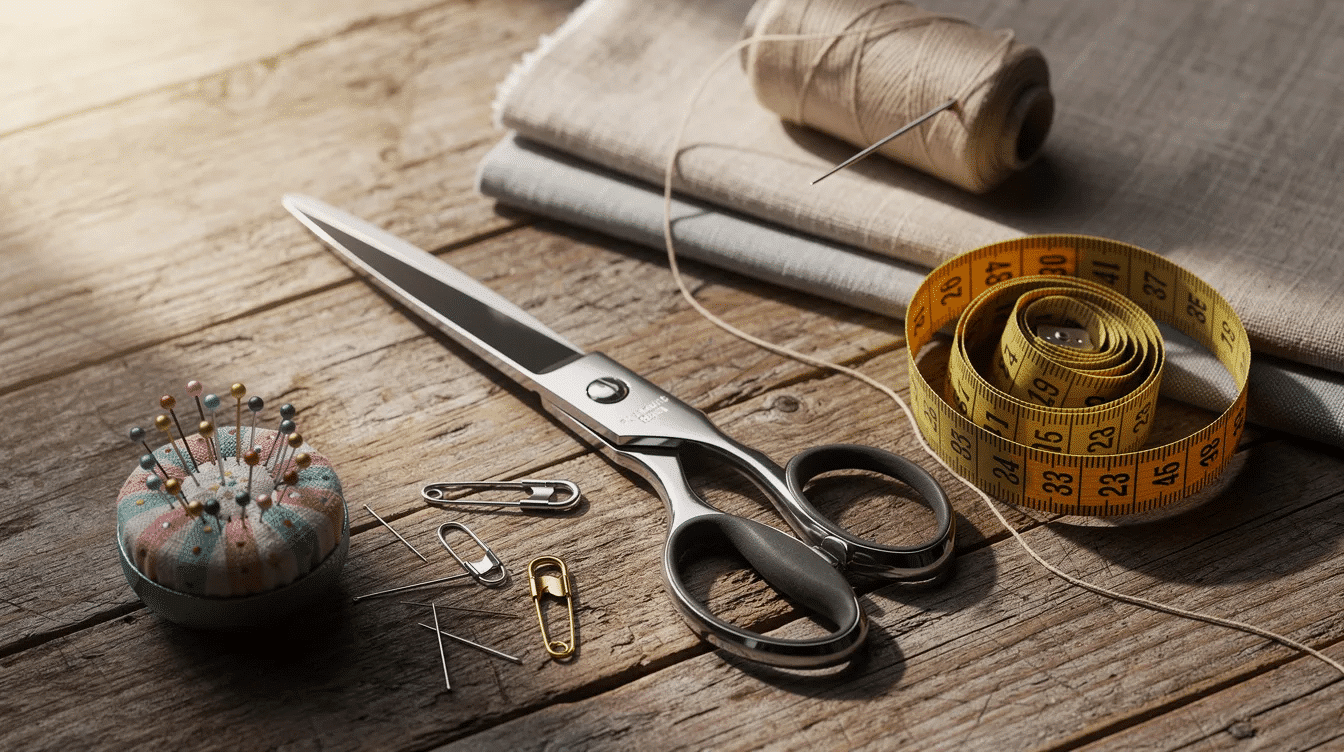
- Dressmaker’s shears (8–10 inches, sharp, dedicated to fabric only)
- Separate paper scissors for cutting patterns without dulling fabric shears
- Pattern weights or pins to hold patterns flat during cutting
- Tape dispenser or glue stick for assembling PDF patterns
- Measuring tape for taking body measurements
- Clear ruler for measuring and marking
- Tailor’s chalk or washable marker for transferring pattern markings
- Seam ripper for correcting mistakes
Pattern paper options:
- Pre-marked dot-and-cross paper with gridlines for precise measurement transfer
- Swedish tracing paper (semi-transparent, can be sewn through directly)
- Baking parchment as an economical alternative
- Recycled packaging paper (kraft paper) for sustainable drafting
Workspace considerations:
- A large, flat surface (cutting table, dining table, or clean floor) allows the paper pattern to be laid out fully without distortion
- Adequate lighting prevents measurement and marking errors
Optional but helpful tools:
- Rotary cutter with a cutting mat for cleaner, faster cutting of straight edges
- French curves and hip curves for accurate armhole, neckline, and skirt shaping
- Pattern notcher for marking notches on custom patterns
Care, Storage, and Reusing Your Paper Dress Patterns
Properly stored paper dress patterns can be reused for years across multiple garments and sizes. Good storage practices protect your investment and keep patterns accessible.
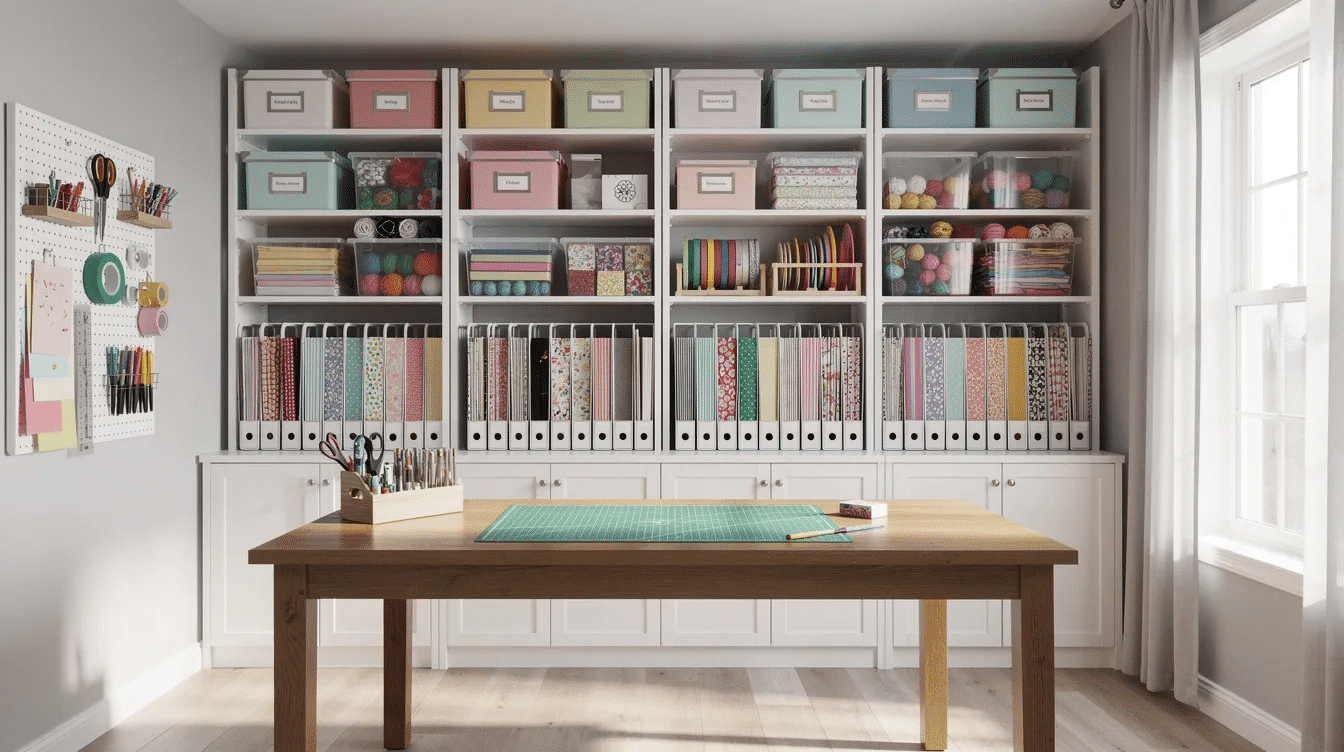
Storing tissue patterns:
- Fold carefully along original creases rather than randomly crumpling
- Store in large labeled envelopes or clear plastic sleeves with size and date noted on the front
- Reinforce pattern envelopes with lightweight cardboard backing to prevent creasing
- Keep in magazine files or storage boxes sorted by garment type (dresses, tops, jackets, outerwear)
Preserving heavily used patterns:
- Trace frequently used pieces onto sturdier paper or interfacing so originals remain intact
- This is especially valuable for basic bodice blocks, sleeve templates, and skirt foundations
- Store traced copies separately from originals for easy access
Managing digital patterns:
- Archive PDFs in organized folders (e.g., “Dresses & Jumpsuits 2020–2026”) with clear file naming conventions
- Include pattern name, version, size, and download date in file names
- Back up on cloud storage (Google Drive, Dropbox, iCloud) or external drives for protection against loss
With the right paper dress pattern in hand, you’re ready to create garments that fit your body and style perfectly. Start with a beginner-friendly pattern, build your skills gradually, and don’t forget to store your patterns properly for future projects. Your next great dress is just a pattern away.