
There’s something magical about holding a freshly developed instant photo—the soft whir of the camera, the anticipation as colors slowly emerge, and that one-of-a-kind print you’ll never be able to replicate exactly. From the iconic Polaroid cameras of the 1970s to today’s Fujifilm Instax Mini 12 and Polaroid i-Type models, instant photography continues to capture life’s most genuine moments. This guide will help you pick the right photo album for polaroids, organize your prints effectively, and turn scattered memories into an annual keepsake tradition your family will love for decades.
- Why a Dedicated Photo Album for Polaroids Matters
- Choosing the Right Photo Album for Polaroids
- Large-Capacity Albums (Up to 180 Pockets)
- Memo Areas & Inner Page Design
- High-Transparency Pockets & Display Quality
- DIY Cover Windows & Personalization
- Safer Storage: Side-Loading Pockets, Elastic Bands & Archival Materials
- Creating an Annual Polaroid Scrapbook Keepsake
- Using Polaroids & Phone Photos Together
- Gathering Your Polaroids & Keepsakes
- Scrapbook vs. Pocket Album: Which Style Fits You?
- Doodling, Notes & Family Stories
- Small Polaroid Albums for Travel & Gifting
- Displaying Your Polaroid Albums at Home
- Customer Feedback, Pricing & Value Considerations
- Bringing It All Together
Why a Dedicated Photo Album for Polaroids Matters
Loose stacks of instant photos from birthdays, weddings, trips, and everyday life often end up in drawers where they’re never seen again. That happy moment from your best friend’s bachelorette party or your baby’s first steps gets buried under receipts, charging cables, and other household clutter. Within months, these precious prints suffer from bending, fingerprints, and dust accumulation that diminishes their tactile appeal.
A dedicated polaroid photo album keeps memories from 2020 family vacations, 2022 graduations, and 2024 weddings organized and easy to revisit. Instead of rummaging through boxes wondering where that perfect shot went, you can simply flip to the right page and relive the moment. Studies on photographic preservation indicate that unarchived instant films can yellow within 5-10 years due to residual developing agents in the emulsion.
What makes this even more critical is that instant prints are one-of-a-kind objects. Unlike digital files you can duplicate infinitely, once a polaroid is damaged or lost, the original moment can’t be reprinted exactly the same way. The silver halide chemistry that creates those soft color gradients and distinctive chemical borders produces a unique artifact every single time. Protecting these irreplaceable prints isn’t just about organization—it’s about preserving your life’s most meaningful moments in their original, tangible form.
Choosing the Right Photo Album for Polaroids
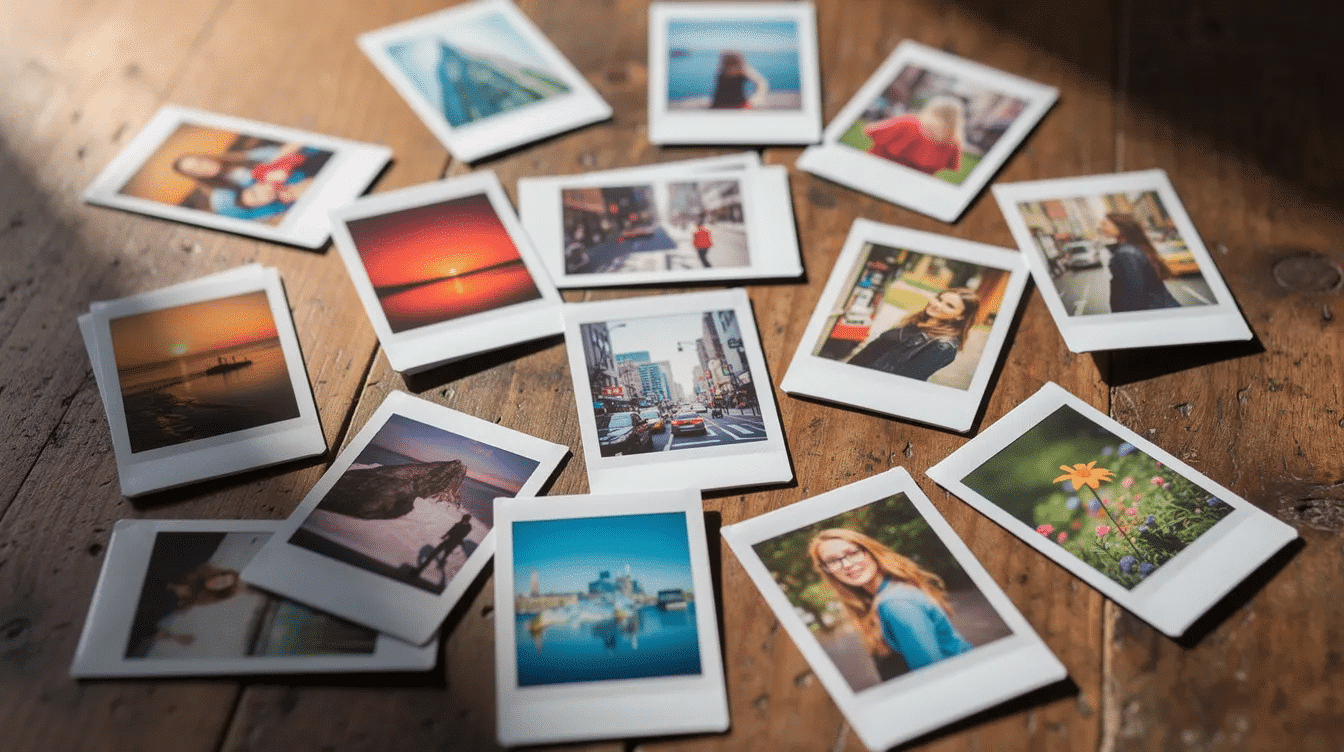
Polaroid photo sizes differ significantly, and album pockets must match to avoid warping or slippage. Instax Mini measures 2.13 x 3.4 inches (54 x 86 mm), while Polaroid 600 and i-Type prints come in at 3.5 x 4.2 inches (88 x 107 mm). The classic SX-70 format measures 3.1 x 3.1 inches, and Instax Wide prints are larger still at 3.9 x 4.9 inches. Look for pockets with 0.1-0.2 inch tolerance for a snug fit without applying pressure that could damage the emulsion.
Small-capacity albums holding 20-40 photos work beautifully for short trips, themed events, or as gifts. A compact 28-pocket album in mint green makes the perfect companion for a weekend getaway or bachelorette trip. Large-capacity albums holding up to 180 photos handle year-long collections with ease—think 30 pages with 6 photos per page in 3×2 grids, ideal for documenting a semester abroad or an entire calendar year of memories.
Common formats include pocket-style albums with clear sleeves for quick slip-in storage, self-adhesive scrapbooks with peel-back pages that allow more creative layouts, and ring-bound albums where you can add or remove pages as needed. Each serves a different purpose, from minimalist organization to elaborate mixed-media storytelling.
Materials matter for both durability and aesthetics. PU leather or pu laminated covers resist fingerprints and abrasions better than basic cardboard, while fabric covers add tactile warmth for shelf display. Hard covers prevent spine cracking under frequent use, which becomes important when you’re flipping through your album multiple times a month.
When it comes to compatibility, pay attention to whether an album is designed for Fujifilm Instax Mini cameras like the Mini 9, 11, 12, 40, Evo, or LiPlay versus square Polaroid film formats including i-Type, 600, and SX-70. Using the wrong size creates constant frustration as prints slip, bend, or simply won’t fit.
For color selection, neutral tones like black, white, and beige create classic looks that blend seamlessly with any décor. If you prefer something more playful, mint green, blush pink, and sky blue add personality to your bookshelf while matching the fun aesthetic of instant photography itself.
Large-Capacity Albums (Up to 180 Pockets)
Large-capacity albums hold around 120-180 instant photos, making them ideal for documenting a full year of memories, an extended trip, or a season of celebrations. Rather than scattering prints across multiple small books, you consolidate everything into a single, cohesive story.
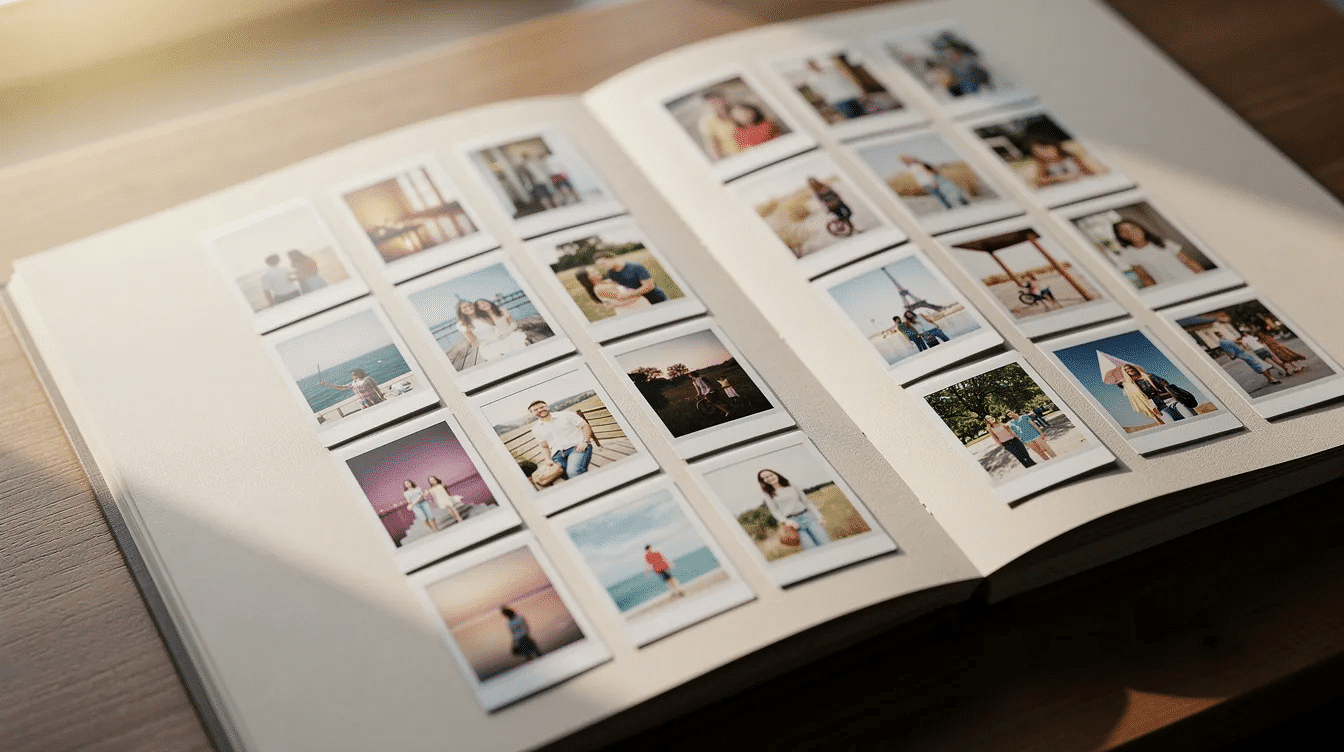
A typical 180-pocket layout features 30 pages with 6 photos per page arranged in 3×2 grids. This format works perfectly for Instax Mini or compact 2×3” prints, allowing you to flip through chronologically and see six moments at a glance. Imagine holding every shot from your 10-day Europe trip in 2023—from that first espresso in Rome to the final sunset in Paris—all in one bound book.
These large-capacity polaroid albums shine when documenting an entire year from January to December, a semester abroad where monthly averages of 15 prints accumulate quickly, or a full wedding season with 150+ candids from multiple events. Having all photos in one place transforms the viewing experience from a scavenger hunt into a flowing narrative.
Protection benefits increase with quality large albums. Thick inner pages prevent bleed-through and add structural stability. Snug side-loading pockets grip prints securely without the risk of slipping when you turn pages. Dust-resistant covers preserve instant film colors longer, protecting against the 20-30% dye migration that occurs in unprotected stacks over just 2 years.
Memo Areas & Inner Page Design
Many polaroid albums designed after 2020 now include memo areas next to or under each pocket, responding to the growing journaling trend among instant photography enthusiasts. These dedicated spaces transform a simple photo album into something far more meaningful—a hybrid between visual documentation and personal diary.
A common layout displays 3 Instax Mini photos in a vertical column, with a narrow memo strip (typically 0.5-1 inch wide) beside or below each pocket. This design invites you to jot down specific details that make each moment come alive: dates like “06.15.2024,” locations such as “Brooklyn Bridge,” guest names, or funny quotes from the day. Years later, these little notes trigger memories that the image alone might not fully capture.
Handwritten notes turn a simple photo album into a mini journal or family timeline. Cognitive studies show that handwritten notes boost memory retention by 25% compared to digital records, making your album not just a storage solution but an active tool for preserving your history. Pages should be thick enough (200-300 gsm) to prevent ink bleed from fine-liners or permanent markers. Archival pens like Sakura Pigma Micron, proven stable for 100+ years per ISO 11798 standards, ensure your notes remain legible for generations.
High-Transparency Pockets & Display Quality
Crystal-clear pockets allow you to enjoy the soft tones and vintage look of Polaroid 600 and Instax Mini film without any haze or distortion. The creamy gradients and pastel vibrancy that make instant photos so appealing deserve to be seen exactly as they were captured, not through cloudy plastic that dulls the experience.
High-transparency pockets made from PVC-free polypropylene or polyethylene (typically 95-99% clarity) prevent yellowing and cloudiness over time. Acid-free materials are equally important—they avoid the chemical reactions that can discolor instant film after several years. Low-grade PVC sleeves often cause plasticizer migration that yellows prints within 3-5 years, ruining polaroid photographs you worked hard to capture and preserve.
The convenience of clear pockets means you never need to remove photos to see details, making it safer for older or more delicate instant prints from the early 2000s. Frequent handling introduces fingerprint oils and increases the risk of bending, so the ability to view without touching extends the life of your collection significantly.
Book-style albums that open flat (180 degrees) make it easy to lay the album on a coffee table and view two full pages at once. This display quality enhances not just polaroids but also small artworks, event tickets, dried flowers, and other keepsakes you might store alongside your instant photos for immersive, multi-sensory pages.
DIY Cover Windows & Personalization
DIY cover windows are small front-cover pockets (around 2.4 x 3.6 inches) designed to hold a favorite photo or title card, giving each album immediate visual identity. This simple feature transforms a generic book into a personalized keepsake that reflects the memories inside.
Users can slide in a standout polaroid from a 2023 road trip, a wedding portrait, or a handwritten label like “Our 2024 Polaroid Album” to instantly communicate what’s inside. When you have multiple yearly or themed books lined up on a shelf, this customization tells you at a glance which album contains which memories—no need to pull each one down to check.
Some covers use textured faux leather or linen that pairs beautifully with metallic pens or decorative stickers for further personalization. The tactile quality of these materials makes the album feel more like a boutique keepsake than a simple storage solution.
Popular cover ideas include:
- A winter ski trip photo with snowy mountain backgrounds
- Baby’s first year featuring a smiling portrait
- A couple’s engagement polaroid for relationship milestones
- Seasonal themes matching the album’s primary contents (summer beach, autumn leaves)
Safer Storage: Side-Loading Pockets, Elastic Bands & Archival Materials
Proper storage protects instant film from fingerprints, bending, and fading—the three most common ways polaroid prints degrade over time. Understanding a few key features helps you find albums that will preserve your memories for decades rather than just years.
Side-loading pockets with elastic grips (featuring 0.1-0.2 mm lip tension) secure Instax Mini and small polaroid photos firmly in place. Unlike top-loading designs where prints can slide out when you flip pages quickly, side-loading keeps everything snug even with regular handling. This becomes especially important for albums you browse frequently or travel with.
Elastic band or magnetic closures keep the album tightly shut inside bags, backpacks, or on bookshelves. Neodymium magnets holding 5-10N force prevent accidental opening that could expose prints to dust, humidity, or mechanical damage. For albums you carry to events or on trips, these closures are essential.
The importance of acid-free, PVC-free materials cannot be overstated. Lignin-free paper with pH 7-8.5 averts acid hydrolysis, slowing dye fading by approximately 40% compared to non-archival alternatives. These chemical-resistant materials prevent the reactions that cause instant film to shift hues or develop yellow tones over time.
For long-term storage, keep albums upright in a cool, dry place away from direct sunlight. Ideal conditions mean temperatures below 77°F (25°C) and humidity under 60%. A living room bookshelf or bedroom cabinet works well, while attics, basements, and window-adjacent spaces should be avoided. In particularly humid areas, adding silica gel packets near stored albums provides extra protection.
Creating an Annual Polaroid Scrapbook Keepsake
Building one polaroid album per year transforms scattered prints into a cohesive family history. Consider naming each volume something meaningful—“Our 2023 Album,” “Summer 2024 Adventures,” or “Baby’s First Year”—to create a series you’ll add to every January.
A realistic workflow makes this tradition sustainable. Throughout the year, collect polaroids in a dedicated box, tray, or drawer. Use monthly envelopes labeled “July 2024 – Spain trip” or “December 2024 – Holidays” to keep rough organization without demanding much effort. Then, set aside 2-3 hours in January to assemble the previous year’s album while memories are still relatively fresh.
Organize pages chronologically to tell a clear visual story of the year. Start with New Year’s Eve celebrations, move through spring break adventures, summer vacations, fall holidays, and end with December gatherings. This structure creates a natural narrative arc that makes flipping through the album feel like rewatching your year in fast-forward.
Keeping the process simple—no elaborate scrapbooking, just photos and quick notes—makes the tradition easy to maintain year after year. Slip photos into pockets, add a date or location to the memo area, and move on. Perfectionism kills consistency, so embrace a “good enough” approach that actually gets completed.
Including family members or friends in the yearly album-building ritual adds another layer of meaning. Let kids add doodles to certain pages, have grandparents write notes about their favorite memories, or ask friends to sign the pages where they appear. These collaborative touches turn a personal project into a shared family artifact.
Using Polaroids & Phone Photos Together
Not every great moment gets captured on an instant camera—many of your best memories live in your phone’s camera roll. Rather than accepting gaps in your physical album, portable printers offer a simple solution for blending digital and analog photography.
Small printers like Canon Selphy or Xiaomi models output 2×3” polaroid-style prints, often with adhesive backs that mimic Instax borders. These devices let you turn favorite phone photos from 2021-2024 vacations, weddings, and milestones into album-ready pictures that match the aesthetic of genuine instant photos.
Mixing genuine instant photos with printed “polaroid-style” shots fills gaps from missed events, low-light scenes, or moments when your Instax simply wasn’t within reach. The key is curating carefully: choose 2-3 key photos per month rather than trying to print everything from your phone gallery. This selective approach maintains the special feeling of instant photography while ensuring your album tells a complete story.
Gathering Your Polaroids & Keepsakes
Before building your album, gather all instant photos and mementos for the year in one dedicated box, tray, or drawer. This simple step prevents the frustrating experience of discovering forgotten prints weeks after you’ve finished organizing.
Consider including keepsakes alongside polaroids to create richer, more immersive pages. Train tickets from a 2022 trip, concert wristbands, handwritten notes, café receipts from first dates—these artifacts add context and texture to your visual memories. You can also add creative paper printables like labels, tags, or mini calendars to complement your photos and stories. A page showing your anniversary dinner becomes more meaningful when it includes the restaurant’s business card tucked beside the photos.
Pre-sorting into rough categories—holidays, vacations, celebrations, everyday life—simplifies album layout significantly. You don’t need perfect organization at this stage, just enough structure to streamline the assembly process. User reports suggest this preparation step reduces final organization time by approximately 50%.
Label envelopes or small zip bags by month or event (“July 2024 – Spain trip”) before placing them in the storage box. This approach maintains flexibility while providing enough structure to keep things manageable. When January arrives and it’s time to build your album, everything is ready and waiting.
Scrapbook vs. Pocket Album: Which Style Fits You?
Classic pocket albums feature fixed transparent sleeves arranged in grids, offering a clean, uniform appearance for your Instax Mini and polaroid prints. You simply slip photos in, close the album, and you’re done. No adhesives, no mess, no supplies beyond the album itself. This format appeals to minimalists who value speed and simplicity over creative expression.
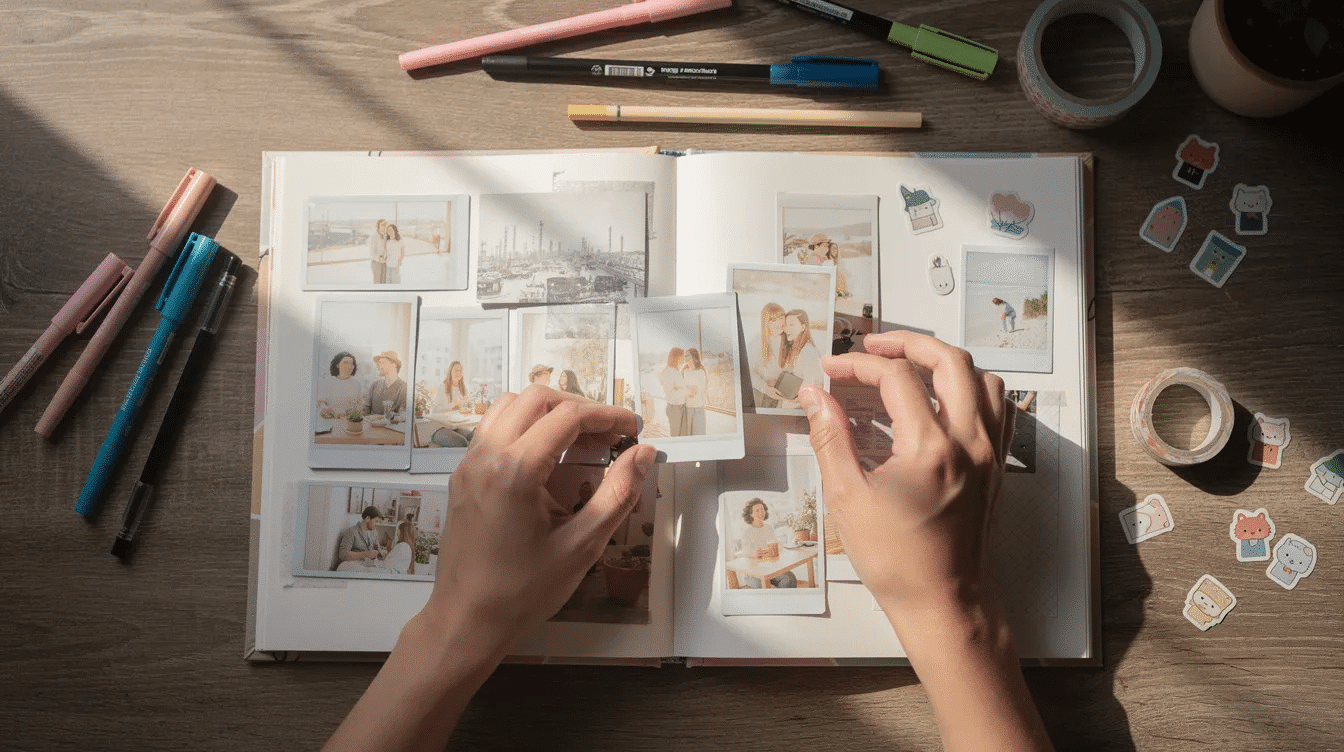
Self-adhesive or corner-style scrapbooks offer far more freedom in layout, allowing you to mix different print sizes, postcards, tickets, and decorative elements on a single page. The repositionable adhesive means you can move a favorite 2023 vacation shot to a frame later without damaging the print. This flexibility comes at the cost of additional time and potential mess from adhesives.
Pocket albums excel at preservation because they minimize handling. Photos remain protected behind clear plastic, reducing exposure to oils, dust, and mechanical stress. Experts often favor this format for archival purposes, particularly for older or irreplaceable prints.
Scrapbook-style albums shine when storytelling matters more than pure preservation. Families with kids who want to add drawings, stickers, and creative elements find this format more engaging. The trade-off is slightly higher risk of adhesive residue affecting prints over time and more supplies needed to achieve attractive layouts.
For most casual users, pocket albums provide the best balance of protection, simplicity, and visual appeal. Save scrapbook formats for special projects where you want maximum creative control.
Doodling, Notes & Family Stories
Handwritten notes and doodles make an otherwise simple polaroid album deeply personal. The imperfections of pen on paper—wobbly letters, hastily drawn hearts, crossed-out words—carry emotional weight that typed captions never achieve.
Use archival-safe pens or fine-tip permanent markers (0.3-0.5 mm tips work well) to write dates, stories, and inside jokes directly on memo areas or along page borders. Prompts help when you’re not sure what to write: “What were we laughing at here?” or “Song of this summer” or “The best thing about this day was…” These small details become treasure years later when memory fades.
Including multiple voices makes albums even richer. Let children add their own handwriting and doodles to pages featuring them. Ask grandparents to write memories triggered by certain photos. Have friends sign pages where they appear at parties or trips. These collaborative notes show different perspectives on shared moments.
Consider dedicating one page per year to highlights: favorite songs of 2023, places visited, new traditions started, inside jokes that defined the year. This summary page becomes a quick reference that captures the essence of your year beyond individual moments.
Small Polaroid Albums for Travel & Gifting
Small-format polaroid albums holding around 20-40 photos serve a different purpose than large-capacity options. Their compact size makes them perfect for short trips, single events, or thoughtful gifts that feel personal without overwhelming.
Picture a compact 28-pocket album with a cute mint green cover measuring just 4 x 5 inches. This small photo album slips easily into a handbag, backpack, or even a jacket pocket, making it ideal for 2024 weekend getaways or destination weddings. You can fill it during the trip and have a ready keepsake before you even return home.
These mini albums also work brilliantly as guestbook alternatives. At a party or wedding reception, set up an instant camera station where guests take photos of themselves, then slide prints into the album with short notes. By the end of the night, you have a bound collection of warm wishes and smiling faces that feels far more engaging than a traditional signed book.
Consider creating themed mini albums as presents: a bachelorette trip album filled with fun photos for the bride, a honeymoon mini book as a wedding gift, or a “friendship year in review” for a close friend’s birthday. These small, curated collections communicate thoughtfulness in a way that digital photo dumps simply cannot.
Displaying Your Polaroid Albums at Home
Your polaroid albums deserve to be part of your home décor, not objects hidden away in closets waiting to be discovered during moves. Treating them as display pieces ensures they get regular attention and bring daily warmth to your living spaces.
Place a small black or white album on your coffee table, stacked with art books or design magazines. Visitors naturally flip through accessible albums, sparking conversations about your adventures and creating connection opportunities. The vintage aesthetic of instant photos adds character to modern interiors without feeling cluttered.
Line several yearly albums on a living room shelf with labeled spines (“2019,” “2020,” “2021-2024”) for an instant visual family history. This arrangement makes it easy to grab a specific year when reminiscing and creates a sense of accomplishment as your collection grows. Choose albums with complementary colors or matching covers for a cohesive look.
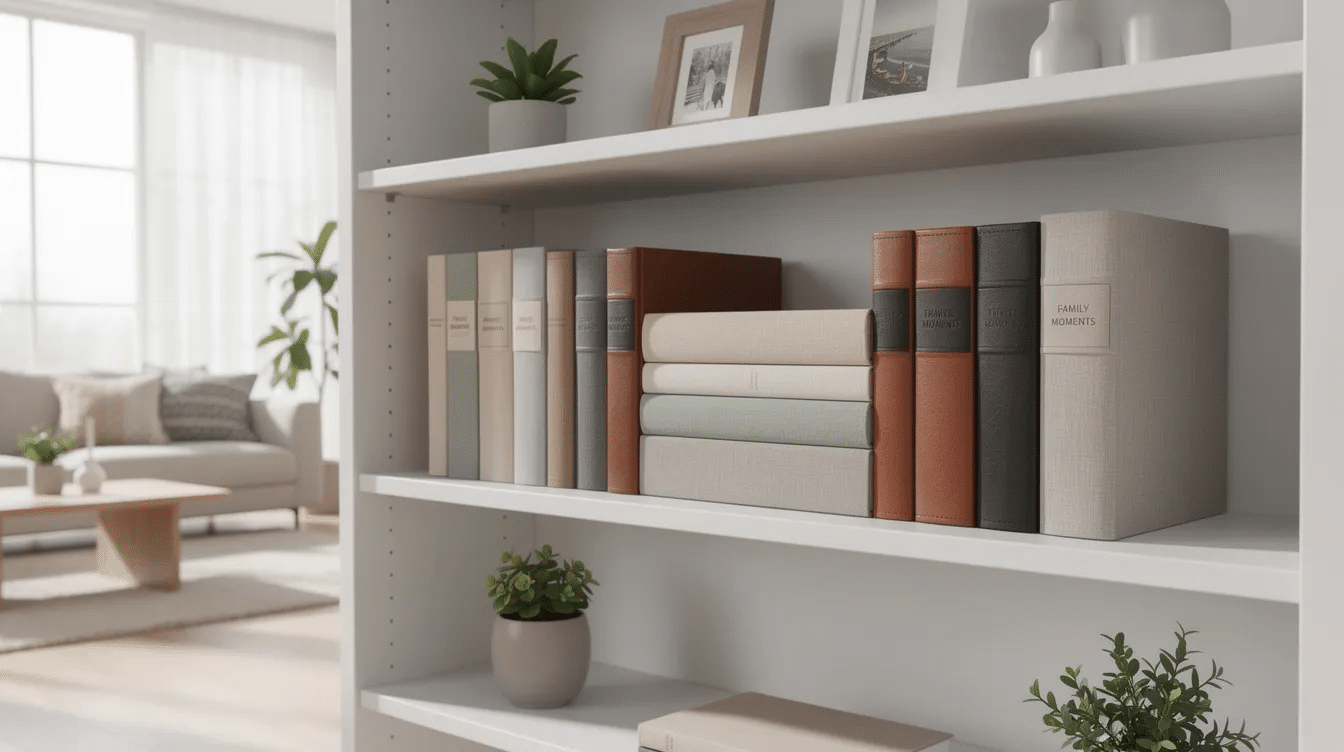
Store albums upright rather than stacked flat to prevent warping and spine damage over time. Position shelves away from windows where direct sunlight could fade covers and heat could damage prints. A spot that gets indirect natural light works perfectly—visible enough to encourage browsing, protected enough to preserve your collection.
Customer Feedback, Pricing & Value Considerations
Reading customer reviews and star ratings before choosing a polaroid album online saves frustration and returns. Not all albums deliver on their promises, and user experiences reveal problems that product descriptions often hide.
Pay attention to specific details in reviews: page thickness (200gsm+ prevents bleed-through and feels substantial), pocket snugness (prints shouldn’t slip when flipping), true capacity (some albums advertise 160 but struggle to hold more than 140 comfortably), and binding durability (how well does it hold up after months of regular use). Brands like Pioneer consistently earn high ratings (4.78/5 from hundreds of reviews) because they deliver on these fundamentals.
Pricing varies by capacity and material, with compact albums running around $15-20 and larger 180-pocket albums typically ranging from $25-40. Higher prices don’t automatically mean better quality, but extremely cheap options often use inferior plastics that yellow prints or flimsy bindings that fail within a year.
Look for brands that demonstrate responsiveness to customer feedback, offer reasonable return policies, and provide clear product specifications. Durability and design matter far more than finding the absolute lowest price—an album that protects your memories for 20 years provides far better value than one that falls apart or damages prints within months.
Bringing It All Together
A dedicated photo album for polaroids transforms scattered instant prints from the last decade—2015 through 2025 and beyond—into a tangible, browsable family history. Rather than leaving memories trapped in drawers where they fade and bend, you create something you can hold, flip through, and share with friends and family whenever nostalgia strikes.
The key ideas are straightforward: choose the right size and format for your camera and collection habits, use memo areas and doodles to add context that images alone can’t capture, store properly with archival materials in suitable conditions, and consider an annual album tradition that builds your collection systematically rather than letting photos accumulate indefinitely.
Start this week by gathering your existing polaroids from wherever they’ve been hiding—that drawer, that box, that random bag in your closet. Pick a favorite album style that matches your needs, whether a compact travel book or a large-capacity yearly archive. Then begin building your first keepsake book. Your future self, flipping through these pages years from now, will thank you for the effort.