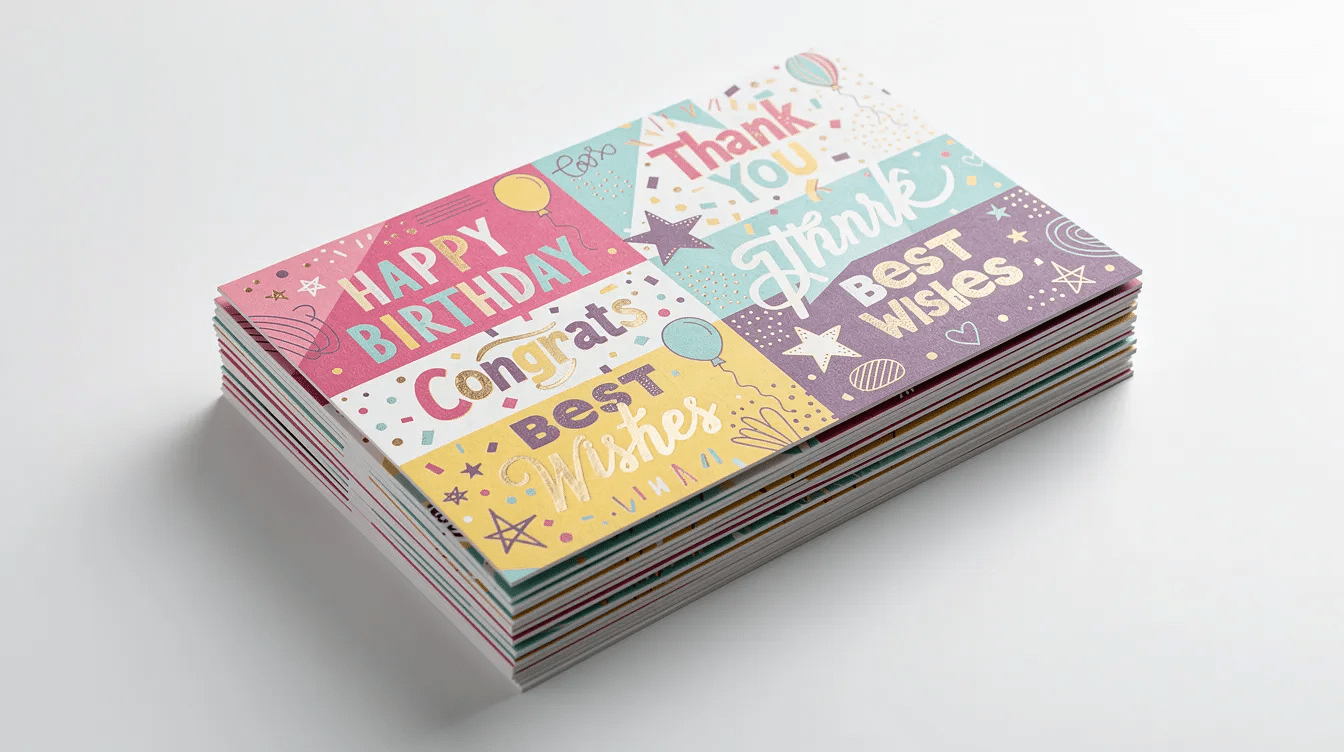
Modern greeting cards in 2025 are a far cry from the generic, flowery designs of decades past. They’re design-forward, often funny, sometimes digital or printable, and focused on real-life language that sounds like actual humans talking to each other. Whether you’re shopping for a foil-stamped card, a risograph print, a 5×7 photo card, an instant-download PDF, or an e-card sent via text, the options have exploded.
Today’s cards cover everyday moments as well as big milestones—think “new job in tech,” “first apartment,” or “mental health check-in.” This article walks you through popular categories, humor styles, personalization options, production quality, shopping tips, and emerging digital trends to help you find exactly what you need.
Quick Answer: What Are Modern Greeting Cards?
Modern greeting cards prioritize personalization, authenticity, and sensory engagement over generic templates. They blend physical and digital elements while using conversational language that mirrors how people actually communicate with friends and family.
You’ll find these cards in several formats:
- Foil-stamped physical cards with premium finishes
- Risograph prints with distinctive ink textures
- 5×7 photo cards for holidays and milestones
- Instant-download PDFs you can print at home
- Digital e-cards sent via email or messaging apps
What sets modern cards apart is their willingness to address the full spectrum of life—not just birthdays and weddings, but queer relationships, fertility journeys, long-distance friendships, and even that time your friend finally kept a houseplant alive for more than a month.
Popular Modern Card Categories
Modern card brands have moved away from traditional “Birthday” or “Anniversary” labels in favor of playful, specific categories that actually match how people live today. When you’re shopping, you’ll notice these on-trend groupings:
Category | What It Covers |
|---|---|
Pet-Obsessed Friends | Cards for dog parents, cat enthusiasts, and anyone who talks about their pet more than their job |
Work Wins & Promotions | Celebrating career milestones beyond the corner office |
New Houseplants | Yes, this is a whole category now |
Queer Love & Pride | Inclusive designs for LGBTQ+ relationships and celebrations |
Long-Distance Friends | For when you miss someone across time zones |
New Baby & Fertility Journeys | Acknowledging diverse paths to parenthood |
Many indie brands price single cards between $5.00 and $7.00, reflecting small-batch printing and eco-friendly paper choices. That’s a premium over mass-market options, but customers are willing to pay for something that actually feels inspired and specific. |
When browsing online, you’ll often filter by category labels like “Snarky Birthday,” “Gentle Sympathy,” or “Just Because” to find the right tone fast. Imaginary card titles give you a sense of the vibe: “You’re My Favorite Notification” or “Official Plant Parent Certification.” These aren’t your grandmother’s stationery aisle finds.
Humor and Honesty in Modern Greeting Cards
Today’s cards lean heavily into humor, sarcasm, and unfiltered language to sound like real conversations between friends. The days of stilted, corporate-sounding sentiments are fading—customers want words that feel genuine.
You’ll encounter several distinct humor styles:
- Dry sarcasm that deadpans observations about life and aging
- Dark humor designed for tough times like breakups or job loss
- Wholesome puns that acknowledge their own eye-roll-worthiness
- Pop-culture references drawn from memes, streaming shows, and internet slang from 2020–2025
The magic happens in the structure: the front of the card delivers the laugh, while the inside message offers something tender and sincere. A breakup card might joke about binge-watching habits and therapy appointments on the cover, then share genuine encouragement inside. A birthday card could reference group chats and screen time before pivoting to real affection.
Modern designers consciously avoid outdated stereotypes and punch-down jokes, focusing instead on inclusive, kind humor that doesn’t age poorly or alienate the recipient. The goal is connection, not cheap laughs at someone’s expense.
Personalized & Photo Greeting Cards
Personalization has become mainstream since around 2020, driven by online card editors and print-on-demand services that let anyone add custom touches without design skills.
Common personalization options include:
- Adding the recipient’s name directly to the design
- Including inside jokes specific to your relationship
- Custom dates (anniversaries, memorable moments)
- Shared locations like “Brooklyn 2024” or “Austin 2023”
Photo card formats have expanded significantly. You can choose from 5×7 vertical or horizontal layouts, collage designs featuring multiple images, and seasonal templates for holidays like Christmas, Lunar New Year, and Diwali. This variety means you can send something that reflects your family’s actual celebrations rather than defaulting to generic Western holiday imagery.
Many services now print, stamp, and mail cards directly to recipients in the U.S. and abroad. No more trips to the post office or hunting for stamps—add the address, and the card ships straight to your person.
Personalization extends beyond text and photos. Some brands let customers choose color palettes to match home décor, select skin tones in pre-illustrated designs, and even specify pronouns in pre-written messages. This level of customization ensures the card actually represents both sender and recipient.
Design Trends and Materials in 2020s Greeting Cards
Modern greeting cards are as much about visual design and tactile feel as they are about the message inside. When you hold a well-made card, you notice.
Current visual trends include:
- Bold typography, often oversized
- Minimalist layouts that leverage white space
- Hand-lettering and calligraphic flourishes
- Abstract geometric shapes
- Nostalgic 90s color palettes (deep greens, terracotta, mustard yellows)
- Nature-inspired botanical motifs
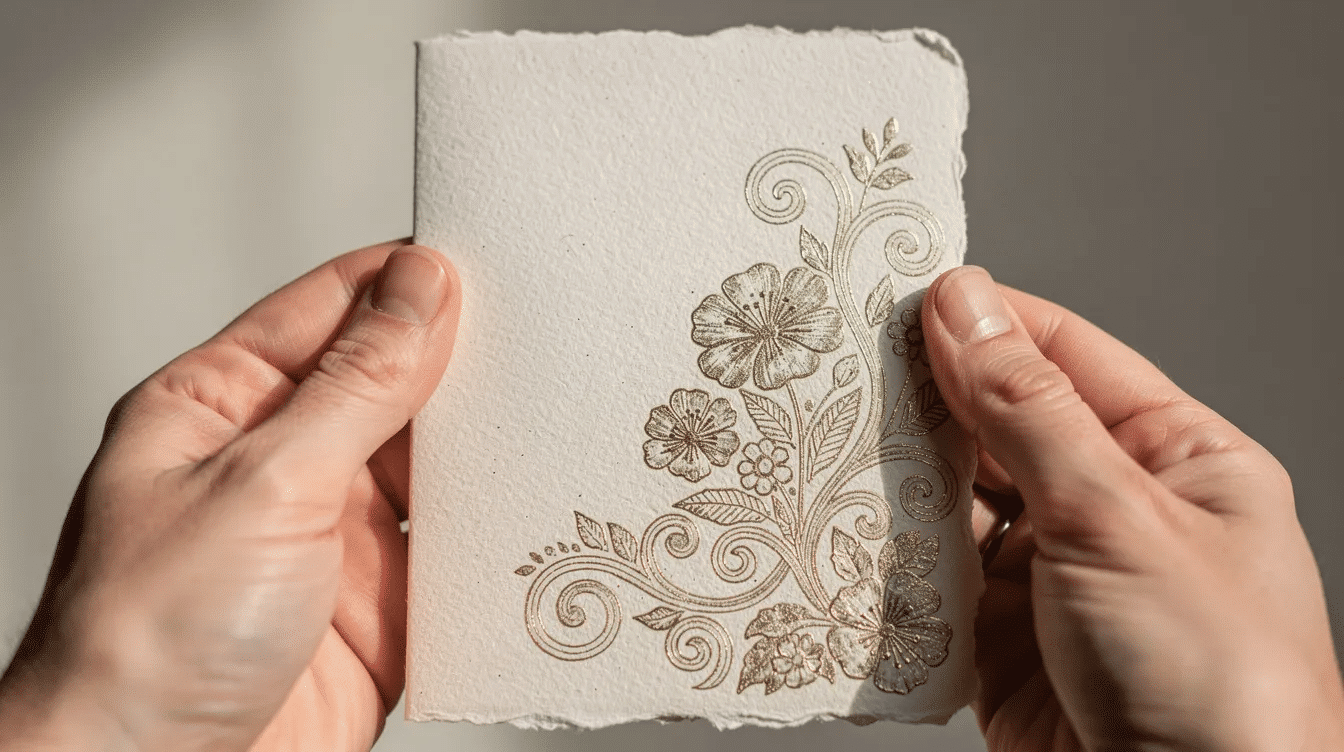
Production choices reflect growing sustainability consciousness, and some studios even experiment with handmade paper sheets using recycled materials:
Material Choice | Why It Matters |
|---|---|
FSC-certified paper | Responsibly harvested forestry |
100% recycled cardstock | Reduced environmental impact |
Soy- or water-based inks | Lower toxicity |
Plastic-free packaging | Paper sleeves instead of cellophane |
Plantable cards | Seeded with wildflowers, can be planted after reading |
Specialty finishes appear on premium cards: foil stamping for metallic accents, embossing for raised textures, letterpress techniques for deep impressions, and spot UV gloss for selective shine. These production methods transform a flat printed card into something you want to touch. |
Many small studios print in small batches at local or U.S.-based print shops. This approach can slightly raise orders’ costs but improves quality control and reduces environmental impact from overseas shipping. When you see “printed in the USA” or “small-batch production,” that’s what it means for your cart total—and for the finished product in your hands.
Digital, Printable, and Instant-Download Cards
The rise of digital and printable cards accelerated after 2020, when remote connections became essential. These formats solve real problems for modern senders.
Instant-download cards work simply: you purchase a PDF or JPEG file, download it immediately, and either print at home on 8.5×11 or A4 paper or send the image directly via email or messaging apps. The appeal is obvious—last-minute solutions, no shipping delays, and easy sending to friends in other countries without international postage.
Design considerations differ for digital formats:
- Vertical and square layouts optimize for screen viewing and social sharing
- Screen-friendly colors translate better than print-calibrated palettes
- Animated elements work for e-cards and social posts but not physical printing
- Some cards include clickable links or video embeds that physical cards can’t replicate
Some modern brands now offer matching digital and physical versions of the same card design. You can choose how you want to send it—or do both, texting the digital version immediately while the physical card travels through the mail for a happy surprise later.
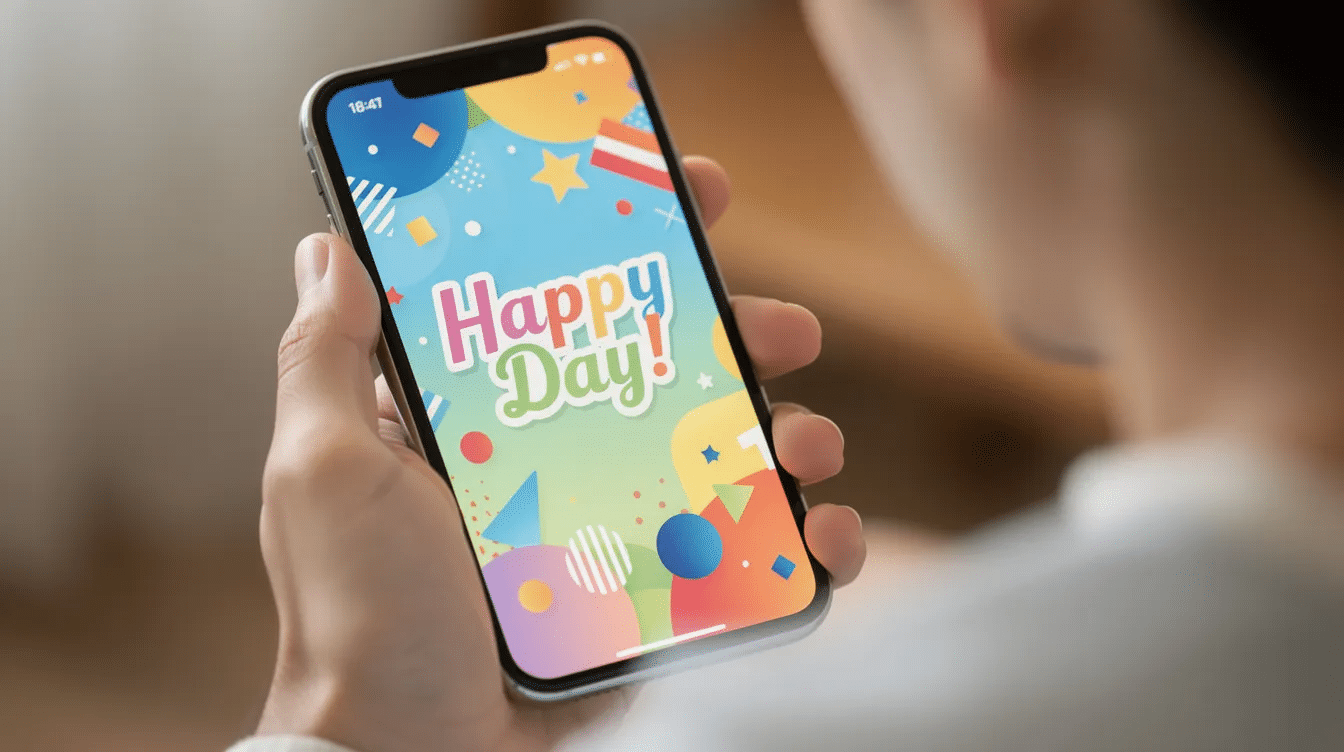
Despite digital expansion, physical cards maintain emotional impact that screen-based alternatives struggle to match. The tangibility and permanence of something arriving in your mailbox communicates a different kind of care. Most customers aren’t abandoning physical cards—they’re adding digital options to their repertoire.
How to Choose the Right Modern Greeting Card
Finding the right card comes down to matching the message to the moment. Here’s a practical approach for birthdays, anniversaries, sympathy, and everyday encouragement:
Consider these factors step by step:
- Recipient’s personality – Do they love dry wit, or do they prefer earnest sincerity?
- Relationship closeness – Inside jokes work for best friends; universal sentiments suit acquaintances
- Occasion importance – Major milestones warrant premium cards; casual moments can be simpler
- Humor tolerance – Will they appreciate a snarky card, or is a gentle tone more appropriate?
Before you add to cart, check the specifics:
- Card size (5×7, A2, square)
- Inside message (blank vs. pre-written)
- Envelope color and coordination
- Whether postage is included or extra with orders
- Estimated delivery time if you’re on deadline
Reviews and customer photos matter more than you’d expect. Look for real images showing print quality, paper thickness, and actual colors—studio product photography doesn’t always capture how something looks in natural light.
The best modern card feels like it was written by the sender, in their real voice, about the recipient’s real life. Not a generic one-size-fits-all message, but something that makes the person think, “This is exactly what I would say if I were better at saying things.” That’s the love a good card communicates—the time and thought to find something that actually fits.
Take a few extra minutes to choose well. In a year dominated by texts and DMs, the right card still makes someone’s day.