The world of papers arts spans two distinct but interconnected territories: the physical fine art papers that artists use to bring their visions to life, and the critical art papers—essays, reviews, and theoretical texts—that shape how we understand creative practice. Whether you’re selecting cotton rag sheets for a watercolor series or diving into an essay about AI’s role in contemporary media, paper remains central to how art gets made and discussed—not only as a physical medium but also as a carrier of information, connecting creative practice across the world.
- Overview of Paper Arts
- Fine Art Papers: Materials for Artists
- Types of Paper for Different Art Practices
- Measuring and Choosing Paper: Weight, Size, and Texture
- Tools and Techniques for Paper Arts
- Mixed Media and Art Papers
- Art Papers as Critical Writing and Theory
- Contemporary Themes in Paper Arts (2010–2026)
- Preservation and Conservation of Art
- Getting Started with Paper Arts: Practical Steps
Overview of Paper Arts
Paper arts encompass both the tactile materials that artists work on and the written discourse that contextualizes creative work within broader cultural conversations. In Tokushima, Japan, the Awagami mill has produced handmade washi for eight generations, carrying 19th-century traditions into the 21st century. Meanwhile, publications like Art Papers have been shaping critical dialogue in the US since the 1970s, offering artists and scholars a platform to share ideas about everything from performance art to digital media.
This article will quickly answer what paper arts are and how to choose or engage with them—whether you’re buying your first watercolor block or reading your first art theory essay.
Physical Paper Arts (Materials):
- Fine art papers for drawing, painting, printmaking, and book arts
- Handmade and machine-produced sheets in various weights and textures
- Archival materials designed to last decades without yellowing
Art Papers (Written Discourse):
- Critical essays and reviews in magazines and journals
- Theoretical texts exploring themes from ecology to technology
- Online platforms archiving changing concerns over time
Fine Art Papers: Materials for Artists
Fine art papers serve as the foundation for drawing, painting, printmaking, book arts, and alternative photography. Unlike standard printer paper, these materials are engineered to achieve longevity and respond predictably to various media, from delicate graphite to heavy watercolor washes.
Acid-free, archival qualities matter because paper with a pH below 7 will yellow and become brittle over time. Museum standards developed in the late 20th century now require artworks on paper to use acid-free or buffered materials if they’re expected to survive decades in collections. The difference between a sketch that crumbles in 30 years and one that remains pristine comes down to this chemistry.
Surface textures dramatically affect how media behaves:
- Hot press: Smooth, ideal for pen and ink or detailed graphite work
- Cold press: Medium texture, versatile for watercolor and mixed media
- Rough: Heavy tooth that creates expressive marks, especially with wet media
Weights typically range from 90 gsm for lightweight sketching to 300 gsm and above for watercolor and printmaking. Heavier sheets resist buckling when wet.
Natural fibers define quality paper’s character. Cotton rag remains the gold standard for archival work. Mulberry (kozo) and bamboo appear in Japanese traditions, particularly in regions like Tokushima, where artisans have refined washi production across generations. These fibers create sheets with distinctive textures and exceptional strength.
Environmental considerations shifted after the 1990s, with chlorine-free processing and sustainable forestry certifications becoming standard among reputable manufacturers. Today, artists can find papers that balance performance with ecological responsibility.
Common Fine Art Papers for Purchase:
- 100% cotton watercolor paper (300 gsm, cold press)
- Smooth bristol board for ink illustration
- Handmade kozo sheets for printmaking or collage
- Toned drawing paper for charcoal and pastel
Types of Paper for Different Art Practices
Different disciplines rely on specific paper weights, textures, and compositions. Understanding these distinctions helps you find the right surface for your preferred medium and avoid frustration with materials that fight against your process.
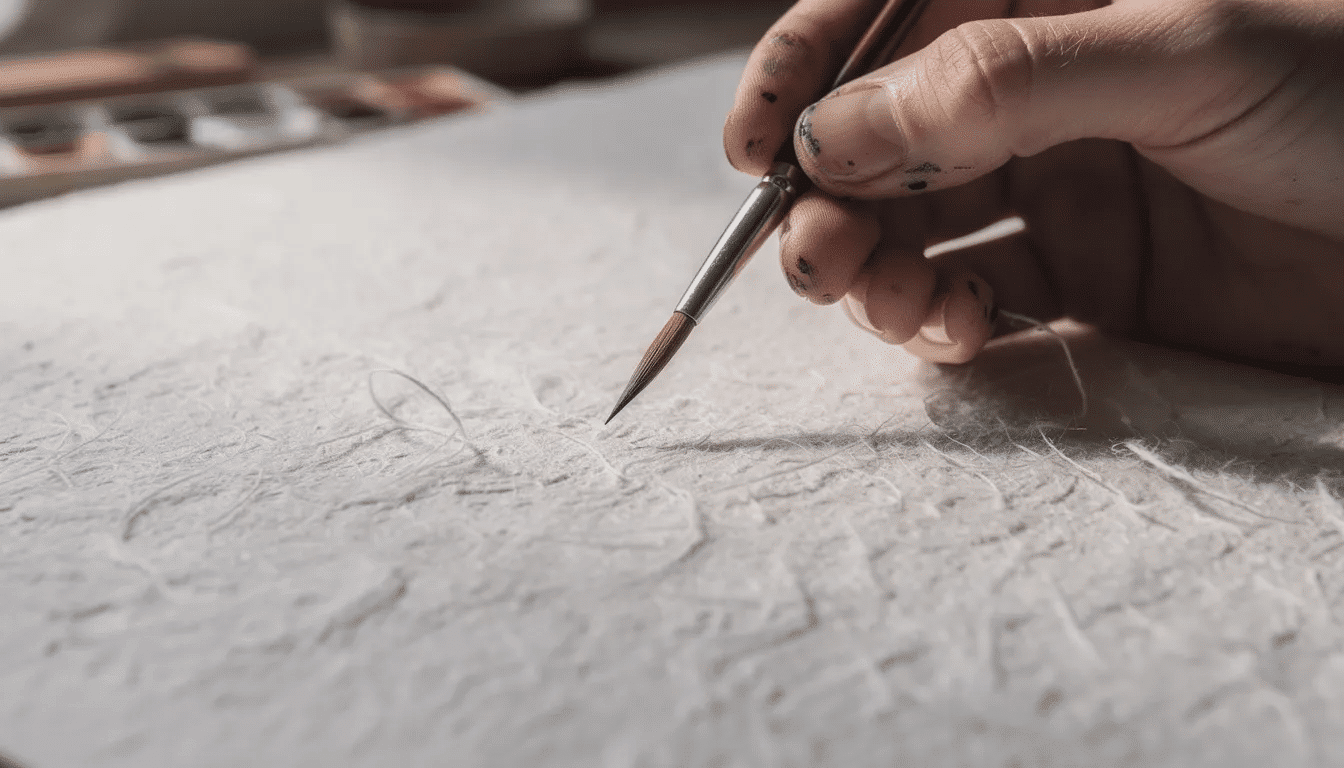
Drawing Papers:
- Cartridge paper and sketch pads typically run 120–200 gsm
- Bristol board offers smooth surfaces for ink, markers, and graphite
- Toned papers (gray, tan, cream) allow for highlights and shadows
Watercolor and Gouache Papers:
- 100% cotton construction prevents fibers from lifting when rewet
- 140 lb (300 gsm) serves as the standard weight for most applications
- Hot press for botanical illustration; cold press for landscapes and portraits
- European producers have refined these papers since the 19th century
Printmaking Papers:
- Soft, absorbent sheets like mulberry work well for relief and etching
- Heavyweight cotton rag (250–300 gsm) handles embossing and plate pressure
- Unsized papers absorb ink more readily for sharper impressions
Book Arts and Collage Papers:
- Decorative chiyogami features traditional Japanese patterns
- Lokta from Nepal offers texture and durability for covers
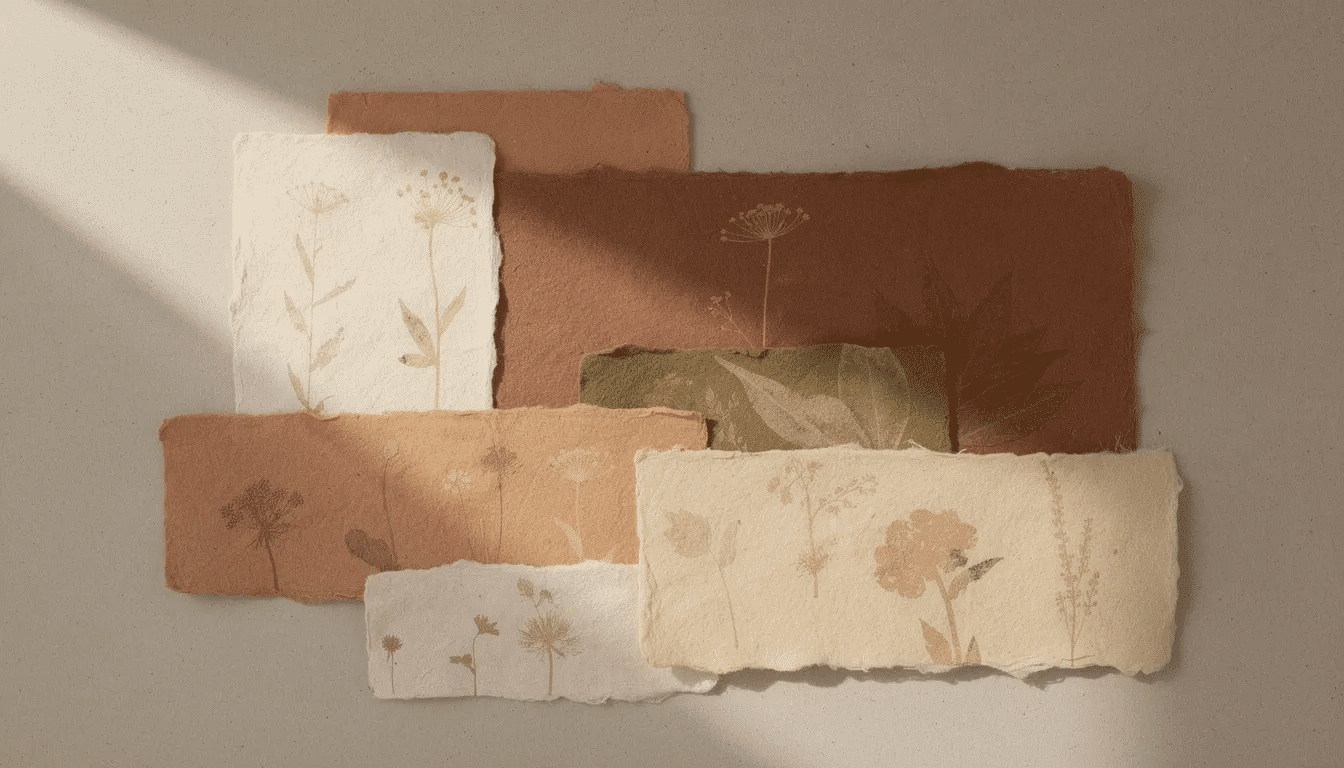
- Handmade sheets with visible inclusions add visual interest to artist books and zines
Digital and Hybrid Practices:
- Inkjet-coated fine art papers support archival giclée prints
- Matte and semi-gloss finishes accommodate different aesthetic goals
- These materials gained popularity in the early 2000s as digital printing technology matured
Measuring and Choosing Paper: Weight, Size, and Texture
Understanding paper weight systems helps you avoid confusion when buying art papers online or browsing rolls at your local supply store. Two measurement systems dominate the market, and they don’t translate directly.
The pound (lb.) system in the U.S. measures 500 sheets of a basis size—but that basis size varies by paper type. A 90 lb watercolor paper weighs more than a 90 lb drawing paper because their basis sizes differ. This inconsistency frustrates many artists.
Grams per square meter (gsm) provides a more universal metric:
- 90–120 gsm: Suitable for sketching and light drawing
- 200–300 gsm: Handles wet media without excessive buckling
- 300+ gsm: Supports heavy washes, multiple layers, and aggressive techniques
A 140 lb watercolor sheet equals approximately 300 gsm, which helps when comparing products across manufacturers using different systems.
Standard Sheet Sizes:
- A4, A3, and A2 work well for studies and smaller finished pieces
- 22×30 inches (Imperial size) remains common for exhibition-scale watercolors
- Rolls offer flexibility for large-format work or cutting custom sizes
Texture selection depends on your medium and desired effect. Smooth surfaces suit pen and ink, where you want crisp lines without interruption. Medium tooth grabs graphite particles effectively for drawings with rich tonal range. Rough textures break up brushstrokes for expressive, atmospheric watercolor effects—run your fingers across the surface before buying to feel how it might respond.
When making purchasing decisions, consider your storage conditions at home. Papers above 60% relative humidity will absorb moisture and potentially develop mold. Archival sleeves and flat storage extend the life of your materials.
Tools and Techniques for Paper Arts
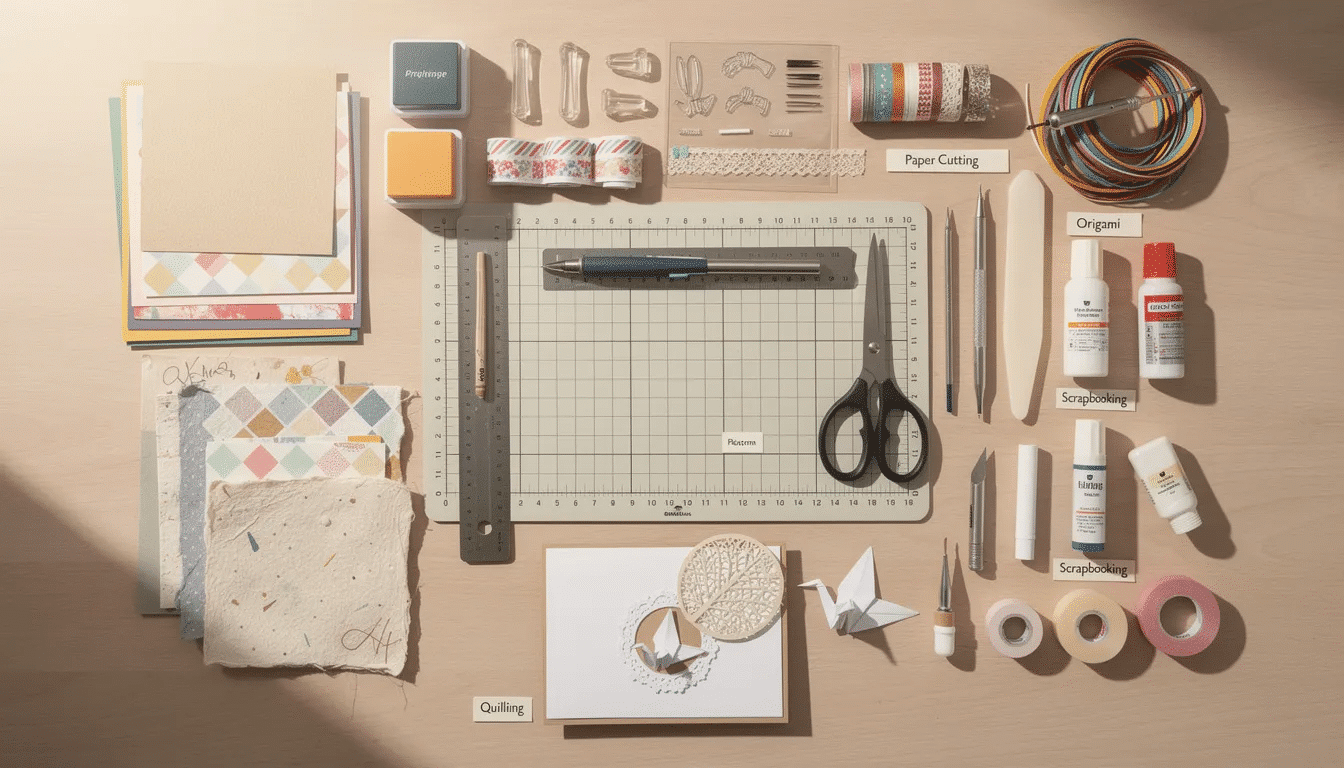
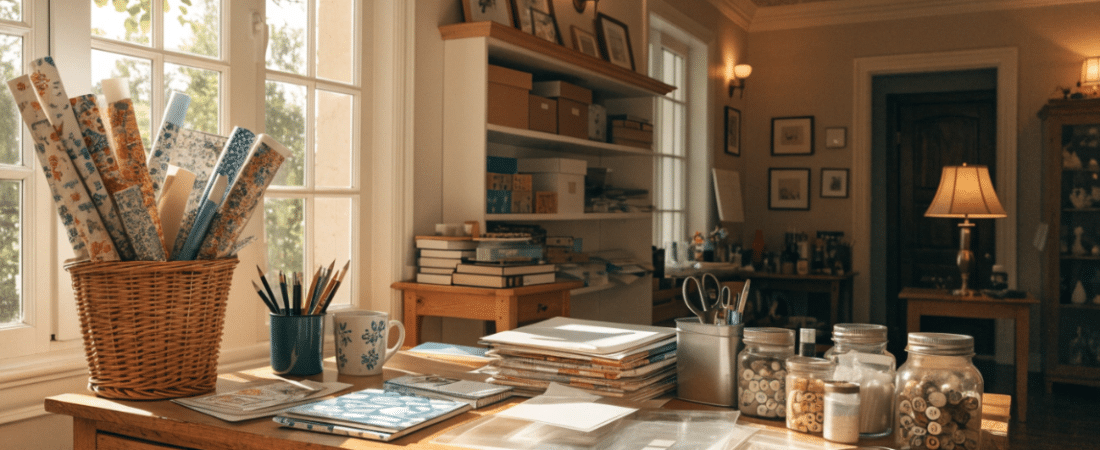
Artists working with fine art papers have a vast array of tools and techniques at their disposal, each chosen to bring a specific vision or purpose to life. The selection of paper type—whether it’s a smooth watercolor sheet, a textured drawing pad, or a sturdy roll for large-scale work—plays a crucial role in achieving the desired effect. Fine art papers come in countless varieties, from delicate handmade sheets to robust machine-produced rolls, allowing artists to match their materials to the needs of their project.
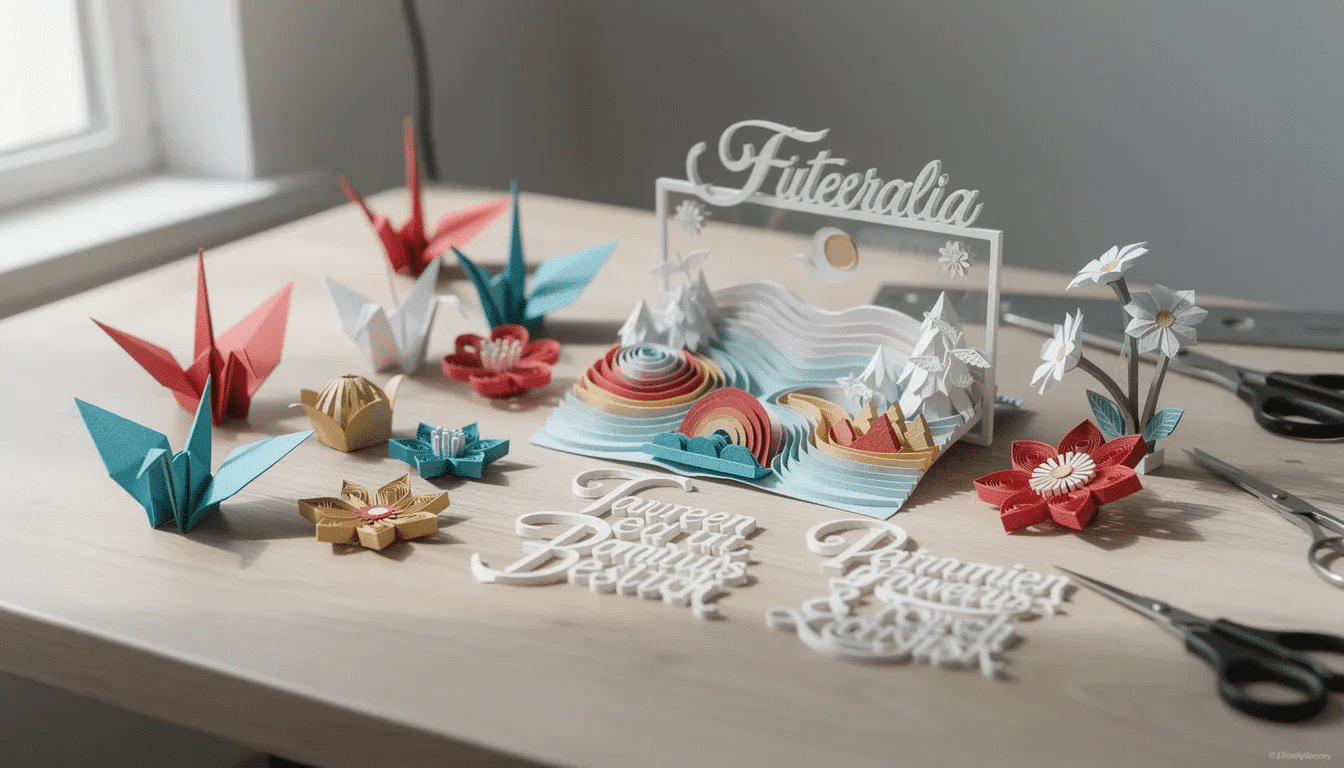
Mastery of techniques such as cutting, folding, scoring, and layering enables artists to shape paper into intricate forms or bold, expressive compositions. These methods add depth and complexity, transforming simple sheets into immersive works of art. The tactile nature of fine art papers invites experimentation, whether through collage, sculptural forms, or the integration of other media.
As mixed media art continues to gain popularity, artists are increasingly combining traditional paper techniques with new materials and digital processes. This fusion expands the possibilities of what can be achieved, encouraging artists to share their unique perspectives with the world. By thoughtfully selecting the right type of fine art paper and honing their techniques, artists can bring both purpose and innovation to their creative practice, ensuring that each piece stands out as a testament to the versatility of art papers.
Mixed Media and Art Papers
Mixed media art thrives on the versatility and expressive potential of fine art papers. By incorporating a variety of papers—ranging from handmade to machine-made—artists can blend textures, colors, and forms to create dynamic, multi-layered works. Fine art papers serve as both the foundation and the connective tissue in these pieces, supporting everything from paint and ink to fabric, found objects, and digital prints.
The intersection of traditional art practices with modern media has sparked a wave of innovation in the use of art papers. Artists now find themselves experimenting with new techniques and tools, pushing the boundaries of what paper can achieve. Whether it’s layering translucent sheets for added depth, embedding materials for tactile interest, or combining drawing and printmaking with digital elements, the possibilities are nearly endless.
This spirit of experimentation brings new life to fine art, allowing artists to achieve effects and meanings that would be impossible with a single medium. The adaptability of art papers means that artists can continually find new ways to bring their ideas to fruition, making each piece a unique exploration of materials and meaning. As mixed media continues to evolve, fine art papers remain at the heart of this creative movement, offering artists the freedom to innovate and share their vision with the world.
Art Papers as Critical Writing and Theory
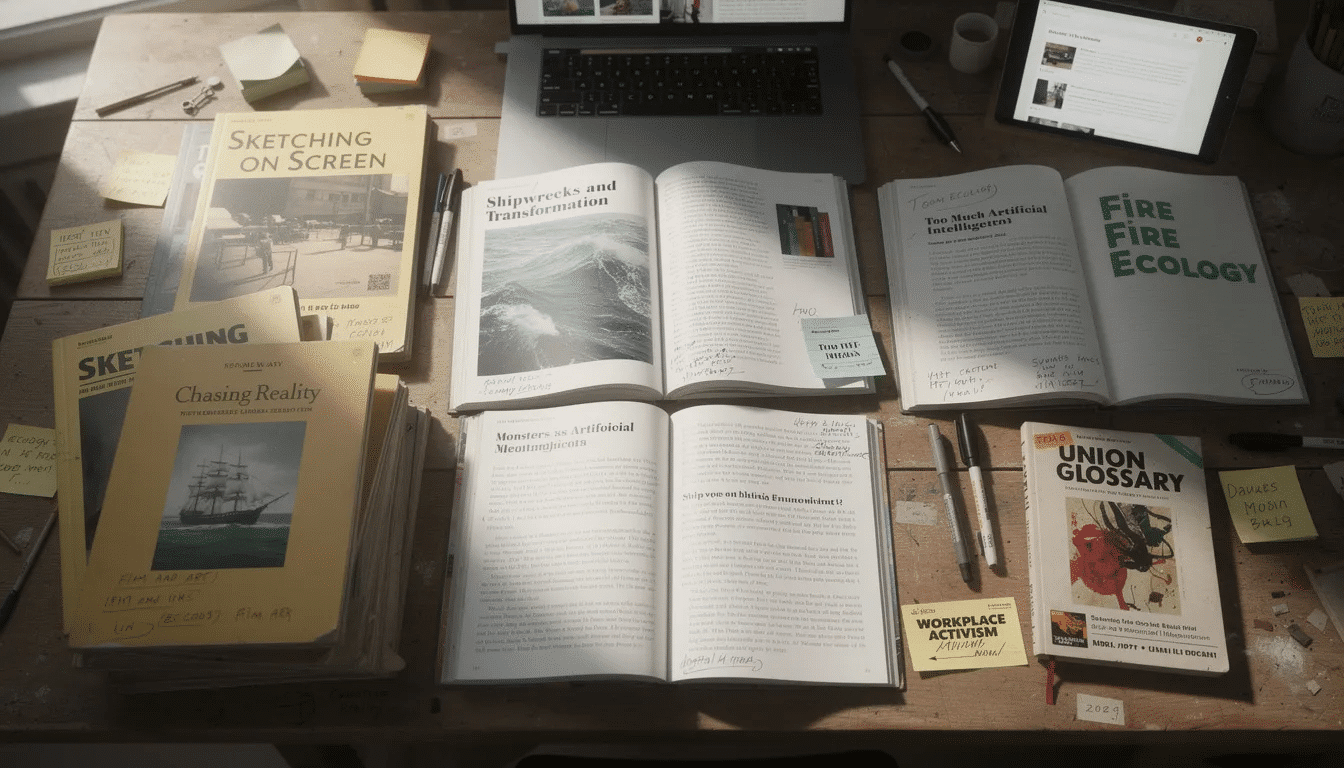
Art papers also refer to essays, reviews, and theoretical texts published in magazines, journals, and online platforms since at least the 1970s. These publications archive how artists, critics, and scholars have thought about creative practice across decades of changing concerns.
Issues from 1998 might examine topics like “Sketching on Screen” and “Chasing Reality” in film and art—questions about digital media’s impact on analog traditions that feel remarkably relevant today. Other essays explore monsters as psychological metaphors, shipwrecks as lenses on loss and transformation, or the implications of Too Much Artificial Intelligence (TMAI) in creative fields throughout the 2020s.
Reading art papers reveals how concerns shift over time. Digital media dominated conversations in the late 1990s. Ecological art projects and concepts like “Fire Ecology” emerged prominently in the 2020s. Labor organizing and union glossaries appeared alongside contemporary workplace activism. Each era’s writing captures its anxieties and aspirations.
For artists and students, engaging with this type of discourse helps situate individual practice within broader social, environmental, and technological debates. Understanding why certain movements emerged—and what critics argued about them—provides context that pure studio work cannot offer.
Key themes that recur across decades of art papers include:
- Relationships between technology and embodiment
- Ecological crisis and artistic response
- Questions of representation and identity
- The economics of creative labor
Contemporary Themes in Paper Arts (2010–2026)
Paper-based practices and art writing have responded to global events and technological shifts over the last 15–20 years. Several dominant themes have emerged across both physical media and critical discourse.
- Ecology and climate (2015–2026): Artists address global seed vaults and concepts of “good soil,” fire ecologies shaped by climate change, and ceramic material supply chains as planetary networks connecting distant extraction sites to studio practice
- Migration and capitalism (2018–2025): Works treat bird migration and human movement as archives of colonial history, often centered in cities like London and Paris where these histories converge visibly
- Technology and embodiment (2018–2026): From luminous, android-like figures to explicit debates over artificial intelligence in creative fields, artists interrogate what machines mean for human creativity and labor
- Analog resurgence (2019–2026): Drawing and printmaking on paper have experienced renewed interest alongside digital tools, framed by ongoing conversations about screen fatigue versus tactile engagement with surfaces
- Material transparency (2020–2026): Artists increasingly document their selection of papers and inks, treating supply chains as part of the work’s meaning rather than invisible background
Preservation and Conservation of Art
Preserving the integrity and longevity of fine art papers is essential for ensuring that artworks endure over time. Artists, collectors, and conservators all play a role in safeguarding these materials, recognizing that the life of a piece of art depends on careful handling and proper storage. Using acid-free, archival-quality fine art papers is the first step in preventing deterioration, as these materials resist yellowing and brittleness that can occur with age.
Conservation goes beyond prevention; it also involves the restoration of artworks that have suffered damage or wear. This delicate process requires a deep understanding of the original materials and techniques, ensuring that any intervention respects the artist’s intent and the work’s historical context. Proper storage—such as keeping art papers in climate-controlled environments and using archival sleeves—further extends the life of both finished pieces and unused materials.
By prioritizing preservation and conservation, we protect not only individual works but also the broader cultural heritage they represent. Fine art papers, with their unique textures and histories, are a vital part of the art world’s legacy. Through ongoing care and collaboration, we ensure that future generations can continue to appreciate, study, and be inspired by these remarkable works of art.
Getting Started with Paper Arts: Practical Steps
If you want to both make art on paper and read art papers critically, the good news is that entry barriers remain low. You don’t need expensive equipment—just thoughtful choices about materials and reading habits.
Starter Toolkit:
- One 200 gsm drawing pad for dry media experiments
- One 300 gsm watercolor block (cold press, around 9×12 inches)
- A small batch of handmade washi or kozo sheets for collage and printmaking
- Basic tools: graphite pencils (2B through 6B), a fountain pen with archival ink, and a compact watercolor set
Choosing Paper by Medium:
- For ink work, choose smooth or hot press surfaces that won’t feather
- For watercolor, prioritize weight (300 gsm minimum) and cotton content
- For collage, collect papers with varied textures, colors, and opacities
- For printmaking, select soft, absorbent sheets that accept ink evenly
Consider keeping a “paper journal” where you tape small swatches of each paper type you acquire. Note the gsm, texture, date of purchase, and results from media tests. Over the years, this archive becomes invaluable for future projects—you’ll know exactly which sheet achieved the effect you want without guessing.
To engage with art papers as writing, commit to reading one essay per week from a reputable art magazine or online archive. Summarize it in your sketchbook alongside visual work. This practice builds critical vocabulary and connects your studio practice to larger conversations happening in the art world.
Between now and 2026, paper arts will likely continue bridging analog craft with digital and ecological concerns. The artists who thrive will be those who understand both the physical properties of their materials and the critical frameworks that give their work meaning. Start with one quality pad and one thoughtful essay this week—that’s all the foundation you need.