Quick Answer: What Is Paper Crafting Paper?
- Paper crafting paper encompasses all paper types used for cardmaking, scrapbooking, origami, decoupage, and DIY décor. It’s the foundation of countless creative projects that bring ideas to life through cutting, folding, and layering.
- This category includes cardstock, patterned scrapbook paper, specialty foils, vellum, tissue paper, and more, typically sold in popular sizes like 12×12 and 8.5×11 inches.
- The “right” paper depends on your project: sturdy cardstock works best for card bases, lighter sheets excel at folding, and textured or specialty finishes add decorative sophistication to your layers.
- High-quality, acid free papers are essential when preserving memories through photos, wedding albums, and keepsakes—especially those made after about 1990—to avoid yellowing over decades.
- Introduction to Paper Crafting Paper
- Key Takeaways About Crafting Paper
- Core Types of Paper for Crafting
- Popular Specialty Papers and What They’re Used For
- Choosing the Right Paper for Your Project
- Paper Crafting Tools and Compatibility
- Buying, Storing, and Caring for Crafting Paper
- Project Ideas to Use Paper Crafting Paper
- Conclusion
Introduction to Paper Crafting Paper
Modern paper crafting exploded in popularity during the 1990s scrapbooking boom and has continued evolving through 2024’s cardmaking and DIY décor trends. What started as a way to preserve family photographs has grown into a multi-billion-dollar industry, with the global arts and crafts market reaching $50.9 billion in 2023.
Specialty papers have a rich history, with traditional origins dating back centuries. Historical techniques, such as hand-milling and unique fiber blends, have influenced their production, resulting in the distinctive textures and finishes that set these papers apart for modern crafters.
Today’s crafters use a mix of plain cardstock, patterned scrapbook paper, and specialty sheets—including foil, acetate, holographic, and wood-grain varieties—to build layered, dimensional creations. Paper crafting paper serves as both the structural base (card fronts, scrapbook pages, 3D models) and decorative details (die cuts, borders, paper flowers, tags).
This article covers the major project categories where these materials shine: handmade cards, scrapbooks, party décor, gift wrapping, origami, and mixed-media art. You’ll learn about major paper types, how to choose the right weight and finish for your work, and practical buying and storage suggestions to protect your investment.
Key Takeaways About Crafting Paper
- Different paper weights serve distinct roles: around 60–80 gsm for copy paper, 120–160 gsm for light card, and 216–300+ gsm cardstock for sturdy bases and dimensional projects.
- Surface finish—smooth, textured, glossy, matte, glitter, or foil—directly affects how inks, markers, paints, and adhesives behave on your paper.
- Acid-free, lignin-free sheets are strongly recommended for memory-keeping projects like baby albums, wedding books, and travel scrapbooks to prevent deterioration.
- Specialty papers such as vellum, mulberry, washi, holographic, and acetate add texture, translucency, and visual interest when layered over solid bases.
- Beginners can start with a small selection of neutrals (white, cream, kraft) plus a few patterned pads—this is enough to begin cardmaking or scrapbooking without overwhelming your budget.
Core Types of Paper for Crafting
Before diving into specialty options, it’s essential to understand the four most common entry-level crafting papers that form the backbone of most projects—many crafters lean on a detailed guide to the best types of paper for craft and their uses when learning how each surface behaves.
Typical Weight | Best Uses | Archival Quality | |
|---|---|---|---|
Cardstock | 65–110 lb cover | Card bases, die cuts, boxes | Usually acid-free |
Scrapbook Paper | 60–80 lb text | Layouts, card fronts, backgrounds | Typically acid-free |
Construction Paper | 50–70 lb | Kids’ crafts, school projects | Not archival |
Printer Paper | 20 lb bond | Templates, test prints, practice | Not archival |
Cardstock
Cardstock is the backbone of most paper crafts, sitting between printer paper and cardboard in thickness and stiffness. This versatile product comes in weights typically ranging from 160–300 gsm (or 65–110 lb cover in North American measurements), with heavier weights ideal for sturdy card bases and lighter options perfect for die cuts and layered elements.
Smooth cardstock delivers crisp stamped images and excellent ink blending results, while textured options like linen or canvas add a tactile, luxury feel to wedding invitations and fine stationery. You’ll find cardstock in use across nearly every project type: folded greeting cards, cake toppers, gift tags, banners, boxes, and layered die-cut sentiments.
White and cream cardstock remain staples in every crafter’s stash, with bold colors and metallics reserved as accents and mats behind photos or focal images. When you choose cardstock, you’re building the foundation that supports everything else in your design.
Patterned Scrapbook Paper
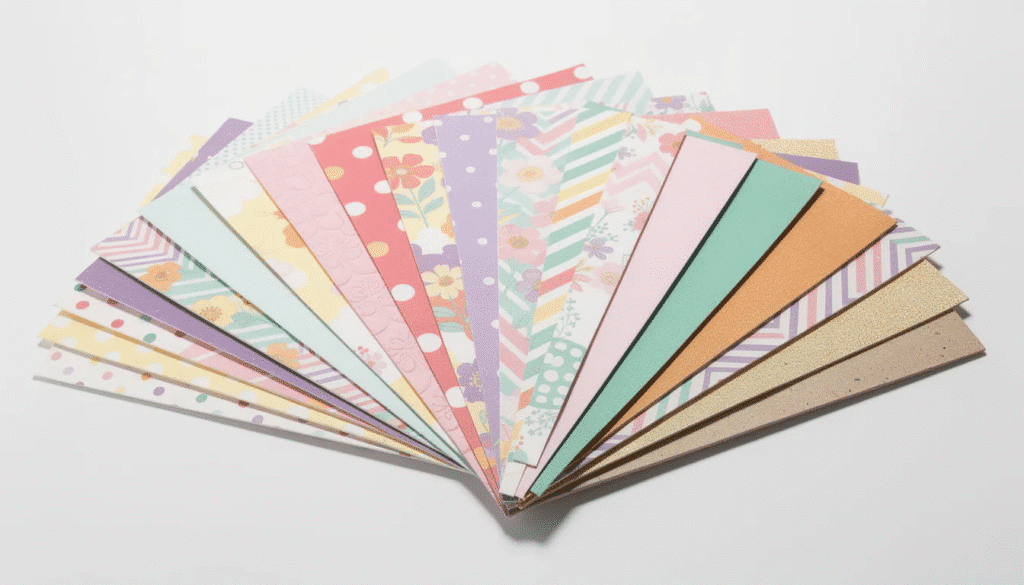
Patterned scrapbook paper features pre-printed designs in themes ranging from birthdays and holidays to travel, baby milestones, and floral motifs. Standard sizing runs 12×12 inches for full scrapbook pages, with 6×6 or 8×8 pads scaled down for card fronts and mini albums.
High-quality scrapbook paper is typically acid-free and designed to protect printed photographs for decades. This matters when you’re creating albums that chronicle your family’s life and memories.
Common uses include background layers, photo mats, paper piecing, die-cut shapes, and decorative border strips. Many manufacturers create coordinated collections that help crafters produce cohesive albums and card sets without manually matching colors—check any major craft retailer’s stock to see themed collections organized by season or occasion.
Construction and Everyday Papers
Construction paper and basic copy paper serve as starter materials for children, classrooms, and testing designs before committing to premium sheets. Construction paper’s rough texture and bright colors make it ideal for elementary-school projects, seasonal classroom décor, and simple cut-and-paste crafts.
Standard copy paper (around 70–90 gsm) proves useful for origami practice, pattern drafting, mock-ups of card layouts, and printed sentiments that will later be layered onto sturdier bases. Neither option is ideal for long-term display or archival scrapbooking due to lower durability and a tendency to yellow over time.
As your skills advance and your projects are meant to last years, transitioning to higher-quality cardstock and scrapbook paper becomes essential. Think of everyday papers as your testing ground before investing in premium materials.
Popular Specialty Papers and What They’re Used For
Specialty papers add unique textures, transparency, shine, and structural qualities that basic cardstock simply cannot provide. These materials transform ordinary projects into eye-catching creations with professional-level details.
The specialty papers covered here include vellum, tissue paper, crepe paper, mulberry paper, parchment-style papers, holographic and foil cardstock, wood-grain veneer paper, acetate, and kraft. Each brings specific properties to your crafting table, and understanding them helps you make smart purchasing decisions.
Vellum
Vellum is a semi-transparent, smooth paper typically available in weights from around 90–160 gsm. Its translucent quality makes it perfect for overlays on printed invitations, windows on shaker cards, and softening bold patterned backgrounds on scrapbook pages.
One important consideration: vellum shows adhesive, so you’ll need to hide glue behind embellishments or use specialty vellum tape designed for invisible bonding. Printed vellum featuring foiled or floral designs has become an on-trend option for elegant wedding stationery and layered cards that add sophistication without overwhelming the design.
Tissue and Crepe Paper
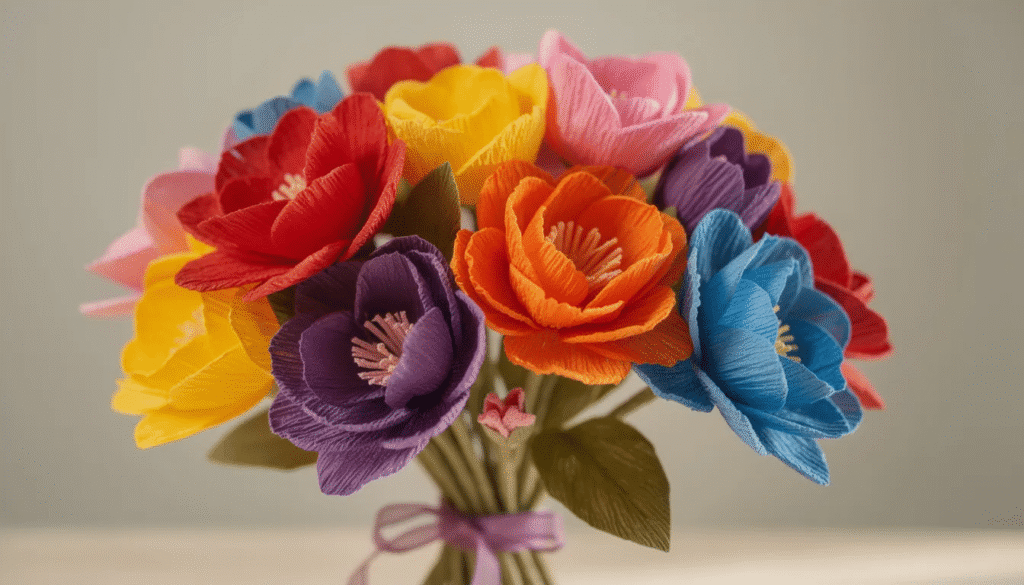
Thin, translucent tissue paper and stretchable, crinkled crepe paper serve different but complementary purposes in paper crafting, and dedicated crepe paper flower project ideas for stunning DIY décor showcase how realistic your blooms can become.
Tissue paper (typically 15–20 gsm) works beautifully for gift wrapping, pom-poms, layered flowers, stained-glass-style diy crafts, and decoupage on glass or wood surfaces. Its delicate nature creates airy, light effects impossible to achieve with heavier materials.
Crepe paper’s stretch makes it ideal for creating realistic petals and leaves in lifelike paper flowers, streamers, and party backdrops, all of which fit neatly into fun paper activities for creative minds of all ages when you’re planning group crafting sessions. Both materials are fragile and require gentle handling with low-moisture adhesives to avoid tearing or color bleeding.
Mulberry, Parchment-Style, and Handmade Fibrous Papers
Mulberry paper is handmade with visible fibers and often features feathery or deckled edges, making it perfect for artistic cards and mixed-media layers. Its organic texture adds dimension that machine-made papers cannot replicate.
Parchment-style papers mimic historical documents, making them excellent choices for certificates, scroll invitations, and vintage-inspired paper craft projects that lean into an aged, nostalgic aesthetic. The visual texture and tactile feel of these papers respond beautifully to tearing, inking, and layering for aged effects that tell a story.
These specialty sheets tend to carry higher price tags, so many crafters use them sparingly as accents rather than full backgrounds; others even experiment with handmade paper sheets for unique, textured accents when they want completely custom finishes. A single sheet of mulberry paper can elevate multiple projects when cut strategically.
Foil, Holographic, Kraft, and Wood-Grain Papers
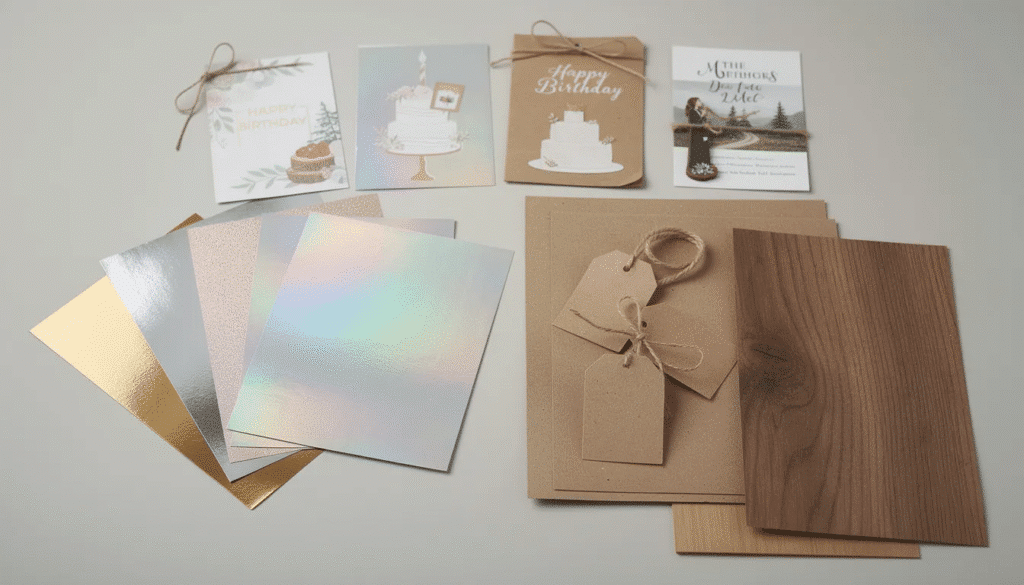
Foil cardstock and holographic papers feature reflective metallic or rainbow finishes that catch light beautifully, making them popular for modern birthday cards, cake toppers, and party banners. Their eye-catching shine creates instant visual impact.
Craft paper—specifically kraft paper—is sturdy brown paper made from unbleached wood pulp that delivers a rustic, eco-inspired look for tags, gift wrap, and farmhouse-style card designs. Its natural appearance has made it increasingly popular as crafters embrace sustainable aesthetics.
Wood-grain or real wood veneer sheets mimic or incorporate thin wood layers, ideal for masculine cards, nature themes, and home décor plaques—finishes that often feature prominently in paper crafts that sell well for crafters and entrepreneurs. These specialty papers can be die-cut, embossed, and layered over solid cardstock bases, though care must be taken to avoid warping or cracking.
Acetate and Clear Crafting Sheets
Acetate consists of clear or printed plastic sheets used for windows, shaker card fronts, and see-through album pages. While not technically paper, acetate is sold alongside craft paper and commonly combined with cardstock and patterned paper in layered projects.
You can stamp on acetate, apply heat embossing (with appropriate products), and use alcohol ink techniques on certain varieties. Specialty adhesives are necessary since regular glue shows through the transparent surface.
Consider a 5×7 holiday shaker card featuring sequins between acetate and a die-cut cardstock frame—this trending design from recent crafting seasons showcases how acetate creates interactive, dimensional gifts that recipients love.
Choosing the Right Paper for Your Project
Selecting paper involves balancing weight, finish, color, and archival quality based on your end use, much like you would when reviewing top craft paper supplies for creative projects and DIY fun to build a versatile stash. The perfect paper for one project might be completely wrong for another.
Key decision factors include:
- Project type (card, scrapbook, 3D décor)
- Required sturdiness and structure
- Whether photos will be included
- Tools being used (inkjet printer, alcohol markers, cutting machine)
A simple decision framework:
- For folded cards, pick 80–110 lb cardstock
- For origami models, use thin, crisp paper that holds creases
- For albums, choose acid-free patterned papers and card bases
Most experienced crafters keep a range of whites and neutrals on hand as bases, adding color and pattern in smaller accents to stretch their stash efficiently.
Matching Paper Weight to Technique
Understanding weight helps you predict how paper will perform:
Weight Range | Best Applications |
|---|---|
Under 120 gsm | Folding, bulk layering, intricate paper flowers |
160–200 gsm | Layering panels on cards and pages |
216–300+ gsm | Card bases, boxes, bags, free-standing décor |
Lighter weights work best for projects requiring multiple folds or delicate shaping. Medium weights layer beautifully without adding bulk that makes cards difficult to mail. Heavy cardstock provides the structure needed for dimensional projects that must stand independently. |
Note that some home printers struggle with very thick cardstock—check your printer specifications before attempting to run heavy stock through the feed mechanism.
Surface, Color, and Print Considerations
Smooth paper favors detailed stamping and digital prints, while textured paper can mute fine lines but enhances solid images and creates visual interest. Consider what kind of designs you’ll be applying before selecting your finish.
Dark papers require opaque inks, heat embossing, gel pens, or layered panels with lighter cardstock for readability. A sentiment stamped in black ink disappears on navy cardstock—plan your color combinations accordingly.
Patterned papers should complement rather than overpower focal images and photos. Use solids or tone-on-tone prints in backgrounds, saving busy patterns for smaller accent pieces.
Example project: A 2024 birthday card built with a white cardstock base, soft pastel patterned layer cut slightly smaller, and a vellum sentiment strip creates elegant layering that lets each element shine.
Paper Crafting Tools and Compatibility
Not all papers behave the same way with cutting machines, punches, embossing folders, or inks. Understanding compatibility saves frustration and wasted materials.
Major tool categories to consider:
- Manual and electronic die-cutting machines
- Paper punches (border, corner, decorative)
- Scoring boards and bone folders
- Embossing folders and machines
- Printers (inkjet and laser)
- Coloring mediums (markers, paints, inks)
Very thick cardstock may crack when folded without proper scoring, and fibrous papers like mulberry can snag in detailed dies. Glossy and coated papers often resist water-based dye inks, requiring solvent or pigment inks instead.
Always test a new paper with a small die or punch before committing to a large batch of cuts—this simple habit prevents expensive mistakes.
Cutting, Scoring, and Shaping
Paper thickness and grain direction affect how cleanly your materials cut with craft knives, guillotine trimmers, and rotary cutters. Cutting against the grain often produces smoother edges.
Scoring lines on heavy cardstock before folding prevents cracking, especially on dark or heavily pigmented sheets where breaks become highly visible. Use a bone folder and ruler to create crisp, professional creases.
Dimensional projects like boxes, rosettes, and 3D flowers rely on papers that can be shaped without splitting along fibers. Test your materials before committing to complex constructions.
Common sizing reference: Cutting 12×12 cardstock yields multiple A2 (4.25 x 5.5 inches) or A6 card bases, making efficient use of full sheets.
Inks, Paints, and Adhesives
Absorbent, uncoated cardstock is ideal for ink blending and watercolor effects, while coated or glossy finishes may cause smearing or pooling. Match your paper to your coloring technique for best results.
Alcohol markers work best on smooth, heavyweight cardstock that resists feathering—many brands market specific “stamping” cardstock optimized for detailed coloring work.
Thin and delicate papers like vellum, tissue, and acetate need lighter adhesives:
- Tape runners
- Glue dots
- Spray adhesive
- Vellum-specific tape
These options avoid the wrinkles and visible glue lines that heavier adhesives create on delicate materials. For dimension between layers, 3D foam adhesive squares add lift without warping your cardstock panels.
Buying, Storing, and Caring for Crafting Paper
Proper purchasing and storage habits protect paper quality and color for many years, ensuring your investment remains usable when inspiration strikes.
Crafters can buy single sheets, open stock, or coordinated pads and collections depending on how much they’ll use a given pattern or color. Common packaging options in 2024 include 12×12 pads, 6×6 pads, specialty assortments, sampler packs, and multi-color cardstock stacks.
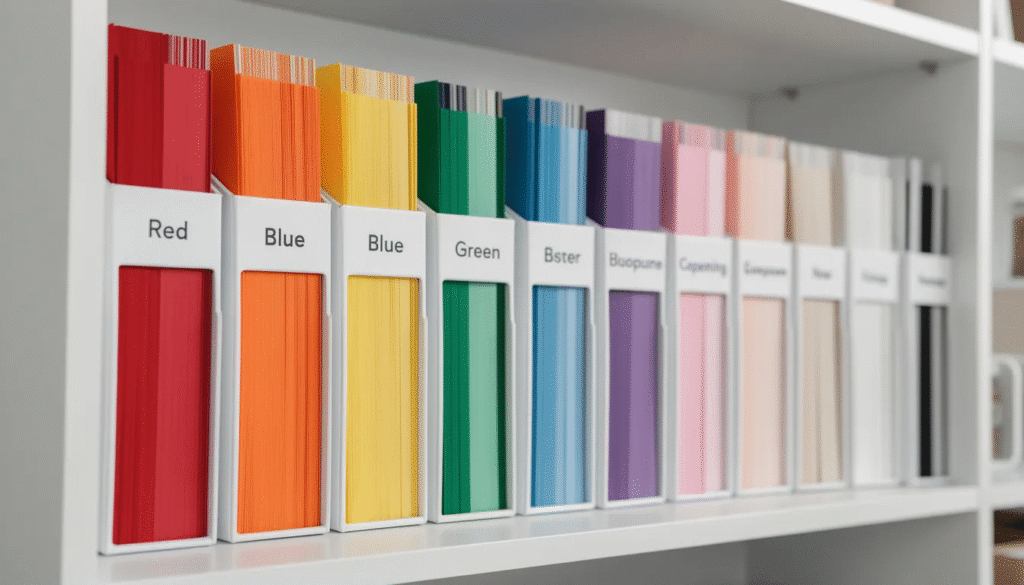
Storage away from sunlight, moisture, and fluctuating temperatures keeps paper from warping, fading, or sticking together. Labeling and organizing by color family, theme, or weight saves time during busy crafting seasons like December holidays or wedding season.
Where and How to Buy Crafting Paper
Local craft stores, big-box retailers, online marketplaces, and direct-from-brand websites all offer crafting papers. Each channel has advantages worth considering.
Coordinated collections provide matching papers, embellishments, and colors designed to work together—ideal for crafters who want guaranteed cohesion without color-matching stress.
Building a custom stash sheet by sheet allows you to curate exactly what you need, avoiding duplicate patterns and colors you won’t use.
Single specialty sheets like holographic or real wood veneer are often sold individually, letting you test a finish before investing in larger quantities. Before ordering online, check product descriptions for gsm, finish, and archival details—what you read should match what arrives.
Sign up for email newsletters from your favorite brands to hear about sales and gain exclusive access to limited collections before they’re sold out.
Storage, Organization, and Preservation
Best practices for paper storage:
- Store papers flat in horizontal trays, vertical files, or dedicated 12×12 storage boxes
- Avoid bends and dog-eared corners by using appropriately sized containers
- Keep materials in cool, dry spaces away from windows
- Separate specialty finishes like glitter and foil with protective sheets
Glitter papers can scratch adjacent sheets, and foil finishes may transfer color if stored touching other materials. Page protectors between specialty papers prevent damage.
For archival projects, pair photos with acid-free papers and store completed albums in boxes designed for long-term preservation—protecting memories created in the 2000s and beyond for future generations.
Project Ideas to Use Paper Crafting Paper
With your paper knowledge in place, let’s explore concrete project ideas that put these materials to work. Each category combines multiple paper types for layered, professional results, much like the inspiration you’ll find on Simply Paper Crafts’ paper crafting platform.
Project categories to explore:
- Greeting cards
- Scrapbook layouts
- Mini albums
- Party décor
- Gift packaging
- Wall art
- Kids’ crafts
The key to stunning projects lies in how different papers combine: base cardstock provides structure, patterned layers add personality, vellum overlays create softness, and specialty accents deliver that finishing touch of excellence.
Cards, Scrapbooks, and Albums
A typical handmade card uses heavy cardstock for the base, patterned paper for the background layer, and specialty papers for focal elements like die-cut sentiments or stamped images.
Example scrapbook layout: A 12×12 page featuring a 4×6 photo from a 2023 family vacation, matted on solid cardstock and surrounded by themed patterned strips, with a vellum journaling block and cork embellishments completing the design.
Mini albums with chipboard covers offer excellent opportunities to use layers of patterned paper, kraft accents, vellum pockets, and tags made from leftover scraps. These make perfect gifts for graduates, new parents, or anyone with memories worth preserving.
Coordinating color palettes and repeating paper patterns across pages create a unified look throughout an album—scrapbooks benefit from intentional design choices that tie spreads together.
Party Décor, Gifts, and Home Accents
Paper banners, cupcake toppers, table numbers, and favor boxes created with sturdy cardstock, glitter paper, and foil accents transform any celebration. These items work beautifully for weddings, milestone birthdays, and graduation parties, especially when you draw on the best birthday decorations paper ideas for your celebration to plan a cohesive look.
Gift bags, boxes, and tags made from kraft cardstock gain personality through strips of patterned paper and stamped vellum or tissue accents. The variety of materials creates visual interest that store-bought packaging cannot match.
Home décor possibilities:
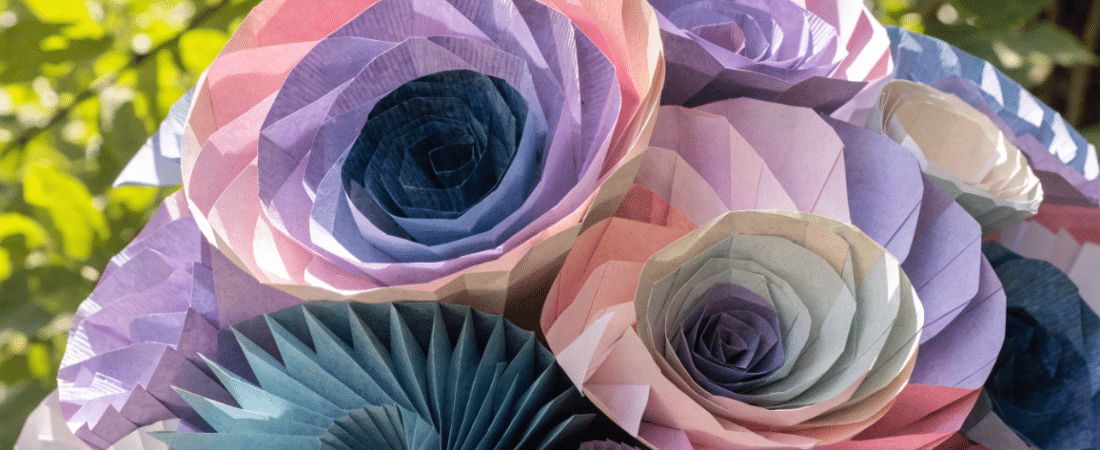
- Framed paper flower art
- 3D shadow boxes combining cardstock, acetate, and patterned paper
- Seasonal wall hangings
- Decorative paper wreaths
These projects often use leftover offcuts and scraps, making efficient use of premium specialty sheets you might hesitate to cut into otherwise, and they pair nicely with cute crafts paper ideas for fun and easy DIY projects when you’re crafting with kids or beginners.
Conclusion
Understanding paper types, weights, and finishes empowers you to choose the right foundation and decorative layers for any project you create. From sturdy cardstock bases to delicate vellum overlays, each material serves a specific purpose in bringing your creative vision to life.
A small, well-chosen selection of cardstock, patterned papers, and a few specialty sheets can support hundreds of unique creations—you don’t need an overwhelming stash to produce professional-quality work. The world of paper crafting rewards experimentation, so try pairing smooth cardstock with mulberry textures or adding foil accents to kraft backgrounds.
Take time this week to review your current paper stash, identify gaps (perhaps you’re missing neutral cardstock or lack specialty textures for layering), and plan your next paper crafting project. Whether you’re making handmade cards, preserving memories in scrapbooks, or crafting party décor, the right paper makes all the difference.