
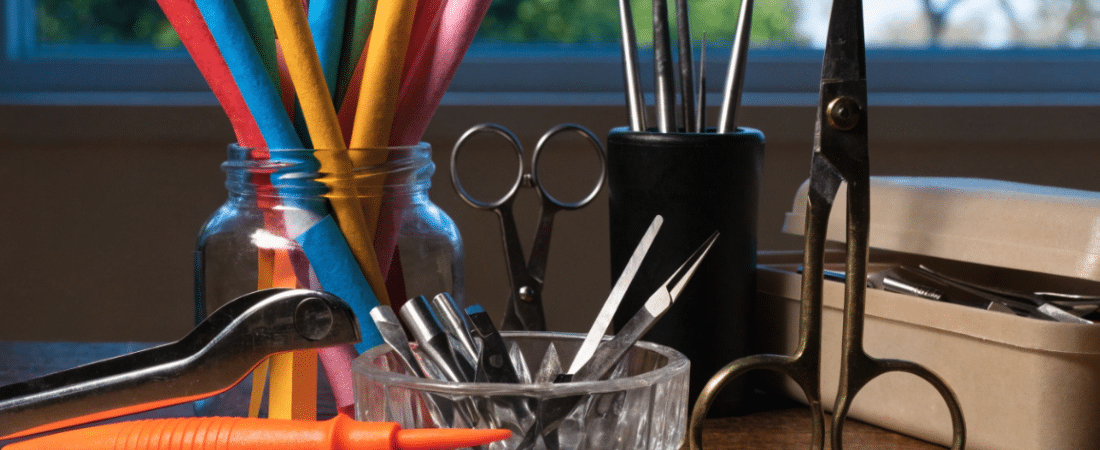
Quilling transforms narrow paper strips into intricate flat and 3D designs using surprisingly simple hand tools. Whether you want to create delicate flowers, elegant jewelry, or framed wall art, the right tools make the process smoother, faster, and far more enjoyable. There is a wide market for quilling tools and supplies, offering a variety of options and price points to suit every quiller’s needs. Throughout this article, you’ll find links to recommended tools and resources to help you get started or upgrade your toolkit.
Beginners can jump into the quilling world with just a few basics: a slotted tool, some paper strips, and glue. As your skills grow, specialty tools for precision and speed become worth the investment. This post walks through every essential quilling tool, explains what each one does, and offers practical tips for choosing the right version for your projects. Writing tutorials and sharing knowledge about quilling tools and techniques is essential for helping others learn and grow in this craft.
Why tools matter in quilling:
- Neater coils with consistent shapes and sizes
- Faster work once you find tools that fit your hands
- Less hand strain during longer crafting sessions
- More creative possibilities as your toolkit expands
- Core Quilling Tools Every Beginner Needs
- Quilling Paper and Strips: Understanding Your Base Material
- Slotted vs Needle Tools: How to Choose Your Main Quilling Tool
- Specialty Quilling Tools for Precision and Speed
- Quilling Comb: Adding Texture and Dimension
- Cutting, Measuring, and Glue-Handling Accessories
- Quilling Boards: Shaping and Sizing with Accuracy
- Comfort, Safety, and Storage for Your Quilling Tools
- Quilling Tool Maintenance: Keeping Your Supplies in Top Shape
- Upgrading Your Quilling Toolkit Over Time
Core Quilling Tools Every Beginner Needs
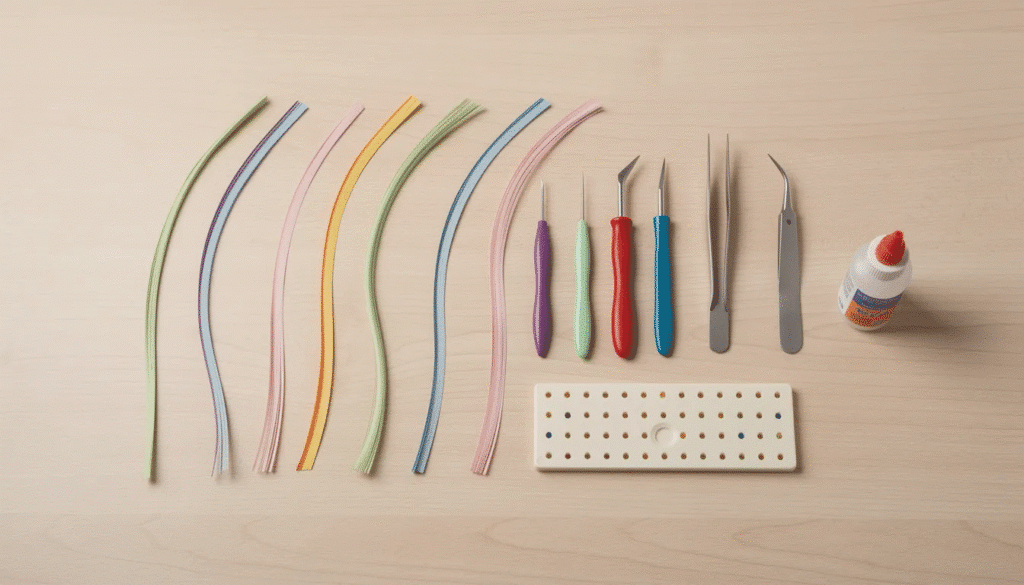
These are the minimum tools to start quilling comfortably at home. You don’t need to purchase everything at once—most quillers begin with a basic kit and add supplies as they go, and a comprehensive beginner’s guide to paper quilling art can help you turn these tools into finished projects. Buying a starter kit is often cheaper than purchasing individual tools, which can help beginners save on cost as they get started.
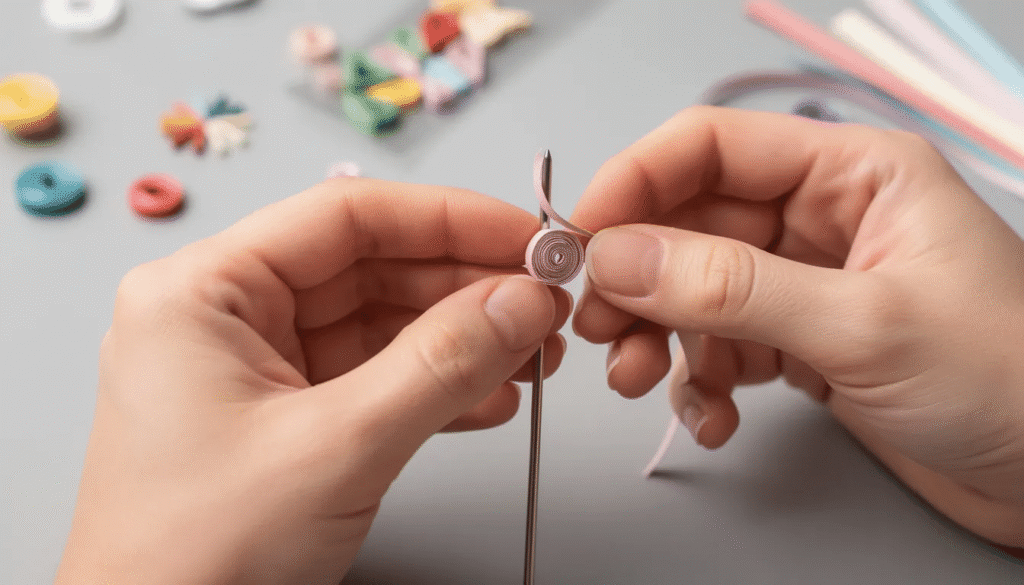
Slotted quilling tool
- Metal shaft with a fine slot at the tip and a plastic or rubber handle
- Insert the paper strip into the slot, then roll to create coils
- The slot holds the paper firmly while you wind, making it easier for beginners to keep tension even
- For example, to make a uniform coil, insert the end of a strip into the slot, roll it tightly, and then let it relax to the desired size before gluing the end
Needle tool
- Smooth metal shaft with no slot at the tip
- Produces smoother coil centers without the small crimp that slotted tools leave
- Requires more practice and control, but many experienced quillers prefer it for delicate designs
Quilling strips
- Pre-cut paper strips in common widths: 3mm, 5mm, 10mm, and wider for bold shapes
- Available in packs of different sizes and colors
- Quilling paper strips are available in various widths and lengths, and purchasing them pre-cut is recommended for convenience, especially for beginners.
- Precut quilling paper strips are recommended for beginners to save time and ensure uniformity in projects.
- You can also cut your own strips from A4 or US Letter paper using a ruler and craft knife, and it helps to understand the best types of paper for craft so your strips roll cleanly and hold their shape.
Glue
- Quick-drying PVA or craft glue in a fine-tip bottle
- Use only a tiny dot to avoid warping the paper or creating visible glue marks
- A precision tip or needle applicator helps control the amount
- Craft glue is essential for quilling; use glue that dries clear and has a fine tip for precision application. Craft glue should also be quick-drying for best results.
Scissors
- Small, sharp scissors for trimming strip ends and shaping petals
- Fine-tip blades work best for detailed cuts and fringed flowers
- Scissors are used occasionally in quilling to snip paper, although torn ends of quilling paper are preferred for a smoother result.
Tweezers
- Straight or angled tips for gripping tiny coils and positioning shapes
- Essential for protecting your designs while glue dries
- Help you place pieces accurately without smudging or bending
- Tweezers are considered an essential tool for quilling as they help secure coils and place shapes accurately without disturbing nearby elements.
- Fine-tip tweezers are crucial for handling delicate quilling components.
- Tweezers are important for securing the end of a freshly rolled coil and for arranging small elements in quilling projects.
A basic starter kit with these items typically costs between $15 and $50, depending on quality and the number of strips included.
Beginners can also benefit from taking a quilling course or following a tutorial to master basic techniques and learn how to use these tools effectively.
Quilling Paper and Strips: Understanding Your Base Material
In the quilling world, your choice of paper strips is the foundation for every project. Quilling strips come in a wide range of widths—from delicate 1/8 inch strips perfect for fine details, to bold 1-inch strips that make a statement in larger designs. You’ll find quilling paper available in packs of assorted colors, single-color rolls, and even specialty finishes, giving you endless creative possibilities. Most quilling strips are colored on one side and white on the other, which can add subtle shading effects to your quilled creations.
If you want to customize your palette or save money, you can cut your own strips from standard paper using a ruler and craft knife. Some quillers even experiment with wax paper or other specialty materials to achieve unique textures and effects. When cutting your own strips, pay attention to the widths and lengths to ensure consistency across your project.
The quality of your paper strips matters—a lot. High-quality quilling strips roll smoothly, hold their shape, and resist tearing, making your finished designs look crisp and professional. Investing in the best quilling strips you can find is a smart move, especially for projects you want to last. Whether you purchase pre-cut strips or create your own, choosing the right paper in the right sizes will set you up for success in every quilling project.
Slotted vs Needle Tools: How to Choose Your Main Quilling Tool
Most quillers settle on either a slotted tool or a needle tool as their go-to rolling instrument. Understanding the differences helps you pick the right one for your style.
Advantages of slotted tools:
- Easier for beginners because the slot grips the paper strip securely
- Good for teaching children or anyone new to the craft
- Creates consistent coils quickly with less hand fatigue
- Works well with standard strip widths from 3mm to 8mm
- Slotted quilling tools feature a small slot in the metal tip for rolling paper strips, making it simple to start the coil.
Disadvantages of slotted tools:
- Leaves a small crimp or fold in the center of each coil
- Some quillers find this less elegant for fine filigree work
- The slot can sometimes catch or tear thin or textured papers
Advantages of needle tools:
- Produces smooth coil centers without any visible crimp
- Better control for creating a tight coil or delicate shapes
- Preferred by experienced quillers for jewelry and detailed portraits
Disadvantages of needle tools:
- Steeper learning curve because the paper can slip while rolling
- Requires more practice to keep coils even and consistent
- Can cause more finger fatigue until you develop technique
Practical tip: Try both types for a few simple coils and see which feels more natural. For example, use a circle sizer ruler or a circle template board after rolling your coil to ensure all your flower petals are exactly the same size. Circle template boards help ensure consistency in size for quilling designs. Some quillers even prefer rolling with just their fingers for certain shapes. There’s no single “correct” choice—it comes down to what works for your hands and your projects.
Specialty Quilling Tools for Precision and Speed
Once you move beyond basic coils and simple cards, these optional tools open up new creative possibilities, especially when you pair them with top craft paper supplies for creative projects.
Quilling board (sizing board)
- Flat board with pre-marked circles in different sizes
- Drop your loose coil into a circle, let it expand to the marked size, then glue the end
- Essential for making flowers, mandalas, and patterns where all coils need to match
Quilling comb
- Metal teeth similar to a hair pick or fine-toothed comb
- Wrap strips around the teeth to create looped patterns, petals, and symmetrical shapes
- Great for making leaves, wings, and decorative borders
- The quilling comb is an amazing tool for creating a variety of shapes, especially leaves and grass, adding impressive versatility to your quilling projects.
- Having a clear plan for how you use the quilling comb and other specialty tools can help you achieve more intricate and organized designs.
- After experimenting with different techniques, I realized just how useful the quilling comb can be for expanding creative options in paper quilling.
Curling coach or circle guide
- Fits around your slotted tool to support your fingers
- Keeps coils even and reduces fatigue during long sessions
- Especially helpful when you need to roll dozens of identical shapes
Crimping tools
- Small hand tools with geared wheels that create zig-zag texture in strips before rolling
- Add dimension and visual interest to borders, petals, and textured flowers
- The crimped paper has a spring-like quality that holds its shape well
Border buddy or cone-shaped mandrel set
- Graduated pegs or cones in different sizes
- Form evenly sized 3D shapes like domes, bells, and miniature baskets
- Useful for jewelry, ornaments, and sculptural quilled creations
- Electric quilling tools are also available; they can reduce hand strain and save time when rolling coils, making them a valuable addition for frequent quillers.
Specialty tools are an investment, but they last for years if you store them properly. Consider which projects excite you most before you spend money on extras.
Quilling Comb: Adding Texture and Dimension
The quilling comb is one of those quilling tools that opens up a whole new world of creative possibilities. With its evenly spaced metal teeth, the quilling comb lets you bend and loop paper strips into intricate patterns, adding texture and dimension to your designs. It’s especially popular for making fringed flowers, delicate petals, and dramatic borders that stand out from the page.
To use a quilling comb, simply weave your paper strip in and out of the comb’s teeth, then secure the loops with a dab of glue. You can create everything from tight, uniform coils to loose, flowing curves, depending on how you wrap and space the paper. The quilling comb works beautifully alongside your slotted tool or needle tool, allowing you to combine different techniques in a single project.
With a bit of practice, you’ll find the quilling comb is indispensable for adding depth and visual interest to your quilled creations. Whether you’re crafting flowers, leaves, or abstract shapes, this tool helps you achieve effects that are difficult to replicate by hand. If you’re looking to take your quilling to the next level, the quilling comb is a must-have addition to your toolkit.
Cutting, Measuring, and Glue-Handling Accessories
Clean cuts and accurate measurements make your designs look professional and easier to assemble. These accessories support your main tools and keep your workspace tidy.
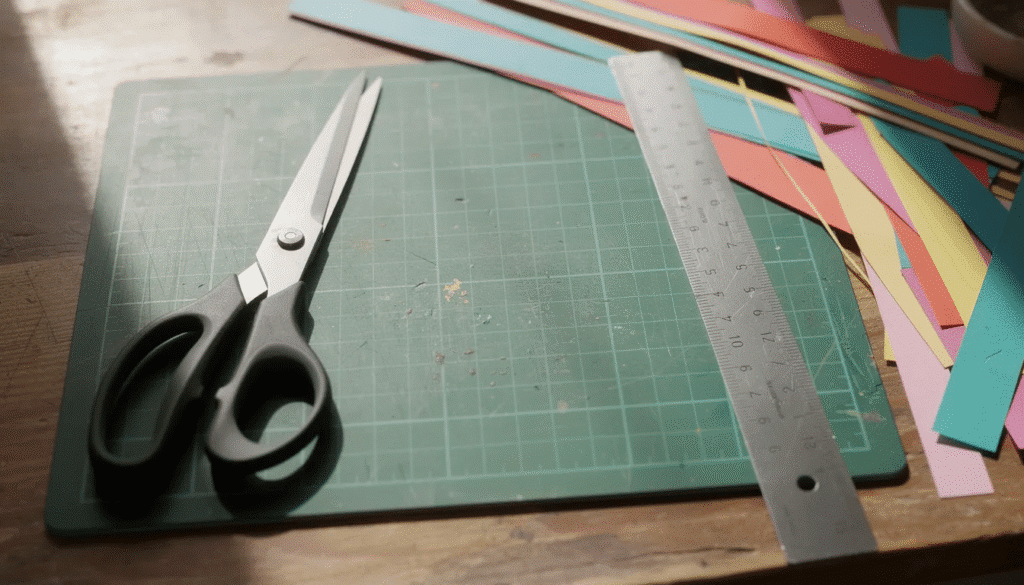
- Fine-tip scissors: Small, sharp blades for trimming paper ends, cutting fringes, and shaping petals or leaves
- Craft knife and metal ruler: For cutting your own strips from colored cardstock or specialty papers to precise widths like 3mm or 5mm
- Self-healing cutting mat: Protects your work surface and keeps measurements accurate over time
- Precision glue bottles: Fine tips, pin caps, or needle applicators for tiny dots of glue on coil edges. A precision tip glue applicator applies tiny, precise beads of glue required for delicate edges.
- Damp sponge or silicone mat: Rest glue-tipped tools here for easy wipe-up and to prevent mess on your designs; these same tools also come in handy when you branch into tissue paper flowers for any occasion.
- Pins and a cork board or foam board: Pin shapes in place while glue dries for larger compositions and framed pieces. Using a corkboard and pins is helpful for assembling quilled pieces, allowing for easy manipulation and arrangement of elements. Cork boards are useful for assembling small quilled pieces into larger designs, as they allow for easy pinning and repositioning. Cork boards are also useful for assembling small pieces into larger elements in quilling.
- Wax paper: Place under your work to prevent pieces from sticking to your board while the glue sets. Wax paper is used as a non-stick surface, so glue doesn’t stick to it, making it useful for working on or transferring projects.
Glue is a crucial element in quilling, as it is needed to secure the rolled paper strips in place.
When you cut your own strips, use acid-free paper that’s colored throughout rather than surface-dyed. This prevents fading and ensures your quilled creations stay vibrant for years, and similar principles apply when choosing materials for crepe paper flowers DIY projects.
Quilling Boards: Shaping and Sizing with Accuracy
For quillers who want precision and consistency, a quilling board is an essential tool. These boards, often made from cork board or sturdy cardboard, feature a series of slots and circles in different sizes. By placing your paper coil into a specific circle or slot, you can ensure that each shape you create is perfectly uniform—ideal for flowers, mandalas, and any design where symmetry matters.
Using a quilling board is simple: after rolling your coil, drop it into the desired circle and let it expand to fill the space. The board holds the coil in place while you glue the end, resulting in neat, even shapes every time. Some boards also include slots for shaping teardrops, marquises, and other classic quilling forms.
Whether you’re working on a single flower or a complex pattern, a quilling board helps you create with confidence. Customizing your own board from cork or foam is easy and inexpensive, and it’s a great way to keep your coils and shapes consistent throughout your project. For anyone serious about quilling, this tool is a game-changer for accuracy and professional results.
Comfort, Safety, and Storage for Your Quilling Tools
Comfortable, organized tools make longer quilling sessions more enjoyable and safer for everyone in your household.
Ergonomic handles
- Look for slotted and needle tools with soft grips or thicker handles
- These reduce hand strain and help users with joint issues or arthritis
- Some brands offer cushioned handles that stand upright on your desk
Safety considerations
- Keep protective caps or covers on sharp tools like needles, craft knives, and fine scissors
- Store sharp items out of reach if children are nearby
- Use a firm grip when cutting with a craft knife to avoid slipping
Storage solutions
- Small storage boxes or divided organizers keep tools and strips sorted by width and color
- Resealable bags or labeled envelopes prevent pre-cut strips from tangling and fading from light
- A simple ring binder with clear pockets works well for organizing quilling strips by shade
On-the-go quilling kits
- Compact cases that hold one slotted tool, a few strips, tweezers, and a tiny glue bottle
- Perfect for crafting while traveling, waiting at appointments, or attending workshops
- Look for cases with elastic loops or foam inserts that keep tools firmly in place
Keeping your supplies organized saves time and protects your investment. You’ll spend less energy searching for the right color or tool and more time creating.
Quilling Tool Maintenance: Keeping Your Supplies in Top Shape
Taking care of your quilling tools is key to ensuring they last and perform at their best. After each session, gently wipe down your slotted tool and needle tool to remove any glue or paper residue. Store your tools in a dry, cool place to prevent rust or warping, and always handle them with care—especially the delicate tips, which can bend if dropped or misused.
Avoid using your slotted tool or needle tool to cut or tear paper, as this can damage the fine metal and affect your ability to create smooth coils. Instead, use sharp scissors or a craft knife for cutting strips. Regularly inspect your tools for signs of wear, such as bent tips or loose handles, and replace them if needed to maintain the highest quality results.
With a little patience and practice, you’ll develop a routine for keeping your quilling tools in top shape. Proper maintenance not only extends the life of your supplies but also ensures that every quilled creation you make is as beautiful and precise as possible. Treat your tools well, and they’ll help you bring your creative visions to life for years to come.
Upgrading Your Quilling Toolkit Over Time
Quillers often start with a simple set and gradually add tools as their projects become more complex. There’s no need to purchase the highest quality tools all at once—building your collection over time is part of the fun.
Suggested upgrade order:
- Start with a basic slotted tool, paper strips, glue, and scissors
- Add tweezers and a sizing board for consistent coil shapes
- Invest in a quilling comb or crimper when you’re ready for textured flowers and complex patterns
- Consider a needle tool once you want smoother coil centers for jewelry or detailed portraits
- Finally, add specialty mandrels and 3D shaping tools for sculptural work
Tips for smart purchasing:
- Buying a set of tools is often cheaper than purchasing each item individually, especially for beginners.
- Consider the cost of specialty tools like fringing scissors or crimpers; while they may be more expensive, they can save time and effort for frequent or advanced quillers.
- Base new tool purchases on actual project needs rather than impulse
- Quality tools usually last for years if cleaned and stored properly
- Experiment with different brands and handle shapes at workshops or local craft groups before buying multiple versions
- Check tutorial videos and blog posts from experienced quillers to see which tools they recommend for specific techniques
- As you upgrade your toolkit, consider taking a course or following advanced tutorials to master new techniques
Building a personalized quilling toolkit takes patience, but the process is rewarding. Every new tool you add expands what you can create. Start with the basics, practice consistently, and let your projects guide your next investment. As you upgrade your toolkit and skills, you can expect to tackle more complex designs and achieve more professional results. Before long, you’ll have a collection that fits your hands, your style, and your creative vision perfectly.
If you’re just getting started or excited to try a new technique, grab a few inexpensive supplies and give quilling a fair try. You might be amazed at what you can create with strips of paper and a simple tool in your fingers. Drop a comment below sharing your favorite quilling tool or a project you’re working on—we’d be glad to hear from you.