
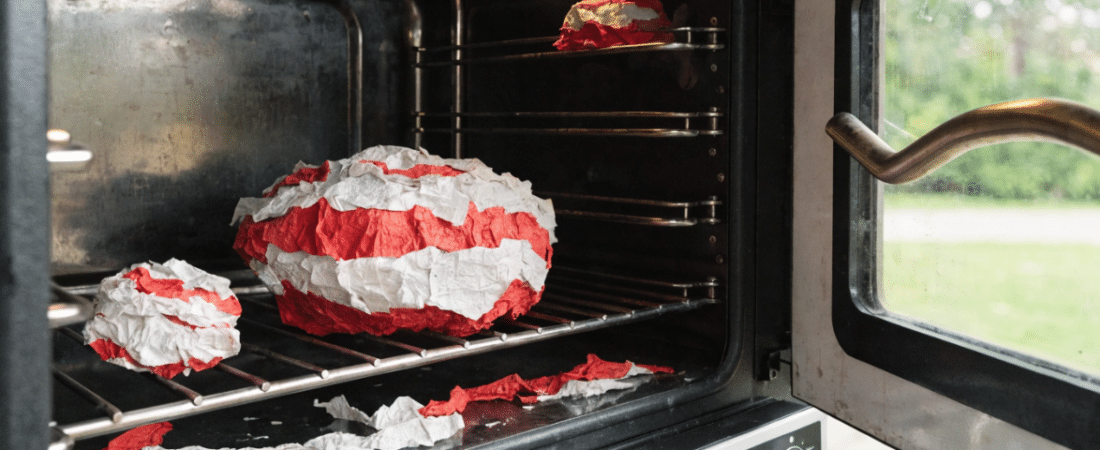
Waiting 24 to 48 hours for paper mache to air dry can feel like an eternity when you’re working on various projects with tight deadlines. The good news? Your kitchen oven can cut that drying time down to under two hours—if you know how to use it properly. This guide walks you through every step of drying paper mache in the oven, from preparation to troubleshooting, so your final product comes out hard, smooth, and ready for paint.
- Quick answer: can you dry paper mache in the oven?
- What you need before using the oven
- Step-by-step: how to dry paper mache in the oven
- Best oven temperature and time for different paper mache projects
- Safety tips when drying paper mache in the oven
- Preventing warping, cracking, and burning in the oven
- Alternatives to oven drying (when you shouldn’t use heat)
- How to know when oven-dried paper mache is fully cured and ready to paint
- Troubleshooting: fixing common oven-drying mistakes
- Key takeaways
Quick answer: can you dry paper mache in the oven?
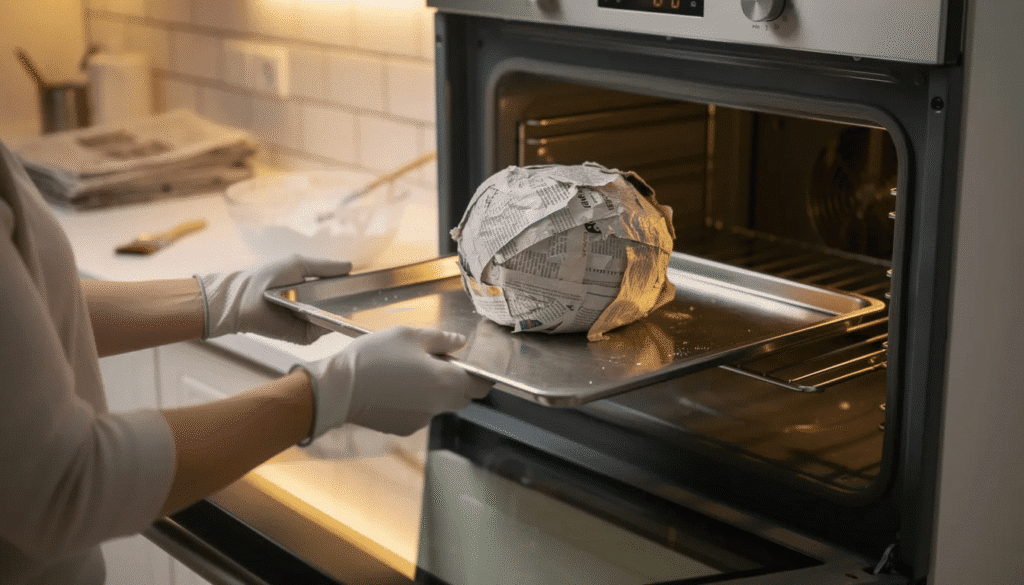
Yes, you can dry paper mache in a conventional oven, but you need to do it carefully with close monitoring. This isn’t a set-it-and-forget-it method.
You can safely speed up paper mache drying by using your oven at a very low temperature, typically around 170–200°F (75–95°C). At this heat level, moisture evaporates from the paper strips and paste without scorching the organic materials or causing the glue to bubble.
Here’s what to expect for drying time:
Project Type | Approximate Oven Time |
|---|---|
Thin, flat ornaments (1-2 layers) | 30–45 minutes |
Small bowls or masks (2-4 layers) | 60–90 minutes |
Thick sculptures or props | 1–3 hours with breaks |
The critical safety rule: never use high heat or leave your project unattended. Paper is flammable, and flour-based paste can brown or even burn at temperatures above 200°F. If you smell anything off or see discoloration, remove your piece immediately. | |
The rest of this article covers the step-by-step drying process, ideal temperature ranges for different project sizes, alternatives when oven drying isn’t appropriate, and how to fix common mistakes if things don’t go perfectly the first time. |
What you need before using the oven
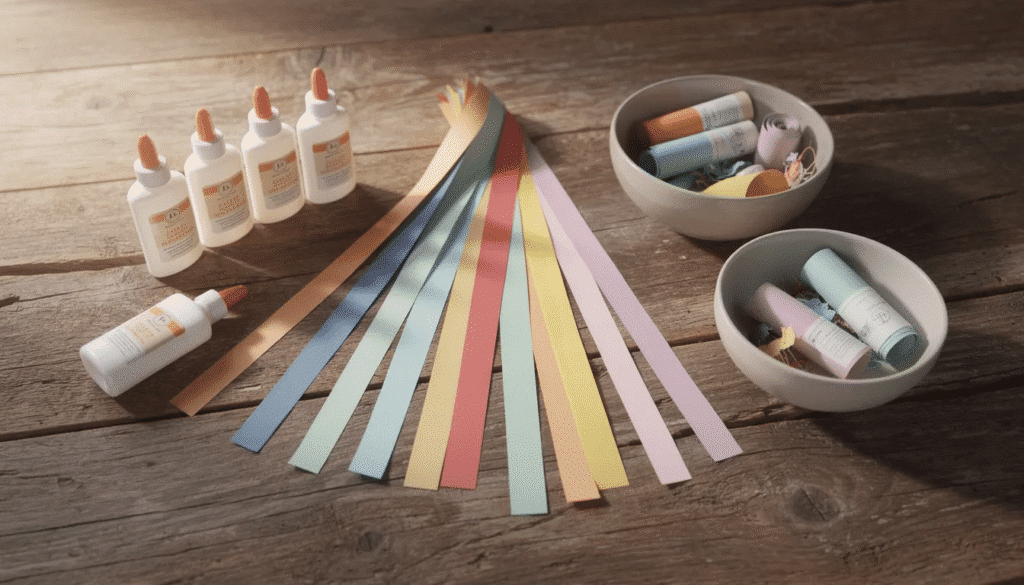
Before you place your wet paper mache creation in the oven, gather your materials and complete a few preparation steps. This checklist ensures you won’t run into problems mid-process.
Tools and equipment
- Household oven with an accurate thermostat (consider using an oven thermometer if yours runs hot or cold)
- Metal baking tray or sheet pan
- Wire rack (recommended: a wire rack should be used inside the oven to ensure even air circulation around the paper mache project)
- Parchment paper or aluminum foil to line the tray
- Oven mitts for safe handling
- Timer to track intervals
Project requirements
- The form should be fully shaped and no longer in the wet construction phase
- Wipe off any excess paste or glue puddles on the surface
- Ideally, build with thin layers rather than one thick layer—aim for 1–3 separate applications
- Make sure the piece isn’t dripping or overly saturated
Adhesive considerations
The type of adhesive you used affects how well your project handles oven heat:
- PVA glue or white glue: Handles oven drying well, creates a slightly harder surface
- Wood glue mixtures: Dry approximately 30–50% faster than flour paste due to lower water retention
- Wallpaper paste: Works fine at low temperature settings
- Flour paste: Can brown more easily than synthetic adhesives—use the lower end of the temperature range (170°F)
If your project uses a starch-based paste mixed with flour, monitor more closely for any color changes during the drying process.
Armature and mold safety
This is where people often make mistakes:
- Remove plastic armatures before baking. Cheap balloons, plastic bags, and thin plastic containers will melt or warp in even low oven heat.
- Only use heat-safe molds that can stay inside with your project. Ceramic bowls, metal mixing bowls, and thick glass rated for oven use are all fine.
- Never put styrofoam, polystyrene, or foam craft balls in the oven—they release toxic fumes and melt.
- Remove any masking or duct tape before oven drying, as the adhesive can melt and release fumes.
- If you used a balloon as an armature, deflate and remove it once the outer shell is firm enough to hold its shape, as balloons can pop in the oven.
Step-by-step: how to dry paper mache in the oven
This is the main method most readers will follow. Once you’ve prepped your materials and confirmed your armature is oven-safe, you’re ready to begin.
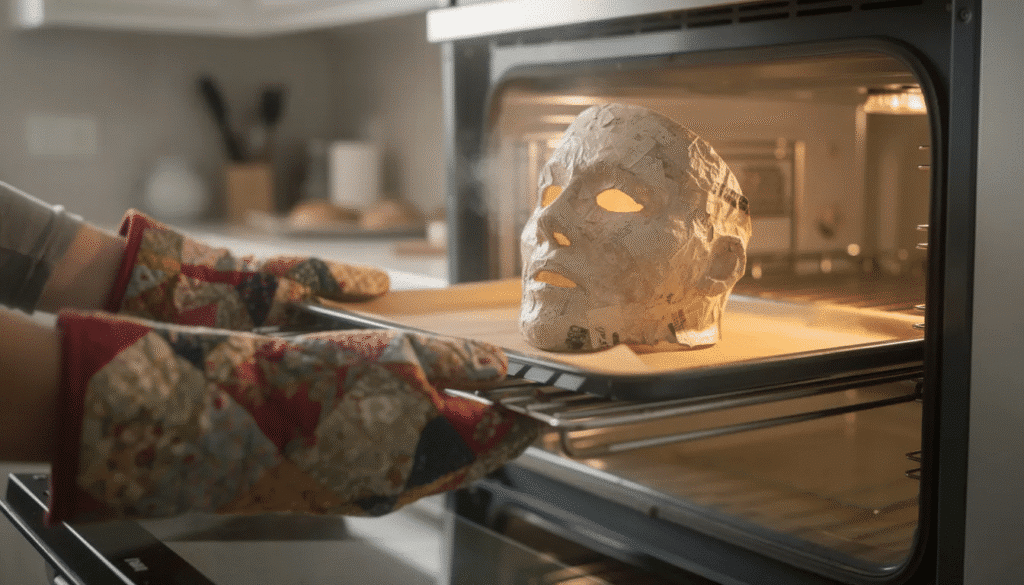
- Step 1: Preheat to the right temperature: Set your oven to 170–200°F (approximately 75–95°C). Never go higher than 200°F for drying paper mache. If your oven’s lowest setting is 200°F, that’s acceptable—just monitor more frequently.Allow the oven to fully preheat before placing your project inside. An inconsistent temperature at the start can cause uneven drying.
- Step 2: Prepare the baking tray: Line your metal baking tray with parchment paper or aluminum foil. This prevents any adhesive residue from getting on your pan.For better air circulation around your piece:
- Place a wire rack on the tray and set your project on top. A wire rack should be used inside the oven to ensure even air circulation around the paper mache project.
- Alternatively, create a ring from crumpled aluminum foil to elevate the piece slightly.
- This allows heat to reach the underside of bowls, masks, and sculptural forms.
- Step 3: Position in the oven: Place the tray on the middle rack of your oven. Avoid positioning too close to the top or bottom heating elements, where temperature fluctuates more dramatically.Here’s an important technique: crack the oven door open slightly—about an inch or two. Keeping the oven door slightly ajar allows moisture to escape and prevents fumes from building up. Trapped humidity slows down the drying process and can create uneven results.
- Step 4: Follow the timing schedule
- Initial phase: Bake for 20–30 minutes without opening the door fully.
- Check intervals: After the first phase, check every 10–15 minutes.
- Rotate: Turn the piece 90 degrees each time you check to ensure even heat exposure on all sides.
- Step 5: Test for dryness: Use the touch test to determine if your paper mache is ready:
- The surface should feel room-temperature and firm, not cool or tacky.
- Thicker areas may feel slightly cool longer—this is normal.
- Tap the surface lightly; a fully dry piece sounds hollow and crisp.
- If it still feels damp or cool to the touch, continue with another 10–15 minute interval.
- Step 6: Cool down gradually: After 45–60 minutes of active oven time, turn off the oven but leave the project inside. Let it sit in the warm (but off) oven for another 30–60 minutes. This gradual cooling helps the interior moisture continue to escape without thermal shock that could cause cracking.
- Step 7: Final air dryingMove the project to a room-temperature area for at least a few hours before painting or sealing. Even if the surface feels completely dry, internal moisture needs time to migrate outward. Rushing to paint at this stage can trap moisture and lead to problems later.
Best oven temperature and time for different paper mache projects
Size, the number of layers, and your choice of adhesive all affect how long oven drying takes. If you’re still deciding what to make, exploring creative paper mache project ideas can help you match your design to a realistic drying schedule. Here’s a breakdown by project type to help you plan your time.
Quick Reference Table:
Project Type | Temperature (°F) | Time | Notes |
|---|---|---|---|
Small, flat items | 170–180 | 30–45 minutes | Check every 15 min after first 20 min |
Medium (masks, bowls) | 175–190 | 60–90 minutes | Check every 15 min, rotate each time, keep on mold |
Thick sculptural pieces | 170–180 | Several cycles | 40–60 min per cycle, alternate with cool-down and ambient drying |
Or, as bullet points:
- Small, flat items (1–2 layers, 5–10 cm across):
- Temperature: 170–180°F
- Time: 30–45 minutes total
- Intervals: Check every 15 minutes after the first 20 minutes
- Medium projects (masks and bowls, 2–4 layers):
- Temperature: 175–190°F
- Time: 60–90 minutes
- Intervals: Check every 15 minutes, rotating each time
- Keep on the mold for support
- Thick sculptural pieces (multi-layer, large props):
- Temperature: 170–180°F
- Time: Several cycles required (40–60 minutes in the oven, then full cool-down to room temperature, then repeat once or twice)
- Alternate oven sessions with several hours of ambient drying
For very thick papier mâché projects, alternating oven sessions with several hours of ambient drying prevents the outer surface from over-drying while the interior stays wet.
Adhesive impact
If you used a strong wood glue or PVA glue mix, the outer layer may “skin over” and feel dry faster than the interior actually is. Don’t be fooled—give extra time for deep layers to cure even when the surface seems ready.
Environmental factors
Your local humidity matters more than you might expect:
- High humidity (summer in humid climates, rainy days): Rely more heavily on oven time rather than ambient drying between cycles
- Dry winter conditions: You may need less oven time overall, as the air already wicks moisture efficiently
- Consistency matters: If your home fluctuates between humid and dry, the oven provides more predictable results than air drying alone
Safety tips when drying paper mache in the oven
Oven drying paper mache involves real fire and scorching risks if you rush the process. Take these precautions seriously.
Temperature limits
- Never exceed 200°F (93°C) for any paper mache project
- When uncertain about thickness or materials, default to 170–180°F
- Paper begins decomposing (pyrolysis) above 250°C, but browning and structural damage occur well before that temperature
Avoid dangerous heat modes
- Do not use the broil, grill, or convection roast settings
- Gas ovens with direct flame modes are riskier than electric ovens—if using gas, keep the temperature at the lower end and monitor constantly
- Avoid fan-assisted convection at high speed, which can create hot spots
Stay in the kitchen
This is non-negotiable: remain in the kitchen while your project is in the oven. Check by sight and smell for:
- Any browning or darkening of edges
- Smoke or unusual odors
- Warping or bubbling
If you notice any of these signs, remove the piece immediately, let it cool, and either discontinue oven drying or reduce the temperature further.
Armature restrictions
Never put these materials in the oven, even at low temperature:
- Plastic containers or cheap plastic molds
- Styrofoam or polystyrene forms
- Low-melting foam craft balls
- Balloons (remove before baking; if you used a balloon as an armature, deflate and remove it once the outer shell is firm enough to hold its shape, as balloons can pop in the oven)
Safe armature materials include plaster, ceramic, metal, and oven-rated glass.
Handling hot projects
- Place the tray on a stable, heat-proof surface when removing from the oven
- Do not touch the paper mache directly while hot—the heat can cause warping if you press on soft spots
- Let the piece cool on the tray before moving it to another location
Keep craft supplies separate
Consider designating a baking sheet specifically for craft projects. Glue and paste residue can be difficult to clean completely, and you don’t want adhesive contamination near food preparation.
Preventing warping, cracking, and burning in the oven
Even with proper technique, things can go wrong. This section helps you avoid the three most common oven-drying problems.
Preventing warping
Warping occurs when different parts of your project dry at different rates, causing uneven shrinkage.
- Build multiple thin layers instead of one thick application
- Dry masks and bowls on their molds—keep them sitting on the ceramic or metal form throughout the oven process for structural support
- Avoid removing the piece while hot—let it cool completely in shape before handling
- Use consistent layer thickness across the entire sculpture
Preventing cracking
Cracks form when the outer surface dries and shrinks faster than the interior, creating tension.
- Keep individual layers under 3–4 mm thick
- Let earlier layers partially air dry before applying the next coat and before baking
- Use glue-based paste rather than thick flour paste—PVA glue creates a more flexible dried structure
- Don’t rush the temperature; low and slow prevents surface “skinning” over wet interior
Preventing burning or browning
Browning typically happens at edges, thin spots, or areas closest to heating elements.
To prevent it:
- Lower the oven to 170°F if you see any discoloration
- Move the piece farther from the top or bottom elements (middle rack is safest)
- Create a loose foil tent over the top if edges begin to darken
- Use shorter intervals with more frequent checks
Rotation technique
- Flat projects: Flip halfway through the total oven time
- Sculptural pieces: Rotate 90 degrees at each check interval
- Masks and bowls: Rotate on their mold without removing them
The alternating method
For very thick or dense areas, alternate oven sessions with several hours of room-temperature drying. This allows internal moisture to migrate to the surface gradually, rather than trying to force it out all at once with heat.
Alternatives to oven drying (when you shouldn’t use heat)
Some projects and materials work better with air drying or fan-assisted methods, especially if you’re experimenting with creative uses of paper mache in art and decor. Here’s when to skip the oven and what to do instead.
When to avoid the oven
- Pieces built over plastic balls or balloons that haven’t been removed
- Projects using polystyrene or foam forms
- Paper with metallic foil details that may discolor
- Extra-large sculptures that don’t fit safely in your oven
- When you simply don’t want the extra cost of running your oven for hours
- If you used a balloon as an armature, deflate and remove it once the outer shell is firm enough to hold its shape, as balloons can pop in the oven
Fan drying
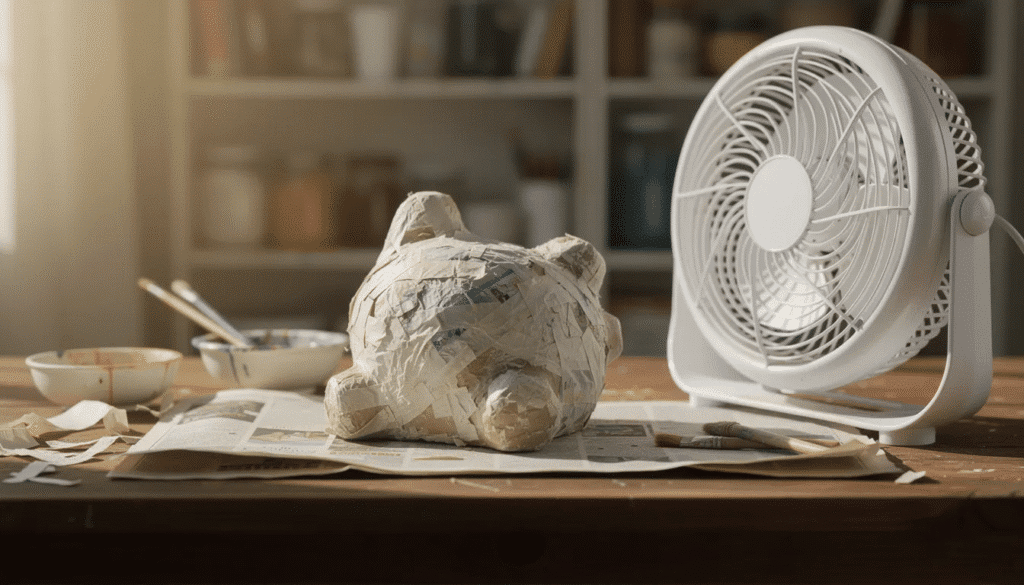
A box fan or desk fan placed 30–60 cm away from your project provides excellent air circulation without any heat risk.
- Position the fan to blow across the surface, not directly at one spot
- Rotate the item every hour or so for even drying
- Works especially well in combination with low humidity environments
- Drying time: faster than still air, but still expect 12–24 hours for most projects
Sun drying
Placing your paper mache in natural sun can speed up drying, but with caveats:
- Works best on mild spring or autumn days with gentle warmth
- Avoid leaving projects under direct, intense midsummer sun for hours—rapid surface drying can cause cracking
- Bring projects inside if humidity rises or if rain threatens
Hair dryer or blow dryer method
A hair dryer on its low setting offers targeted drying for specific areas:
- Keep the dryer moving, at least 20–30 cm away from the surface
- Never hold it in one spot—constant movement prevents bubbling or scorching
- Useful for touch-ups or stubborn damp spots after partial oven drying
- Time-intensive for full projects, but offers precise control
Heat gun (use with caution)
Heat guns get much hotter than hair dryers. If you use one:
- Set to the lowest heat setting available
- Maintain at least 30 cm distance
- Keep it moving constantly
- Best for experienced crafters only
Hybrid approach
Many experienced papier mache artists combine methods:
- Partial oven drying (30–45 minutes) to form an outer “skin”
- Fan drying for several hours to finish off deep moisture more gently
- Final check with touch test before painting
This approach balances speed with safety, especially for thicker sculptures that might crack under prolonged oven heat.
How to know when oven-dried paper mache is fully cured and ready to paint
There’s an important difference between “surface dry” and “fully cured.” Just because the outside feels firm doesn’t mean the inside is ready for paint or varnish, or for adding layers made from specialized craft papers and supplies.
The feel test
A properly cured piece should be:
- Uniformly room-temperature across all areas—no cool spots at thicker sections
- Firm to the touch without any give or sponginess
- Completely matte in appearance, not shiny or damp-looking
The tap test
Lightly tap the surface with your fingernail:
- A fully dry piece sounds hollow and crisp
- A still-wet interior sounds dull and muffled
- Pay special attention to the thickest areas of your sculpture
The waiting period
Even after your project passes the touch and tap tests, wait an extra 6–12 hours before sealing with gesso, acrylic primer, or varnish. This is especially important for:
- Thicker masks and props with more layers
- Pieces made with flour paste (which holds moisture longer)
- Projects dried in humid conditions
The drill test (for thick sculptures)
If you’re genuinely unsure about a very thick sculpture:
- Gently drill or pierce a small amount into a hidden area (the base or back)
- Examine the dust that comes out
- Dry and powdery = fully cured
- Gummy or sticky = needs more time
Why this matters
Painting or sealing too soon traps moisture inside the structure. This can cause:
- Mold growth developing weeks later
- Soft spots under the painted surface
- Paint peeling or bubbling
- Musty odors that indicate hidden dampness
When in doubt, give it more time. A few extra hours of patience saves you from having to redo the entire project.
Troubleshooting: fixing common oven-drying mistakes
If your project already shows some damage, don’t throw it away. Many problems are fixable with the right technique, and browsing a broader paper crafting inspiration gallery can also spark ideas for how to adapt or embellish a piece you thought was ruined.
Slightly browned surfaces
If edges or thin areas turned light brown but didn’t burn:
- Let the piece cool completely
- Sand lightly with fine-grit sandpaper (220 grit works well)
- Apply a fresh thin layer of paper mache or brush on gesso
- Air dry this repair layer (don’t risk more browning in the oven)
- The paint layer will hide any remaining discoloration
Minor cracks
Small cracks are common and easy to fix, especially if you’ve chosen the right types of paper for crafting:
- Cut a narrow strip of paper towel or thin paper
- Mix a small amount of PVA glue with water to make a thin paste
- Work the strip into the crack with your fingers or a small brush
- Smooth down the edges
- Air dry, or gently re-bake at 170°F for 15–20 minutes
For deeper cracks, you may need to repeat this process 2–3 times with multiple thin layers.
Warped masks or bowls
If your mask or bowl warped out of shape during drying:
- Preheat your oven to 170°F
- Place the warped piece back on its original ceramic or metal mold
- Gently strap or tape the edges down (masking tape works fine)
- Warm for 15–20 minutes until the paper becomes slightly more pliable
- Let it cool completely while strapped to the form
- The shape should gradually return to the mold’s contour
Soft interior despite long baking
If the outside is hard but the inside still feels damp or cool:
- Do not add more oven time—this risks burning the dry exterior
- Drill a small hidden vent hole (in the base or back) to let moisture escape
- Position a fan to blow across the vent hole
- Allow several hours of fan drying
- Check again with the tap test
When to start over
Some damage is beyond repair. Consider discarding the project and starting fresh if:
- You smell a strong burnt odor that doesn’t fade
- Deep charring is visible (not just surface browning)
- The structure has become brittle and crumbles when handled
- Large sections have warped beyond recognition
Take notes on what went wrong—lower heat, shorter intervals, and thinner layers will prevent the same issues on your next attempt.
Key takeaways
- You can dry paper mache in the oven at 170–200°F, cutting drying time from 24–48 hours down to 1–2 hours
- Small, thin projects dry in 30–45 minutes; thick sculptures need multiple cycles with cool-down breaks
- Always use heat-safe molds (ceramic, metal, oven-rated glass) and remove plastic armatures before baking
- Remove any masking or duct tape before oven drying, as the adhesive can melt and release fumes
- If you used a balloon as an armature, deflate and remove it once the outer shell is firm enough to hold its shape, as balloons can pop in the oven
- Monitor constantly, rotate your piece at each interval, and crack the oven door for moisture escape (which also prevents fumes from building up)
- Wait 6–12 hours after oven drying before painting to ensure full interior curing
- Minor browning, cracks, and warping are all fixable with patience and the right technique
With these methods in your crafting toolkit, you can tackle time-sensitive projects—whether that’s last-minute Halloween masks, classroom art assignments, or inspiration for a weekend sculpture session. The oven gives you speed; careful technique ensures your finished piece looks exactly the way you envisioned it.
Now grab your next paper mache creation and give oven drying a try. Start with a small test piece if you’re nervous, and you’ll quickly gain confidence in the process.