
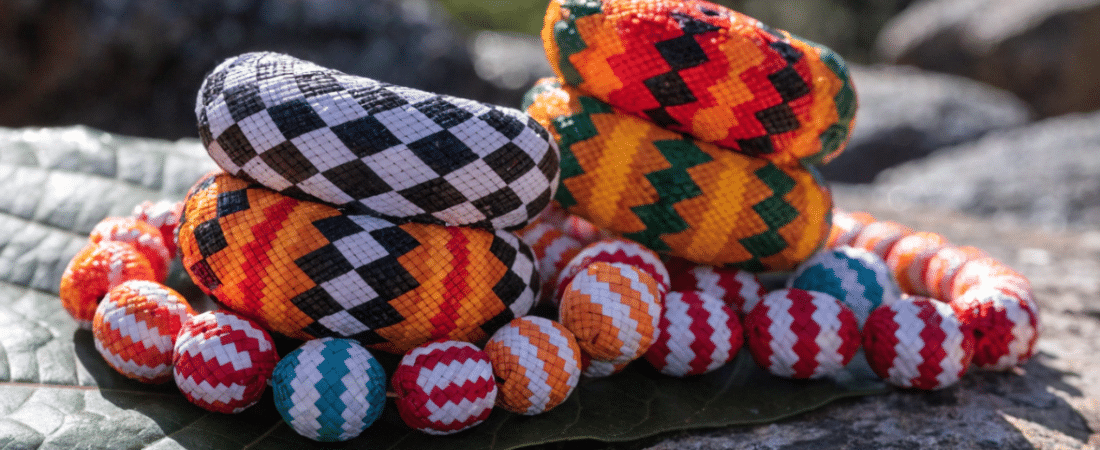
African paper beads have captured the attention of jewelry lovers and ethical shoppers around the world. These vibrant, lightweight beads are hand rolled from recycled paper by women artisans across East Africa, particularly in Uganda and Kenya. This guide is for jewelry makers, craft enthusiasts, teachers, and anyone interested in sustainable, handmade art from Africa. African paper beads are not only beautiful but also support environmental sustainability and empower women artisans in East Africa. What makes them special goes beyond their striking colors—each bead represents a commitment to sustainability, community empowerment, and creative transformation. In this guide, you’ll learn the history and cultural significance of these beads, discover how they’re made, explore ways to use them in your own crafts, and find out how your purchase can directly support artisan families.
What are African Paper Beads?
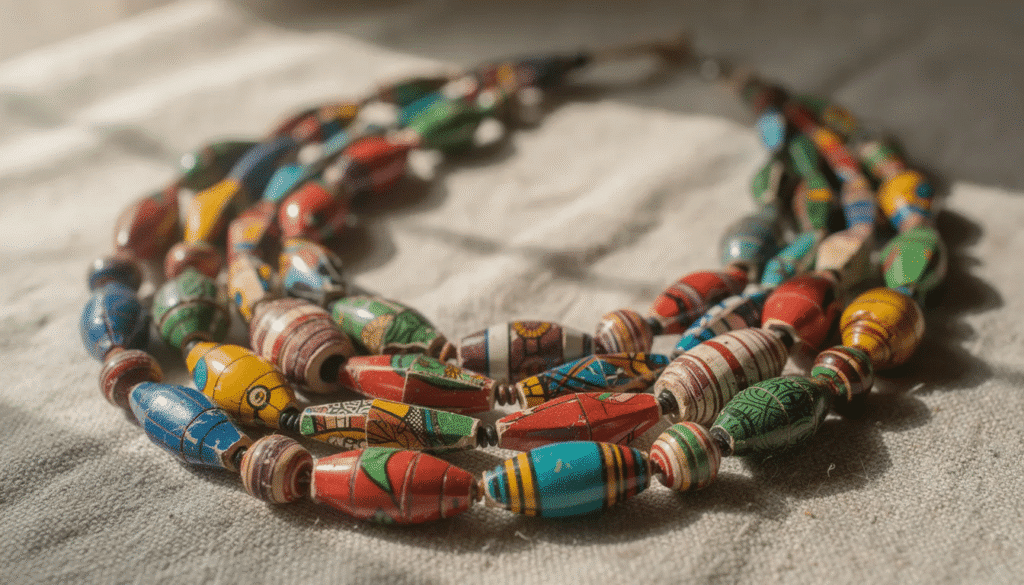
African paper beads are eco-friendly, handcrafted items made by rolling recycled paper into tight strips, sealing them with glue, and applying varnish for durability. Each bead is hand rolled from a triangle of paper, and the width of the base determines the width of the bead, while the length determines its thickness. Once dried, the beads are dipped in a clear, water-resistant varnish to add shine and durability.
- Main Uses & Significance of African Paper Beads
- History & Origins of African Paper Beads
- Cultural & Social Impact in East Africa
- Materials & Techniques: How African Paper Beads Are Made
- Design Styles & Common Uses
- Fair Trade, Sustainability & Community Support
- How to Make African-Style Paper Beads at Home
- Buying Authentic African Paper Beads & Jewelry
- Caring for Your African Paper Beads
- Educational & Craft Project Ideas
- Conclusion: Why African Paper Beads Matter
Main Uses & Significance of African Paper Beads
African paper beads are used to create eco-friendly items such as statement necklaces, bracelets, earrings, and home decor. The use of recycled paper reflects a deep connection to conservation and sustainability, turning waste into art. The modern paper bead industry emerged as a powerful tool for economic empowerment and environmental sustainability in Africa, providing a vital income source for women.
History & Origins of African Paper Beads
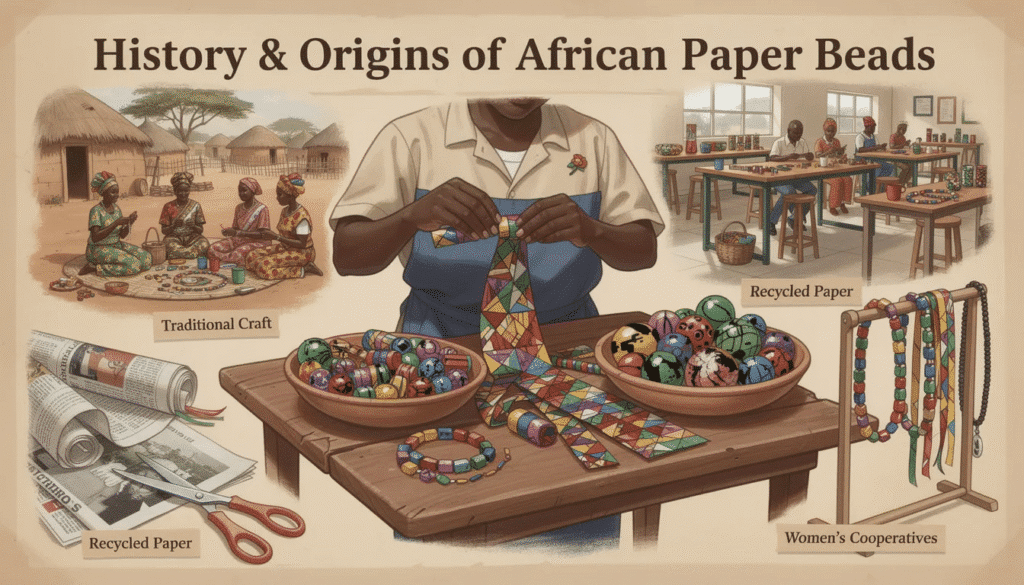
The creation of paper beads is a meticulous, labor-intensive, and often communal art form, particularly in East Africa. Paper bead making provides a vital income source for women, allowing them to support their families and gain financial independence.
The paper bead tradition in Africa traces back to at least the 1930s, though the craft truly flourished in the late 20th century. While paper beads as a general concept existed during the Victorian era in Western countries, the African revival took on a distinctly different character—one focused on recycling discarded magazines and creating sustainable livelihoods for women.
Modern African paper bead production is strongly linked to Uganda, where communities such as Ndejje near Kampala emerged as important production hubs from the 1990s onward. The craft grew alongside missionary schools, women’s church groups, and outreach Uganda initiatives that encouraged income-generating activities. By the 2000s, fair-trade organizations had begun connecting these artisans to international markets, sparking what many call the “fair-trade bead boom.”
Key Milestones in African Paper Bead History:
Decade | Development |
|---|---|
1930s | Early documented paper bead production in East Africa |
1960s–70s | Women’s groups in churches begin organizing craft production |
1990s | NGOs and foundations establish formal artisan cooperatives |
2000s | Fair-trade movement connects Ugandan paper beads to global markets |
Cultural & Social Impact in East Africa
Uganda and Kenya became central to the modern paper bead movement for practical and cultural reasons. Many bead-making groups operate in informal settlements around Kampala, Jinja, and Nairobi—areas where women often lacked stable income before joining cooperatives.
The economic impact of paper bead production extends far beyond individual earnings. Artisans use their income to:
- Pay school fees for their children
- Cover medical bills and healthcare costs
- Pay rent and secure stable housing
- Invest in small farms, shops, or other family businesses
Organizations like BeadforLife have documented how this craft transforms lives. Figures like Sanaa Gateja, known as the “Bead King” of Uganda, have elevated paper bead arts to recognized professional practice, demonstrating that this craft can build careers and reputations beyond subsistence-level income.
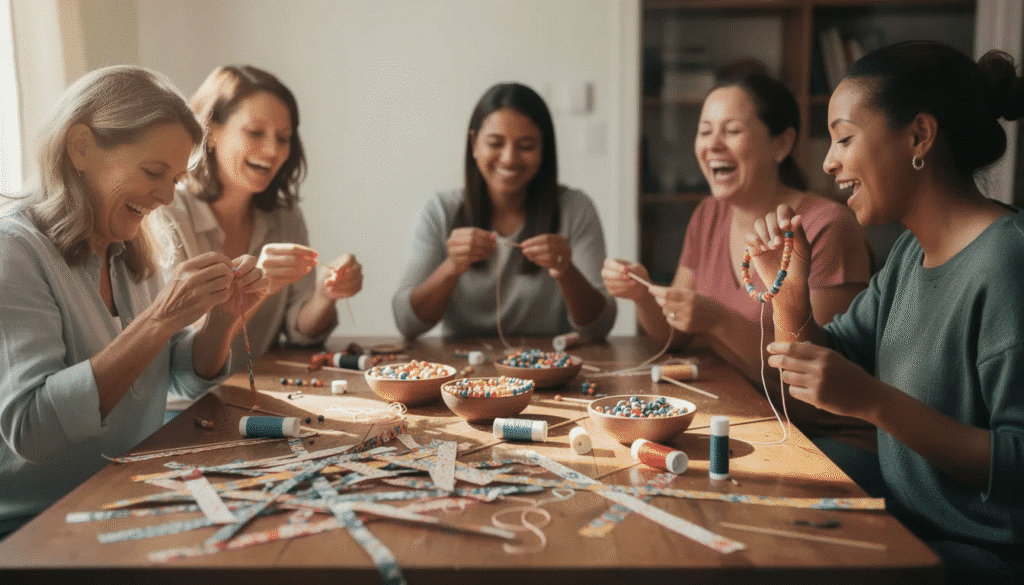
Beyond economics, bead-making builds community and confidence. Women share techniques, form savings groups, and mentor younger artisans. These cooperatives often function as support networks where members help each other through difficult times, creating bonds that strengthen entire neighborhoods.
Materials & Techniques: How African Paper Beads Are Made
For readers interested in expanding their jewelry projects beyond traditional styles, creative paper bead ideas for stunning DIY jewelry projects offer additional ways to transform simple materials into beautiful accessories.
Creating an African paper bead involves transforming a simple strip of paper into a polished, durable jewelry component. The process requires patience and skill, but the basic steps are straightforward enough that artisans can work from home with minimal equipment.
Paper Sources
Artisans collect paper from various sources:
- Old magazines (preferred for bold colors)
- School textbooks and calendars
- Office printouts and scrap paper
- Discarded packaging and wallpaper samples
The Cutting Stage
The paper is cut into long, thin triangles using a knife or guillotine. The base width and length of each triangle determine the final bead shape—wider bases create barrel shapes, while narrower cuts produce slender, elongated beads.
Rolling Technique
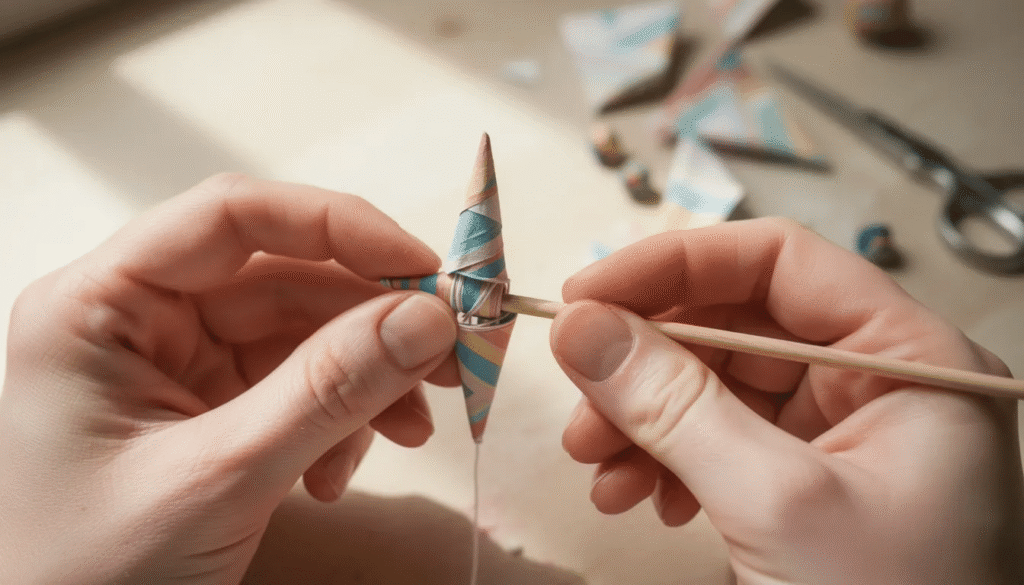
Each triangle is rolled tightly around a thin needle or wire, starting from the wide base. The artisan applies glue near the tip to secure the paper, then slides the bead off to dry on skewers or wires. This hand rolled technique requires practice to achieve consistent, tight coils.
Sealing and Finishing
Once dry, beads receive multiple coats of clear varnish or water-resistant acrylic to add shine and durability. This seal protects the paper from moisture and wear. Some artisans apply up to five coats, allowing each layer to dry completely before adding the next.
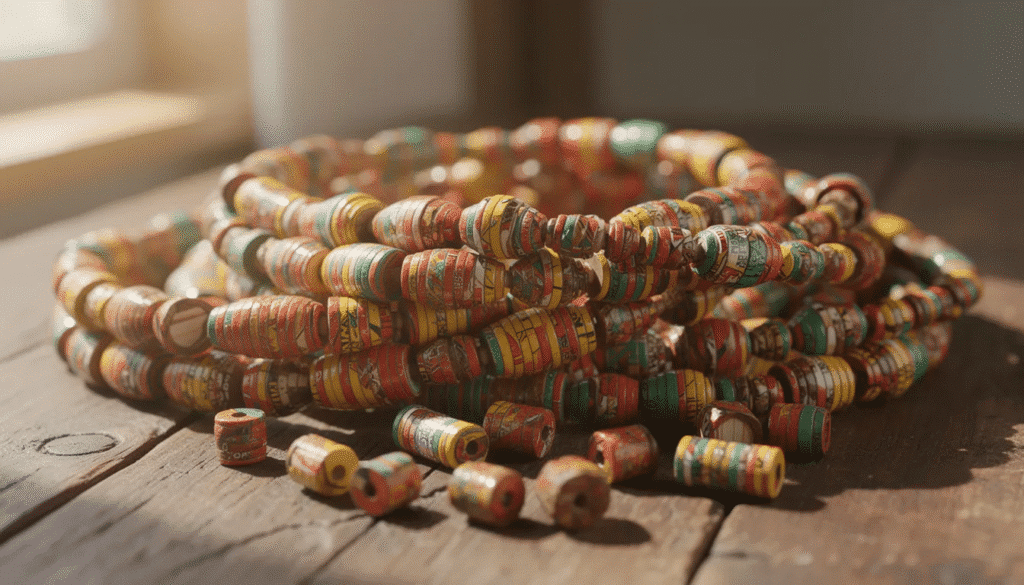
The variety of source materials means that no two beads are ever exactly alike—magazine pages with bright photography yield vibrant, multicolored beads, while text-heavy pages create more neutral, stone-like appearances.
Design Styles & Common Uses
African paper beads are remarkably versatile, appearing in everything from everyday jewelry to home décor projects. Their lightweight nature makes them perfect for bold, statement pieces that won’t weigh you down.
Popular Jewelry Types
- Necklaces: Single-strand and multi-strand designs, often in long “opera” lengths of 30–34 inches
- Bracelets: Wrap styles, stretch bands, and beaded bangles
- Earrings: Dangles featuring individual statement beads or clusters
- Anklets: Casual summer accessories
Common Shapes and Sizes
Shape | Typical Size | Best Uses |
|---|---|---|
Small tube | 0.5” × 0.2” | Delicate necklaces, earrings |
Large oval | 1” × 0.5” | Statement pieces, focal beads |
Bicone | 0.75” × 0.4” | Mixed-bead designs |
Barrel | 0.6” × 0.3” | Versatile, works for most projects |
Color Options
- Bright rainbow mixes
- Earthy browns and greens
- Monochrome blues or reds
- Soft pastel sets
Beyond Jewelry
- Keychains
- Bag charms
- Christmas ornaments
- Decorative garlands
- Embellishments on woven baskets or wall hangings
Their unique texture and colors add handcrafted charm to almost any item.
Fair Trade, Sustainability & Community Support
African paper beads represent one of the clearest examples of how craft can drive both environmental and social good. The connection between these beads and ethical fashion runs deep.
Environmental Benefits
Using recycled paper reduces waste that would otherwise be burned or end up in landfills. In many East African communities, paper waste is a growing problem, so transforming it into valuable products addresses a real environmental need while creating economic opportunity.
Fair-Trade Principles
Legitimate fair-trade bead programs typically include:
- Transparent pricing that ensures artisans receive fair compensation
- Long-term purchasing relationships rather than one-time transactions
- Pre-financing of orders so women don’t bear upfront material costs
- Safe working conditions and reasonable production timelines
Cooperative Structure
A typical women’s bead cooperative in Uganda features shared leadership, communal tools, group training sessions, and pooled savings or micro-loan schemes. This structure helps individual artisans access resources and opportunities they couldn’t find alone.
Community Investment
Many organizations channel bead income into broader community projects:
- School scholarships for children
- Health clinics and medical outreach
- Water wells and sanitation projects
- Business training for widows and single mothers
When you purchase authentic Ugandan paper beads, you’re not just buying jewelry—you’re investing in a system designed to lift families and communities out of poverty.
How to Make African-Style Paper Beads at Home
Making your own paper beads is a perfect crafts project for classrooms, youth groups, or a creative afternoon at home. The process mirrors what artisans in East Africa do, just with materials you likely have on hand, and can be combined with other fun paper activities for creative minds of all ages.
What You’ll Need
Before you begin, it helps to gather quality craft paper supplies for creative projects and DIY fun so your beads roll smoothly and hold their shape.
- Glossy magazines or colorful pages
- Ruler and pencil
- Scissors or craft knife
- Toothpicks or wooden skewers
- White school glue
- Clear varnish or water-based sealant
Step-by-Step Process
- Mark your triangles: Using a ruler, mark long, narrow triangles on your paper. A base width of 1 inch and a length of 10–11 inches creates a nice standard bead.
- Cut carefully: Cut along your marked lines to create paper strips.
- Start rolling: Place the wide end of the triangle against a toothpick. Roll tightly and evenly, keeping the paper centered.
- Glue the tip: When you reach the narrow end, add a small amount of glue and press to secure.
- Let dry: Allow beads to dry completely on the skewer—this usually takes 1–2 hours.
- Seal your beads: Apply clear varnish and let dry. Add 2–3 coats for durability.
Experiment with Creativity
Try different paper types—maps, gift wrap, or wallpaper samples—to see how the finished beads vary. Exploring the best types of paper for craft and their uses can help you choose papers that roll well and produce the colors and textures you want, or even inspire you to experiment with handmade paper sheets for your creative projects. Adjust your triangle size to create different bead shapes, and select pages based on whether you want bold colors or subtle patterns.
Safety Notes
- Adult supervision required for cutting tools
- Use varnish in well-ventilated areas
- Protect work surfaces with newspaper or a drop cloth
Buying Authentic African Paper Beads & Jewelry
If working with artisans inspires you to experiment on your own, platforms devoted to paper crafting such as Simply Paper Crafts can provide extra tutorials and project ideas alongside the handmade pieces you purchase.
When you’re ready to purchase authentic African paper beads, knowing what to look for helps ensure your money reaches the artisans who made them.
Verify Origin and Story
- The specific village, city, or cooperative name
- The country of origin (typically Uganda or Kenya)
- The artisans’ stories or photos
- How the organization supports the community
If a product description lacks these details, consider it a sign to look elsewhere.
Understand Product Specifications
Typical authentic African paper bead products feature:
- Strand length: 30–34 inches for necklaces
- Bead size: Varies; often 0.5”–1” long
- Finish: Matte or glossy varnish
- Stringing: Cotton cord, elastic, or wire
Where to Shop
- Verified fair-trade shops and organizations
- Online marketplaces that highlight artisan groups
- Non-profits and social enterprises with transparent impact reporting
- Specialty retailers that share how proceeds are used
Red Flags to Avoid
- No artisan information on the website
- Prices that seem too low to support fair wages
- No explanation of where or how items are shipped
A legitimate seller is happy to answer questions about their products and partnerships.
Caring for Your African Paper Beads
While sealed paper beads are surprisingly durable, they still benefit from gentle handling. A few simple habits will keep your jewelry looking beautiful for years.
Avoid Prolonged Water Exposure
Even with quality varnish, paper beads shouldn’t be submerged in water. Remove jewelry before:
- Swimming or showering
- Vigorous exercise
- Washing dishes
Cleaning Methods
When beads need freshening:
- Wipe gently with a slightly damp, soft cloth
- Dry immediately with a clean towel
- Avoid harsh chemicals, alcohol-based cleaners, or abrasive materials
Storage Tips
Proper storage prevents damage and fading:
- Keep beads in a dry place
- Avoid direct sunlight, which can cause colors to fade over time
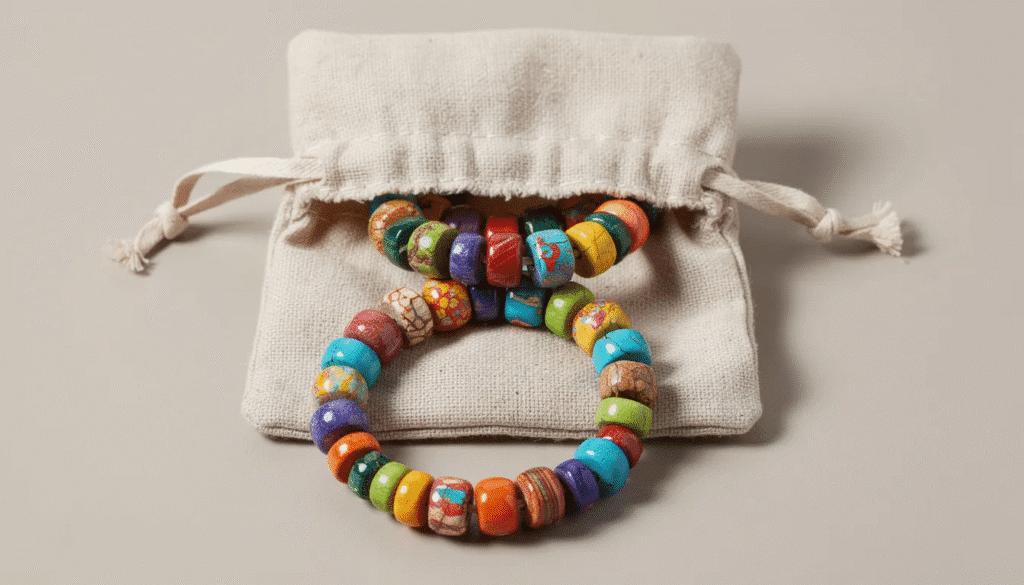
- Store in a soft fabric pouch or lined jewelry box
The high-quality varnish used by experienced Ugandan artisans makes their beads remarkably long-lasting when you treat them properly. Many wearers report enjoying their pieces for five years or more with basic care.
Educational & Craft Project Ideas
African paper beads offer rich opportunities for learning that extend far beyond the craft table. Teachers, youth leaders, and parents can use bead-making to explore geography, social studies, and global citizenship, or pair it with cute crafts paper ideas for fun and easy DIY projects to build a longer themed lesson.
Geography Connections
Pair bead-making with lessons on:
- Using creative and useful things to print on paper like maps, labels, or fact cards to support the activity
- Uganda and Kenya’s locations relative to the equator
- Major geographical features like Lake Victoria
- Capital cities and cultural landmarks
- Climate and how it affects daily life in East Africa
Social Studies Angles
Paper beads open discussions about:
- How vintage paper craft ideas that reuse old materials connect with the same values of recycling and storytelling found in African paper bead traditions
- Fair trade and ethical consumer choices
- Women’s entrepreneurship and economic empowerment
- How small crafts create global economic connections
- The role of cooperatives and community organizations
Project Ideas
Project | Setting | Learning Outcome |
|---|---|---|
Classroom bead-making fundraiser | School | Connects craft to community giving |
Church fair featuring artisan partnerships | Community | Teaches about global missions |
4-H or scout club craft day | Youth group | Builds fine motor skills and cultural awareness |
Family craft night with video stories | Home | Creates meaningful family time |
Make It Personal
Encourage students to watch a short video from actual artisan groups so they can connect their craft project to real people. This transforms a simple activity into a meaningful exploration of how creativity can change lives across the world.
Conclusion: Why African Paper Beads Matter
African paper beads represent a perfect intersection of creativity, recycling, and economic empowerment. What begins as discarded magazines transforms into vibrant jewelry, and what could be living in poverty becomes sustainable income for families.
Every strand tells a story—of paper becoming color, of women building businesses, and of global buyers making choices that matter. Whether you try making your own beads using the techniques described above or seek out authentic African paper bead jewelry from trusted organizations, you’re participating in something meaningful.
Small choices have real impact. The next time you wear a paper bead bracelet or string a handmade necklace, remember the hands that rolled each bead and the community that benefits from your support.