
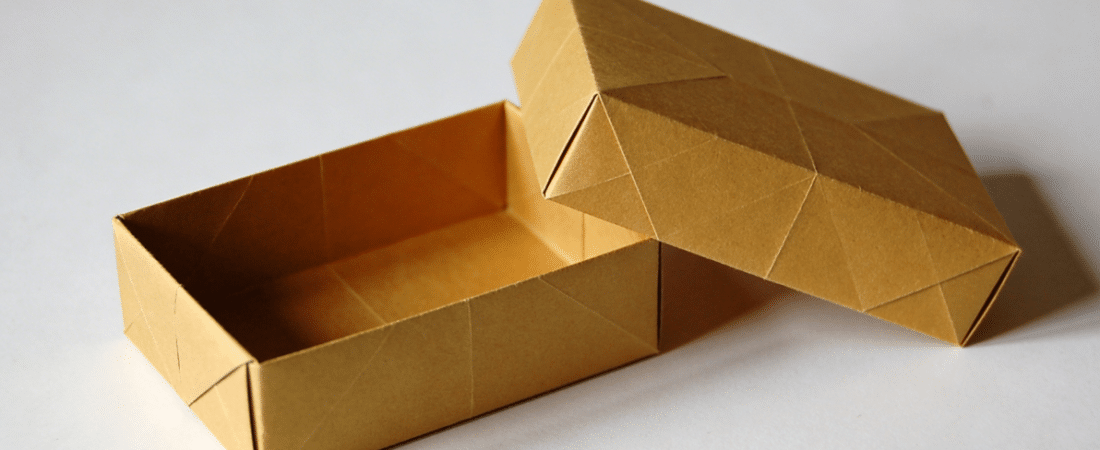
Creating an origami box with lid attached transforms a simple sheet of paper into a functional, elegant container perfect for small gifts and keepsakes. This guide is perfect for beginners and experienced crafters alike who want to create functional, elegant origami boxes for gifts or storage. Mastering this technique allows you to create personalized, eco-friendly packaging for any occasion. This tutorial walks you through every fold, from selecting the right paper to troubleshooting common issues.
Quick Answer: What Is an Origami Box With Lid Attached?
Origami boxes come in various styles, including those with lids and without. Styles of origami boxes with lids include magnetic closure boxes, sliding drawer packaging, and hinged lid boxes. An origami box with lid attached is a folded paper container where the lid connects to the base along one edge, functioning like a hinged gift box that flips open and closed. Unlike a traditional origami box with a completely separate lid, this design keeps everything in one unit.
The key difference comes down to construction:
Design Type | Structure | Best For |
|---|---|---|
Traditional masu box + separate lid | Two independent pieces that stack | Storage, stacking multiple boxes |
Hinged box with lid attached | Single unit with connected lid | Gift presentation, jewelry boxes |
This tutorial focuses on creating a simple rectangular or square hinged box ideal for gifts like jewelry, candies, wedding favors, or small keepsakes. The design works without glue, though adding tape along the hinge can improve durability for daily use. | ||
Expect to spend 10–20 minutes on your first box. Experienced folders can complete one in under 10 minutes once the technique becomes familiar. |
Tools and Paper You’ll Need
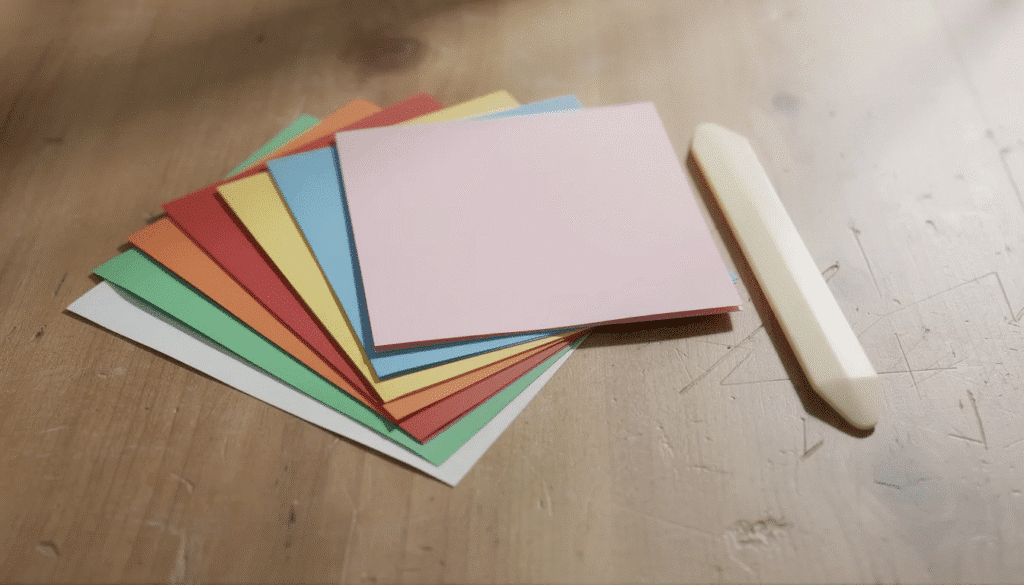
Getting started requires only basic supplies, making this project perfect for home crafting, classroom activities, or batch-producing party favors, especially when you choose craft paper supplies suited to creative DIY projects.
Recommended paper sizes:
- A4 (21 × 29.7 cm) or US Letter (8.5 × 11 in) for a rectangular box
- 15 × 15 cm (6 × 6 in) for a small square box
- 20 × 20 cm (8 × 8 in) for a medium square box
Paper weight guidelines:
Purpose | Weight | Examples |
|---|---|---|
Practice runs | 70–100 gsm | Standard origami paper, printer paper |
Sturdy gift boxes | 120–160 gsm | Construction paper, thin cardstock |
Optional tools: |
- Ruler and pencil for marking thirds or quarters
- Bone folder or the back of a spoon for sharpening creases
- Scissors (only if using a design that requires one cut for the hinge—this tutorial is primarily no-cut)
Paper designs by occasion:
- Lunar New Year: Red or gold metallic paper
- Birthdays and baby showers: Pastel solids or polka dots
- Rustic or eco-friendly: Kraft paper or recycled book pages
Understanding the Hinged Origami Box Design
Before diving into the folding steps, it helps to understand the basic structure: a base compartment plus a lid attached along one edge, opening like a book cover.
A popular method for a single-sheet origami box with an attached lid is the Anna Kastlunger design, which integrates the lid as part of the same sheet of paper.
Two common approaches exist:
- Single-sheet design – The lid and base form from one continuous piece of paper with no cutting required
- Two-piece modular design – Separate lid and base units lock together along one side to create the hinge
The single-sheet method adapts traditional Japanese masu box principles by using overlapping flaps that tuck into pockets along the hinge edge. Reinforced creases along this line allow repeated opening and closing.
Typical finished dimensions from standard paper:
Starting Paper | Approximate Finished Size | Good For |
|---|---|---|
A4 sheet | 7 × 5 × 3 cm inner space | Small bars of soap, USB drives |
15 × 15 cm square | 5 × 5 × 2.5 cm | Earrings, rings, small candies |
20 × 20 cm square | 7 × 7 × 3 cm | Larger jewelry, chocolates |
If you prefer hands-on learning, feel free to skip ahead to the step-by-step instructions below and return here later for conceptual clarity. |
Step-by-Step Instructions: Hinged Origami Box (Single-Sheet Version)
This section provides a clear, numbered guide suitable for beginners. Work through each step carefully, and watch your paper transform into a functional hinged container, then explore other creative origami designs for every skill level.
Step 1: Create the Central Guide Line
Start with a rectangular sheet (A4 or US Letter works well) placed vertically on your work surface, color or pattern side facing down.
Fold the paper in half lengthwise, bringing the left edge to meet the right edge. Crease sharply along the fold using your fingernail or a bone folder, then unfold completely.
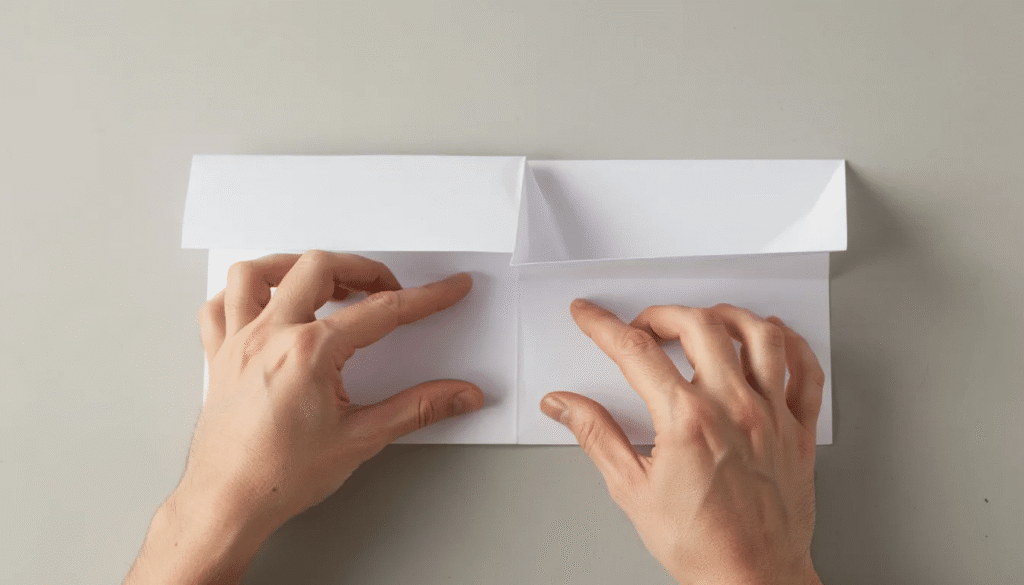
Step 2: Form the Gate Fold
Fold both long edges inward to meet the central crease you just created. This creates what’s called a “gate fold.”
Accuracy here is critical—these folds control the depth of your box walls.
Step 3: Mark the Lid and Base Sections
Rotate the paper 90 degrees so it lies horizontally.
Fold the left and right short edges toward the center, but leave a gap of approximately 1–1.5 cm between them. This gap becomes the hinge allowance and ensures the lid has proper overhang.
Step 4: Establish Crease Lines
Unfold the short-edge folds you just made. You should now see vertical crease lines running across your paper.
These creases mark where the base and lid sections will form. The result of this step gives you the structural roadmap for the rest of the box.
Step 5: Adjust the Lid Depth
On one side (this becomes your hinged lid), fold the short edge only halfway to its crease line. This makes the lid slightly shallower than the base, allowing it to close neatly over the top.
The other side remains folded to its full crease—this deeper section becomes the base compartment.
Step 6: Create Corner Locks
Open the gate folds slightly so you can access the corners.
At each of the four base corners, fold small diagonal triangles inward at 45-degree angles. These two triangles on each end will lock the box walls together and improve the overall shape.
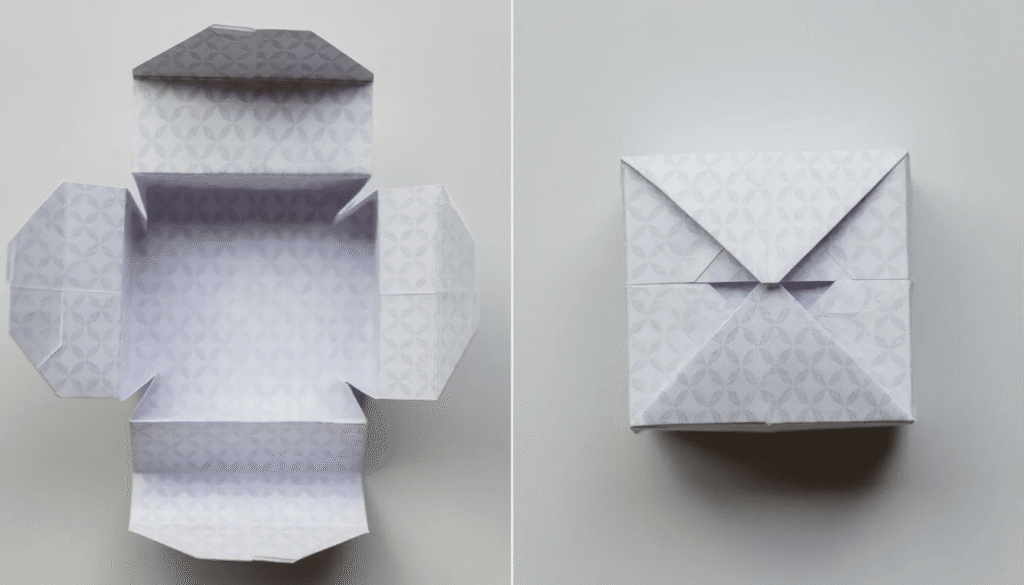
Step 7: Raise the Walls
Using the existing creases as guides, raise the long sides to form the walls of both the base and the lid.
Pull up the sides similar to forming a traditional masu box. The creases you established earlier should guide the paper into position naturally.
Step 8: Lock the Base Corners
On the base section, tuck the diagonal corner flaps into the adjacent side panels. These flaps should slide into pockets formed by the wall layers.
Work the corners of each end methodically. When done correctly, the base will hold its shape without tape or glue.
Step 9: Finish the Lid
On the lid side, fold and tuck smaller triangles so the lid sits flat when closed.
The hinge is formed by the uncut strip of paper joining base and lid—no separate attachment needed.
Step 10: Train the Hinge
Open and close the box several times to “train” the hinge crease. This step is easy to skip but makes a noticeable difference in how smoothly your box operates.
Pinch along the hinge line to make it more flexible and durable for repeated use.
Optional reinforcement: For boxes that will see heavy use, add a small piece of clear tape along the inside of the hinge. This preserves the handmade appearance while adding significant durability.
Alternative Method: Hinged Box Using Two Pieces (Modular)
This method uses separate base and lid units joined along one side. It’s ideal if you already know how to fold a basic masu box and want a sturdier construction.
Creating the base and lid:
- Base: Fold a standard masu box from a 15 × 15 cm square
- Lid: Fold a slightly larger box from a 15.5 × 15.5 cm square (the extra 0.5 cm ensures proper fit)
You can learn the masu box technique from various origami books or video tutorials online, or branch out into fun paper duck origami ideas once you’re comfortable with basic folds.
Joining the pieces into a hinged set:
- Place the completed lid and base side by side with one edge touching
- Overlap a flap from the lid over the base’s side wall
- Tuck the flap into an existing pocket on the base
- Alternatively, glue a narrow strip of matching paper along the adjacent edges to act as a hinge
Pros and cons of the modular approach:
Pros | Cons |
|---|---|
Stronger overall construction | Requires more paper |
Easier to size lid and base precisely | May need glue or tape for the hinge |
Stands up to repeated opening | Slightly more complex assembly |
This method is popular for ring boxes and presentation boxes because the lid opens sideways like a book cover, creating an elegant reveal moment, especially when paired with creative wrapping paper ideas to elevate your gift-giving. |
How to Size and Customize Your Attached-Lid Box
This section helps you adapt the box to specific contents like jewelry, USB drives, sweets, or stationery, and you can even pair your boxes with DIY paper bead jewelry projects for a fully handmade gift.
Size planning process:
- Measure your item (length, width, height) in centimeters or inches
- Add 0.5–1 cm clearance in each direction
- Select paper size that produces a box matching your calculated dimensions
Concrete sizing examples:
Item | Item Size | Finished Box Target | Recommended Paper |
|---|---|---|---|
Stud earrings | 2 × 2 × 1 cm | 4 × 4 × 2 cm | 15 × 15 cm square |
Small soap bar | 7 × 5 × 3 cm | 8 × 6 × 4 cm | A4 or 20 × 20 cm |
USB drive | 6 × 2 × 1 cm | 7 × 3 × 2 cm | 15 × 21 cm rectangle |
Decorative additions: |
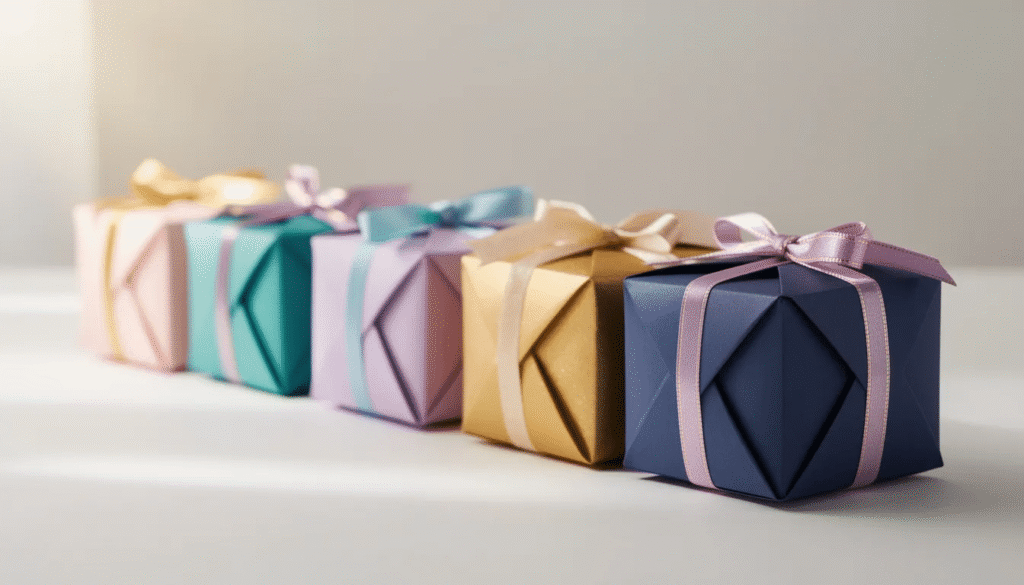
- Paper band or belly band wrapping around the closed box
- Small origami bow, heart, or flower attached to the lid
- Hand-lettered names, dates, or short messages
Color and theme suggestions:
- Wedding favors: White, cream, or metallic paper with minimalist styling
- Children’s parties: Bright solid colors or cartoon prints
- Christmas: Red, green, or kraft paper with white ink snowflake details
Uses, Tips, and Troubleshooting
Common Uses
For family craft nights, consider pairing this project with cute paper craft ideas for fun DIY projects so everyone can create coordinating decorations.
- Birthday, anniversary, and holiday gift packaging
- Desk storage for paper clips, washi tape, or SD cards
- Classroom projects teaching measurement, geometry, and fine motor skills
- Wedding and party favor containers
Practical Folding Tips
- Pre-crease carefully and align corners exactly—this determines whether your box keeps its shape
- Use a ruler edge or bone folder to reinforce the hinge line
- Work on a hard, flat surface for crisp creases
Troubleshooting Guide
Problem | Cause | Solution |
|---|---|---|
Lid pops open | Front wall crease too shallow | Deepen the front wall fold or add a paper band |
Base warps or twists | Asymmetrical early folds | Refold, ensuring long edges align precisely in step 2 |
Hinge tears with use | Paper too thin | Use 120–160 gsm paper and avoid over-bending |
Durability Expectations
With normal use, a hinged paper box made from heavier paper can last for months sitting on a desk. For long-term storage, keep boxes away from moisture and direct sunlight.
Eco-friendly Alternatives
Experiment with recycled materials like old calendars, magazine covers, or brown grocery bags. These work beautifully and add character to your crafts while reducing waste, and you can also explore vintage paper craft ideas using old ephemera for a nostalgic look.
Start with a simple box design using scrap paper, then graduate to premium papers once you’ve signed off on your technique. Share your creations as gifts—few things are more loved than handmade packaging that shows you added personal effort. For even more inspiration, browse Simply Paper Crafts for tutorials and project ideas or try creative paper squishies projects for all ages. Post your results online, send them via email to friends seeking project ideas, or simply enjoy the satisfaction of mastering a centuries-old craft with a modern twist.